

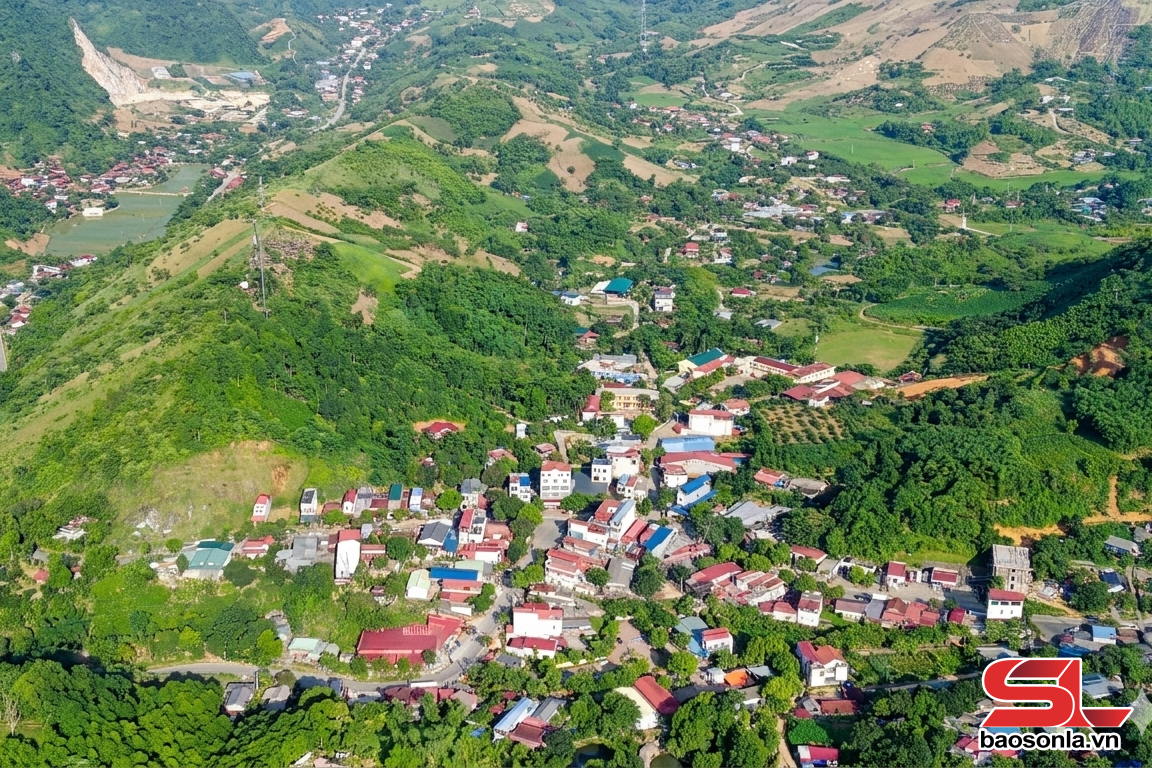
Photo: An Hao
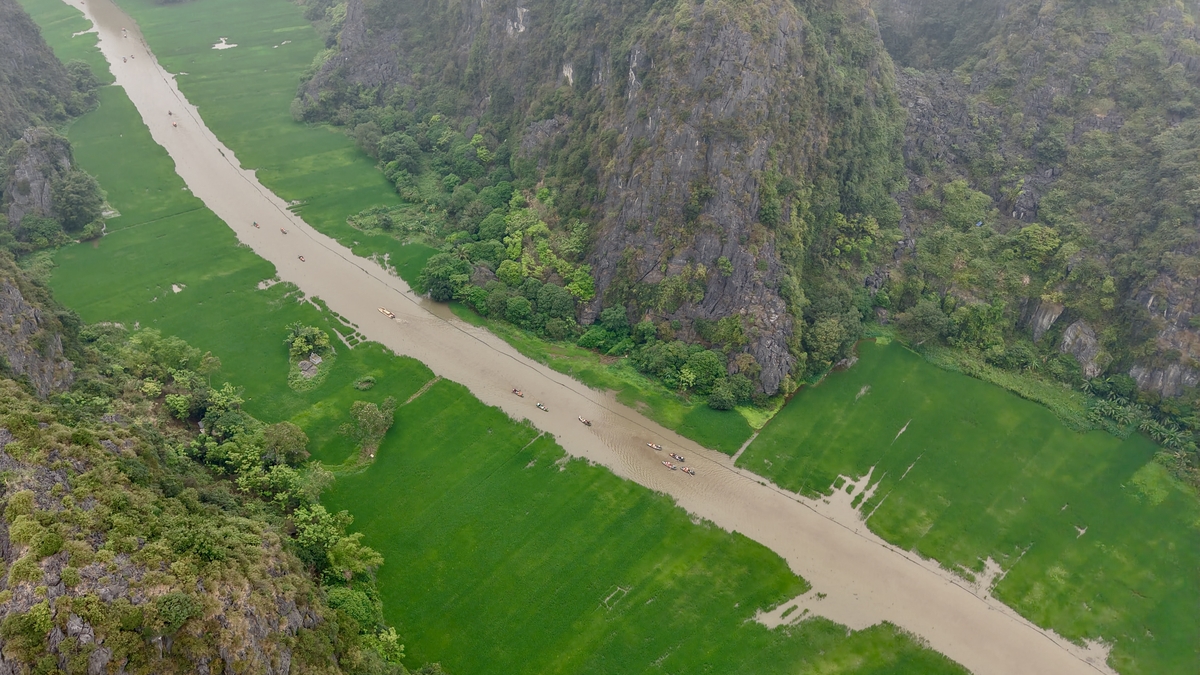
Lung Lo Pass is located on National Highway 37, 15 km long, at the border of Thuong Bang La commune in Lao Cai province and Muong Coi commune in Son La province. During the Dien Bien Phu campaign in 1954, Lung Lo Pass held a particularly important position, connecting a vital route for the Vietnamese army and people to supply weapons, ammunition, and food to the campaign. According to the history of the Muong Coi commune Party Committee and related documents, after more than 200 days and nights of strenuous effort, mobilizing over 124,000 civilian laborers to open the road, the route through Lung Lo Pass was completed, connecting the Viet Bac war zone and the Northwest provinces, allowing tens of thousands of trucks and carts to transport weapons to the battlefield.
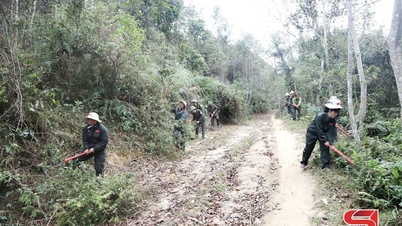
Together with engineering units and civilian laborers, the people of Muong Coi commune, undeterred by sacrifice and hardship, worked day and night to break rocks and open roads, ensuring smooth traffic through Lung Lo Pass for bicycle convoys, artillery, and vehicles transporting weapons, ammunition, fuel, and food supplies to the battlefield, contributing to the victory at Dien Bien Phu. After peace was restored, on April 27, 2011, Lung Lo Pass – a legendary route, a heroic testament to the Vietnamese nation's history of resistance against foreign invaders – was recognized as a National Historical Monument by the Ministry of Culture, Sports and Tourism.
Building on the traditions of their forefathers, at the foot of the legendary Lung Lo Pass, the officials and people of various ethnic groups in Muong Coi commune have always been united, striving to compete in labor and production, achieving many accomplishments in all aspects of life and economic development; infrastructure has been built in a spacious, clean and beautiful manner, and the face of the rural area is improving day by day.
Mr. Phan Ngoc Linh, Chairman of the People's Committee of Muong Coi commune, shared: "Muong Coi commune, merged with Muong Thai and Tan Lang communes, has relatively complete infrastructure and convenient transportation. The commune has reviewed and planned concentrated production areas suitable to the conditions of each area and each type of crop. We are promoting the establishment of cooperatives and cooperative groups to strengthen linkages in production. We are actively attracting businesses and investors to participate in linkages and product distribution, gradually forming a value chain, creating stable outlets, and helping people feel secure in developing their economy."
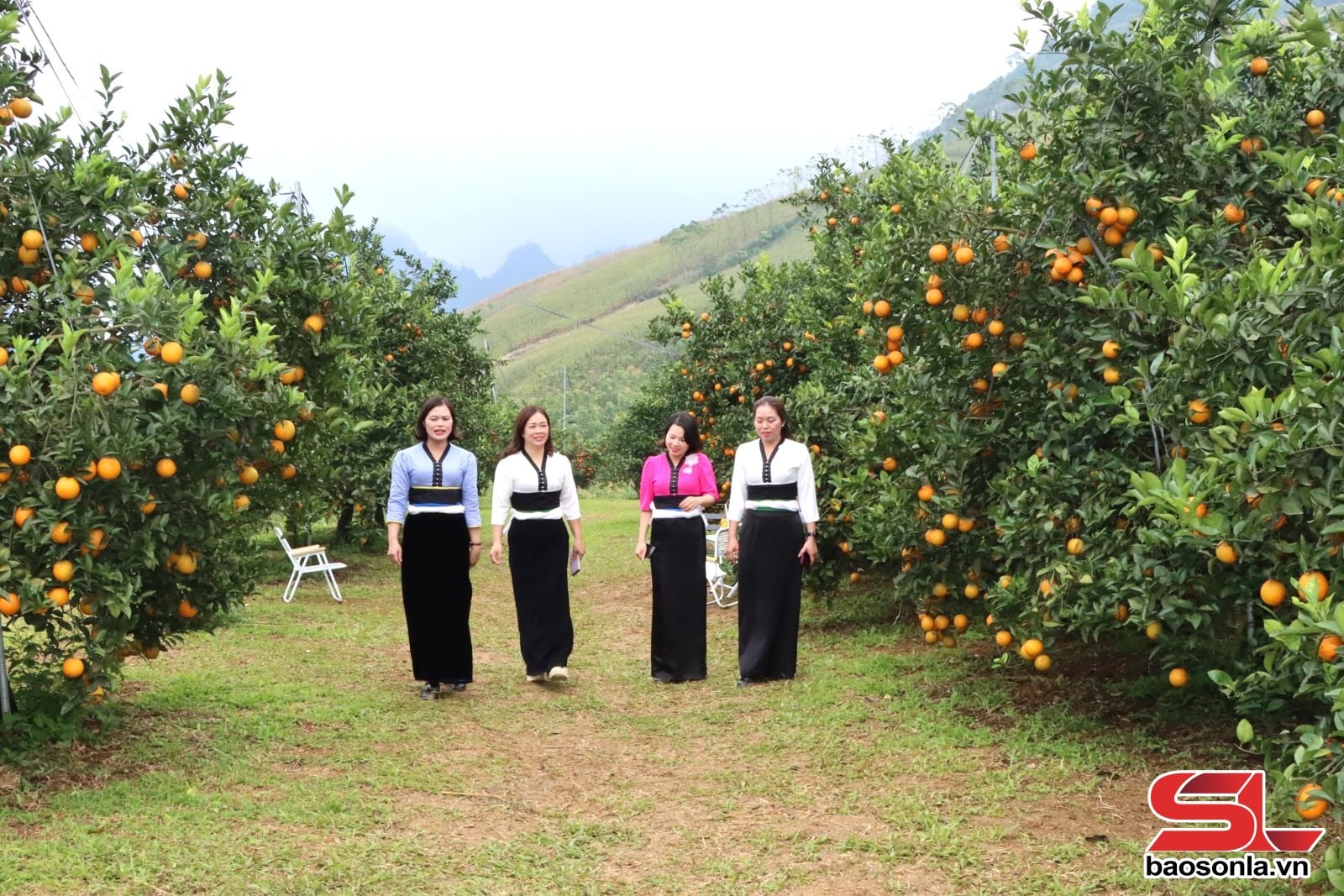
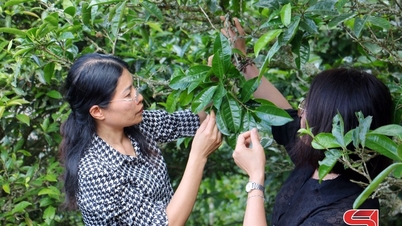
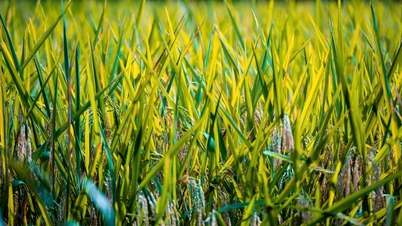
Developing the agricultural economy towards a commodity-based approach continues to be the right direction, suitable to local conditions. People are boldly applying technological advancements, developing production in a concentrated manner, combining crop cultivation and livestock farming, and forming effective production models. The commune currently has 406 hectares of fruit trees, mainly citrus fruits, with a yield of nearly 900 tons/year. They also cultivate and care for 249 hectares of tea, yielding 1,245 tons/year; intensively cultivate over 140 hectares of rice and over 1,500 hectares of corn; and produce 18,535 tons of grain per year. Households are actively developing livestock and poultry farming on a concentrated farm scale; the entire commune has over 5,000 head of cattle and more than 160,800 poultry; and develop 68 fish cages, with a seafood yield of 117 tons/year. The people's lives are improving, with an average income of nearly 50 million VND/person/year; the commune has achieved 15 out of 19 criteria and 51 out of 57 indicators for building new rural areas; 4 villages have achieved the standards of new rural villages and model new rural villages.
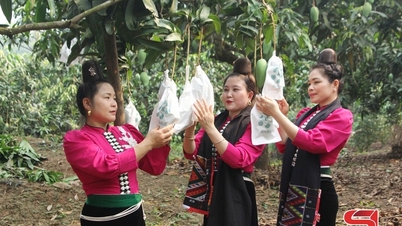
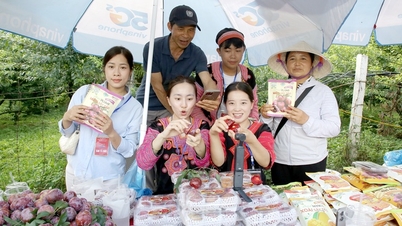
Visiting the Nghia Hung Fruit Cooperative in Nghia Hung village, Muong Coi commune, along the gently sloping hillsides, the vibrant green of Vinh oranges, sweet oranges, and tangerines stands out. Welcoming us, Mr. Nguyen Van Su, Director of the Cooperative and the first person to introduce orange trees to Muong Coi, happily recounted: "Fifteen years ago, I visited several orange cultivation models in Phu Tho province and decided to experiment with planting 500 sweet orange trees on my family's farm. The first harvest yielded nearly 15 tons of oranges, resulting in a profit of 120 million VND after deducting expenses. In 2018, I and 10 other households in the village established the Cooperative to exchange cultivation experiences and link product consumption. To date, the Cooperative has 27 hectares of oranges and tangerines, with an average yield of nearly 400 tons per year. The Cooperative's oranges have been recognized as achieving OCOP 3-star standards and are one of the outstanding agricultural products honored by the province."
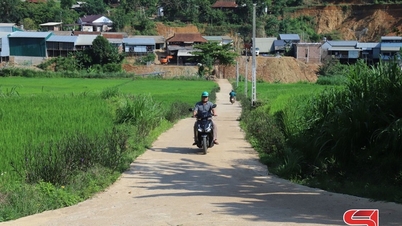
Along with state investment resources, Muong Coi commune has leveraged its internal resources to build essential infrastructure such as hardening rural roads, irrigation systems for agricultural production, school buildings, and cultural centers. To date, 100% of villages have hardened roads; over 99% of households have access to electricity from the national grid; 27 out of 32 villages have solid cultural centers; and all 7 schools meet national standards. Exploiting the potential of Suoi Chieu Lake, the commune has called on businesses to develop eco-tourism cooperatives around the lake, offering natural hot spring bathing and orange picking experiences in the orchards. Since the beginning of the year, the commune has welcomed nearly 2,000 tourists.
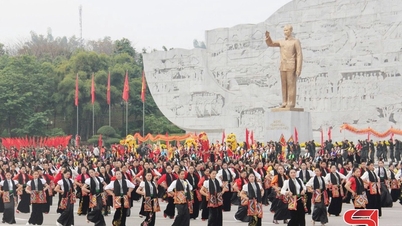
Seventy-two years have passed, but the songs and chants from the legendary Lung Lo Pass still resonate, becoming a source of encouragement and motivation for cadres, Party members, and the people of Muong Coi to uphold revolutionary traditions, work together to develop the economy and tourism, and build a more prosperous and beautiful homeland.
Source: https://baosonla.vn/xa-hoi/doi-thay-noi-cung-deo-huyen-thoai-RH90Pm0Dg.html





















































![[Photo] Hue: Admire the 2.4 trillion VND sea bridge, the longest in Central Vietnam.](https://vphoto.vietnam.vn/thumb/402x226/vietnam/resource/IMAGE/2026/05/24/1779614018347_anh-man-hinh-2026-05-24-luc-16-13-29.png)




























Comment (0)