


Tay Phu commune was formed by merging the entire natural area and population of An Binh, My Phu Dong, and Tay Phu communes. These were three communes that met the advanced new rural standards of Thoai Son district, formerly An Giang province.
Based on the achievements, the Party Committee of Tay Phu commune continues its journey of building a new rural area. After the merger, the new Tay Phu commune is a purely agricultural area; this is a challenge but also a strength of the commune in aiming towards building a clean and green agriculture .
During the year, the entire commune planted three rice crops, achieving 100% of the plan with a total area of 24,675 hectares, an average yield of 6.5 tons/ha, and a total production of 160,388 tons. Of this, the area planted with high-quality rice was 21,468/22,443 hectares, reaching 88% of the target. The main rice varieties included: Dai Thom 8, OM 5451, OM 18, Nang Hoa 9, and Japanese rice... The average production value per hectare of agricultural land reached 230 million VND.
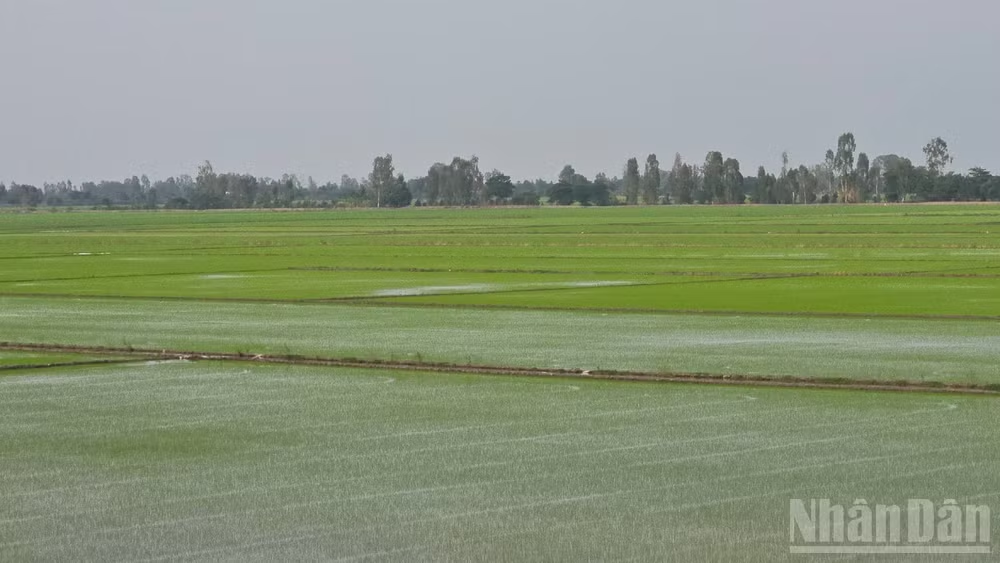
Simultaneously, Tay Phu commune is participating in the implementation of the "1 million hectares of high-quality, low-emission specialized rice cultivation linked to green growth" project. By 2026, the commune aims to cultivate 3,730 hectares of high-quality rice, promote the application of high technology, establish product consumption linkages, develop OCOP products, and improve the efficiency of cooperative operations.
These days, returning to Tay Phu, a new rhythm of life is evident in this area, which was once full of difficulties but is now gradually transforming. At a roadside tea stall, farmer Phan Thanh Tuan sits sipping tea, relaxing after hours of work in the fields.
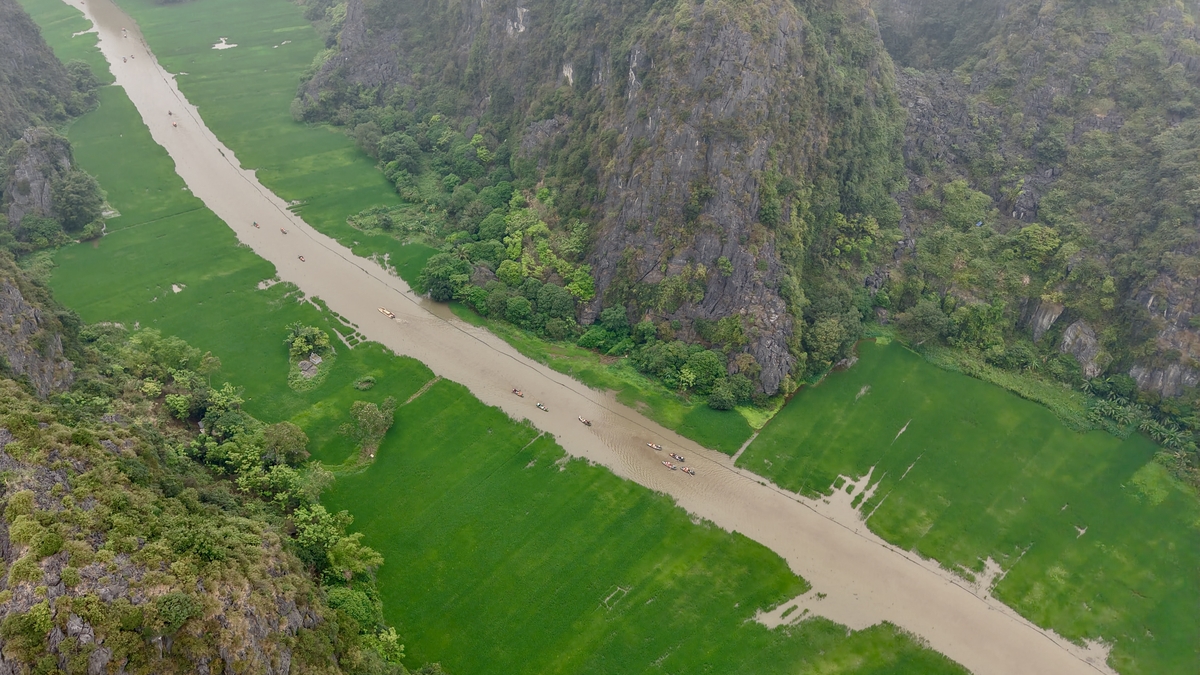
Mr. Tuan shared that the winter-spring crop yielded high productivity but low prices, so farmers still made a small profit. He plans to continue farming this summer-autumn season. Speaking about Tay Phu commune, he recounted how the area is divided by many canals and waterways from other communes. Mr. Tuan recalled: “In the past, houses were sparse here, with only a thatched house every few kilometers. Therefore, you could see people in the fields in the morning, but by noon, the villages were deserted.”
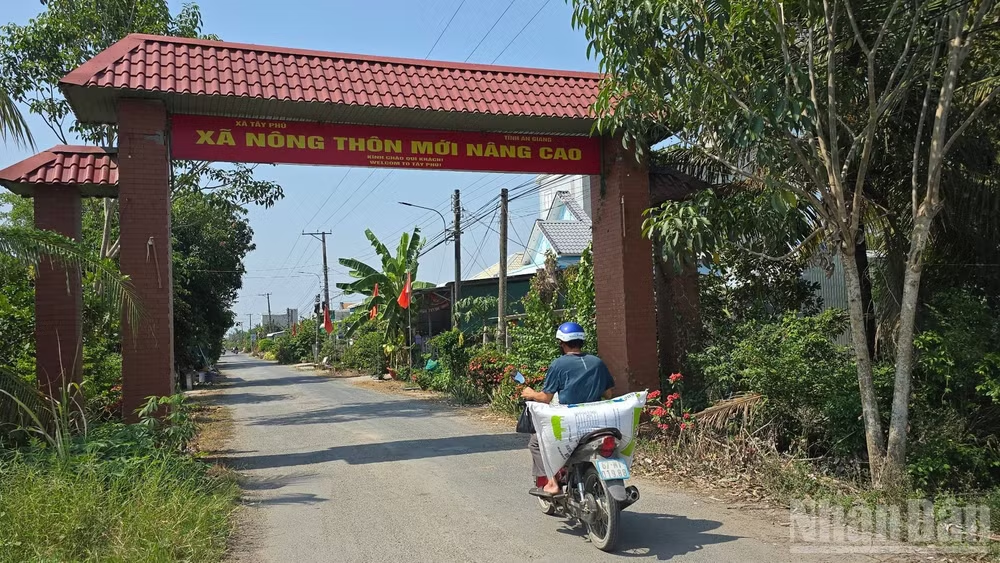
Over time, the Tay Phu area transformed; the fertile farmland attracted farmers from other places to settle there, residential areas formed, people moved about busily, schools and markets sprang up, and village roads were paved with concrete to meet development needs.
A clear example of this in 2025 is the synchronized development of rural transportation infrastructure. A series of new bridges, inaugurated with funding from social contributions, have helped to alleviate trade bottlenecks in remote areas.
Notable examples include the Hope Bridge 421 (Hung Loi Bridge) with a total cost of 600 million VND, the Khuong Ngoc Bridge 16 worth over 800 million VND, and the Phu Tuyen 2 Bridge with a cost of 340 million VND. These new bridges not only help students travel more safely during the rainy season but also facilitate the transportation of agricultural products directly to the fields by trucks, contributing to reduced production costs and increased value of agricultural goods.
In addition, many rural roads have been upgraded and paved with concrete, creating a more modern and attractive appearance. The 1km-long road south of Lang Canal in Phu Hoa hamlet, which received over 2.1 billion VND in investment from the National Target Program for New Rural Development, has contributed to changing the face of the countryside.
For predominantly agricultural areas, irrigation is considered the "lifeblood" of production. The local government and people have focused on dredging the large-scale system of canals and ditches in the fields to proactively secure water resources for production. In the past year alone, more than 15km of canals and ditches were cleared in the hamlets of Tan Phu, Tan Dong, Phu Thanh, Phu Hiep, etc., creating favorable conditions for farming and responding to climate change.
Besides infrastructure changes, Tay Phu has also witnessed a strong shift in the agricultural production mindset of its people. From a model of monoculture rice farming, many households have boldly switched to crops with higher economic value.
The entire commune has now converted 286 hectares to vegetable cultivation and 194 hectares to fruit tree cultivation. A prime example is the model of Mr. Pham Chi Tam, residing in Phu Thuan hamlet. From 2.5 hectares of low-yield rice land, he boldly switched to planting durian trees interspersed with other fruit trees. With over 700 durian trees, in the first harvest season he collected about 7 tons of fruit, which was purchased by traders directly from the farm at a price of 80,000 VND/kg.
According to Mr. Tam, to increase income, farmers must change their production mindset, boldly apply science and technology, and access the market. His model is opening up a promising new direction for local farmers.
According to the resolution of the Party Committee of the commune, in 2026, Tay Phu aims for an average product value growth rate of 10.2%; an average agricultural land production value of 240 million VND/hectare/year; and an average per capita income of 98 million VND/person/year.
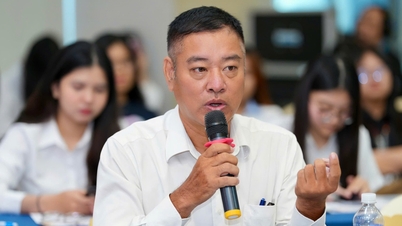
Mr. Le Hong Dan, Deputy Secretary of the Party Committee and Chairman of the People's Committee of Tay Phu commune, said that the locality always considers people's satisfaction as a measure of work effectiveness. The entire political system implements the motto "knocking on every door," supporting people in digital transformation, resolving administrative procedures, taking care of social welfare and developing production.
Throughout its development, Tay Phu has not only focused on the economy but also paid special attention to preserving traditional cultural values, considering them an important spiritual foundation of the community.
Farmer Phan Thanh Ut, 54, recalls that because of their close connection to rice cultivation, his ancestors built the Temple of the God of Agriculture and the Temple of the Goddess of the Land in the commune to pray for favorable weather and bountiful harvests. These spiritual and cultural values of the countryside have been continued and nurtured by subsequent generations.
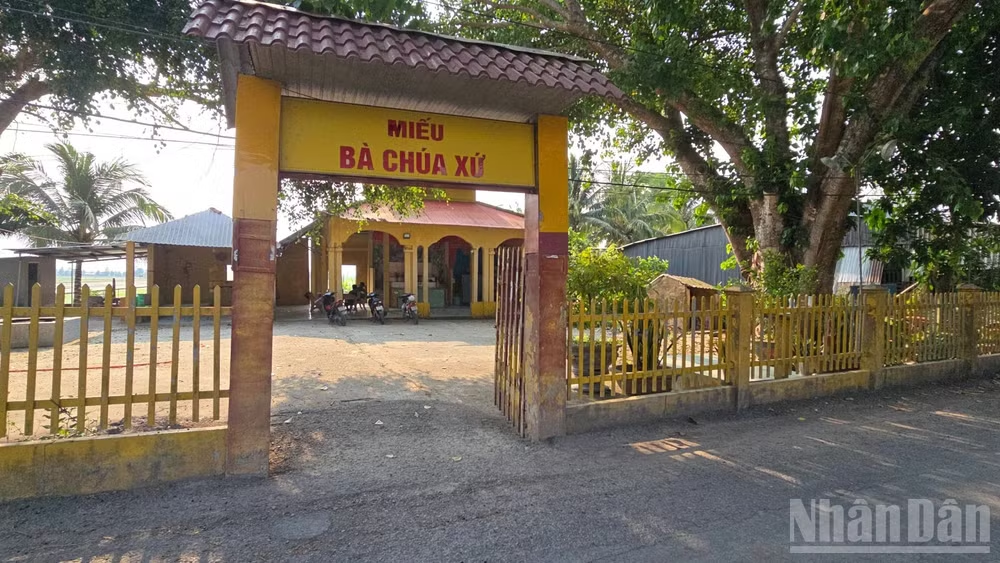
During the period of resistance against the French invasion from 1945 to 1954, the Lady of the Land Temple became a meeting place and a hub for supplying and transporting essential food and provisions for the revolution. It also served as a key communication point for couriers during the resistance against the French.
The Lady of the Land Temple, recognized as a provincial-level historical relic in 2023, is currently an important cultural and spiritual center for the local people. Every year, the temple hosts the annual rice planting festival in the third lunar month, not only to pray for national peace and prosperity and a bountiful harvest, but also to educate the younger generation about revolutionary traditions.
The Tay Phu God of Agriculture Temple, established in 1938-1939, is also a distinctive cultural symbol of the agricultural communities in the Mekong Delta. Having existed for nearly a century, the temple is not only a place of worship for favorable weather but also a witness to the pioneering and development of the homeland by generations of Tay Phu farmers.
Source: https://nhandan.vn/doi-thay-vung-dat-tay-phu-post964166.html


































































Comment (0)