

Quantifying the reward and recognition system.
The head of the government emphasized that emulation in the new phase must be closely linked to the implementation, completion, and exceeding of socio -economic development targets, especially promoting double-digit growth. Effectiveness must be the measure of success, with the core objective of emulation being the completion of 100% of specific tasks in the action programs of each ministry, sector, and locality, such as institutional reform, administrative reform, and digital transformation. In particular, emulation plans must be implemented according to criteria with clear tasks, deadlines, designated focal points, and measurable results linked to outputs; promoting and enhancing the responsibility of leaders.
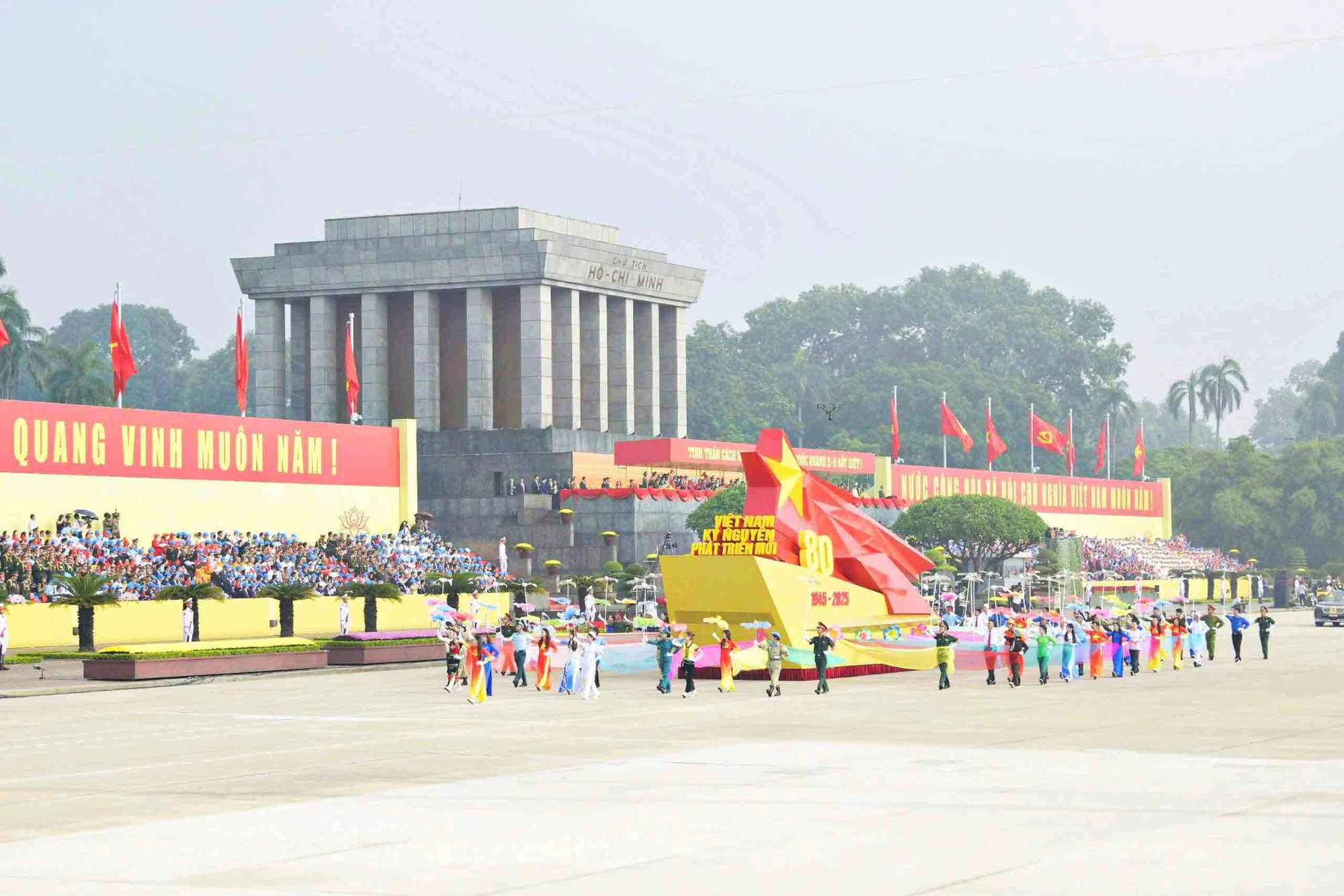
Vietnam is focusing its efforts on achieving double-digit economic growth.
PHOTO: GIA HAN
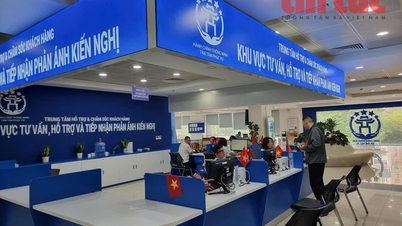
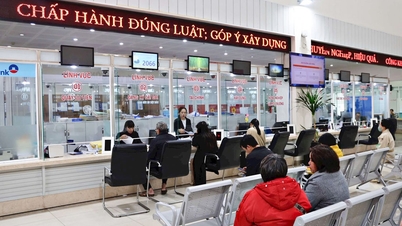
Beyond general directives, the Prime Minister specifically instructed that to contribute to double-digit growth, administrative reforms must be decisive, business conditions must be reduced, and the business environment improved. This will significantly reduce the time and compliance costs for citizens and businesses, making a substantial contribution to growth. Simultaneously, local governments at both levels must operate very efficiently, resolving institutional and legal bottlenecks and obstacles, addressing stalled projects, unlocking resources, unleashing potential, and promoting traditional growth drivers before strongly promoting new ones.
Earlier, on the afternoon of April 13th, presiding over a meeting of the Government Standing Committee to discuss solutions and methods for reforming and reducing administrative procedures, business conditions, conditional business sectors, and decentralizing the handling of administrative procedures according to Central Committee Conclusion No. 18-KL/TW, Prime Minister Le Minh Hung also instructed ministries and agencies to propose to the Government Standing Committee and the Government within 7 days (by April 20th) plans for reducing and reforming administrative procedures, business conditions, and conditional business sectors. Subsequently, the Government Office and the Ministry of Justice will compile and review the proposals and submit them to the Government for approval within April.
Responding to the Prime Minister's call, a wave of specific targets has spread strongly from the central to local levels, quantified by very strict indicators. Most recently, the Tax Department under the Ministry of Finance issued urgent dispatch No. 9, requiring the application of a 0% tax rate on many fuel taxes to support businesses; setting a goal to reduce the current tax filing time and to bring Vietnam into the leading group of ASEAN-4 countries this year. The Ministry of Construction previously committed to cutting administrative procedures by 50% in time and cost by 2026. This is a record reduction to free up real estate and infrastructure projects.
The Ministry of Planning and Investment is deciding to implement a roadmap in accordance with the Government Resolution, striving to simplify 100% of unnecessary or overlapping investment and business conditions by the end of 2026. Economic powerhouses such as Hanoi, Ho Chi Minh City, and Da Nang have also registered to reduce the time for processing land and construction procedures by at least 30% – which are the biggest bottlenecks in project implementation.
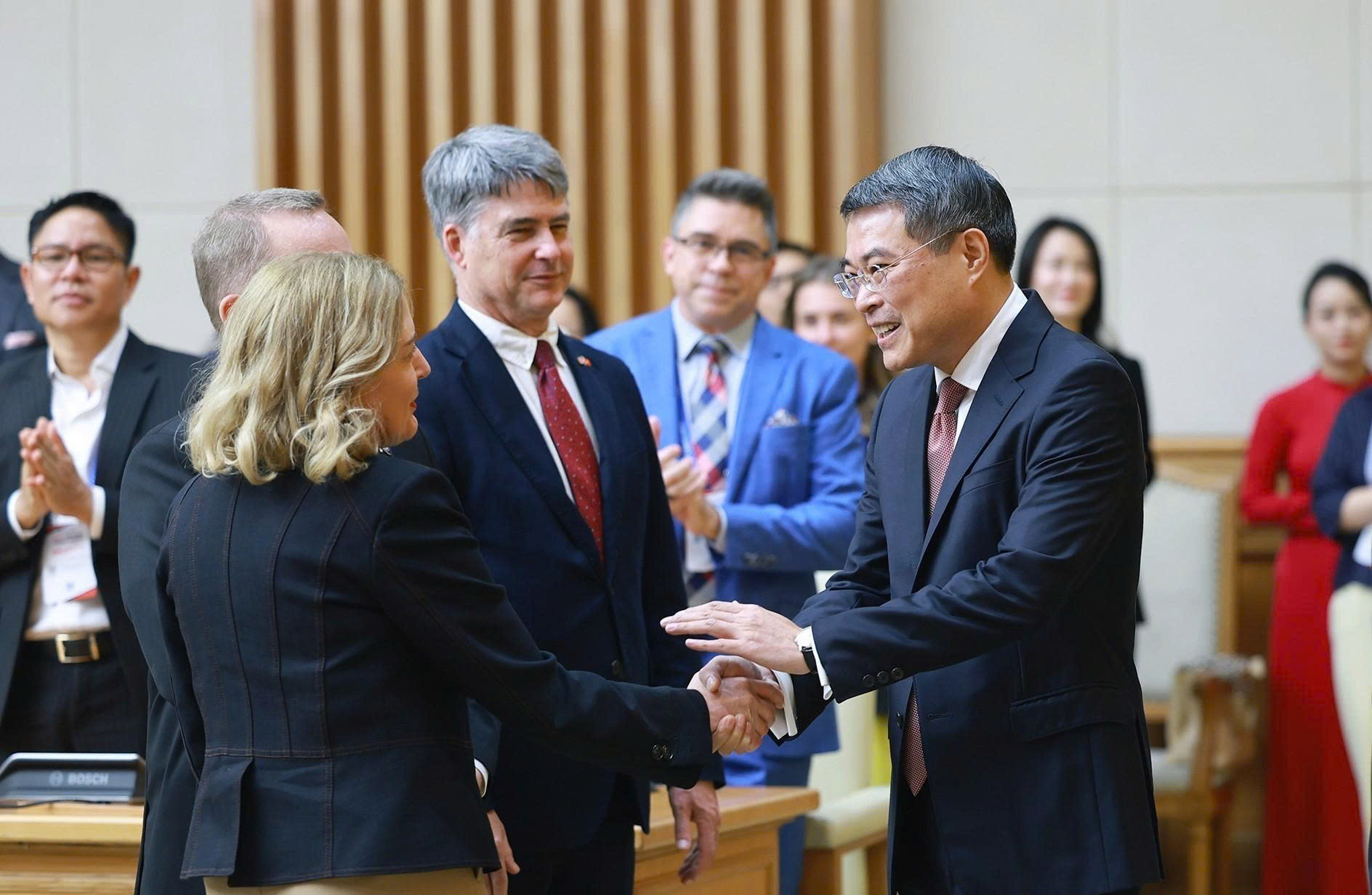
Prime Minister Le Minh Hung recently held meetings with 52 leading American businesses.
PHOTO: VNA
The director of a project management board under the Ministry of Construction expressed enthusiasm for the Prime Minister's call for emulation campaigns. In recent times, to meet the extremely stringent deadlines set by the Government for key national projects, project investors have continuously organized "campaigns" of 60-day, 120-day... sprints, boosting the morale of all contractors to work together to complete projects simultaneously. These campaigns have also given rise to many creative construction methods and new approaches, not only helping projects finish ahead of schedule but also creating a foundation for new projects to continue to thrive. Even completing a project just a few months early can significantly reduce costs for society and the participating businesses.
According to this expert, once a project reaches the implementation phase, its progress still depends 70% on the support and procedural facilitation from various levels, sectors, and localities, while only 30% is the actual construction on site. However, a project often involves many ministries and sectors, while regulations are often overlapping and procedures are difficult to resolve. Therefore, if all ministries and sectors wholeheartedly follow the Prime Minister's call and complete or exceed the registered targets, even the most difficult obstacles will be removed, and the benefits will be enormous.
"When Hanoi implements the 'green lane' for key projects or Ho Chi Minh City applies special mechanisms for urgent projects, those projects immediately move forward strongly."
Previously, the investment preparation phase for a project took 3 years; now it's completed in just 6 months to 1 year. It's estimated that with faster and more streamlined procedures, transportation infrastructure projects could boost GDP by 1.5 times. At the macro level, if all sectors compete to remove procedural barriers and create a transparent environment in all areas, achieving double-digit economic growth is entirely feasible. The Prime Minister is "breathing" new spirit and momentum into the government apparatus," this expert observed.
Saving money optimizes the efficiency of capital.
In addition to administrative reforms and the reduction of business conditions, the Prime Minister also requested a push to increase savings and combat waste, including saving at least 10% of recurrent expenditures in 2026 (equivalent to approximately 170,000 - 180,000 billion VND) to allocate more resources to priority tasks; and simultaneously saving energy, electricity, and fuel with specific quantitative targets to contribute to growth.
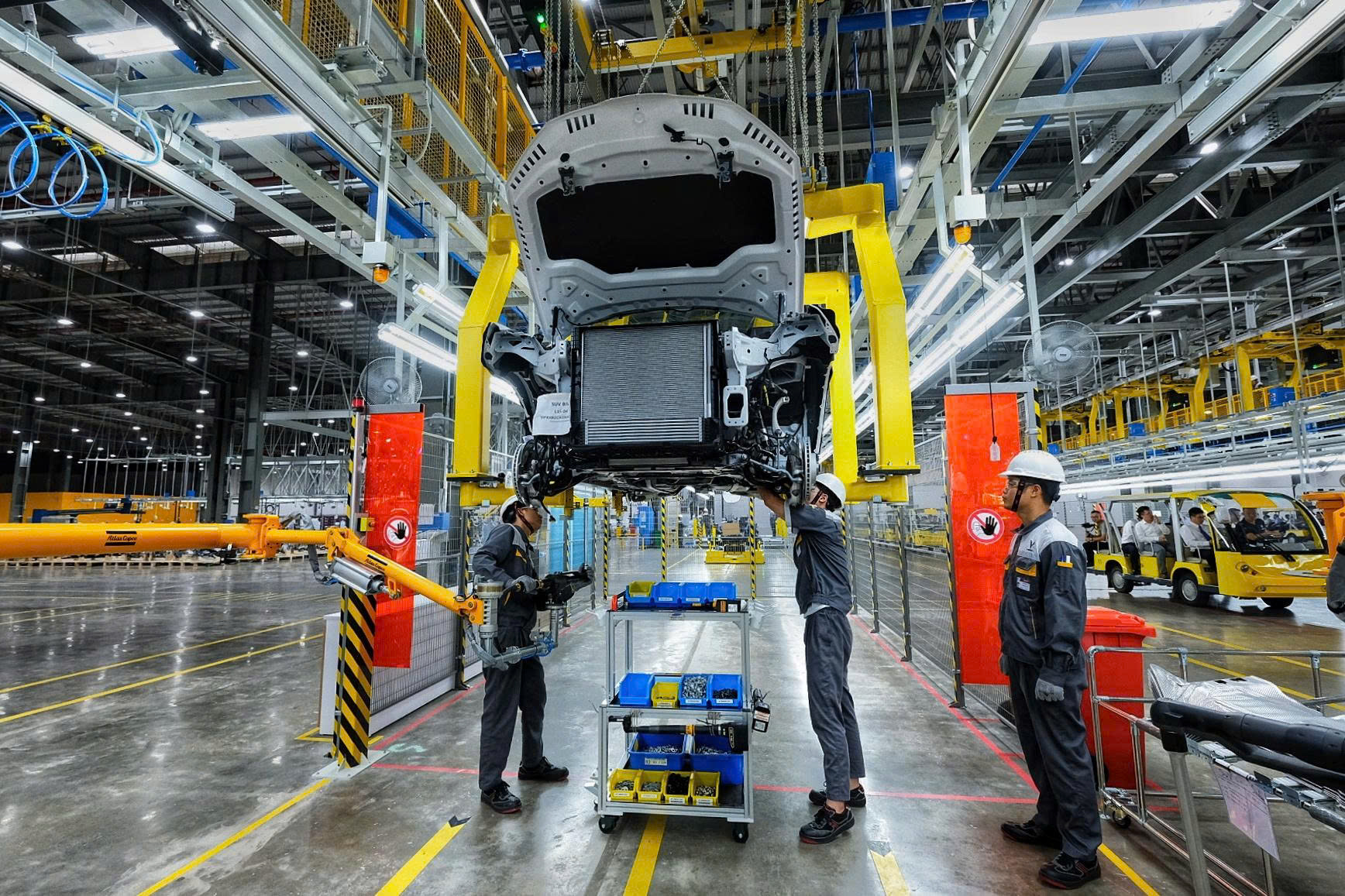
Institutional and administrative procedure reforms create a springboard for rapid and sustainable economic growth.
PHOTO: PHAM HUNG
The head of government emphasized that all levels, ministries, departments, and localities must practice frugality, and this is especially important in the current difficult circumstances when it comes to procurement, organizing conferences and seminars, and travel…
Professor Vo Xuan Vinh, Director of the Institute for Business Research at the University of Economics Ho Chi Minh City (UEH), emphasized that saving on expenditures is an immediate and continuous task in the operations of ministries, departments, and localities. Saving will allow resources to be invested in areas that generate higher growth, contributing to more sustainable and long-term development.
Mr. Vinh analyzed: In principle, economic growth (GDP) is calculated using the formula GDP = C + I + G + (X - M), where C is consumption, I is investment, G is government spending, M is imports, and X is exports. When government spending is reduced (correspondingly reducing G) and that resource is shifted to investment (increasing I), it will bring long-term benefits. In particular, increasing capital for investment in long-term development projects will have a very high spillover effect throughout the economy, promoting the growth of many sectors. This aligns with the goals set by the Party and Government: sustainable, substantive, and higher-quality growth. Furthermore, increased state investment will also encourage and promote private investment.
"Vietnamese people have a high savings rate, around 35-40% of their income. Therefore, it can be said that saving on recurrent expenditures by the Government will create an environment that encourages investment," Professor Vo Xuan Vinh observed.

Experts affirm that Vietnam possesses all the decisive factors to successfully achieve the nation's major goals.
SOURCE: SG
More specifically, Mr. Vinh stated that investment capital, along with other driving forces, has propelled Vietnam's economic growth to high levels in the region and the world. The economy is gradually shifting towards a more in-depth, expanding scale, inflation is controlled, and macroeconomic stability is maintained. With the central government's target of double-digit growth, the capital needs of the Vietnamese economy in the coming period will be large to very large. To generate 1 unit of GDP, Vietnam must invest approximately 6 units of capital (the ICOR coefficient of the Vietnamese economy in the period 2015-2024 is in the range of 5.8-6.42). The government's prioritization of resources for high-efficiency projects means that the ICOR coefficient must be low.
Therefore, ministries, sectors, and localities, in addition to practicing austerity, must also promote increased efficiency in capital utilization. Vietnam must strive to bring its ICOR coefficient to the level achieved by South Korea or Japan during their periods of rapid growth; at that point, Vietnam's GDP growth rate will be much higher. For example, Japan in the 1970s and South Korea in the 1980s, with the same goal of rapid growth and technological level as Vietnam today, had ICOR coefficients of only 2.5-3.
Awakening the nationwide aspiration to become wealthy.
Dr. Nguyen Viet Hung, former Head of the Department of Party Building and Ho Chi Minh Thought at the Ho Chi Minh City Academy of Cadres, assessed that the Prime Minister's call to action is spreading a competitive spirit towards achieving high results to every component of the political and state management apparatus. Notably, the tasks assigned by the Government to each ministry and sector are no longer based on the political will and subjective opinions of leaders as in previous periods, but are now quantified specifically. Every task has a clear timeframe, a defined growth rate, etc. This is the most significant characteristic of a technocratic model, managed by strong expertise, high professional skills, a vision of market trends, and the ability to analyze and evaluate resources.

The reformist spirit of the new government is igniting a strong desire for wealth and growth among the entire population and society.
PHOTO: VG
Mr. Nguyen Viet Hung also highly appreciated the approach of organizing and mobilizing resources through calls for emulation at all levels and in all sectors. "To launch the movement against hunger, illiteracy, and foreign invasion, President Ho Chi Minh, in his Call for Patriotic Emulation (June 1948), said: 'Emulation is patriotism, and patriotism requires emulation. And those who emulate are the most patriotic,'" Mr. Hung cited, adding that the President's call to action concretely awakened the resources within each individual and each class, allowing the potential within each component of the nation and people to be unleashed. This led to the story of Mr. Trinh Van Bo and Mrs. Hoang Thi Minh Ho's family donating 5,147 taels of gold; donating dozens of houses and properties… to support the government in its financial development.
"Prime Minister Le Minh Hung chose a traditional model that has proven effective, ensuring the entire system is prepared and ready to adapt immediately. However, he infused it with modernity, keeping pace with the world's modern governance models: the government leads, competes, and pioneers in building a transparent, fair, and straightforward state between the government and businesses and citizens. This is reflected in the demand for institutional reform, reduction of administrative procedures, and accountability. The aspirations of the leaders, along with the concrete actions of the government apparatus, will inspire confidence and inspire a desire for prosperity among the entire population, businesses, and society. When internal strength is unleashed, it will create immense power for robust economic development," commented Dr. Nguyen Viet Hung.
According to Mr. Hung, the demands for institutional reform, reduction of administrative procedures, and the creation of a transparent, open, and efficient investment environment not only immediately yielded results in investment growth during this period but also served as a test to filter the system. Competition inevitably leads to elimination. Those who perform poorly or those who are incompetent will be weeded out. This creates opportunities for talented individuals to be valued and fully utilize their abilities to contribute.
From every perspective, the institutional and procedural "revolution" is like "killing several birds with one stone," not only serving short-term growth goals but also building a solid foundation for strong, substantive, and sustainable economic development in the new era.
In the past, President Ho Chi Minh rallied the entire nation to contribute their efforts, labor, and resources to building and developing the country thanks to three factors: firstly, the sacred and noble ideal for the nation – from a colonized country to a nation with a name on the world map; secondly, faith in the leader – a great leader who inspired the people to follow; and thirdly, the hope of creating a better future for future generations. Now, our country is brimming with aspirations for progress; our people have faith in the government apparatus and high expectations for the new leadership; and hope for future generations is also being nurtured. It can be said that this is the moment when all the decisive factors are converging for Vietnam to successfully achieve its great national goals.
Dr. Nguyen Viet Hung, former Head of the Department of Party Building and Ho Chi Minh Thought, Ho Chi Minh City Academy of Cadres.
Working together to perform our duties well will build trust among the people.
A series of resolutions and policies issued by the Central Committee, with specific tasks, have affirmed the determination to build a high-growth Vietnamese economy. Ministries, sectors, and localities need to work together to effectively implement these tasks with clearly quantified targets, from reducing administrative procedures to saving costs… This will also contribute to promoting the improvement of the investment and business environment, creating confidence among the people and businesses, and working towards the goal of making Vietnam a high-income country.
Professor Vo Xuan Vinh, Director of the Institute of Business Research, University of Economics Ho Chi Minh City.
Source: https://thanhnien.vn/don-suc-cho-tang-truong-cao-18526041821442275.htm































































































Comment (0)