

Rapid growth, widespread impact.
- Sir, how do you assess the role of MICE tourism in the current growth of our country's tourism industry?
- It can be said that MICE tourism is becoming one of the strategic segments of the tourism industry in the new era. This is not just a purely tourism activity, but a comprehensive economic sector with a huge ripple effect on trade, investment, transportation, accommodation, services, and national image promotion.
According to data from the Vietnam National Tourism Administration, in 2025, total tourism revenue nationwide will reach approximately 1 trillion VND for the first time, with the MICE market alone contributing about 150,000 billion VND (approximately 6 billion USD). From 2026 to 2030, this segment is projected to grow by 12-15% annually. This is a very noteworthy growth rate considering the fierce competition in the region.
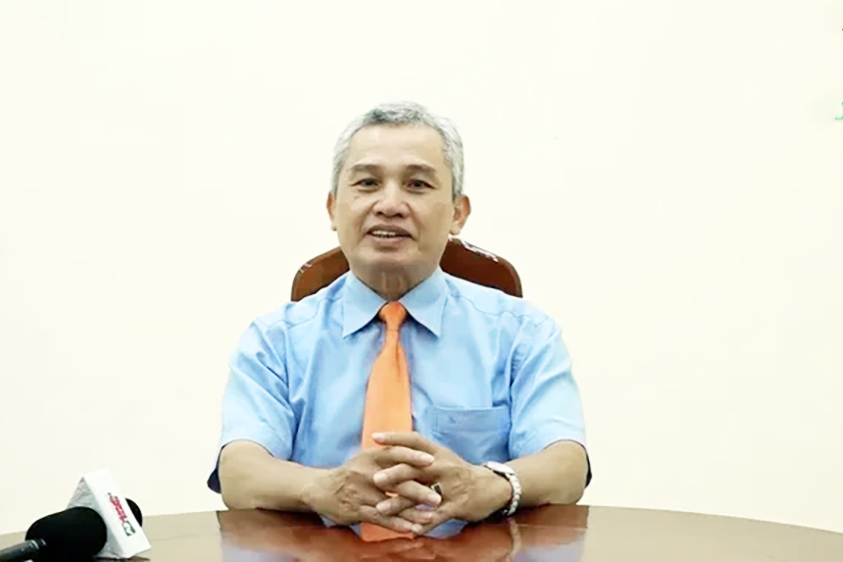
A distinctive feature of MICE (Meetings, Incentives, Conferences, and Exhibitions) tourists is their significantly higher spending compared to regular tourists. They not only utilize high-end accommodation but also demand conference services, fine dining , shopping, entertainment, post-event sightseeing, and specialized experiential services. Therefore, if properly exploited, MICE tourism can become a driving force for improving the quality of growth in the entire tourism industry.
But Many localities are implementing strong support policies to attract MICE (Meetings, Incentives, Conferences, and Exhibitions) tourists. How do you view this trend?
- I believe this is a positive sign, showing that localities have begun to view MICE as a "strategic market" rather than just a supplementary product.
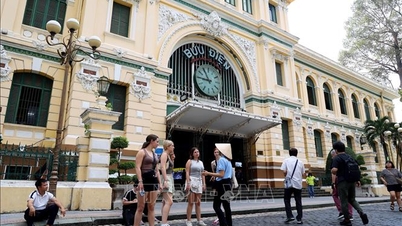
In recent times, Ho Chi Minh City and Da Nang have been two leading localities in developing specific policies for MICE (Meetings, Incentives, Conferences, and Exhibitions). For example, Ho Chi Minh City recently issued Resolution No. 62/2025/NQ-HĐND with many specific support mechanisms such as subsidies for hall rental costs, entrance tickets, organizing welcoming art programs, or souvenir gifts for large delegations.
According to the Resolution, travel agencies and event organizers directly bringing tourists to Ho Chi Minh City will receive support ranging from 15-25% of entrance fees, up to a maximum of 20 million VND per group; support of 15-30% of hall and meeting room rental costs, up to a maximum of 20 million VND per group. Additionally, they will receive a 20% subsidy on the cost of organizing welcoming art programs, up to a maximum of 10 million VND per program. Tourist groups will also receive souvenir gifts worth 1 million VND.
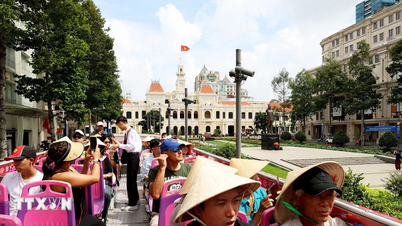
The initial results are quite evident. In early May 2026, Ho Chi Minh City welcomed a group of nearly 900 international guests from Allianz Indonesia. This demonstrates that with appropriate policies and a good service ecosystem, Vietnam is fully capable of competing to attract large-scale MICE (Meetings, Incentives, Conferences, and Exhibitions) groups.
Meanwhile, Da Nang continues to demonstrate its proactive approach by implementing the "Da Nang - Elevating the MICE Tourism Experience" program in 2026. The city is not only expanding the scope of support but also aiming to build a professional MICE ecosystem, from standardizing services to developing unique products such as conferences combined with resorts, team building, cultural and culinary experiences, and Central Vietnam heritage.
Notably, the mindset of localities regarding MICE (Meetings, Incentives, Conferences, and Exhibitions) is shifting from "attracting through price" to "retaining through experience and quality of service." This is the right direction.
A national strategy and a coordinating "conductor" are needed.
However, in your opinion, what are the biggest obstacles preventing MICE from reaching its full potential?
- The biggest bottleneck remains specialized infrastructure and market organization capacity. Vietnam currently has many high-end hotels and resorts, but lacks large-scale exhibition and conference centers that integrate modern technology and operate seamlessly. When international corporations need to organize events for thousands of people combined with product exhibitions, they often prioritize Bangkok or Singapore because those locations have self-contained MICE complexes with convenient connections between air travel, accommodation, conferences, and entertainment.
Furthermore, the links between the various components of the MICE value chain in our country remain fragmented. The significant fluctuations in domestic airfares recently are a prime example, increasing the cost of organizing MICE tours and directly impacting the competitiveness of businesses.
Another issue is that MICE (Meetings, Incentives, Conferences, and Exhibitions) activities are currently concentrated in a few major cities. Meanwhile, regions like the Mekong Delta and the South Central Coast have great potential for "green MICE" and eco-friendly MICE, but are limited in terms of transportation infrastructure and professional event organizing capacity.
- In your opinion, what needs to be done to make MICE (Meetings, Incentives, Conferences, and Exhibitions) truly a new growth engine for the tourism industry?
- To move from "potential" to "breakthrough," three major groups of solutions need to be implemented simultaneously.
First and foremost, a national strategy for MICE tourism development needs to be established, with a dedicated agency capable of coordinating, promoting, and bidding on major international events. Thailand has TCEB, Singapore has its "Global Hub" model, while Vietnam currently lacks a "conductor" to lead this entire ecosystem.
Simultaneously, there must be a focus on investing in large-scale MICE complexes linked to modern transportation infrastructure. The government needs stronger incentive mechanisms to attract private investment into exhibition and conference centers, while also accelerating the progress of airport, highway, and inter-regional logistics projects.
At the same time, there is a strong need to shift towards competing through unique experiences and sustainable development. The current global trend places great importance on green MICE, reduced emissions, and local cultural values. Vietnam has significant advantages in heritage, cuisine, ecology, and regional culture. If we know how to professionally integrate these elements into MICE products, we will create a huge difference compared to other destinations in the region.
I believe the future of MICE in Vietnam lies not in competing on price, but in the ability to create high-class, distinctive experiences that reflect Vietnamese culture.
Thank you, sir!
Source: https://daibieunhandan.vn/du-lich-mice-truc-co-hoi-but-pha-10417937.html
























































































Comment (0)