


Prioritize short, flexible itineraries.
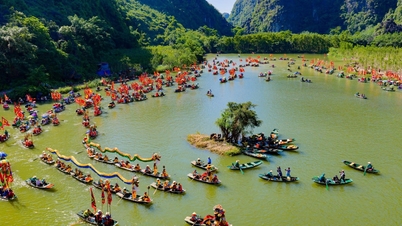
According to travel agencies, in the domestic market, tourists tend to prioritize short trips to nearby destinations that are easily accessible by private vehicle. Ms. Nguyen Thu Phuong from Indochina Pride Travel Co., Ltd. stated that the prominent trend among domestic tourists is choosing nearby destinations. Short trips from Hanoi to neighboring areas such as Hoa Binh, Moc Chau, Ninh Binh, and Quang Ninh are becoming increasingly popular. The main reason is the high cost of airfare, which has led many families to reconsider and cut back on expenses. Instead of long journeys, tourists prioritize destinations that can be reached by car, saving money and allowing for more control over their time.
Not only have destinations changed, but the way trips are organized has also shifted significantly. According to Ms. Trinh Thu Huong, Director of HappySmiles Vietnam Travel Co., Ltd., more and more domestic tourists are choosing independent travel , driving themselves and booking services online, instead of buying all-inclusive tours from travel companies. Familiar destinations like Phu Quoc and Nha Trang still maintain their appeal, but most tourists choose to design their own itineraries, even undertaking long trips across Vietnam. Meanwhile, for those traveling on organized tours, the trend of overseas travel is on the rise.

According to business representatives, for some customer segments, the cost of overseas travel is currently considered reasonable, even more competitive than domestic travel. In the mid-range segment, nearby destinations like China and Thailand are popular due to their affordable prices, while high-spending customers continue to choose more distant markets such as Europe and Australia.
However, international tourism has also been significantly impacted by external factors. Increased operating costs due to fuel prices, along with geopolitical instability in some regions of the world, have affected tourist sentiment. Tensions in the Middle East have led to restrictions on many flight routes, forcing businesses to adjust or completely cancel some itineraries, especially tours to that region.
Conversely, the inbound tourism sector is also facing many difficulties. Ms. Trinh Thu Huong stated that the number of international visitors to Vietnam has decreased compared to the same period last year, due to flight restrictions and risk aversion. Particularly in Asian markets, which tend to book short-term services, the decline is evident, with a significant drop in tour booking requests to the company.
Experiential and creative tourism is on the rise.

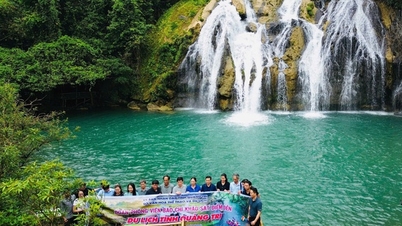
However, amidst these challenges, experiential and creative tourism have emerged as bright spots. According to businesses, instead of choosing traditional destinations like Hanoi, Ha Long, Ninh Binh, or Sa Pa, international tourists are increasingly seeking out new locations in the Northeast and Northwest regions such as Ha Giang, Cao Bang, Bac Kan, Lao Cai, Dien Bien, or exploring destinations in Central Vietnam like Quang Binh.
Adventure-based tourism products that explore and connect with local experiences are becoming increasingly popular, gradually replacing purely relaxing resort tours. This trend reflects tourists' need for more profound, unique, and highly personalized experiences.
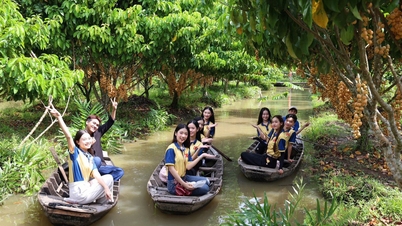
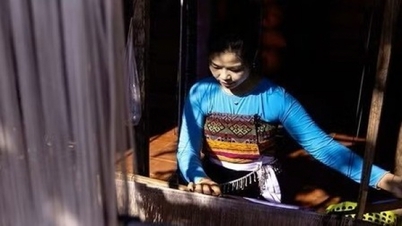
Creative tourism is not only attractive to international tourists, but it is also strongly appealing to the domestic market, especially families with young children. Many parents are willing to pay for activities that help children learn about culture and develop skills through hands-on experiences such as baking, weaving, and participating in community activities.
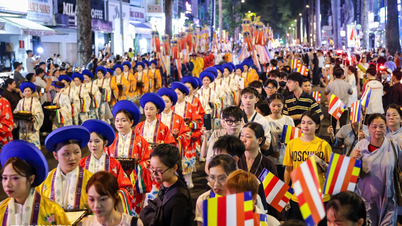
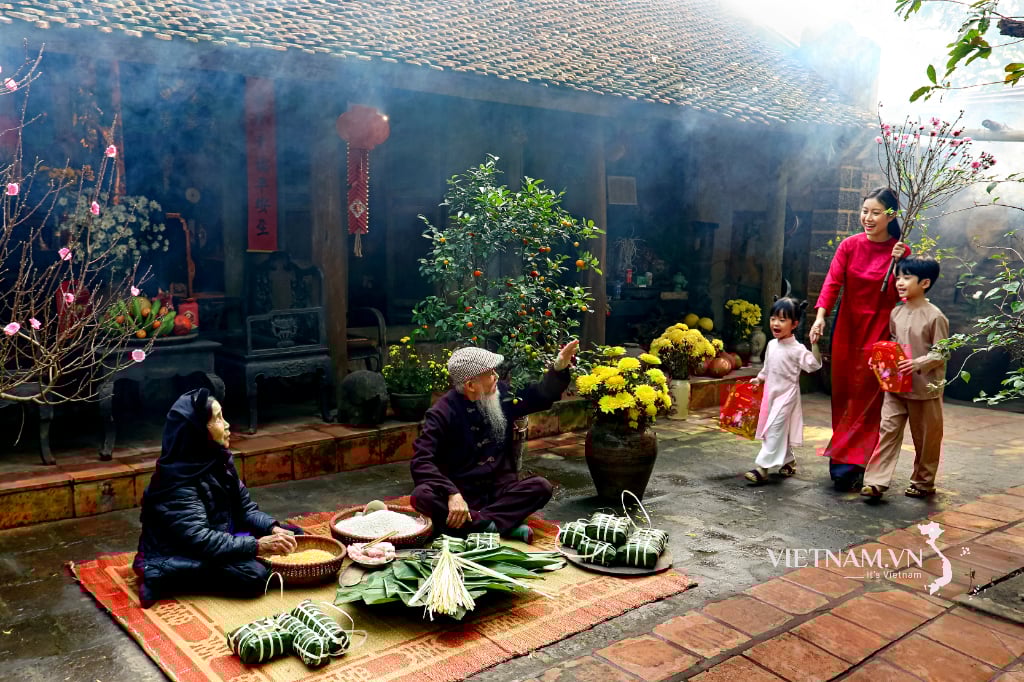
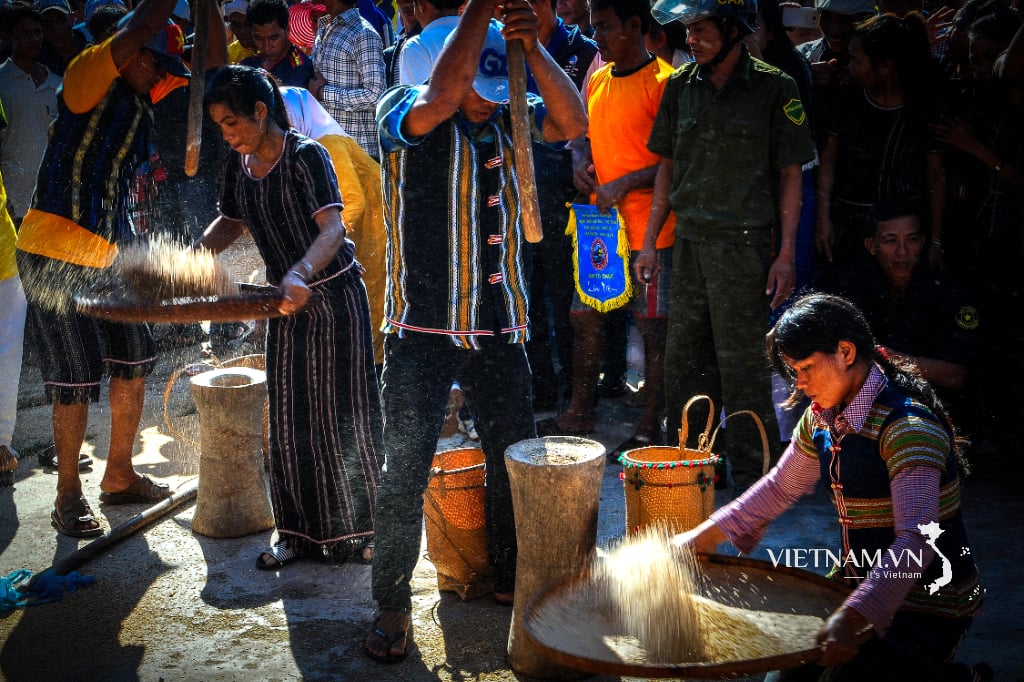
Notably, innovative tourism models linked to local identity are increasingly developing. Nguyen Cong Tinh, the owner of a homestay in Moc Chau, shared that tourists really enjoy participating in activities such as beeswax painting, pounding rice cakes, wrapping traditional cakes, learning papermaking, or harvesting agricultural products like plums and oranges. These activities offer unique value and allow them to "connect" with local culture, rather than simply sightseeing. This is also a particularly attractive factor for international tourists, providing experiences completely different from the culture in their own countries.
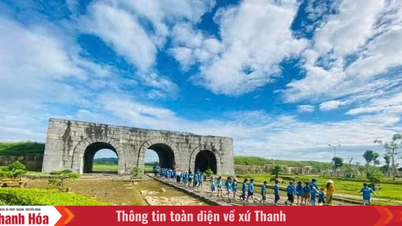
According to experts, the global tourism industry has recently witnessed a clear shift from a traditional model to an innovative tourism model, in which the visitor experience, the participation of local communities, and the uniqueness of the destination are core elements. In Vietnam, this trend is also gradually becoming inevitable as the tourism industry needs to diversify its products and improve service quality to increase competitiveness. Vietnam's tourism development strategy until 2030 also emphasizes the goal of developing tourism sustainably, harmonizing economic growth with the preservation of cultural heritage, environmental protection, and improving the lives of local people.

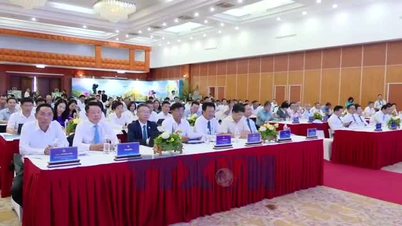
According to Associate Professor, Dr. Pham Trung Luong (Vietnam Tourism Training Association), the connection and interaction with local communities in exploring and experiencing local culture, as well as learning and developing one's own creativity, is what makes "creative tourism" so attractive.
Tourists gain the fullest experience of local culture by connecting with the community, directly participating in educational activities, creating art, producing handicrafts, or attending cultural and artistic performances with the locals. This will contribute to extending the length of stay, increasing the average spending of tourists; creating more job opportunities, and increasing income for the community, directly benefiting local people and households.
Associate Professor, Dr. Pham Trung Luong argues that one of the limitations of Vietnamese tourism, especially in the North, is its "seasonality." "Creative tourism" is a type of tourism where activities are not dependent on seasonality. Tourists can participate and interact with local communities to learn from their experiences and experience cultural identity at any time. Therefore, developing "creative tourism" will reduce the impact of "seasonality" on tourism activities.
After more than 30 years of development, Vietnam's tourism industry has achieved many successes but still faces limitations in terms of efficiency, tourist spending levels, and return rates. Creative tourism is seen as a potential direction to help overcome these shortcomings.
Some experts believe that, in the context of rising travel costs and a volatile market, the tourism industry needs to flexibly adjust its products, promoting experiential and personalized offerings to adapt to new demands. The trend of combining relaxation with exploring local culture is predicted to continue to grow strongly in the coming time. This is not only a direction that suits tourist preferences but also contributes to the effective exploitation of tourism resources in localities, preserving cultural identity, and creating sustainable livelihoods for local communities.
Source: https://baotintuc.vn/du-lich/du-lich-viet-nam-2026-thich-ung-de-but-pha-20260329101954873.htm




















































































Comment (0)