

In its development plan for 2026, Lao Cai province identifies "green" and sustainable tourism as a consistent requirement. This journey does not begin with large-scale projects but is formed from small changes in the awareness and actions of the people – the "subjects" of the destination.
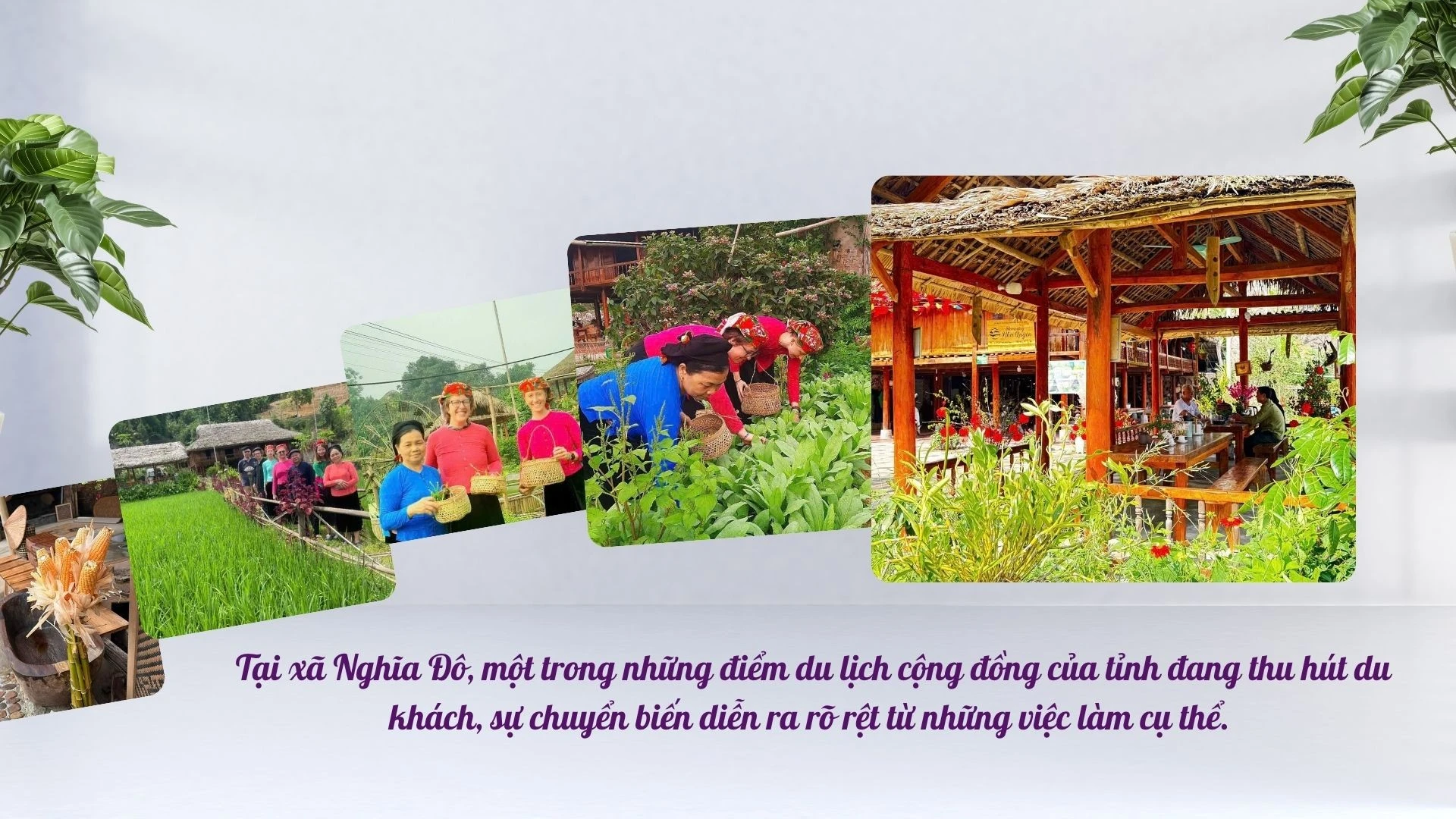
In Nghia Do commune, one of the province's community tourism destinations attracting visitors, a noticeable transformation is evident through concrete actions. Previously, the use of plastic bags and single-use plastic items was common in daily life and in serving guests, but now many households have proactively replaced them with environmentally friendly items such as bamboo baskets, glass bottles, and paper straws.
Ms. Luong Thi Quyen's family in Hon village started their tourism business in 2021. In her homestay, Ms. Quyen has gradually changed its operations towards being environmentally friendly, such as: minimizing the use of single-use plastics, sorting waste, saving electricity and water, and using natural materials in daily life and decoration.
"Initially, there were some inconveniences, but we gradually got used to it. Guests find the space clean and close to nature, so they really like it. I also feel reassured because I'm not affecting the living environment," Ms. Quyen shared.
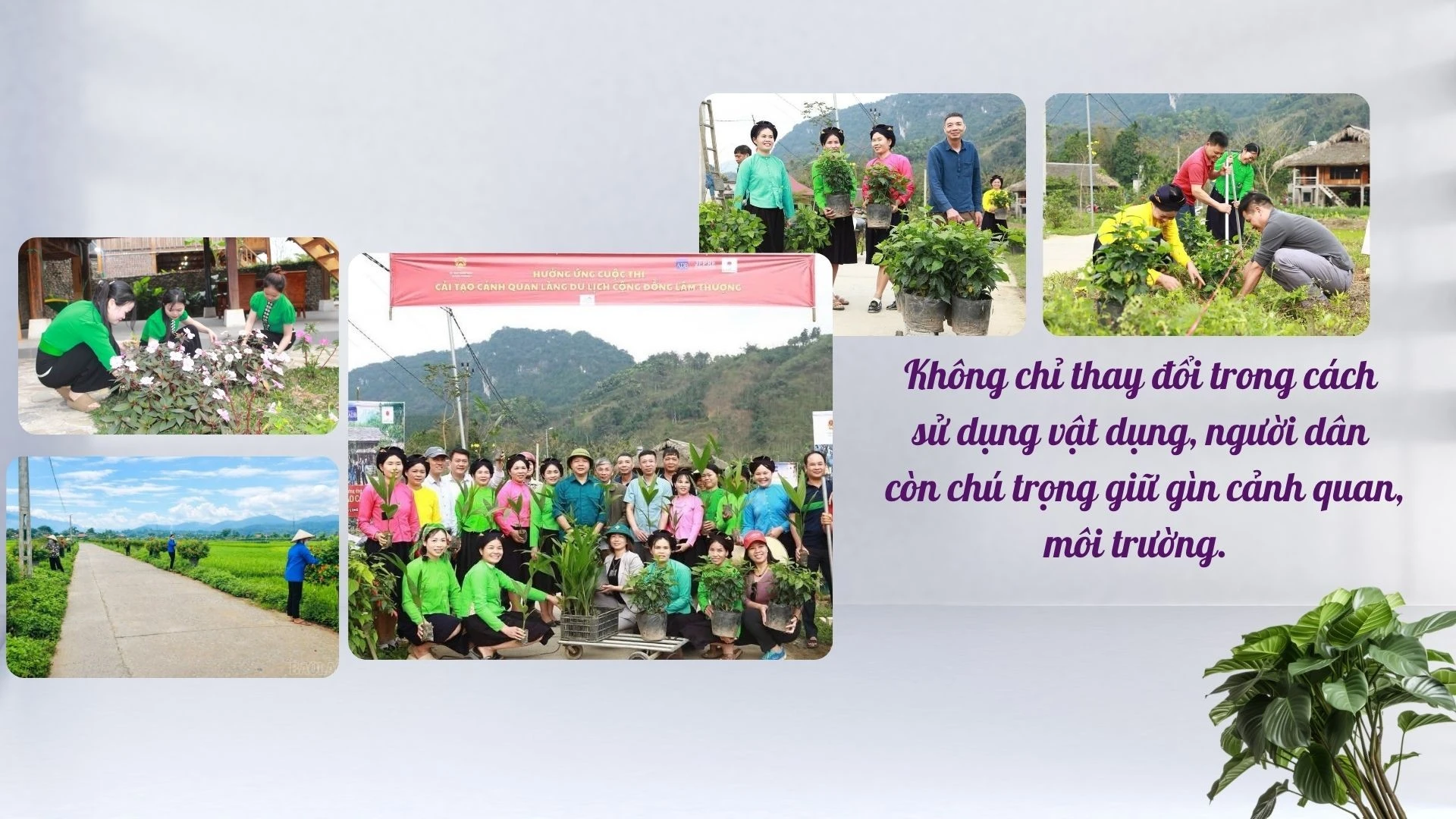
Not only have the ways of using materials changed, but the people here also focus on preserving the landscape. The roads leading into the villages are regularly cleaned, waste is sorted, and many households plant more flowers and trees around their homes to create a friendly and attractive space for tourists. These small actions are contributing to a new look for this destination.
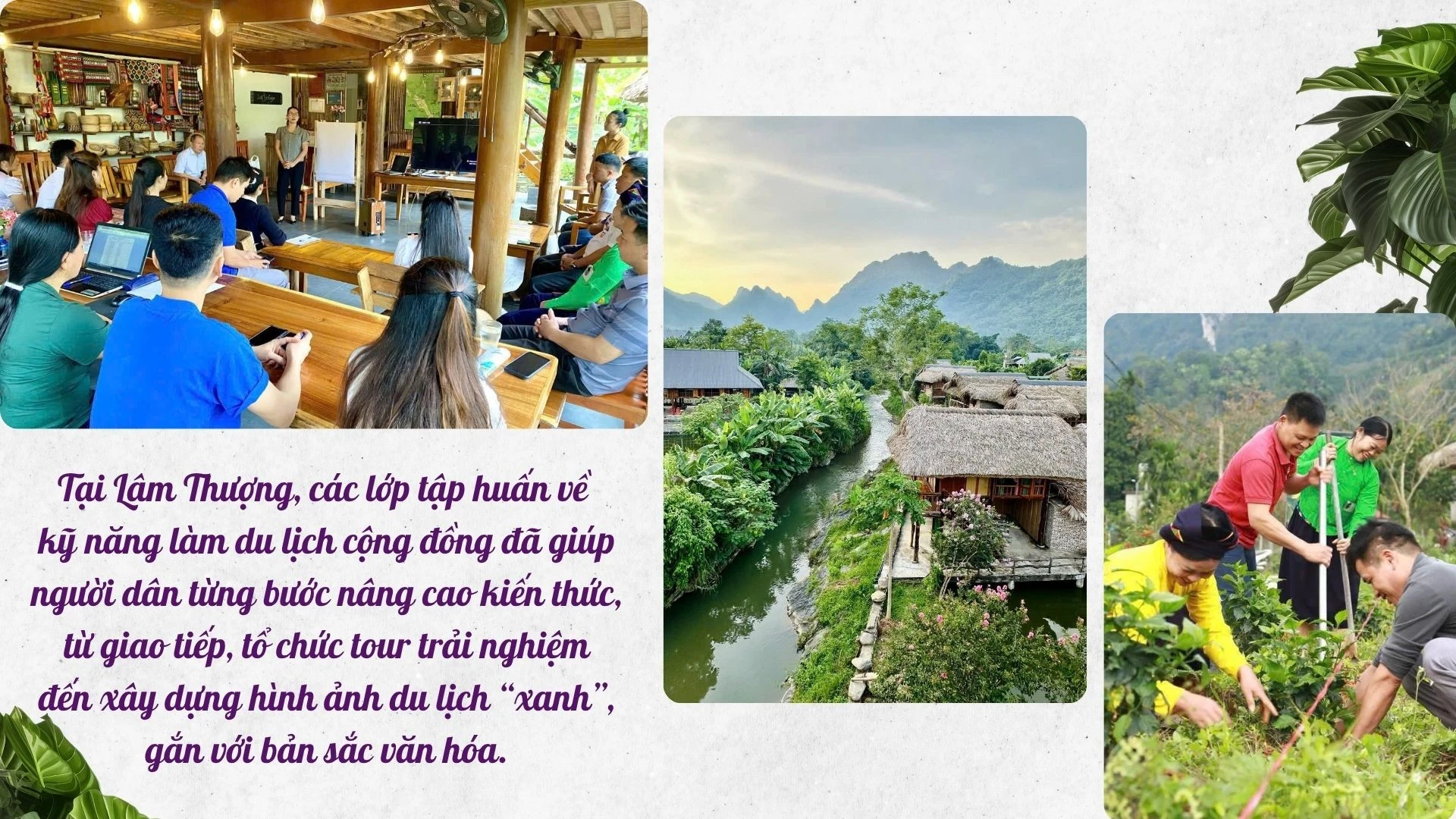
In the mountainous commune of Lam Thuong, there are also positive changes in the way tourism is developed. Previously, activities serving tourists were largely spontaneous, but now the "green" and "sustainable" aspects are receiving more attention from the local people.
Ms. Hoang Thi Xoi, owner of Xoi Farmsay homestay, said: “Tourists come here to admire the scenery, but they are also very concerned about the environment and living space. If the village is not clean and beautiful, and does not preserve its natural features, it will be difficult to retain them.”
This awareness didn't come naturally, but is the result of the awareness campaigns and training programs implemented over the past period. In Lam Thuong, training courses on community tourism skills have helped people gradually improve their knowledge, from communication and organizing experiential tours to building a "green" tourism image associated with cultural identity.
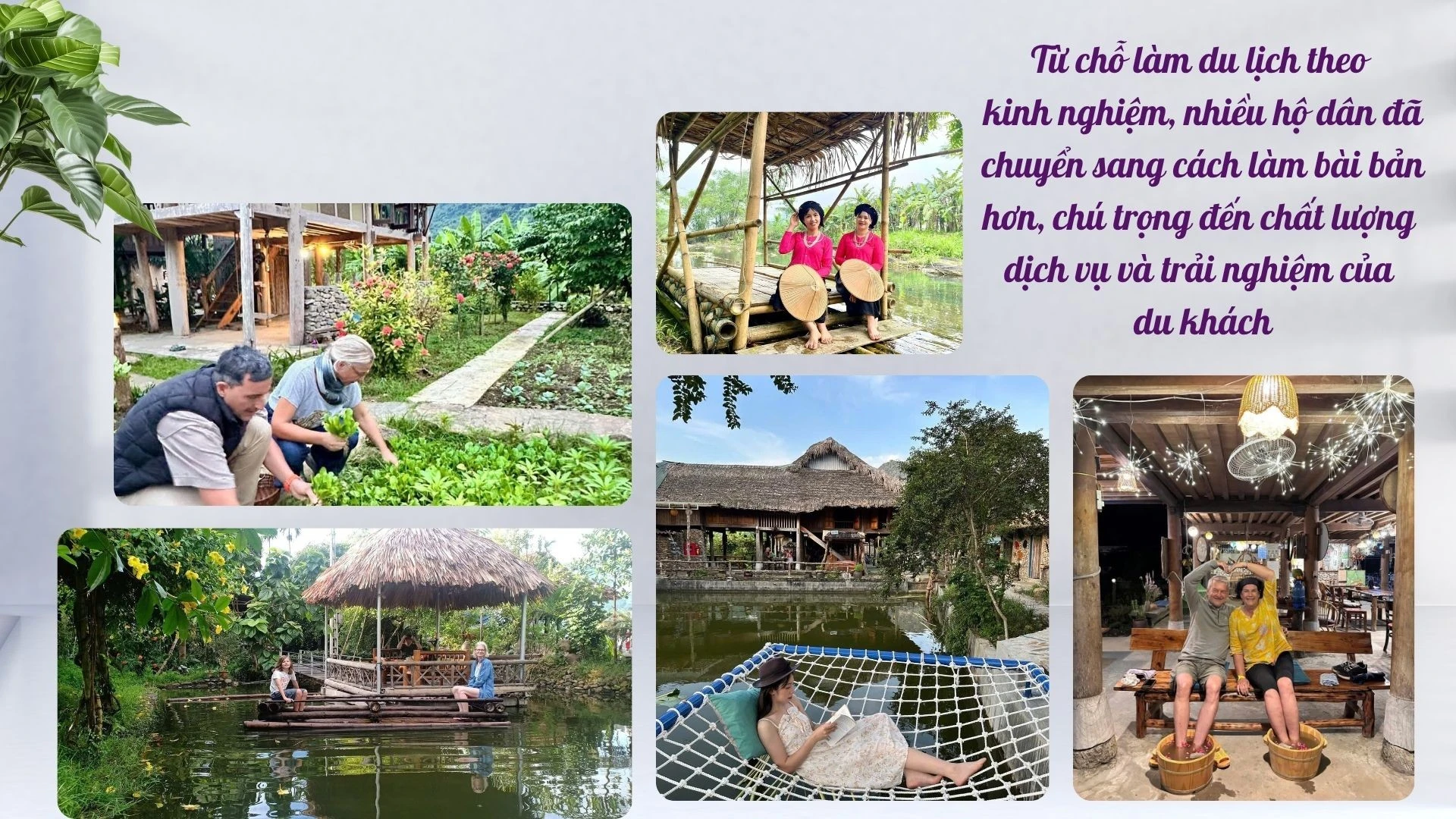
From engaging in tourism based on experience, many households have shifted to a more systematic approach, focusing on service quality and visitor experiences, especially those connected with nature and local life.
According to the province's guidelines, "green" tourism is not just about minimizing waste or preserving the landscape, but also about preserving and promoting traditional cultural values. This is demonstrated through the development of tourism products with unique characteristics, such as brocade weaving, agricultural activities, and participation in folk festivals.
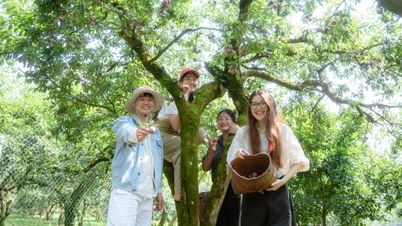
These experiences are increasingly well-organized, providing visitors with an authentic feel. After his stay at Xoi Farmsay in Lam Thuong commune, Leon, a tourist from Germany, shared: “What impressed me was the natural beauty and how the locals preserve the environment. The space here is clean, the air is fresh, and it's very peaceful.”
However, the journey towards developing "green" tourism is not always smooth. A major obstacle is the lifestyle habits of the local people, especially the use of plastic and improper waste disposal. In some areas, change is uneven, largely depending on the awareness of individual households. Furthermore, the awareness of some tourists is also a concern. The indiscriminate littering and use of single-use plastic significantly impact the living environment at tourist destinations.
This reality shows that "green" tourism is not just a matter for local people, but requires the joint efforts of both tourists and businesses. Small actions such as not littering, limiting plastic use, and respecting local cultural spaces all contribute significantly to preserving the beauty of the destination.
From a management perspective, Lao Cai is also gradually improving criteria and policies to encourage the development of environmentally friendly tourism, while raising community awareness. Campaigns such as "Destinations Free of Single-Use Plastic Waste" are being implemented in many tourist areas and sites, initially yielding positive results. In places that do a good job of environmental protection, the number of returning tourists tends to increase significantly. This confirms that "green" tourism is not only an essential requirement but also a direction that brings long-term value.
The goal of making tourism a key economic sector of the province will be difficult to achieve if the environment is damaged and cultural identity is eroded. In this journey, the role of the people is crucial and decisive in protecting the environment and preserving cultural identity in the sustainable development of tourism.
Green tourism doesn't start with grand gestures, but with small changes in daily life. These changes are gradually creating a sustainable path forward.
Source: https://baolaocai.vn/du-lich-xanh-bat-dau-tu-nhung-thay-doi-nho-post898793.html































































































Comment (0)