


Policy breakthroughs and the "open gateway" effect
Vietnam's decision to expand the scope of electronic visas (E-visas) for foreign citizens at 41 international border gates, including air, land and sea, is a strategic policy breakthrough, reflecting the Government's strong determination to reform administrative procedures and improve national competitiveness. This is considered a strong transformation from the "restricted gateway" model to an "open gateway", promptly responding to the integration trend and post-pandemic economic recovery requirements.
This decision, which is concretized through resolutions and instructions of the Government, is not simply adding a few destinations to the list, but a clear declaration of Vietnam's welcome to international tourists and investors. Previously, the limitation on the number of border gates allowing entry by E-visa created significant barriers and inconveniences, especially for tourists who want to explore regions that are not yet major tourist centers.
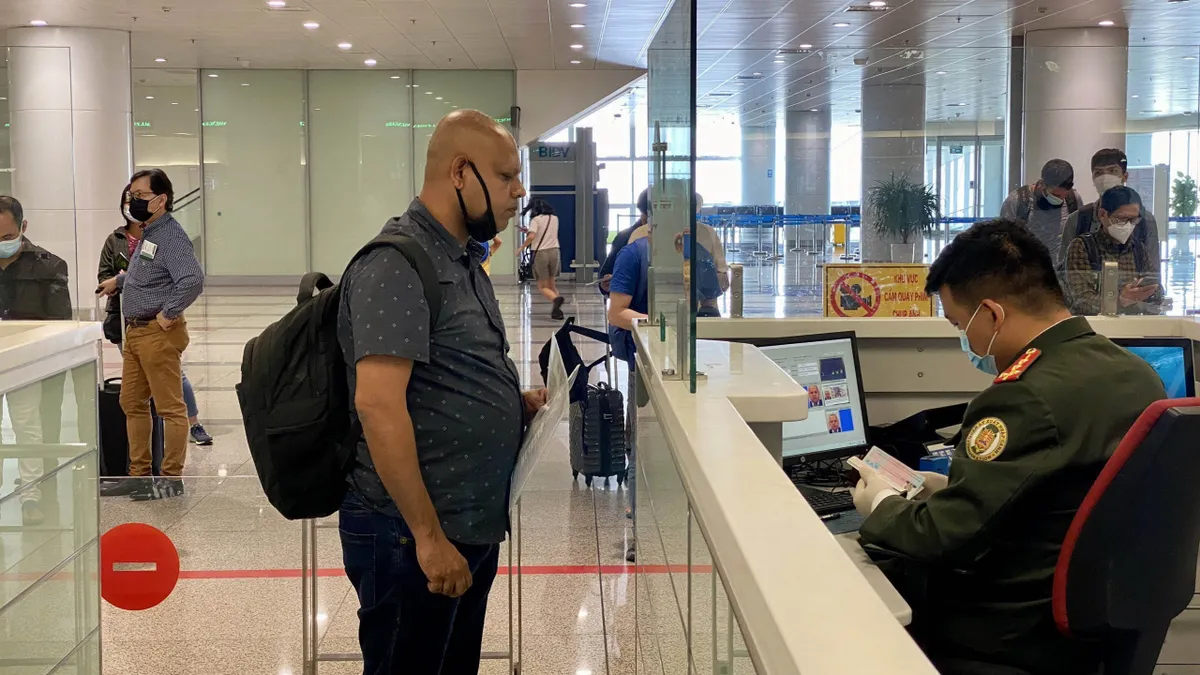
When E-visa is widely applied, visitors can complete the entire process online, quickly and transparently.
According to economic experts, the expansion of the E-visa border gate system has created a strong ripple effect in many fields, from tourism, investment to administrative reform, contributing to strengthening the image of a more open and modern Vietnam in the eyes of international friends.
For the tourism industry, convenience in immigration procedures is always a decisive factor. When E-visa is widely applied, visitors can complete the entire process online, quickly and transparently, minimizing waiting time at the airport or border gate. This not only helps increase the number of international visitors but also creates conditions for distributing visitors to many emerging localities, places with great potential but lacking convenient connections. Many businesses consider this an important "push" for Vietnam's tourism to recover and make a breakthrough.
In the field of attracting foreign investment, E-visa also creates a significant competitive advantage. Investors and international experts who frequently travel to survey and supervise projects will be maximally supported when entry procedures become easier, especially at border gates near industrial zones. Saving time and travel costs contributes to strengthening the image of a friendly and flexible investment environment, helping Vietnam stand firm in regional competition in terms of quality of administrative services.
From the perspective of state management, the expansion of E-visa marks an important step forward in the digital transformation of immigration procedures. The gradual replacement of the traditional paper-based document management model with a data and technology platform helps improve operational efficiency, increase transparency and strengthen the ability to control border security in a smarter way. This is also the foundation for building a modern, synchronous management system and serving people and businesses better and better.
In particular, economic experts agree that the expanded E-visa policy is a powerful "lever", not only aiming at the short-term goal of increasing the number of visitors but also towards the long-term goal of repositioning Vietnam as a leading open, modern and convenient destination in the region.
Synchronizing technology infrastructure and human resources, towards smart borders
The expansion of the E-visa policy to 41 international border gates is a success in terms of policy issuance, but the biggest challenge now lies in the problem of synchronizing technical infrastructure and improving the quality of immigration services at all these points. If the policy goes ahead but the infrastructure does not keep up, the actual effectiveness will be significantly reduced.

The expansion of E-visa marks an important step in the digital transformation of immigration procedures.
The nationwide implementation of E-visa requires the IT systems at border gates, from major international airports to smaller road checkpoints, to operate stably and smoothly. Even a small technical problem can cause congestion, disrupt the process of receiving international visitors and directly affect the effectiveness of the policy.
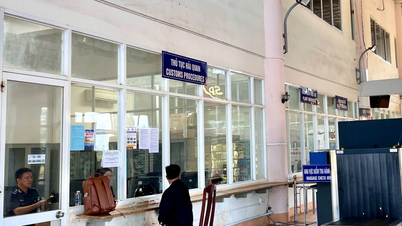
Along with the technological requirements, the human factor also plays a crucial role. Border guards and customs officers at border gates need to be fully equipped with the skills to use electronic devices, understand the E-visa process and have a professional communication style.
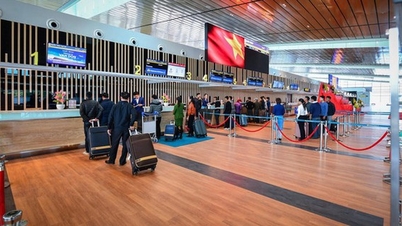
According to many international travel businesses, the first experience of tourists at the immigration area is the most important "touch point", shaping the impression of the friendliness and modernity of the destination.
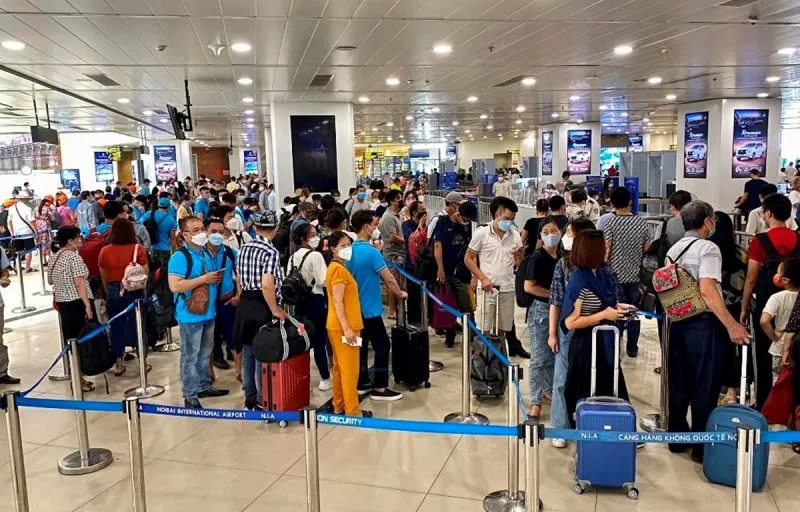
A visitor's first experience at immigration is the most important "touch point"
In the trend of globalization, countries are promoting the construction of smart border models. The expansion of E-visa therefore does not stop at procedural reform, but also creates a foundation for Vietnam to move towards many new breakthroughs.
One of the expected directions is to develop an automatic control gate system at major airports, allowing people with electronic documents to carry out procedures themselves without direct contact with control officers. This is a solution that helps to significantly shorten processing time and increase service capacity during peak periods.
Along with that, integrating online payment methods for all fees and services related to immigration will contribute to completing the digital public service chain, creating maximum convenience for people and businesses. When data between ministries and branches is connected, from security, customs to tourism - a modern management ecosystem will be formed, better supporting economic management and development.
The tourism and aviation business community expects that the processing time for documents can be further shortened in the coming time, while expanding the scope of application to key markets, moving towards more open policies. The combination of procedural reform and synchronous digital transformation is considered the key for Vietnam to accelerate attracting tourists and investors, creating a competitive advantage in the region. This is an inevitable change, but also requires systematic and continuous investment to turn the potential of the policy into practical effectiveness, making practical contributions to economic growth and enhancing the national image./.
Source: https://vtv.vn/e-visa-tai-41-cua-khau-buoc-tien-lon-sang-cua-ngo-mo-cho-du-lich-va-dau-tu-100251205221823744.htm
















































































Comment (0)