

 |
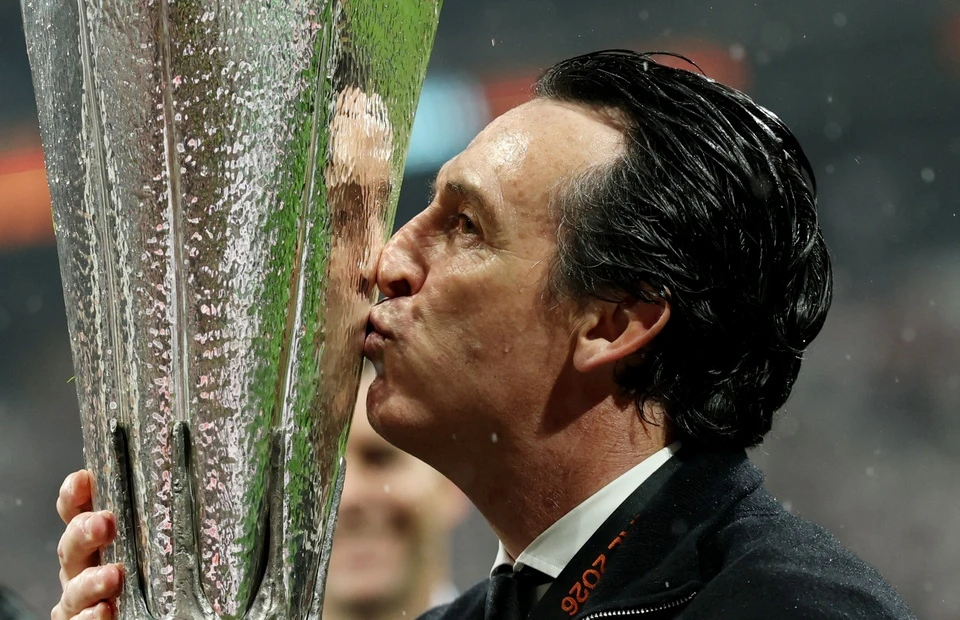
Emery has no rivals in the Europa League. |
Some coaches are defined by their football philosophy, others are remembered for their titles. But with Unai Emery, the Europa League has almost become a playground of its own. Here, he has redefined how people view this competition.
If the Europa League had to be called by a different name, many would jokingly say "Emery's tournament." Six finals and four titles are enough to make the Basque strategist the greatest icon in the history of the competition.
The Europa League was made for Emery.
Emery built an empire at Sevilla with three consecutive league titles, transforming a mid-table European team into the king of the Europa League. This was followed by victories with Villarreal, before his journey continued with Aston Villa.
The Europa League isn't a playground for superstars worth hundreds of millions of euros, but rather a tournament for teams nearing the top. They're strong enough to compete, but not yet perfect enough to dominate. And it is in that niche that Emery becomes a master.
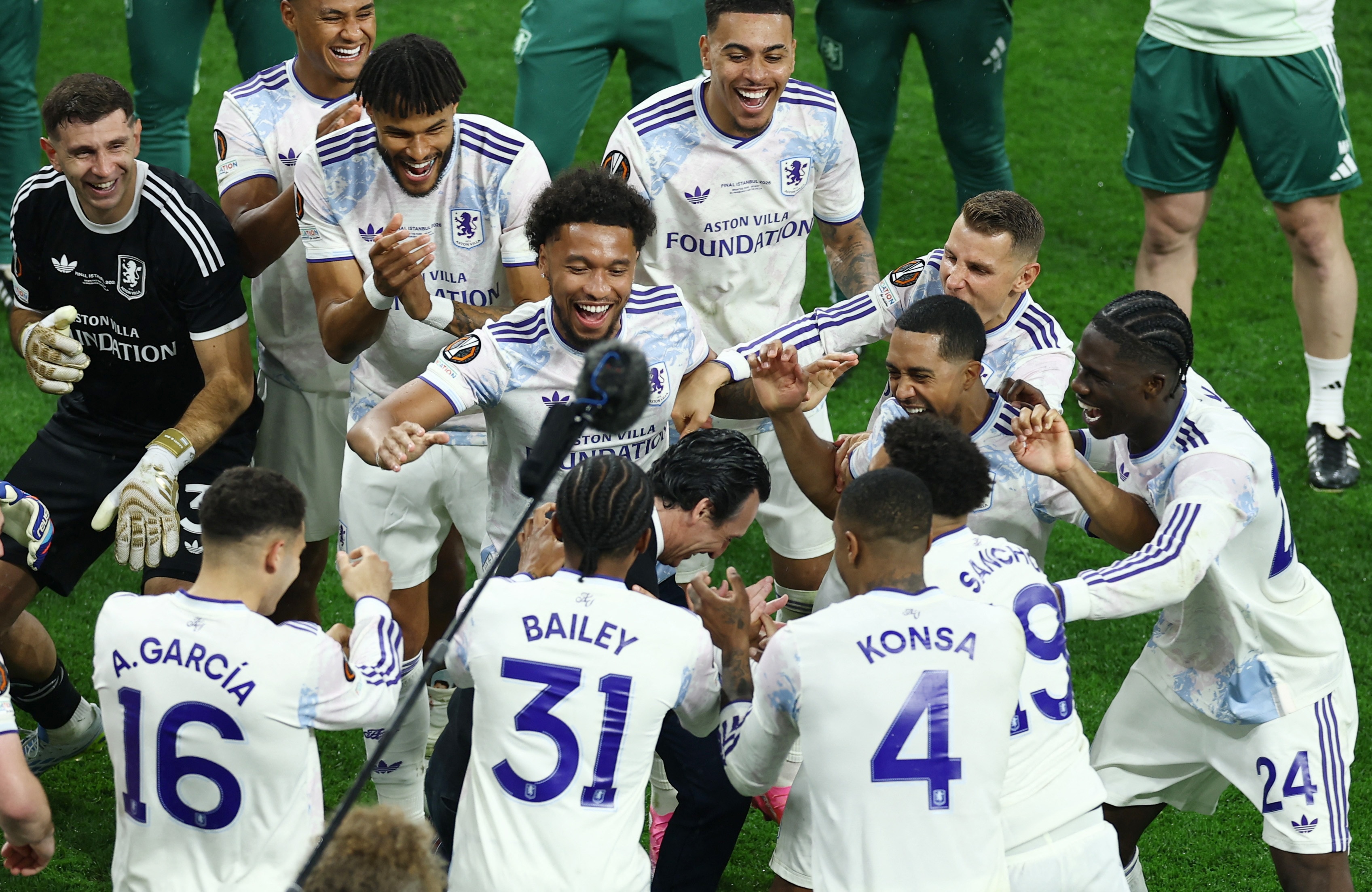 |
Emery led Villa to their first European Cup victory in over 30 years. |
His formula isn't particularly mysterious, but it's almost impossible to replicate. Emery is effective when he has a clear structure. There, the board sets the strategic direction, the Sporting Director handles recruitment, and he focuses entirely on expertise. When freed from distractions, he transforms each team into a perfectly functioning machine.
Conversely, in environments where power is dispersed, and the star player and the chairman have more say than the manager, Emery struggles. His periods at PSG and Arsenal are clear examples. He didn't fail completely, but he also didn't make a commensurate impact.
Emery's philosophy revolves around a simple concept: teamwork. He frequently emphasizes that in the Champions League, individuals can make a difference, but in the Europa League, victory belongs to a collective effort and unity.
Emery's greatest strength lies in his ability to prepare for knockout matches. He is considered a rare opponent analysis master in modern football. Emery is said to spend dozens of hours studying videos , analyzing every minute detail, from ball distribution to the movement patterns of his opponents.
It's no coincidence that his players all talk about the "extreme meticulousness" in his tactical approach. But more importantly, Emery conveys this clearly, specifically, and in a way that's easy to apply on the pitch.
Hats off to Emery!
However, Emery wasn't entirely rigid with his tactical approach; he also made significant changes in his man-management. From a coach who was theoretical and sometimes distant, he became a better listener and conflict resolver.
That evolution helped Emery become even better in the fiercely competitive environment of modern football. Aston Villa under him played disciplined and extremely versatile football. They could sit deep in defense, press high, control possession, or launch quick counter-attacks depending on the opponent.
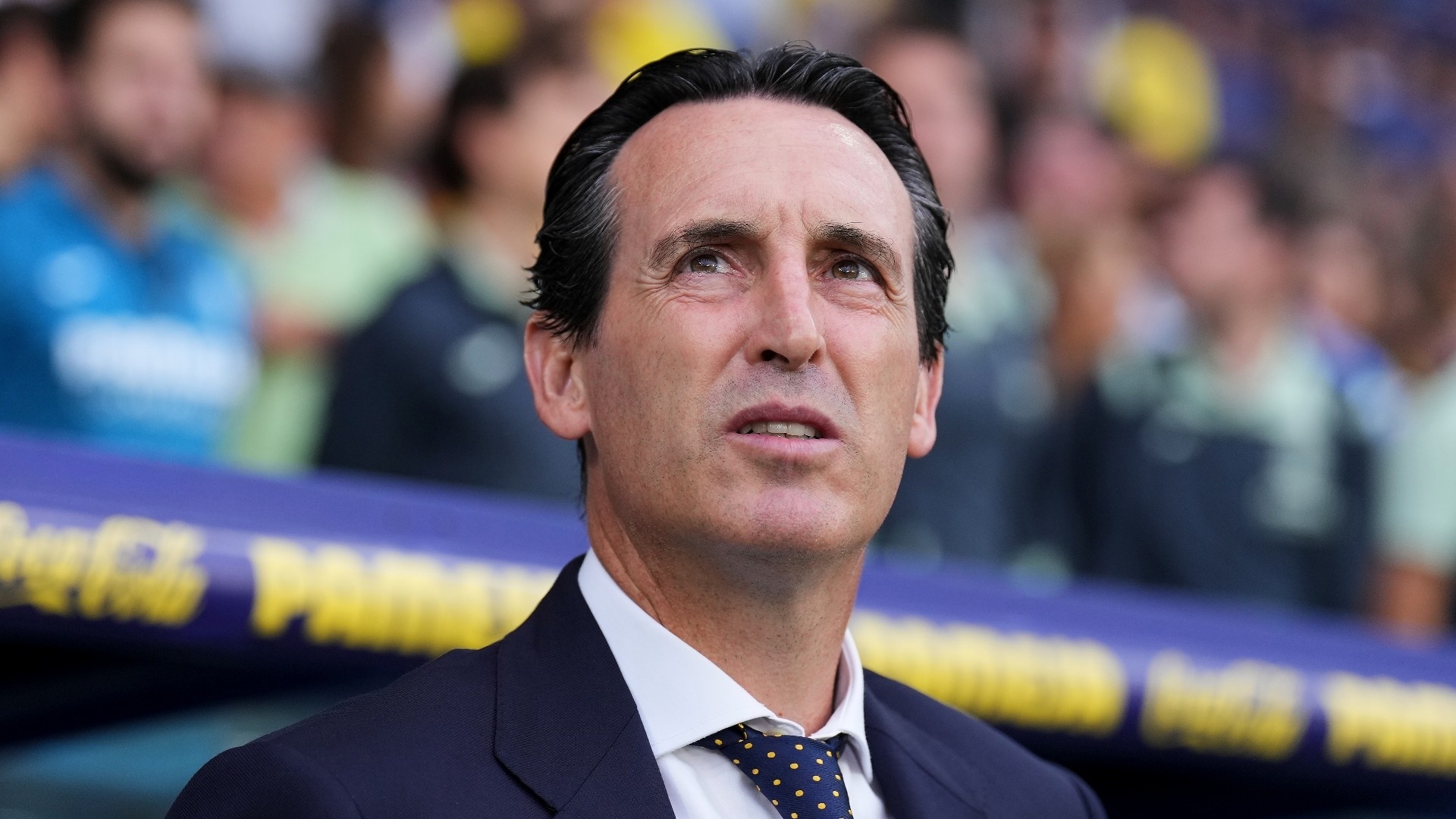 |
Six finals, four victories – this is an unprecedented achievement for Emery. |
It is this tactical versatility that makes Emery a special coach in the Europa League. He doesn't need to impose a fixed playing style, but adjusts it to win.
Before the match against PSG in the Champions League quarter-finals last season, Villa Park unexpectedly played the Europa League anthem. Many considered it a coincidence, but for Emery, it was like a symbol. The Europa League is part of his DNA.
From his early days at Valencia, through the heights of Sevilla, to Villarreal and now Aston Villa, Emery has completed a full cycle with the Europa League. And at each stop, he has left his mark.
European football changes, leagues restructure, but one thing remains almost constant. As long as Emery continues to lead teams that are "close to the top," the Europa League will continue to bear his mark. For Emery, the Europa League is no longer a game, but a destiny.
Source: https://znews.vn/europa-league-sinh-ra-danh-cho-emery-post1652974.html





















































































Comment (0)