

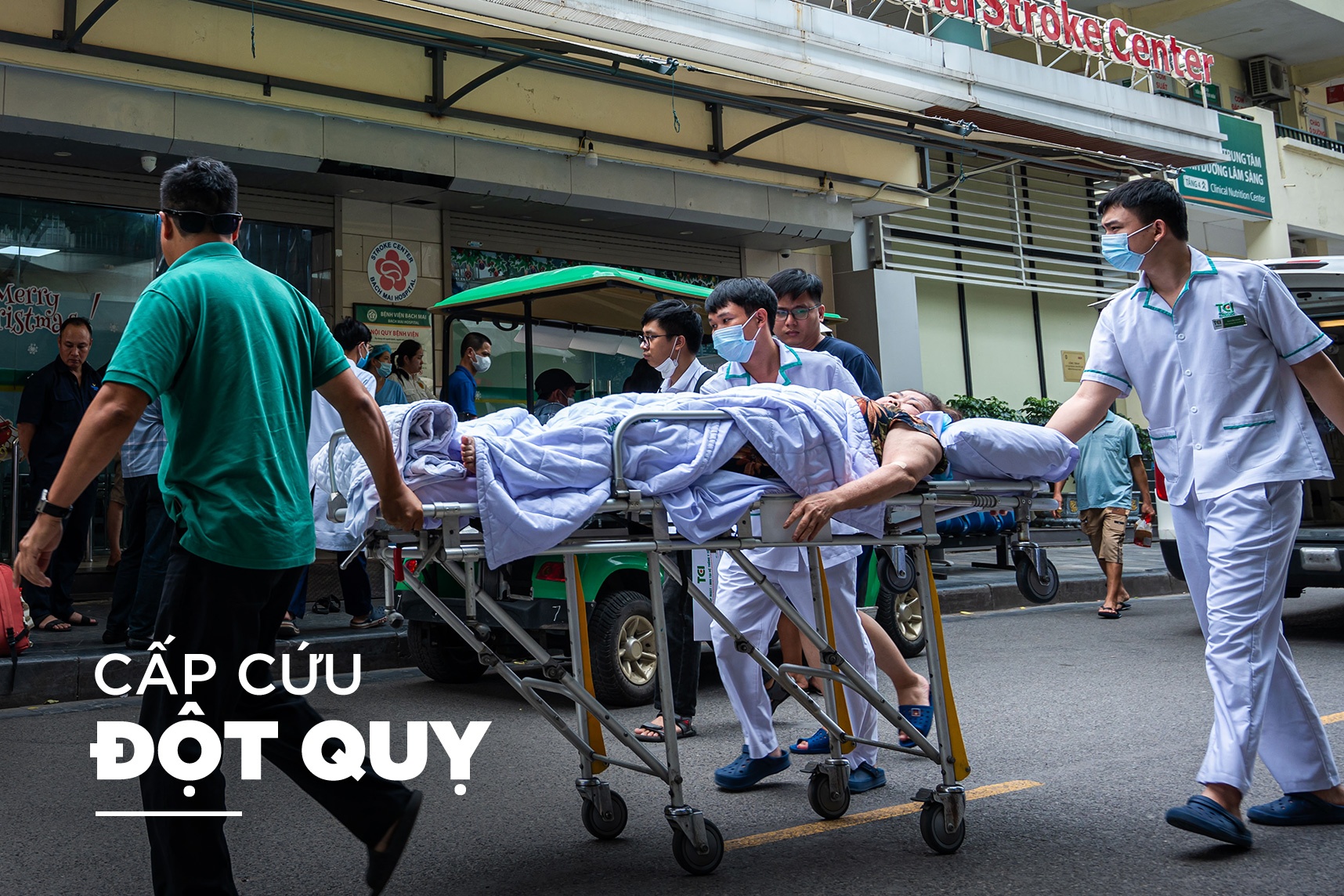
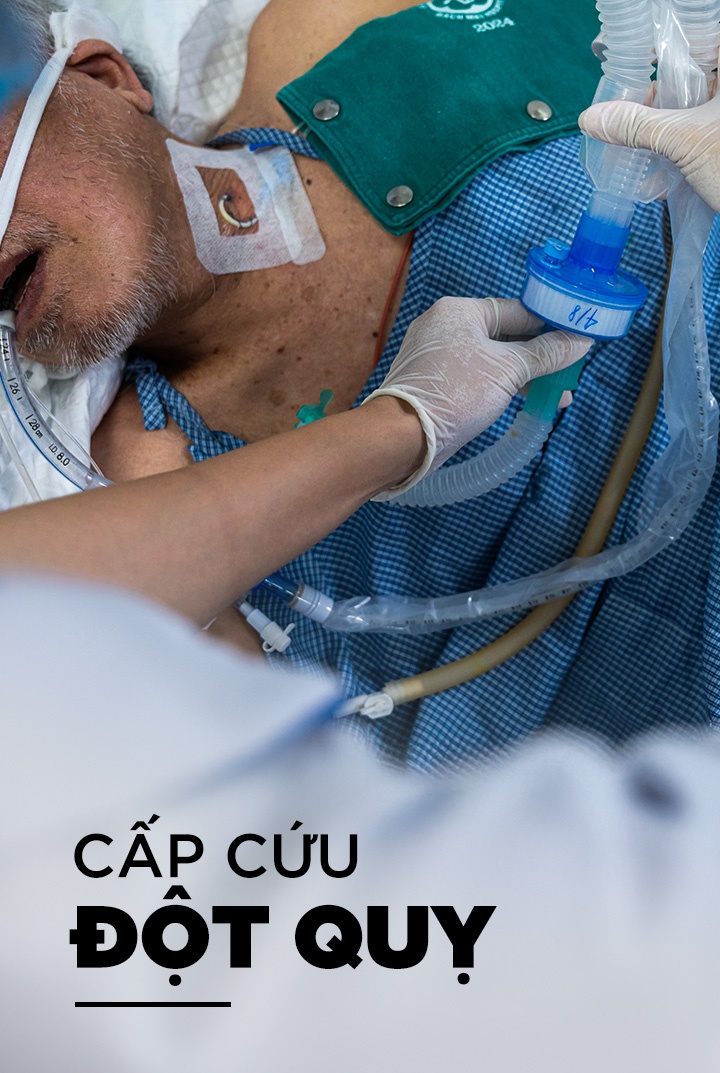
Without warning signs or a history of illness, many people still succumb to strokes and are unable to return to normal life.
Dr. Hieu hunched over the screen, hastily typing patient data, then looked up and glanced around the sterile, crowded room. Every hour, two or three stretchers were wheeled in urgently, a breathtaking race against time.
At the Stroke Center, time drags on through 14-hour shifts, and the window frame is the only indicator of whether it's scorching sun or pitch black night outside.
Stroke is like a "ghost" that comes unexpectedly.
The Stroke Center at Bach Mai Hospital is constantly operating at over capacity. Its approximately 60 beds are always occupied, continuously receiving patients from across the provinces and lower-level hospitals, most of whom are in critical condition.
According to MSc. Dr. Dinh Trung Hieu, the unit receives an average of 50-60 patients suspected of having a stroke each day. Approximately 90% of these are diagnosed definitively, while the remainder have similar symptoms but the underlying cause is another medical condition.
"With stroke, time is brain," Dr. Hieu told Tri Thuc - Znews.
Patients need to be taken to the hospital as soon as possible, ideally within the first 4-5 hours so that thrombolytic drugs can be administered, or within 6 hours if thrombectomy is necessary. This is the 'golden time' to save any remaining viable brain tissue and minimize the risk of disability.
However, here, more than half of patients are admitted too late. Many don't recognize the symptoms early, resort to home remedies, or waste time going around to facilities that lack the capacity for emergency care. By the time they arrive, the "golden window" has closed, meaning the chance of recovery is gradually slipping away.
According to Dr. Hieu, one of the often-overlooked "early warning signs" of stroke is transient ischemic attack (TIA). The symptoms are identical to a stroke – facial drooping, weakness in the limbs, difficulty speaking – but disappear within 24 hours. Because of this rapid recovery, many people become complacent, neglecting to seek medical attention or undergo brain scans.
"The risk of stroke is actually very high afterward, especially in the first 48 hours. Many people return a few days later with permanent brain damage," Dr. Hieu said.
Similarly, mild strokes are often overlooked. Symptoms that have little impact on daily life cause patients to hesitate to seek medical attention, while a significant number will worsen within days. Missing the early warning means missing the best opportunity for treatment.
"We don't lack technology or equipment. But if patients arrive late, we're helpless," said Dr. Hieu.
Stroke doesn't wait for any age.
"I shook him repeatedly, but he didn't respond. His face was contorted, and his limbs felt like they no longer belonged to him…," the young wife recounted tearfully to Tri Thuc - Znews .
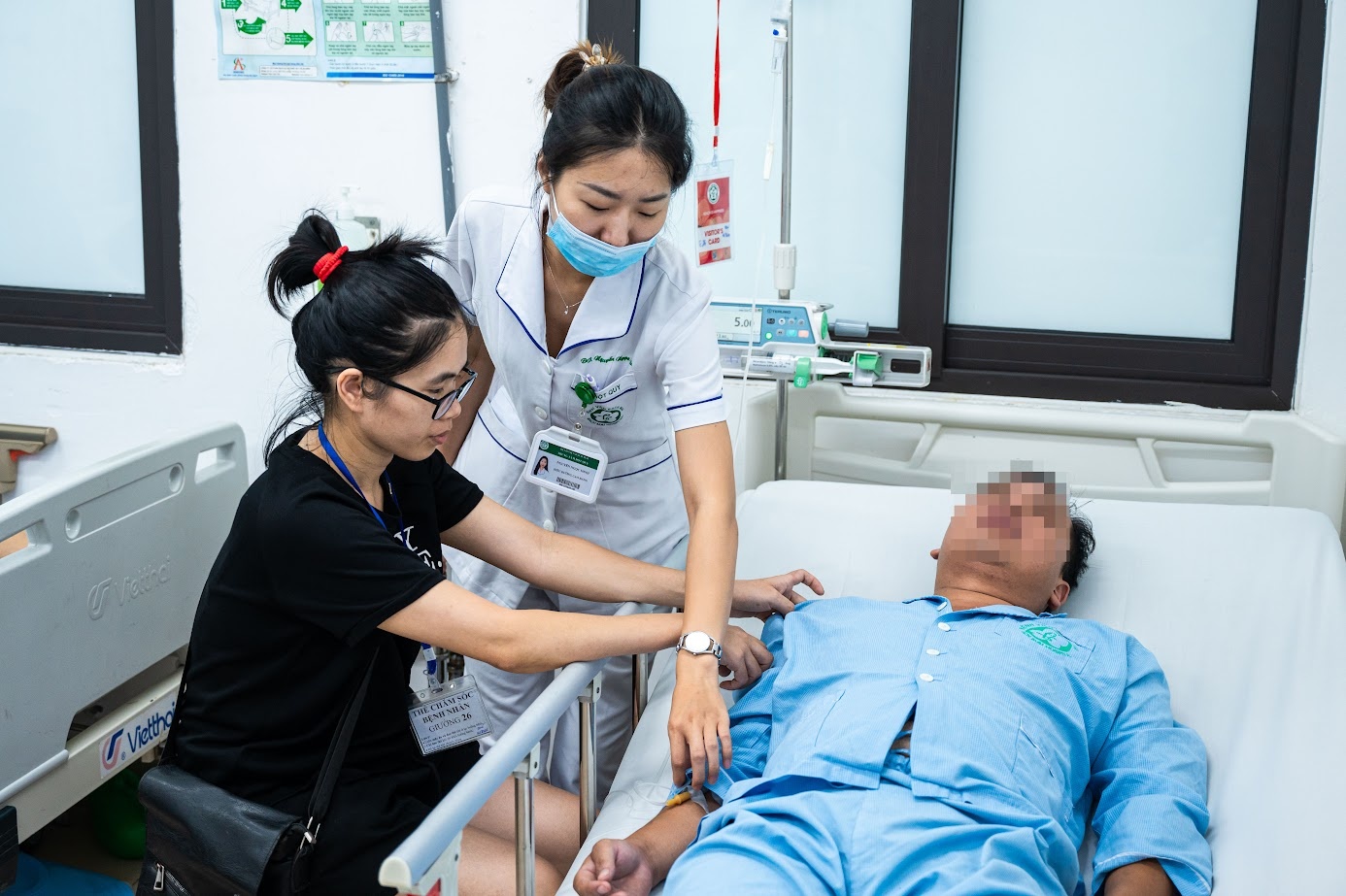
In his hospital bed, her husband, Mr. H., lay motionless after suffering a stroke less than 24 hours earlier. When he was admitted, the 33-year-old man was completely paralyzed on the right side of his body, his eyes vacant, and his mouth stiff. Doctors determined that he had a major blood vessel blockage, with the damaged area of his brain covering nearly half of the left hemisphere – the area responsible for language and movement.
Cases like Mr. H.'s are no longer rare at Bach Mai Hospital. More and more young people, some in their late 80s, others in their early 90s, are being admitted due to strokes. They were healthy, in their prime working years, but had underlying, silent problems within their bodies.
"We are no longer unfamiliar with young faces, some even in their early 30s, with no prior medical history, still working normally. And then, in just a few hours, they suffer a stroke, losing the ability to speak, move, or even their last vestiges of consciousness," said Dr. Dinh Trung Hieu.
The rate of stroke among young patients currently ranges from 10-15% and is showing a clear upward trend. Worryingly, they often arrive at the hospital late, missing the critical window for intervention, and some even experience cardiac arrest before reaching the hospital. The suddenness, rapid progression, and devastating consequences are terrifying to anyone who witnesses them.
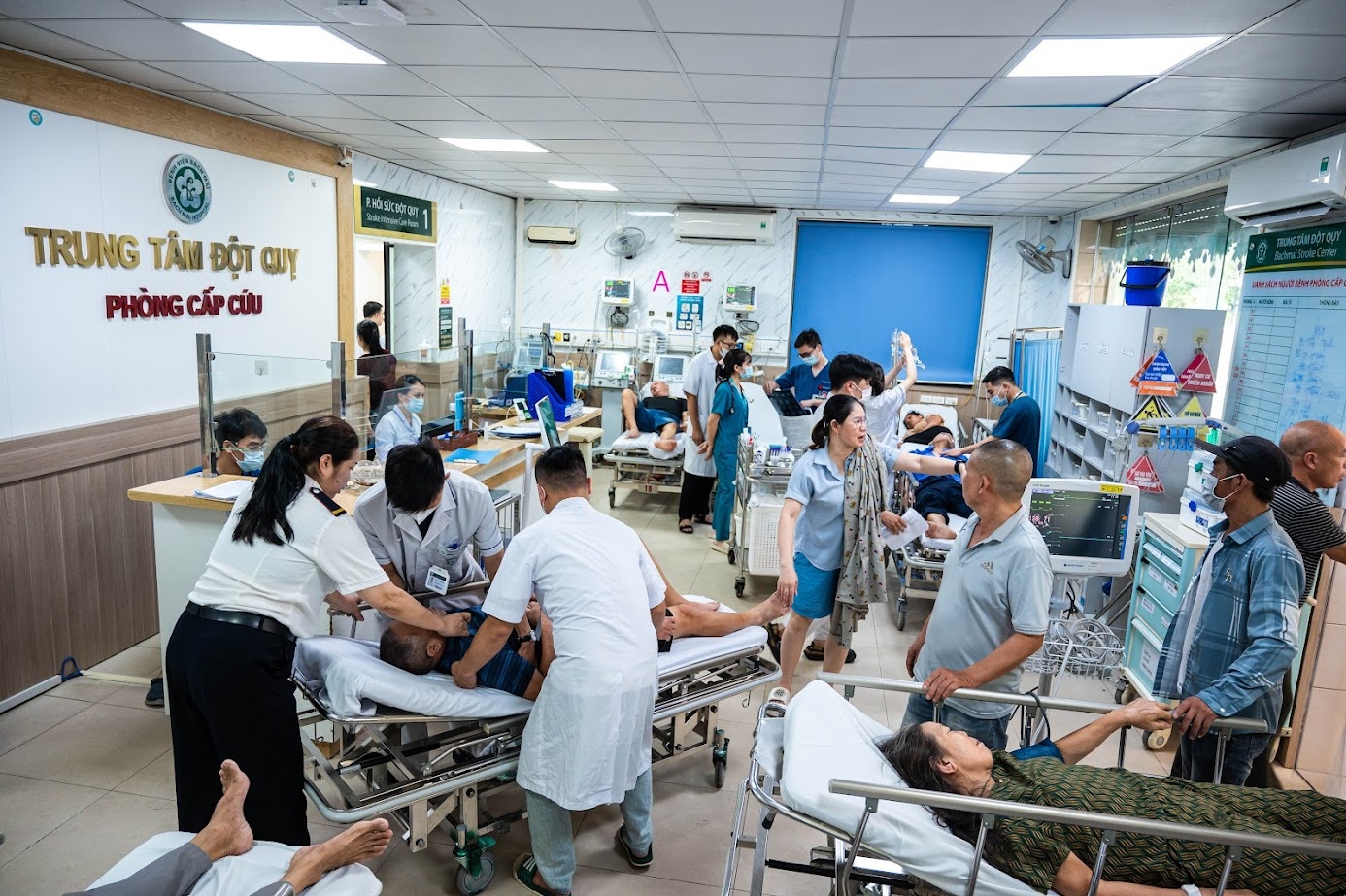 |
Vietnam is among the countries with the highest risk of stroke in the world , and the rate of stroke among young people is also increasing. |
3 invisible 'culprits'
A worrying reality is that many severe strokes occur in young people, even those who were previously perfectly healthy and had no prior medical history. "Many relatives are shocked and ask, 'Why did my child, my husband, my brother, who is still young and healthy, have such a severe stroke?'" Dr. Hieu shared.
The answer lies in three main groups of causes:
Firstly, there are congenital and genetic abnormalities such as cerebral vascular malformations, cerebral aneurysms, or arteriovenous fistulas, and a family history of these conditions. These are "time bombs" in the body, which can silently exist for many years and only erupt when it is too late. If fortunately detected incidentally during a health check-up, patients can receive early intervention, develop appropriate treatment strategies, and prevent the risk of stroke from its root.
Secondly, there is the increasing prevalence of metabolic diseases at younger ages, including hypertension, diabetes, and dyslipidemia. These diseases often have a silent onset, with no obvious symptoms. Many young people are complacent, neglecting regular check-ups or failing to adhere to treatment even after diagnosis. This is a silent factor leading to early stroke in young people.
Thirdly, an unhealthy lifestyle : Busy lives prevent many people from maintaining regular physical activity , and a sedentary lifestyle, smoking, and the abuse of alcohol or stimulants can increase the risk of stroke in young people.
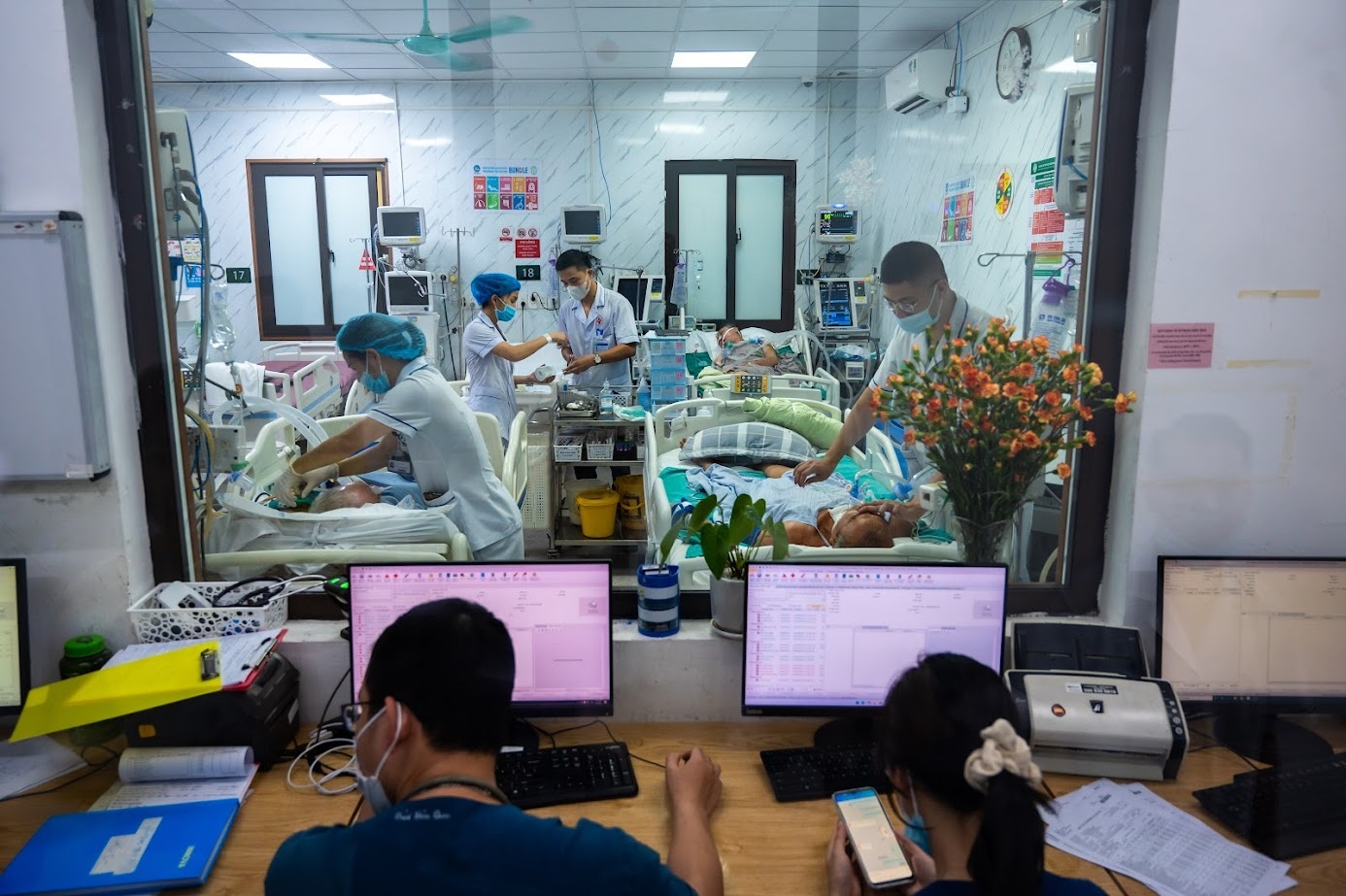    |
According to MSc. Dr. Dinh Trung Hieu, what makes stroke such a nightmare is not the mortality rate, but the severe disabling consequences it leaves behind. |
The healthcare system is struggling.
Stroke remains the second leading cause of death and the leading cause of disability among adults worldwide. Each year, the world records approximately 12.2 million new stroke cases – meaning an average of one stroke occurs every three seconds.
In Vietnam, according to Deputy Minister of Health Tran Van Thuan, data from the 2019 Global Burden of Disease Report shows that stroke is the leading cause of death among cardiovascular diseases, with 135,999 deaths that year, ranking number one among cardiovascular diseases.
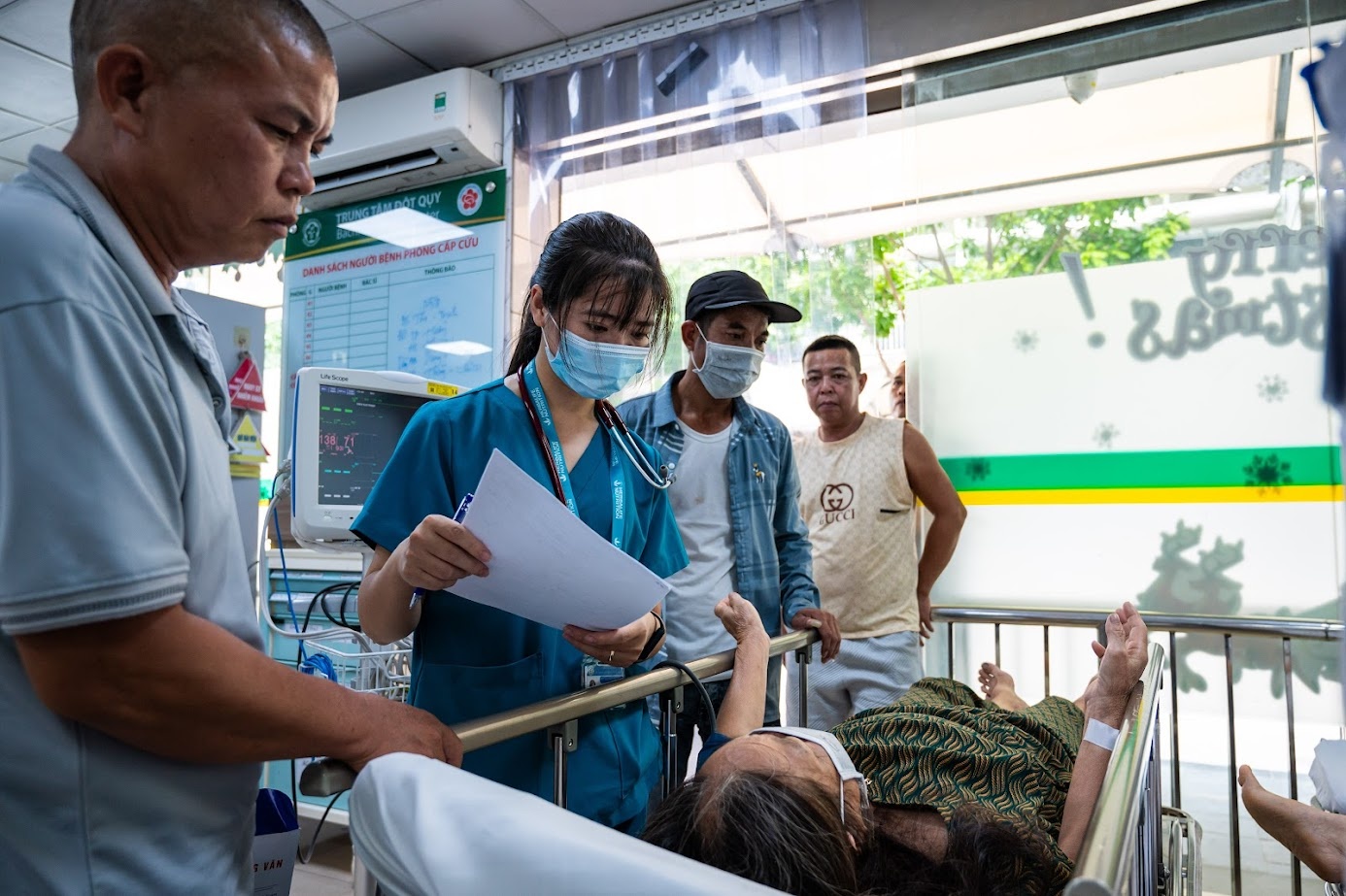 |
On average, the unit receives 50-60 patients suspected of having a stroke each day. |
Notably, according to health statistics published in 2025, the average age of stroke patients in Vietnam is only about 62 years old, nearly 10 years younger than the average age in developed countries.
The pressure from the surge in stroke patients is forcing major treatment centers to operate at full capacity. "We are receiving patients non-stop. Medical staff are working through the night, and many emergency cases last for hours. The overload is real," shared Dr. Hieu.
A similar situation is occurring in many other major centers such as Ho Chi Minh City, Hue, and Can Tho. The stroke rate in Ho Chi Minh City is currently around 207 cases per 100,000 people, and in Hanoi it is nearly 169 cases per 100,000 people – figures that show the rate of increase in patients is much faster than the rate of expansion of the healthcare system.
The number of stroke units has increased from 12 in 2016 to over 150 in 2025, but the majority are concentrated in major cities. Professor Thuan said that in the future, Vietnam needs to continue expanding the network of standardized stroke units nationwide.
According to experts, without prompt and decisive action from both the healthcare system and the community, these numbers will continue to rise.
Source: https://znews.vn/gap-gap-tung-giay-trong-phong-cap-cuu-dot-quy-post1574725.html

































































































Comment (0)