

This morning (December 9) at White Palace Hoang Van Thu Convention Center (194 Hoang Van Thu, Duc Nhuan Ward, Ho Chi Minh City), Thanh Nien Newspaper organized a discussion "Media training from Innovation to the New Era".
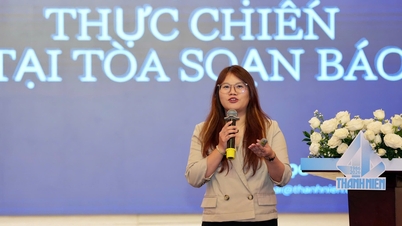
Master Tran Thuy Tram Quyen, Vice Principal Hong Bang International University (HIU) brought to the discussion a very topical presentation: " What is the difference in media training at non-public schools? In the current context, how should the training program, lecturers, and media teaching methods change? What do students need to be equipped with if they want to do a good job?"
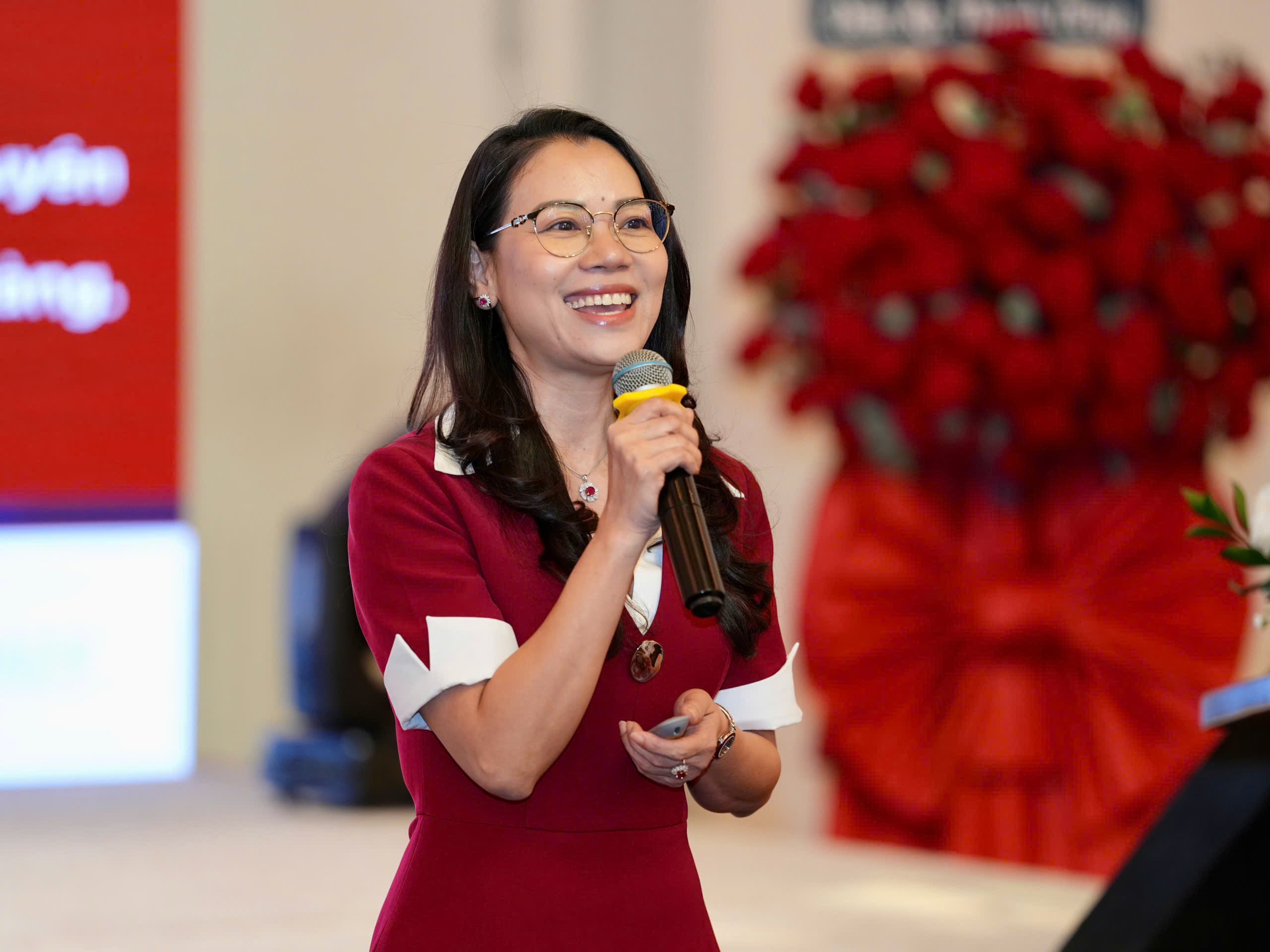
Master Tran Thuy Tram Quyen, Vice Principal of Hong Bang International University (HIU), spoke at the seminar
PHOTO: INDEPENDENCE
Businesses are "thirsty" for practical media human resources.
Master Tran Thuy Tram Quyen said that the media labor market is highly differentiated, demand is increasing, and businesses are "thirsty" for practical human resources. Meanwhile, the rise of artificial intelligence (AI) is causing professional standards to be "rewritten".
The media environment is multi-channel, multi-touchpoint, multi-format. Any campaign must run in parallel with TikTok, Instagram, Linkedin, Facebook, YouTube, Zalo, KOL, community, press...
In particular, the current era is the explosion of Gen Z, Gen Alpha - the generations that "don't read more than 3 lines, watch more than the first 5 seconds if it's not interesting", they don't believe in advertising but believe in real experiences.
According to Master Tram Quyen, the demand for journalism and communication students is currently increasing rapidly. Journalism and communication is in the top 5 most interested majors for Gen Z, with the number of searches increasing by 15-25% per year (Google Trends 2021-2024), and the number of applications for admission at many schools is 2-5 times higher than the target. The majors/training programs are very diverse: traditional journalism such as print, online, radio, and television; media majors associated with multimedia such as technology, digital, culture, marketing, advertising, public relations, event management, digital media, etc.
All of the above contexts require people working in communications to have strategic thinking, deep understanding and creativity, and multi-platform storytelling skills. Communicators must be trained in real-life situations and work in real-life situations to meet the increasing demands of the labor market.
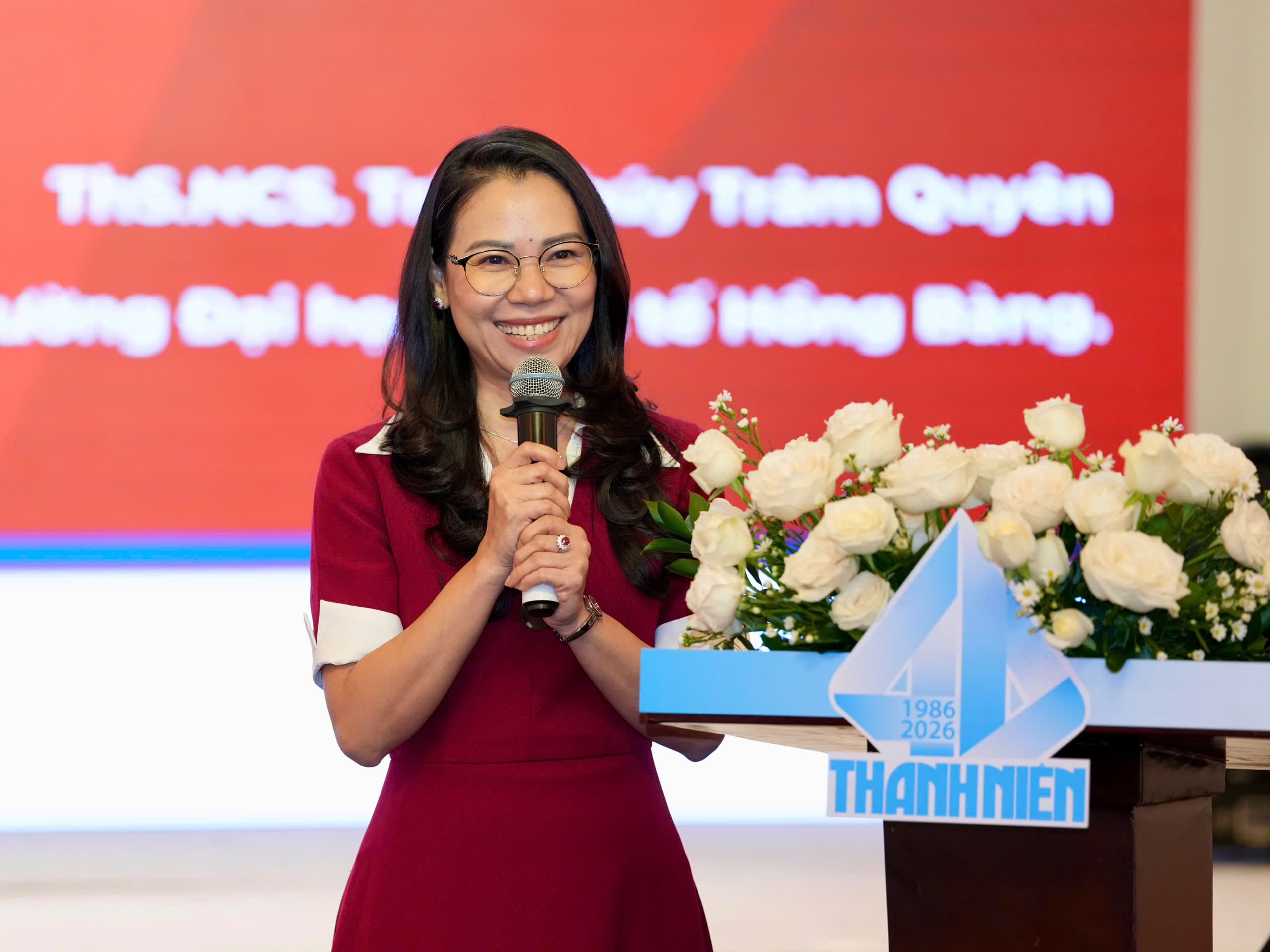
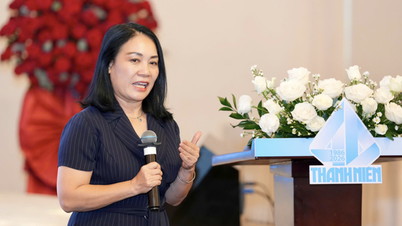
Master Tram Quyen exchanged many current information at the seminar
PHOTO: INDEPENDENCE
The core difference is in flexibility and the degree of connection to the labor market.
Master Tram Quyen said that public schools in journalism and media training have strengths in standardized program systems, strong in theory and basic skills, thereby helping students to be solid in theory and traditional skills. Public schools have wide relationships with state press agencies, helping students easily access the mainstream press environment such as VTV , VOV, major newspapers such as Nhan Dan, Thanh Nien, Tuoi Tre ... The teaching staff are research experts and veteran journalists. Notably, public schools have low tuition fees, are easy to access, and attract many good and excellent candidates. However, non-public schools have many advantages in media training.
Master Tram Quyen emphasized that the first difference lies in the flexibility in innovation of the training program. The training program for students is updated every year, such as at HIU, the school incorporates AI, big data into teaching and adds subjects according to market trends such as Digital content (digital content); Storytelling (multi-platform storytelling art); Livestream commerce (online e-commerce); content on TikTok/YouTube platforms and other social media channels.
The school's program's advantage is keeping up with the foundation, keeping up with the market, keeping up with businesses - the applied industry group is suitable for new career trends, especially with Gen Z.
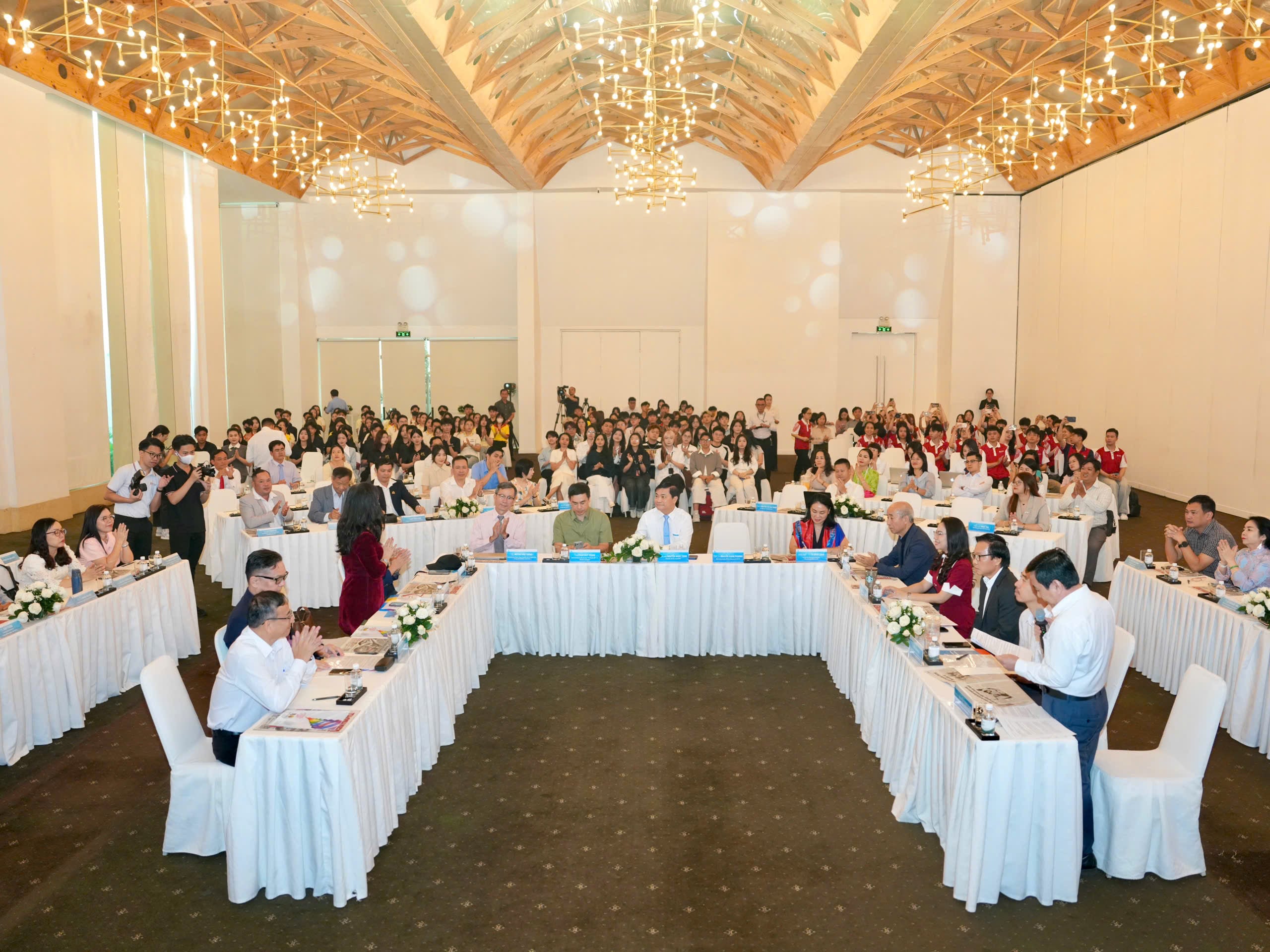
The seminar attracted the attention of many universities, press agencies and media businesses.
PHOTO: INDEPENDENCE
In addition, the school's strengths are in building a cross-discipline teaching and learning program, creating a diverse learning and practice environment, combining multimedia communication: technology (IT); design; marketing; art - creativity; event organization; public relations...
"For example, at HIU, we accept projects to produce health care programs jointly implemented by teachers and students from both health sciences and social sciences. After that, we send multimedia students to do internships with HIU's career orientation programs at high schools, the products will be articles published in newspapers. Or we send multimedia students to join the final practice sessions of tourism management students, livestream sales classes of the e-commerce industry...", shared Master Tram Quyen.
In particular, the Vice President of Hong Bang International University mentioned the differences and advantages in media training of non-public schools when they have the strength of high autonomy, can invite many international lecturers and industry experts; strong connection with businesses - learning from practice.
For example, from HIU, the school can invite experts, CEOs, creative directors, digital experts... to teach very flexibly. Students learn through real projects. HIU invests heavily in facilities such as studios - editing rooms - media labs - new equipment; filming and photography studios...
To be a good communicator, you need to understand people, society, and culture.
Master Tram Quyen said that first of all, lecturers must change their roles, from communicators to guides, trainers, and companions. Lecturers must constantly update their basic knowledge of TikTok, YouTube, Meta, Zalo; lecturers must understand young people's behavior, and must be proficient in AI tools to support content production.
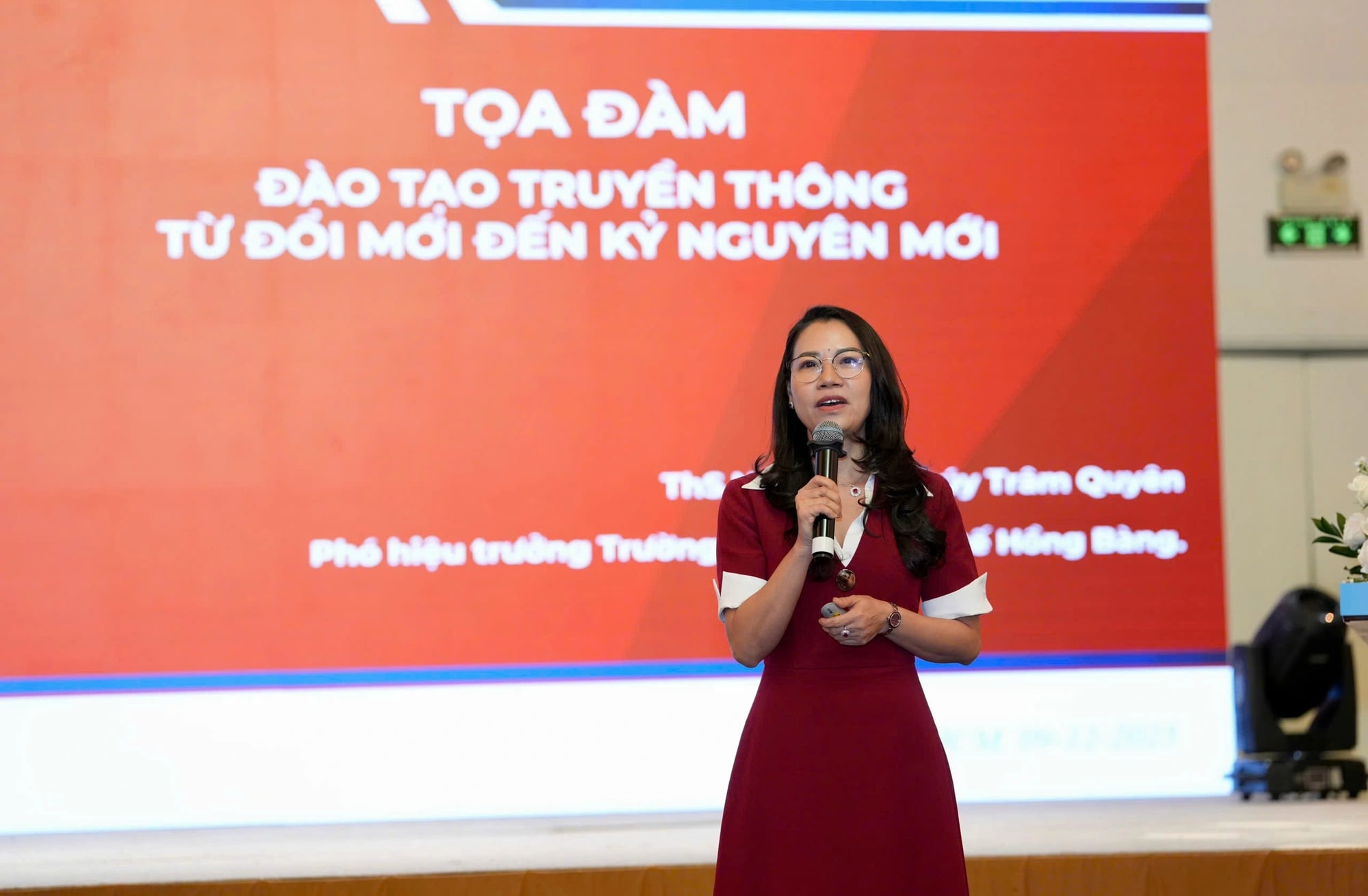
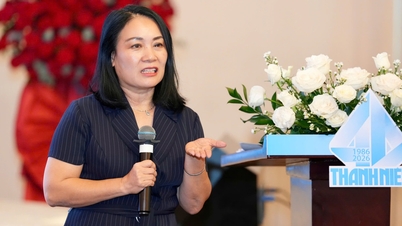
According to Master Tram Quyen, non-public schools have many advantages in training in the media industry.
PHOTO: INDEPENDENCE
Lecturers must also have practical experience or deep connections with the profession. They must change their teaching methods from "lectures" to "real-life experiences", learning in a studio model with small groups, with instructors and creating real products.
So what should students be taught and how should they change to become good communicators who can meet high demands? According to Master Tram Quyen, students need to be equipped with communication skills, adaptability, and the ability to withstand pressure.
"In particular, to be a good communicator, you need to understand people, society, and culture, because communication is an industry of deep understanding. Whoever understands the user wins. In short, only when training, businesses, and technology move together can we create a generation of communication experts with enough competitiveness, adaptability, and creativity to lead the future," concluded Master Tran Thuy Tram Quyen.
Source: https://thanhnien.vn/gen-z-alpha-khong-doc-qua-3-dong-xem-qua-5s-thach-thuc-nguoi-lam-truyen-thong-185251209121736462.htm


![[Photo] Urgently help people soon have a place to live and stabilize their lives](/_next/image?url=https%3A%2F%2Fvphoto.vietnam.vn%2Fthumb%2F1200x675%2Fvietnam%2Fresource%2FIMAGE%2F2025%2F12%2F09%2F1765248230297_c-jpg.webp&w=3840&q=75)
















































![[Photo] General Secretary To Lam works with the Standing Committees of the 14th Party Congress Subcommittees](https://vphoto.vietnam.vn/thumb/402x226/vietnam/resource/IMAGE/2025/12/09/1765265023554_image.jpeg)






















Comment (0)