

Located about 35km from Phnom Penh, Oudong served as the capital of Cambodia from 1618 to the mid-1860s.
Like My Son Sanctuary, which was once chosen by Time Out as an attractive but often "overlooked" tourist destination in Vietnam, Oudong is also a little-known destination for tourists when visiting Cambodia.
The name Oudong is derived from the Sanskrit word uttunga, which generally means "high" or "supreme"
Although the country's center of power moved more than 150 years ago, Oudong still holds deep significance for the Cambodian Royal Family.
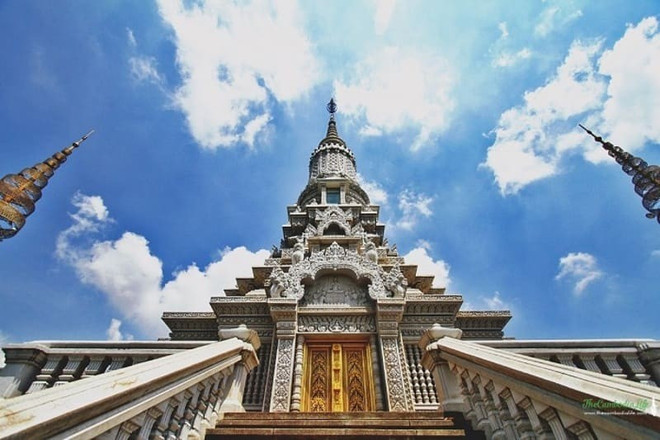
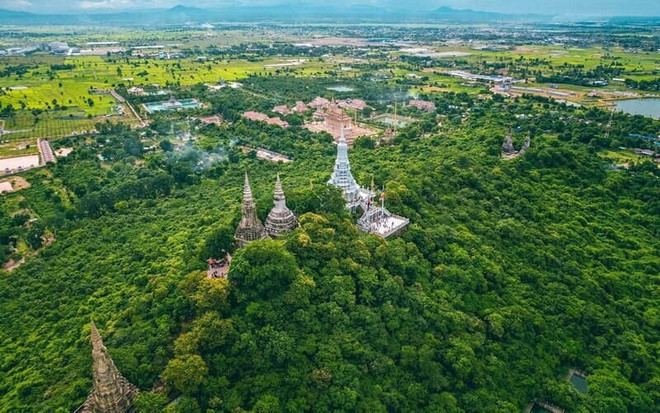
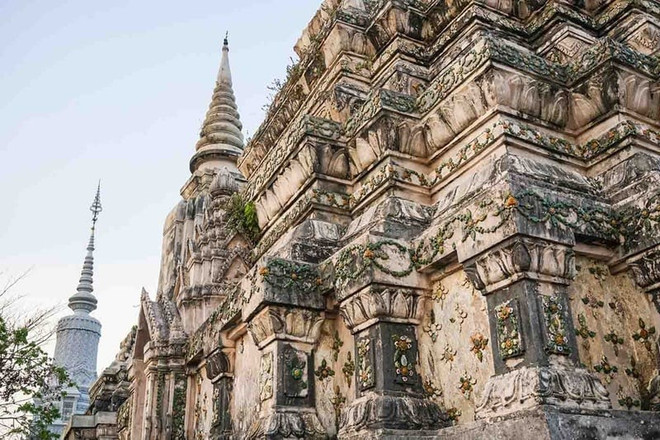
This is a hilly complex that houses a number of ornate Buddhist stupas, as well as sacred relics, sculptures and artifacts. A total of 16 stupas hold the remains of Cambodian kings.
It takes more than 500 steps to reach the top, but the path up is colorful. Buddhist flags hang among the trees, locals offer fruit and flowers, and orange-robed monks weave through nearby rice paddies on their way to temples.
During its heyday, Oudong was known as the "city of a thousand monasteries."
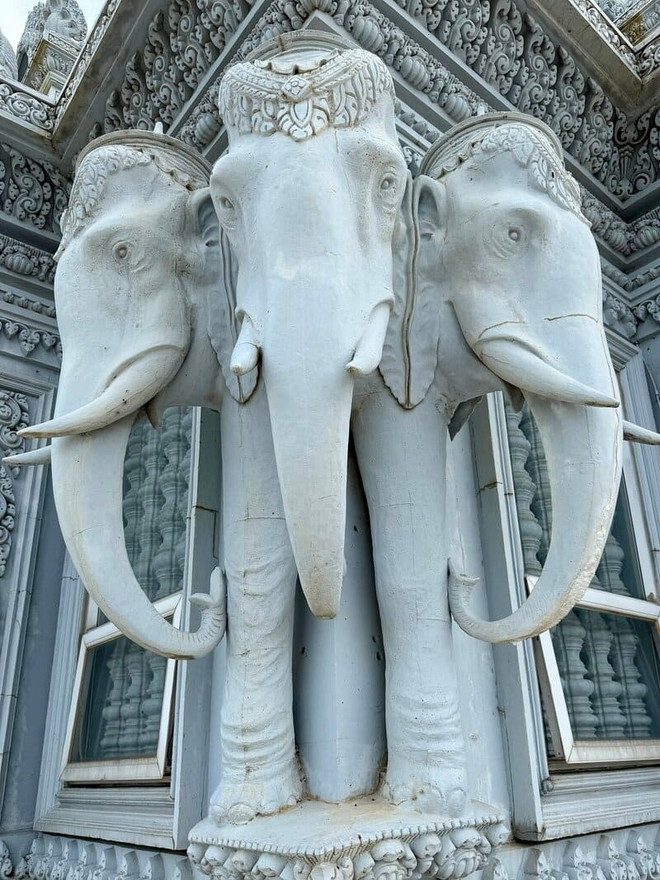
At the top of the 93m hill, the most magnificent of these structures is a temple that looks like it is made of lace, with intricate patterns and a shiny silver color. The temple is decorated with carvings of elephants, symbolizing strength and longevity. Inside, there is a magnificent golden Buddha statue.
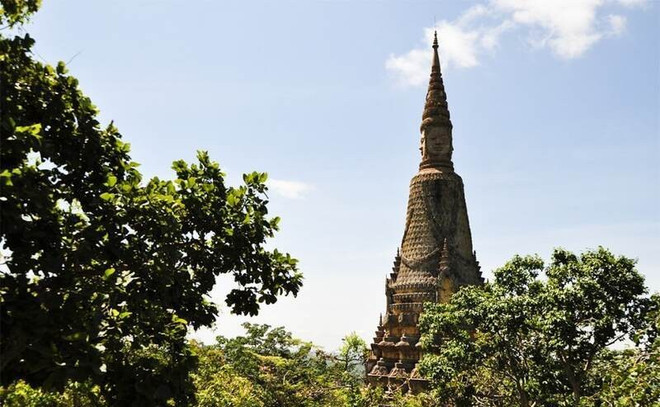
Nearby is a stone pagoda bearing a tall pillar, prominently featuring four Buddha faces – each facing a cardinal direction. Seen from a distance, these faces protrude from behind the tall trees, creating a ghostly and ethereal feeling, especially on foggy days.
Phnom Penh locals have turned Oudong – sometimes spelled Udong or Ondong – into a popular day trip destination, but it remains largely unknown to international visitors.
Unlike Angkor Wat, which can take days to explore, Oudong can be seen in just a few hours, connecting the ancient world of Angkor with the modern bustle of Phnom Penh, filling an important historical gap. And unlike Angkor, it is still a “living” site, with new structures still being built.
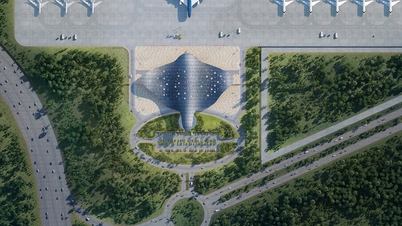
Earlier this year, a massive new airport opened in Phnom Penh to serve the capital. The $2 billion project is part of an ambitious multi-year plan to attract more international tourists to Cambodia’s lesser-known southern regions.
What does a trip to Oudong include?
Tour guide Nao Sok recommends visiting early in the morning or late in the evening, not only to escape Cambodia's notoriously sweltering heat, but also to watch the sunrise and sunset over the complex.
He also recommends that visitors take a full day to experience by visiting the nearby Cambodia Buddhist Vipassana Center, which offers meditation experiences for visitors, then visit Oudong market and visit a local homestay or restaurant to get a feel for the daily life of Cambodian people.
Visitors who have been to Angkor Wat will find Oudong very different. There are no shops, souvenir stalls or vending machines. Admission is free, but there are no signs or maps, and mobile phone reception is spotty.
Asia Desk tour company provides air-conditioned cars and English-speaking guides, along with drinks and snacks, as these are hard to find in Oudong.
To enter temples or meditation centers, visitors need to ensure their shoulders and knees are covered, even in hot weather.
British writer Marissa Carruthers, who has lived in Phnom Penh since 2012, regularly visits Oudong and takes friends there when they visit from abroad.
“A trip to Oudong offers an authentic glimpse into Cambodia’s past without the tourist crowds, a chance to interact with locals – and some great photos to share on social media,” she added./.
Source: https://www.vietnamplus.vn/ghe-tham-oudong-diem-du-lich-tuyet-voi-nhung-bi-bo-qua-cua-campuchia-post1080189.vnp


![[Photo] National Assembly Chairman Tran Thanh Man attends the VinFuture 2025 Award Ceremony](/_next/image?url=https%3A%2F%2Fvphoto.vietnam.vn%2Fthumb%2F1200x675%2Fvietnam%2Fresource%2FIMAGE%2F2025%2F12%2F05%2F1764951162416_2628509768338816493-6995-jpg.webp&w=3840&q=75)

























































Comment (0)