

Coffee prices jump
Developments in the world market show that coffee prices in the recent trading session continued to decline. Robusta contracts for January 2026 delivery fell by 7 USD to 4,295 USD/ton; while the March 2026 contract fell more sharply to 4,178 USD/ton. For Arabica, prices also went down when the December 2025 contract lost 5.7 cents/lb to 406.25 cents/lb; the March 2026 contract decreased by 5.65 cents/lb to 374.85 cents/lb.
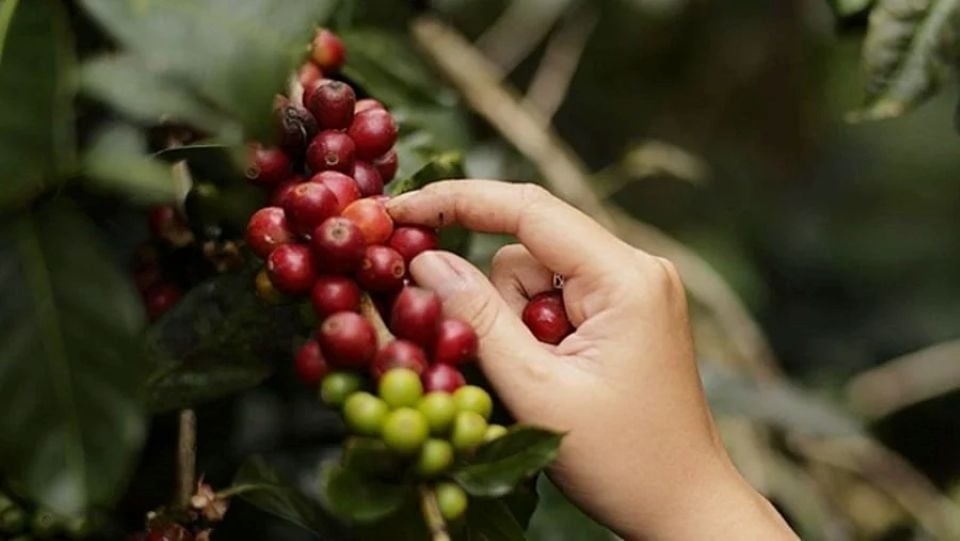
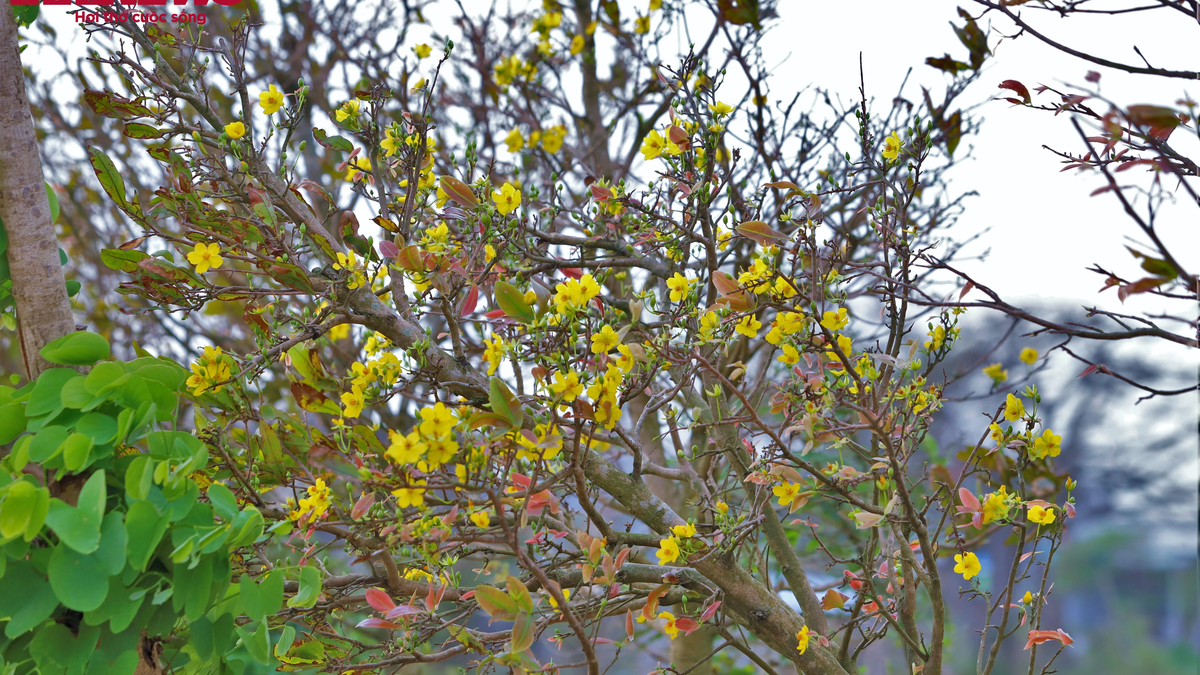
Illustration photo. Photo: Internet
In the domestic market, coffee prices in the Central Highlands on December 9, 2025 increased slightly again, recording a fluctuation of 102,500 - 103,300 VND/kg.
In Lam Dong province alone, the three localities of Di Linh, Bao Loc and Lam Ha increased by 200 VND/kg compared to yesterday, currently trading at 102,500 VND/kg.
In Dak Lak , Cu M'gar area today purchased coffee at 103,200 VND/kg, an increase of 200 VND/kg compared to yesterday; while Ea H'leo and Buon Ho traded around 103,100 VND/kg.
In Dak Nong, two localities Gia Nghia and Dak R'lap adjusted up 300 VND/kg compared to yesterday, reaching 103,300 VND/kg and 103,200 VND/kg, respectively.
In Gia Lai province, coffee prices in Chu Prong are currently at VND102,700/kg, while Pleiku and La Grai both recorded VND102,600/kg, an increase of VND200/kg compared to yesterday.
December is considered the peak harvest month for Vietnamese coffee, accounting for more than 50% of the year's output, causing prices to often stay low. Previously, businesses tended to buy heavily to stockpile and sell gradually throughout the year, but now due to high capital pressure, many units choose to buy in batches to reduce risks. The source of goods is also dispersed in many small warehouses of farmers, causing the supply on the market to no longer be as concentrated as before.
Domestic consumption is forecast to increase to 4.9 million bags, reflecting the growing appeal of the domestic coffee market. The growing popularity of coffee culture, combined with rising incomes and rapid urbanization, is driving demand for experimentation with new products. Although exports still account for a large proportion, domestic consumption is playing an increasingly important role in the overall structure of the industry.
The average coffee consumption per capita is also increasing rapidly and is expected to reach 3 kg this year. The fast pace of life and long working hours have increased the demand for instant coffee due to its convenience and suitability to modern habits.
According to a report by Knowledge Sourcing Intelligence, the Vietnamese instant coffee market is expected to maintain a stable growth rate at a CAGR of 12%, reaching a size of about 731 million USD by 2028. This is considered a significant driving force for the coffee industry, in addition to the traditional export sector.
Pepper prices increased slightly
The domestic pepper market on December 9, 2025 recorded an increase of 500 VND/kg. In Dak Lak, the purchase price remained unchanged at 149,000 VND/kg compared to yesterday. In Chu Se (Gia Lai), the price increased by 500 VND/kg to 148,000 VND/kg, while in Dak Nong, it also increased similarly, reaching 149,500 VND/kg.
In the Southeast region, pepper prices in Ba Ria - Vung Tau were recorded at 148,000 VND/kg, an increase of 500 VND/kg compared to yesterday. Meanwhile, in Binh Phuoc, pepper prices were stable at 148,000 VND/kg.
Data from the International Pepper Community (IPC) shows that at the end of the most recent trading session, the price of Indonesian Lampung black pepper was at 6,995 USD/ton, while Muntok white pepper reached 9,643 USD/ton.
The price of Brazilian ASTA 570 black pepper is being traded at USD 6,150/ton; while Malaysian ASTA black pepper is at USD 9,000/ton and the country's ASTA white pepper is at USD 12,000/ton.
Vietnamese black pepper 500 g/l is currently priced at 6,500 USD/ton; 550 g/l is 6,700 USD/ton; and white pepper is at 9,250 USD/ton.
The Vietnam Pepper and Spice Association recommends that businesses need to be more proactive in managing inventory and regulating supply to meet the sharp increase in demand at the end of the year. Reasonable reserves will support trading activities well in the context of market fluctuations.
Factors such as export taxes, logistics costs and rules of origin are expected to significantly affect the global market structure. Despite many fluctuations, Vietnam still maintains its competitive advantage thanks to stable quality and a long-established export network.
According to the International Pepper Association, global pepper production in 2025 is estimated at around 520,000 tonnes, down slightly due to adverse weather conditions in many growing regions. However, overall supply will still be sufficient to meet demand as fundamental market factors remain stable.
The 2025 period is considered to be a time of balance for the pepper market, although supply is somewhat more limited. Export prices fluctuate only slightly, while effective inventory management helps maintain stability. IPC expects that in 2026, global output can recover to 533,000 tons if weather conditions are favorable and replanting programs are implemented synchronously.
Source: https://doanhnghiepvn.vn/kinh-te/gia-nong-san-ngay-9-12-2025-ca-phe-va-ho-tieu-dong-loat-tang-tro-lai/20251209085345110
![[Photo] Urgently help people soon have a place to live and stabilize their lives](/_next/image?url=https%3A%2F%2Fvphoto.vietnam.vn%2Fthumb%2F1200x675%2Fvietnam%2Fresource%2FIMAGE%2F2025%2F12%2F09%2F1765248230297_c-jpg.webp&w=3840&q=75)































































































Comment (0)