

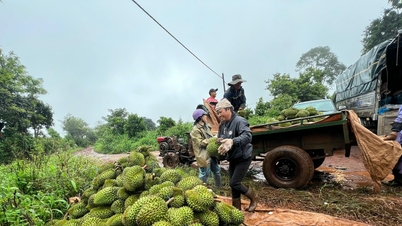
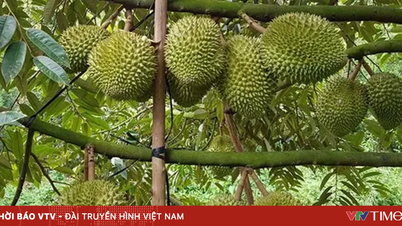
After weeks of stagnation, durian prices in the Mekong Delta are showing signs of recovery, increasing by 5,000 to 10,000 VND/kg compared to two weeks ago. Prior to this, from the beginning of May, the harvest season, the market was plagued by negative news such as durian containing heavy metals, congestion awaiting testing, and traders forcing down prices or abandoning deposits, significantly impacting farmers' morale. This also marks the first time the durian industry has faced such a wave of unfavorable information since its official export to China.
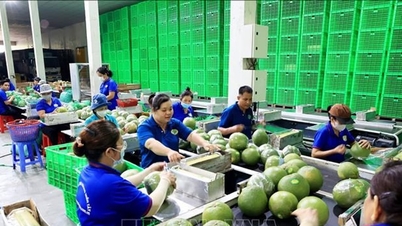
Leaders of the Ministry of Agriculture and Environment recently confirmed that phenomena such as durian trucks being held up waiting for inspection, low purchase prices at the farm, and farmers having to sell durian on the streets are real, but the number is small and not a general situation in all growing regions. The durian that farmers have to find their own outlets for is the remaining fruit after sorting for export and for distribution to supermarkets, and this accounts for a very small quantity.
Regarding the information about durian being flagged for cadmium contamination, the number of such fruits represents a small percentage and originates from only one specific growing region.
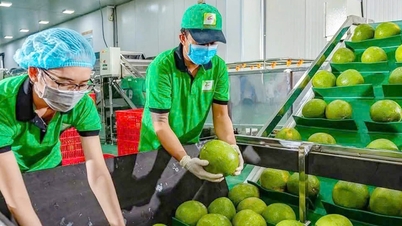
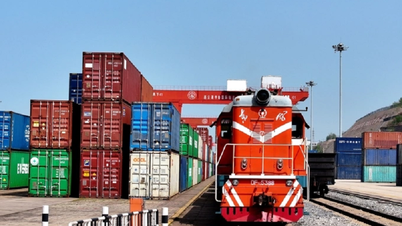
The cause of the container congestion in some localities has been confirmed to be due to the additional testing requirements for two substances, cadmium and yellow dye, imposed by the General Administration of Customs of China during the peak harvest season, resulting in a large number of trucks arriving daily. Testing capacity has not been able to keep up, leading to localized congestion. Another objective reason is that some testing laboratories have not yet met the requirements from China and have had to temporarily suspend operations for repairs.
However, it must be frankly admitted that the current number of 25 domestic testing facilities recognized by China is relatively modest compared to the demand. The Ministry of Agriculture and Environment is continuing to urge provinces that have been decentralized in the inspection, assessment, and approval of testing laboratories to quickly recognize facilities that meet the standards.
Upon receiving these documents, the Ministry will immediately forward them to the General Administration of Customs of China for recognition, thereby increasing the capacity for fruit testing and effectively supporting export activities.
Source: https://vtv.vn/gia-sau-rieng-giam-do-tin-don-that-thiet-10026052010375103.htm

























































































Comment (0)