

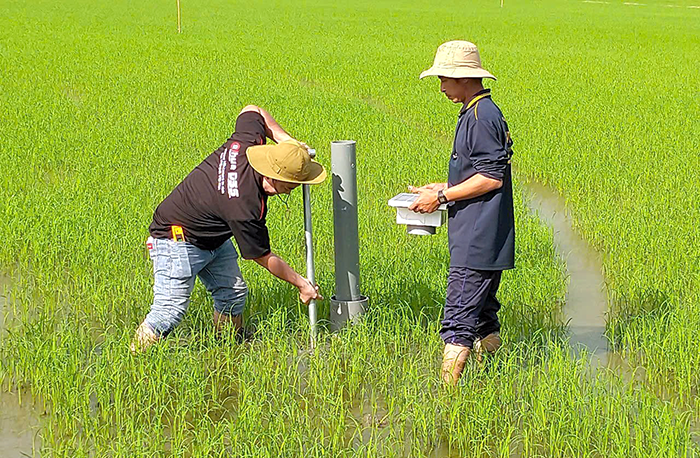
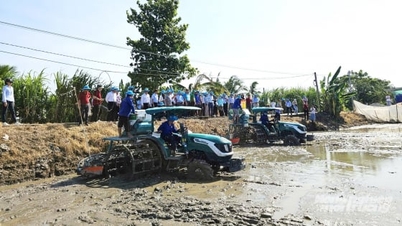
The agricultural production model applying digital technology is implemented in Can Tho city.
There are many challenges
Mr. Tran Chi Hung, Vice Chairman of Can Tho City People's Committee, commented: "In recent years, the impact of climate change on the Mekong Delta has become increasingly clear and serious from phenomena such as prolonged drought, increased saltwater intrusion, complex landslides, lack of fresh water for production and daily life, extreme weather that is difficult to predict... These challenges pose an urgent need to innovate agricultural production models towards high technology, apply advanced science and technology, improve adaptive capacity and reduce emissions".
According to experts, climate change causes high temperatures, affecting the growth and development of crops, reducing productivity and quality. Irregular rains and prolonged droughts cause serious water shortages, especially in areas specializing in rice and fruit trees. Warmer temperatures promote the development and spread of pests, diseases, and weeds, making control difficult. In conditions of flooding due to floods or storms, many crop areas can be completely lost or their quality can decline. Rising sea levels and saltwater intrusion seriously affect coastal areas of the Mekong Delta, making cultivated land uncultivable, especially for crops sensitive to salt...
The Ministry of Agriculture and Environment said that the Mekong Delta has recorded high saline intrusion, with salt concentrations in major rivers reaching 4g/l, penetrating 50-60km deep into the fields, exceeding the salinity tolerance of many crops. 2024 is the year of the highest saline intrusion in recent times in the Mekong Delta, affecting over 29,260 hectares of rice in affected localities, leading to reduced productivity and increased production costs for farmers, thereby directly affecting food security and farmer household income.
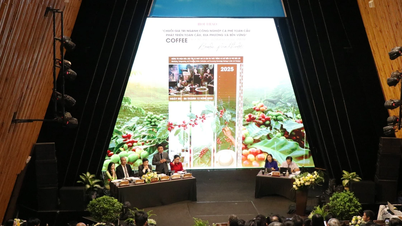
Dr. Hoang Anh Tuan, Deputy Head of the Department of Science and Training, Management Board of the Ho Chi Minh City High-Tech Agricultural Zone, said: “These challenges require us to take stronger and more drastic actions, especially to find new and suitable solutions to adapt. In that context, developing high-tech agriculture is not only a choice but has become an urgent requirement, an inevitable path for the agriculture of the Mekong Delta and the whole country to maintain growth, improve resilience and adapt to increasingly harsh climate conditions. Recent practice shows that in places where technology is applied to production from environmental sensor systems, water-saving irrigation technology, artificial intelligence in crop management, to biotechnology in selecting drought- and salt-tolerant varieties, agriculture becomes more efficient, risks are significantly reduced and the environment is better protected…”.
Focus on response
According to the Department of Agriculture and Environment of Can Tho City, from July 1, 2025, after completing the arrangement of administrative units and merging with Hau Giang and Soc Trang provinces, Can Tho City will have a natural area of about 6,360km² and a population of more than 3.2 million people. This is a great opportunity for the city to promote its central role in economics, science and technology, innovation and logistics; at the same time, contributing to the sustainable development of the agricultural sector in the region.
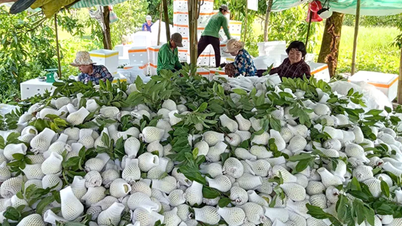
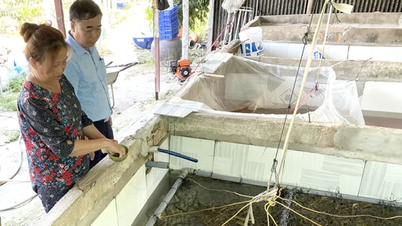
In particular, with more than 511,000 hectares of agricultural land, Can Tho City has identified high-tech agriculture as a strategic direction. In recent years, the city has deployed many effective models such as smart rice production towards emission reduction, synchronous application of "3 reductions, 3 increases", "1 must, 5 reductions" techniques, implementing the Project on Sustainable Development of one million hectares of high-quality and low-emission rice cultivation associated with green growth in the Mekong Delta region by 2030; applying high technology in the production of vegetables, fruit trees, water-saving irrigation systems, greenhouses - net houses, hydroponics, medicinal mushrooms, tissue culture, production according to VietGAP, Global GAP... Developing biosafety livestock, minimizing environmental pollution, drought- and salinity-adapted livestock models; aquaculture according to ASC, SQF, BMP standards... for export.
However, agricultural production still has many limitations, including high investment costs for high technology; uneven access to technology; unstable markets for high-tech agricultural products; and unsynchronized digital transformation in agriculture. This requires closer and more effective coordination between the State - enterprises - institutes, schools - cooperatives - farmers.
The application of high technology in production, the conversion of crop structure and advanced farming models are not only immediate solutions to cope with climate change, but also necessary steps in the process of modernization and sustainable development of the agricultural sector. However, for this application and conversion to be implemented and promoted effectively in the long term, there needs to be synchronous coordination between all levels of government, enterprises, cooperatives and producers.
Dr. Hoang Anh Tuan said that to achieve the above goal, first of all, localities and functional ministries need to establish green credit packages and low-interest, long-term support funds for agricultural projects applying climate change adaptation technology (saving irrigation, smart greenhouses, RAS); apply tax incentives and reduce land rental fees for businesses and farmers implementing low-carbon farming and regenerative agriculture models. Complete the legal framework for the carbon market, especially soon issue clear decrees and technical guidelines on MRV (measurement, reporting, verification) to quantify and certify the amount of carbon stored in the soil and reduce emissions, creating conditions for farmers to access the carbon credit market. Promote public-private cooperation, call for private investment in rural digital infrastructure and research projects, transfer of climate adaptation technology.
Dr. Hoang Anh Tuan said that localities need to develop agricultural technology and infrastructure, focus on building an agricultural data platform, establish a common data platform (Big Data) for the agricultural sector, integrate data from sensors, remote sensing and climate models. This platform needs to be centrally managed and easily accessible, providing early forecast information and supporting decision-making. Increase investment in research and application of gene technology to quickly create heat-, salinity- and drought-resistant crop and livestock varieties; build technology demonstration centers in areas regularly affected by climate change.
Localities also need to focus on low-cost but effective adaptation solutions, such as small-scale rainwater collection and storage systems, improved biogas digesters and the application of mobile information technology to provide crop management information. Provide digital skills training for farmers, conduct short-term, easy-to-understand training programs, use visual and practical tools to guide farmers in proficient use of smart devices, climate forecasting applications and traceability systems; encourage the establishment of high-tech cooperatives and farmer groups to share technology investment costs, easily access credit and synchronously apply sustainable production processes...
Article and photos: HA VAN
Source: https://baocantho.com.vn/giai-phap-ung-dung-cong-nghe-cao-cho-san-xuat-nong-nghiep-thich-ung-bien-doi-khi-hau-a195105.html





































































Comment (0)