


Beyond simply preserving the landscape or developing tourism products, the challenge for the villages of Da Nang today is how to maintain the essence of the local people, preserve nature, and safeguard the cultural values that have been refined over generations.
Unique landscapes
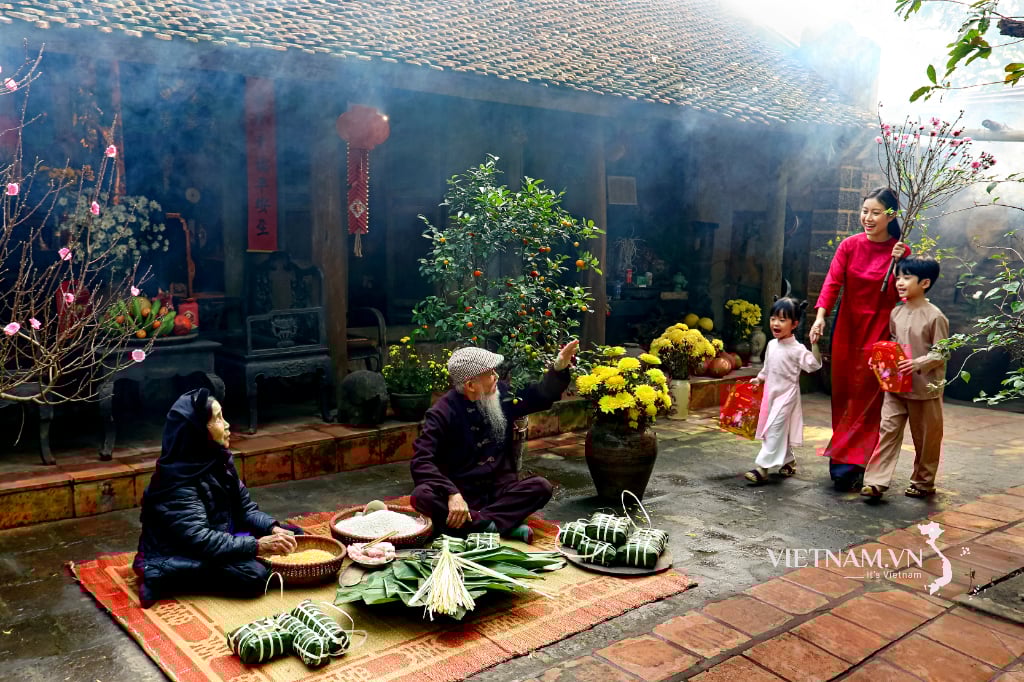
While serving as residential spaces, Vietnamese villages also preserve memories, customs, language, lifestyles, morals, and the way people interact with nature and the community.
Every region possesses a unique soul, shaped by the history, customs, and lifestyles of its indigenous inhabitants. When these elements are lost, even the most well-developed villages become nothing more than lifeless, concrete structures.
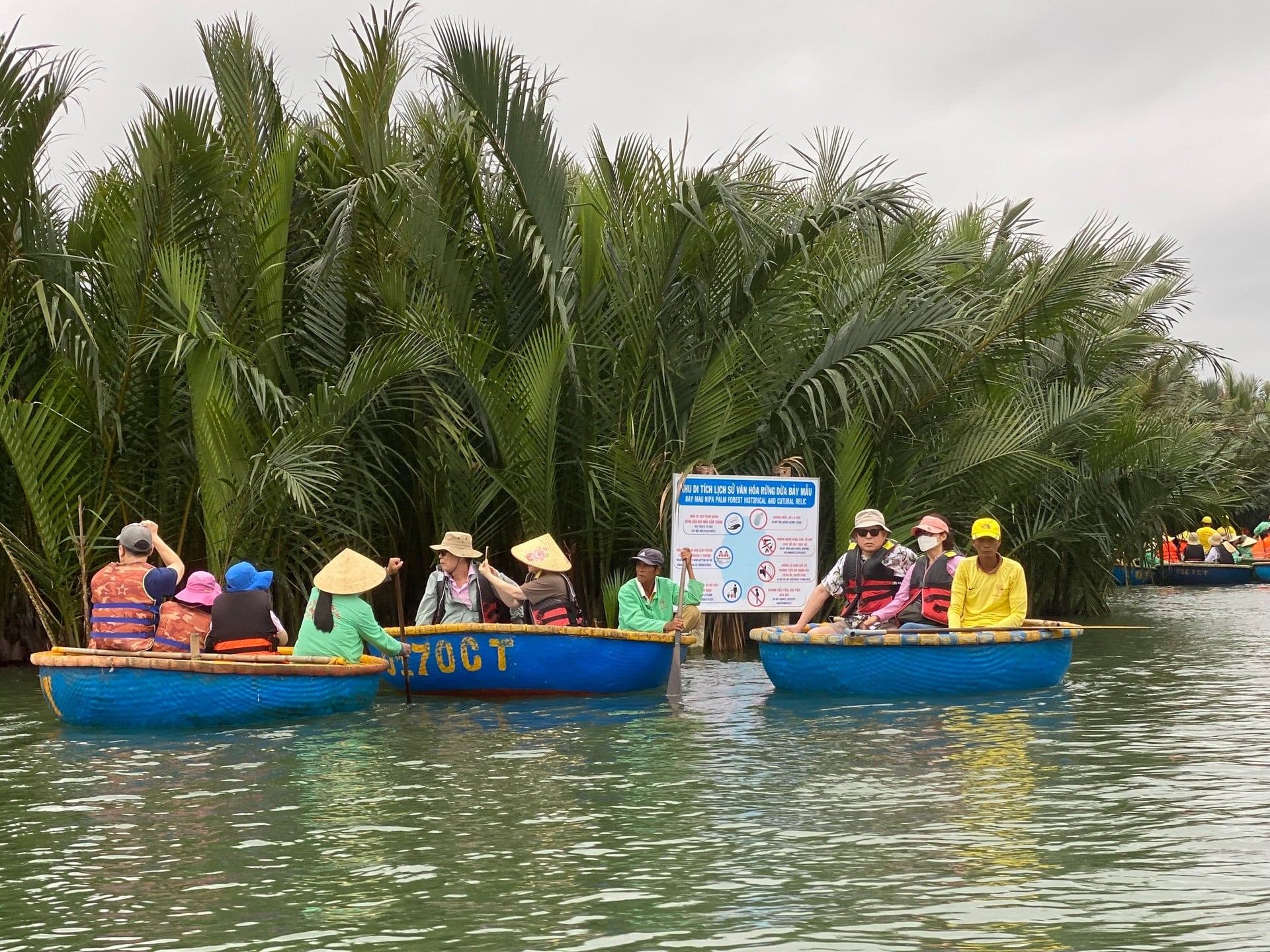
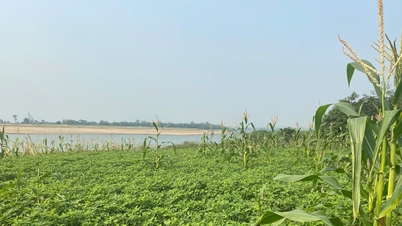
It could be the Seven-Acre Coconut Forest of Cam Thanh, along with the characteristic riverine landscape, and stories about the lives of the people living in the riverine region of Quang Nam. The basket boats, the chants of people pulling in their nets, and the way the people are connected to the river and the coconut groves create a very unique cultural space.
In the hilly region of Tien Phuoc, you'll find moss-covered stone roads, lush orchards, ancient houses nestled under rows of betel nut trees, and the peaceful lifestyle of the local people. It's a rural village where people live in harmony with nature, cherishing every stream and every ancient tree.
Similarly, Dong Giang boasts the majestic Heaven's Gate, along with its pristine mountain scenery and the unique cultural identity of the ethnic minorities. The sound of gongs and drums, traditional dances, stilt houses, and the genuine way of life of the people are invaluable assets.
If tourism development leads to the loss of that pristine quality, turning culture into a forced performance, then the beauty of Dong Giang will no longer be complete.
In Tra My, cinnamon villages and the Ngoc Linh ginseng growing region have long been intertwined with the livelihoods and pride of the mountain people. Cinnamon and ginseng plants are not only economic products but also symbols of indigenous knowledge and farming experience passed down from generation to generation. What is particularly valuable is that the people here have maintained a deep connection with the forest, viewing it as their source of life and an integral part of themselves.
The coastal village of Tam Thanh is another thought-provoking example. While the murals once made the small village famous, what visitors remember most is the simple, peaceful life of the people living by the sea.
Preserving and promoting cultural identity
In reality, many localities are currently facing the risk of excessive commercialization. Many places are chasing short-term profits, building haphazardly, destroying the natural landscape, and transforming rural areas into similar-looking tourist resorts.
The most dangerous thing is when local people gradually lose their own identity, changing their lifestyles and behaviors to cater to fleeting tastes. Once the essence of the local people is eroded, even if the landscape is restored, it will be difficult to preserve the cultural soul.
Therefore, preserving and promoting the values of the countryside today requires a sober and long-term development mindset. First and foremost, the local people must be placed at the center.
People are not only beneficiaries but must also be the subjects of the preservation and development process. They are the ones who best understand the value of their homeland. When people are proud of their language, customs, traditional crafts, and way of life, cultural identity will have lasting vitality.
Along with that is the protection of natural landscapes as an inseparable part of rural culture. The mountains and forests of Dong Giang, the orchards in Tien Phuoc, the Bay Mau coconut forest, or Tam Thanh beach are both tourism resources and the living environment of the local community. Economic development must go hand in hand with protecting the ecosystem and maintaining harmony between humans and nature.
Furthermore, it is necessary to selectively adopt new values to improve living standards without losing traditional roots. Rural areas cannot remain "as they are" forever, but modernization does not mean erasing everything old.
What is essential is to distill the essence of tradition to adapt to the new era. A house can be more comfortable but still retain its distinctive architecture; a festival can be more organized but still maintain its original spirit; tourism can flourish but must be based on genuine cultural foundations.
Preserving the values of rural life today is also about preserving the cultural identity of the nation in the age of globalization. As many places around the world become similar due to the pace of industrial and commercial life, rural areas that retain their unique identity become even more valuable. They are not only local assets but also cultural and spiritual resources for the entire country.
Every village possesses a soul forged over hundreds of years of history. These values don't appear naturally, nor can they be easily restored once lost. Preserving the essence of the local people, the natural landscape, and the inherent characteristics passed down through generations is the key to sustainable development in rural areas.
Source: https://baodanang.vn/giu-hon-que-trong-nhip-song-hien-dai-3336493.html





























































































Comment (0)