

Water levels are low, worries are rising.
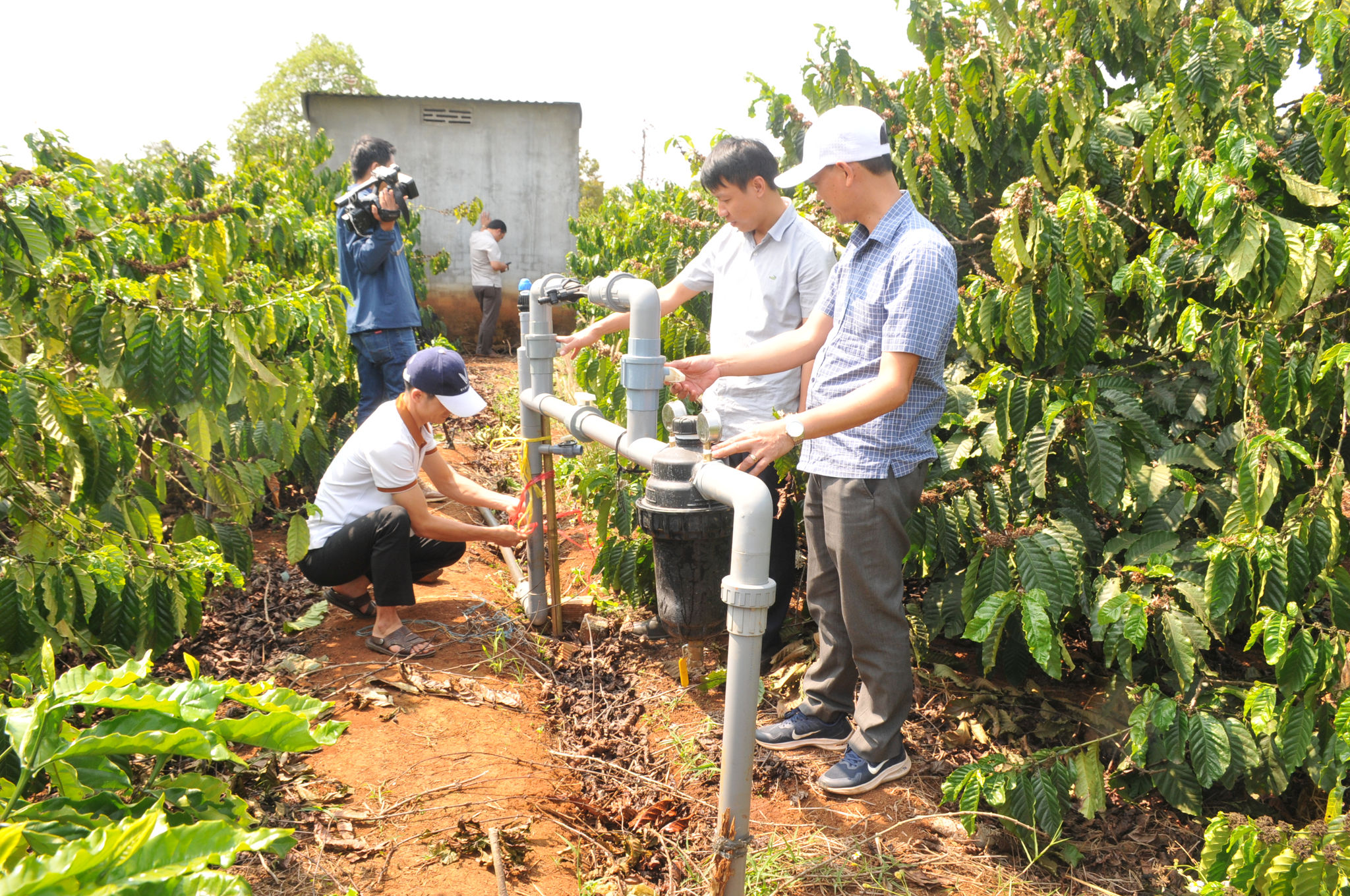
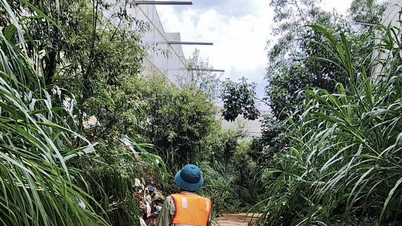
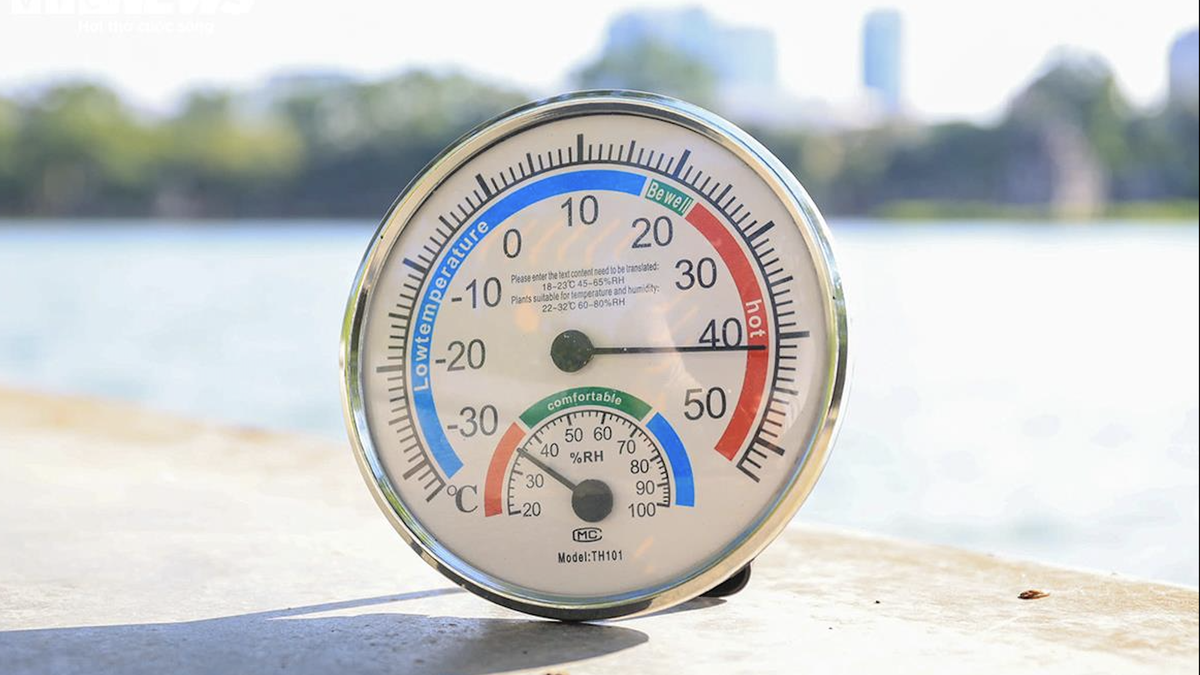
In the midday heat of May, the scorching sun beat down on the orchards in Cu Jut commune. Under the canopy of leaves already turning yellow from lack of water, Mr. Nguyen Van Hung dragged rolls of hose hundreds of meters from his field, trying to "save" his trees through the dry season. "This year, the heat has been prolonged, the temperature unusually high; if we don't manage to do it quickly, the trees will easily wither," he said, his eyes still following the cool water flowing to each coffee plant.
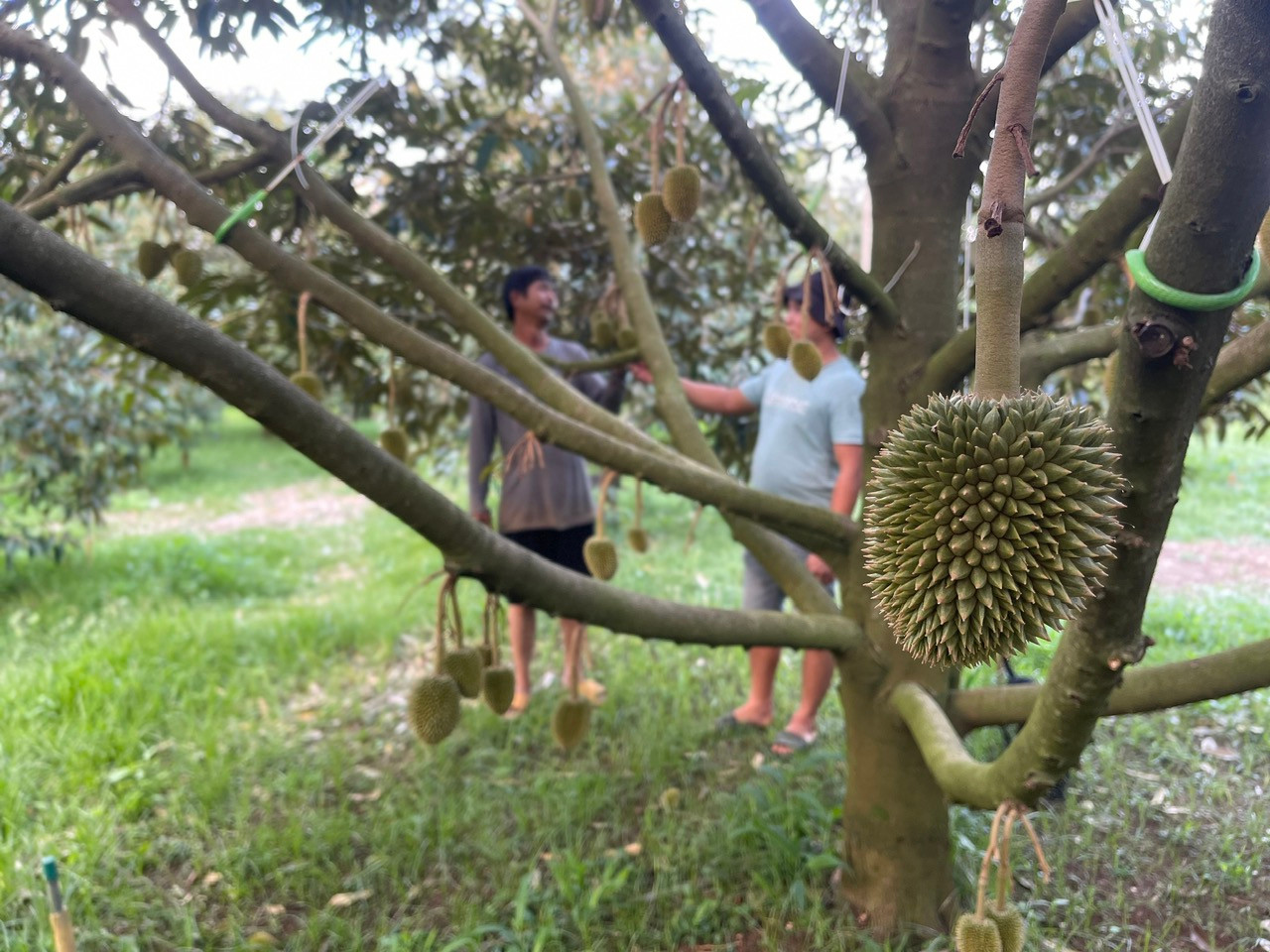
Mr. Nguyen Van Cu, a resident of the commune, is busy from early morning until late at night tending to his family's 1.5-hectare durian orchard. To cope with the heat, Mr. Cu regularly monitors the condition of each clump of leaves, the soil moisture, and applies various measures to care for the trees bearing young fruit. Mr. Cu shared: "Durian trees are very sensitive to the weather. In conditions of rising temperatures, my biggest worry is that the durian trees will suffer from heat shock." According to Mr. Cu, because the temperature rises during the day, he waters the trees for 1-2 hours every morning, but the fruit still falls off. Therefore, this year, he has to closely monitor each stage and dare not be complacent.
Not only durian growers, but also many coffee and pepper farmers in localities throughout the province are facing the risk of leaf burn and drying of young fruit if stable moisture levels are not ensured. Therefore, Lam Dong's orchards are struggling to cope with the drought as temperatures rise due to prolonged hot weather. In some areas, ponds and lakes are drying up, small streams are gradually running dry, and orchard soil is cracking due to lack of moisture... All of this is creating a harsh dry season that is testing people's resilience.
The pressure of water scarcity is particularly evident in key industrial and fruit-growing areas far from irrigation systems. With tens of thousands of hectares of coffee, pepper, durian, avocado, etc., depending on irrigation water, even a slight delay in irrigation can affect the entire crop.
Adapt to change
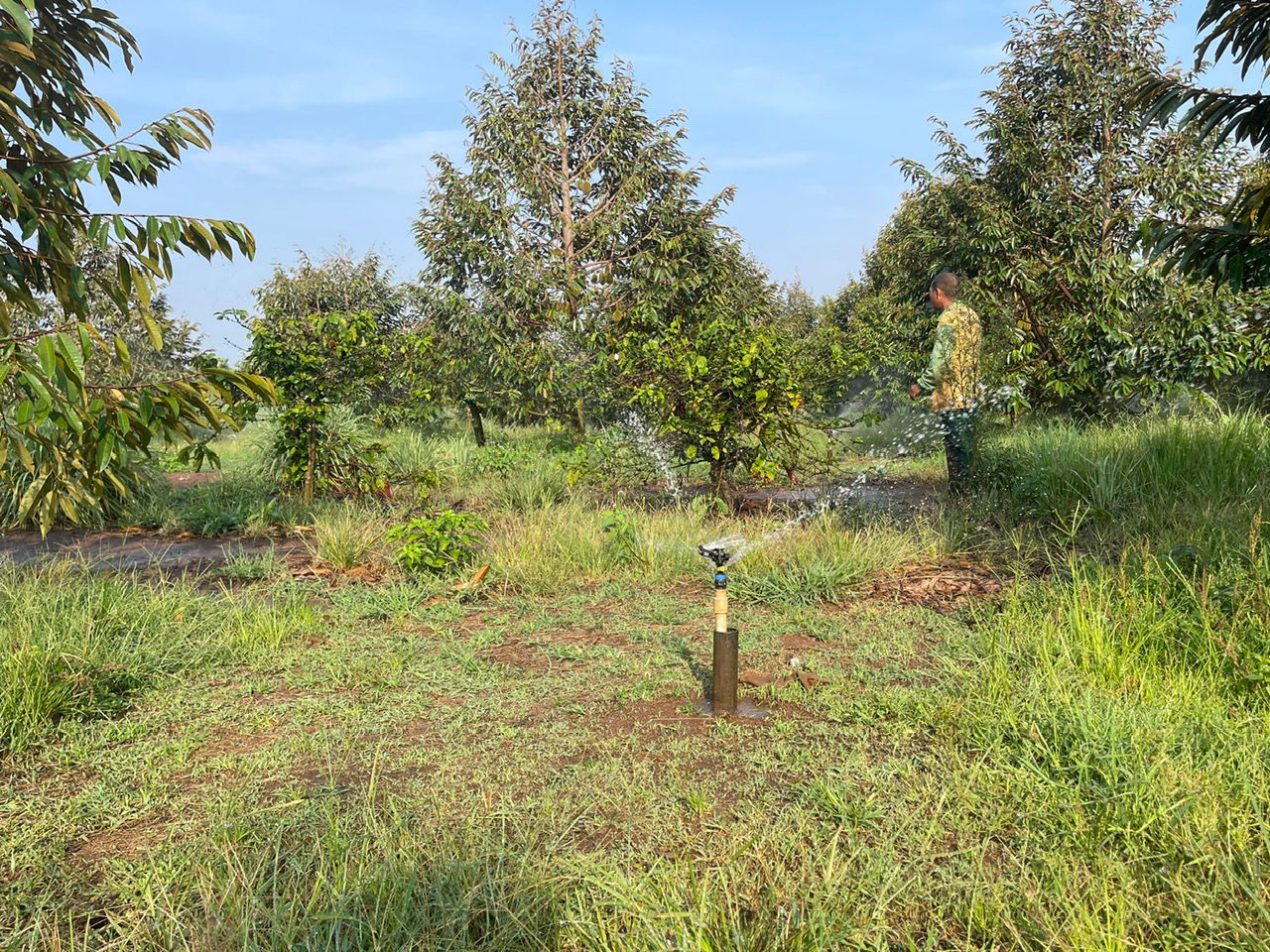
Faced with this reality, many farmers have proactively changed their farming methods to adapt to increasingly harsh weather conditions. With over 2 hectares of durian trees, Mr. Nguyen Quoc Viet's family in Dam Rong 2 commune has invested in a water-saving irrigation system, replacing the previous flood irrigation method. Layers of coffee husks and straw are used to mulch around the base of the trees, retaining soil moisture. "Switching to drip irrigation reduces water consumption by about 30-40%, while the trees still receive sufficient moisture. Mulching helps retain water longer, preventing the soil from drying out as quickly as before," Mr. Viet explained.
Like Mr. Viet, many farmers in the area have also started applying similar measures. Some orchards even maintain natural grass cover to reduce heat radiation and retain soil moisture. On days with peak sunshine, people take advantage of watering in the early morning or late afternoon to minimize water loss.
According to experts, water-saving irrigation methods such as drip irrigation and localized sprinkler irrigation can reduce water consumption by 30-40% compared to traditional irrigation, while also improving water efficiency in drought conditions.
The agricultural sector gets involved.
Not only are people fending for themselves, but the local agricultural sector is also implementing many solutions to mitigate the impact of drought. Local authorities have reviewed areas at risk of water shortage and proactively changed crop structures. Specifically for the winter-spring crop, hundreds of hectares of low-yield rice land have been converted to planting short-term, drought-resistant crops such as corn, potatoes, and pumpkins to reduce the pressure on irrigation water.
According to Mr. Tran Quang Duy, Deputy Head of the Crop Production and Plant Protection Sub-Department (Department of Agriculture and Environment), the provincial agricultural sector recommends that people use short-day varieties, arrange planting seasons flexibly, and apply technical measures synchronously. In particular, maintaining soil moisture at 60-70% and mulching the base of plants with a 10-20 cm thick layer of organic material are considered important solutions to help plants overcome drought conditions.
For each type of crop, specific technical guidelines are also provided. Coffee plants are recommended to be watered every 15-20 days, combined with pruning and supplementation of macro and micronutrients to increase resistance. Pepper plants should be watered every 7-10 days, maintaining soil moisture and minimizing heat stress.
For fruit trees, especially durian, maintaining stable moisture levels is paramount to prevent flower and fruit drop. At the same time, farmers need to thin out the fruit, balance nutrients, and closely monitor for pests and diseases that may arise during hot weather.
According to Mr. Duy, in the context of increasingly extreme weather conditions, changing farming practices is a key factor. "It's impossible to produce in the old way when natural conditions have changed. Farmers need to switch to water-saving methods, increase the use of organic fertilizers, supplement micronutrients, and apply integrated pest management to improve crop resilience," Mr. Duy emphasized.
Lam Dong province currently has over 97,202 hectares of crops using water-saving irrigation systems, including coffee, vegetables, flowers, and fruit trees. These models help save 30-50% of water, reduce labor costs by 20-30%, and increase crop yields by 10-25%.
Source: https://baolamdong.vn/giu-mau-xanh-qua-mua-nang-han-442645.html




















































































Comment (0)