

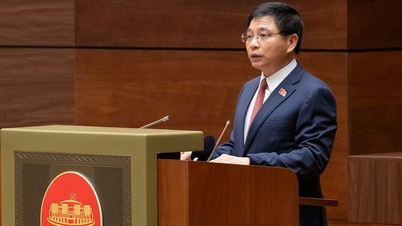
On December 8, the National Assembly heard a report and discussed the draft amendments and supplements to a number of articles of the Law on Value Added Tax (VAT).
Collecting VAT and then refunding it: A burden?
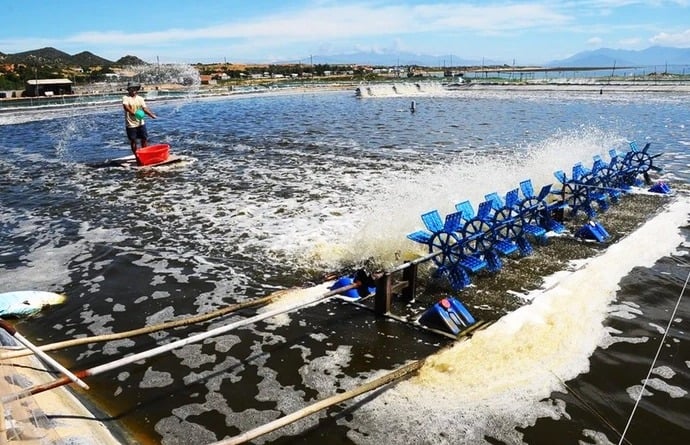
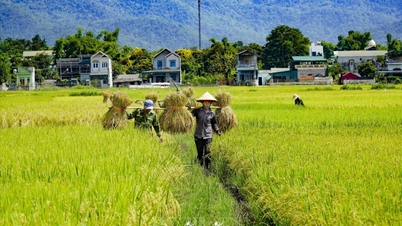
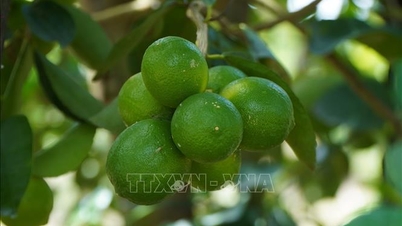
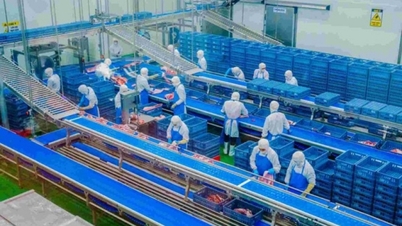
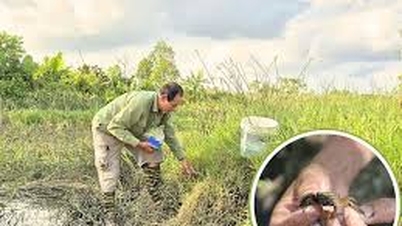
According to the draft, the Government will amend in the direction of adding that unprocessed or only pre-processed crops, forests, livestock, aquaculture products, and fishing products of organizations and individuals that produce, catch, sell, and import will not be subject to VAT.
At the same time, the bill supplements the tax deduction provision in the direction that "input VAT of goods and services not subject to VAT" is fully deductible.
The above amendment comes from the fact that in November 2024 the National Assembly issued VAT Law effective from July 1, 2025. However, through implementation, many associations and businesses have reported problems with the agricultural sector, animal feed and tax refund conditions.
Enterprises must pay 5% input VAT on agricultural products purchased and sold at the commercial stage. This tax is refunded, leading to wasted time and capital stagnation for enterprises, causing financial pressure and reducing business efficiency. This regulation also creates discrimination between domestically produced agricultural and aquatic products and imported agricultural and aquatic products.
The animal feed industry is not subject to tax, so it cannot deduct or refund input VAT, leading to increased costs and selling prices for businesses, affecting livestock farmers.
This regulation also does not ensure fairness and may reduce competitiveness with imported animal feed products because imported animal feed is not subject to VAT.
Delegate Hoang Van Cuong (Hanoi) said that the current policy is inappropriate as it causes loss of work in tax collection and refund and does not bring any benefits to either the State or businesses.
In fact, the above products are subject to tax, causing businesses to have to pay 5% tax when selling to export companies and get refunded, so it will not create real value for the budget.
Meanwhile, businesses will have to temporarily advance a large amount of money to pay the 5% tax for a long time, while this is an unnecessary administrative process when collecting taxes and then refunding them.
In principle, VAT is levied on the final consumer, not on the producer, so the above tax deduction for business sales activities is not appropriate.
Do not let businesses be taxed on double taxes
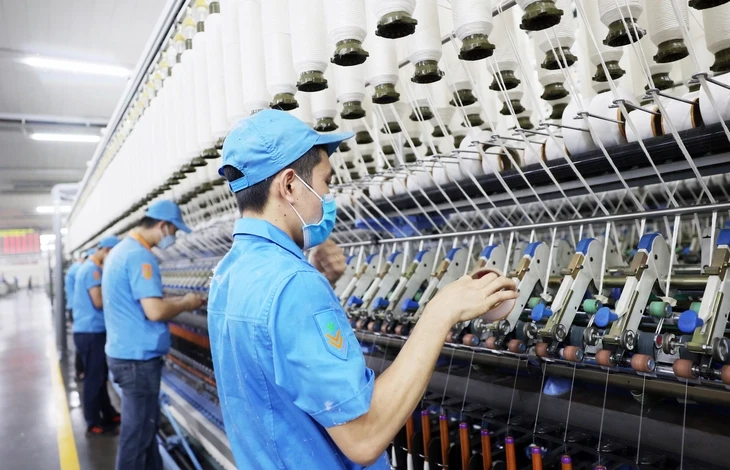
Agreeing with the policy amendment to promptly remove tax barriers, make substantial reforms and accompany businesses, delegate Tran Thi Van (Bac Ninh) said that removing the content of applying value added tax to the above products will help overcome the situation of double tax. From there, businesses will have more financial space to maintain operations and reinvest to expand production.
Ms. Van said that in 2024, when the law takes effect, a series of businesses and industry associations will continuously send in problems, inadequacies, and barriers in implementation. Especially manufacturing enterprises. animal feed facing big challenges when 80% of raw materials are imported, prices are unstable, logistics cost chain is unstable, difficult to compete.
Therefore, if this policy mechanism is not amended, businesses will significantly reduce their competitiveness in the domestic market.
Although agreeing with the above policy amendment, delegate Nguyen Thi Lan (Hanoi) suggested that in order for the law to be implemented more smoothly, it is necessary to clarify that the subjects not subject to VAT are unprocessed agricultural, forestry and fishery products, as distinguished from ordinary newly processed products. Having clear regulations will create peace of mind in law enforcement.
Source: https://baoquangninh.vn/go-bat-cap-thue-vat-cho-nong-nghiep-3387814.html

![[Photo] Urgently help people soon have a place to live and stabilize their lives](/_next/image?url=https%3A%2F%2Fvphoto.vietnam.vn%2Fthumb%2F1200x675%2Fvietnam%2Fresource%2FIMAGE%2F2025%2F12%2F09%2F1765248230297_c-jpg.webp&w=3840&q=75)
![[Photo] General Secretary To Lam works with the Standing Committees of the 14th Party Congress Subcommittees](/_next/image?url=https%3A%2F%2Fvphoto.vietnam.vn%2Fthumb%2F1200x675%2Fvietnam%2Fresource%2FIMAGE%2F2025%2F12%2F09%2F1765253019536_a1-bnd-0983-4829-jpg.webp&w=3840&q=75)





































































Comment (0)