

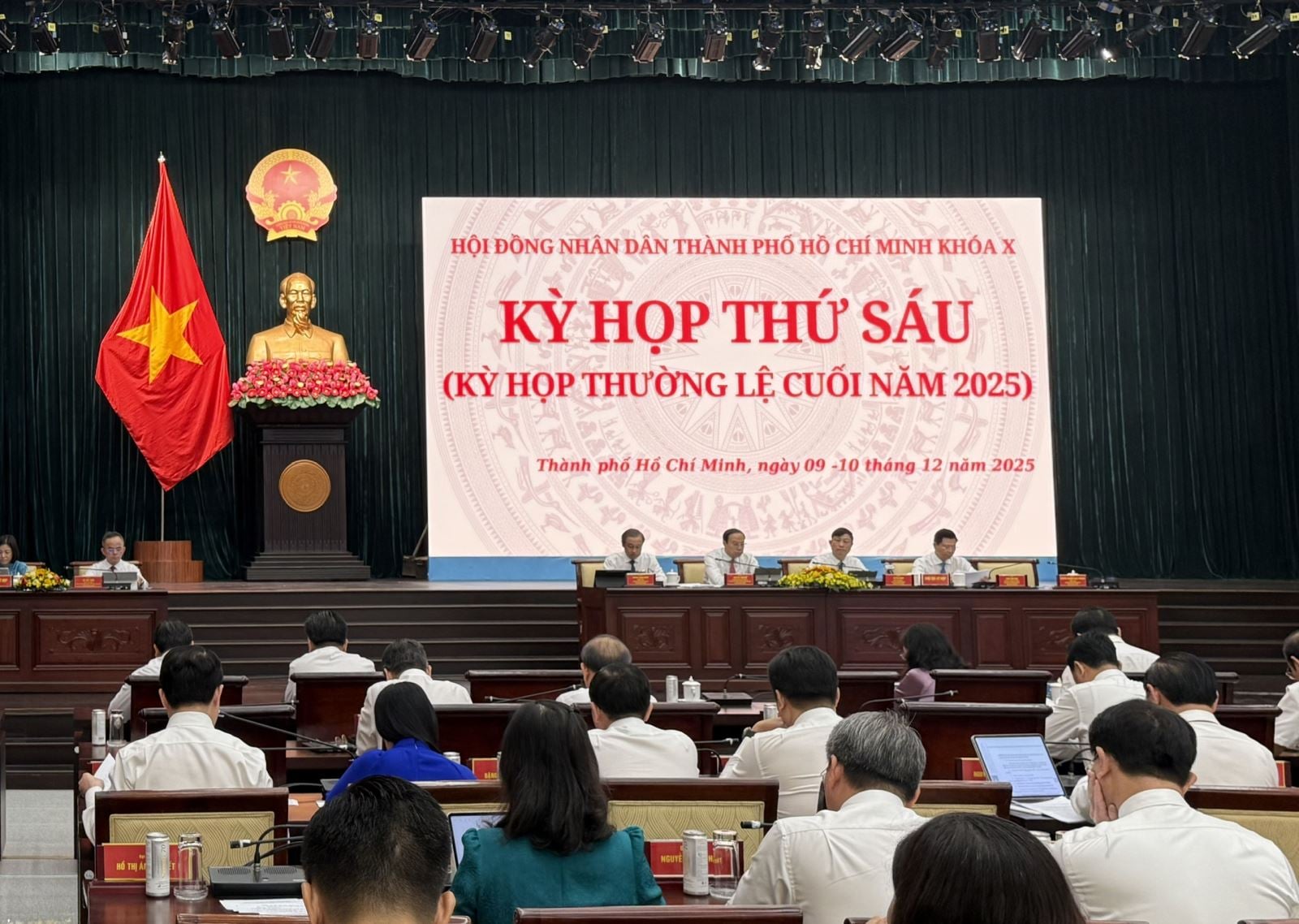
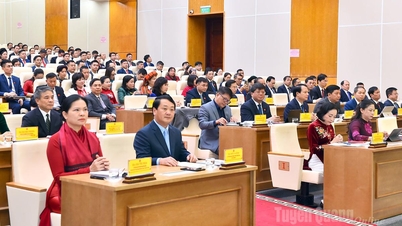
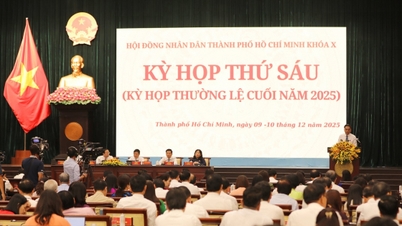
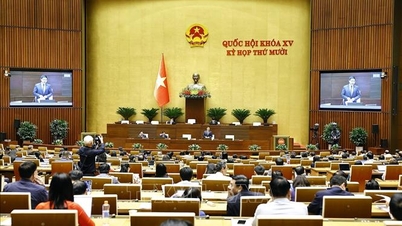
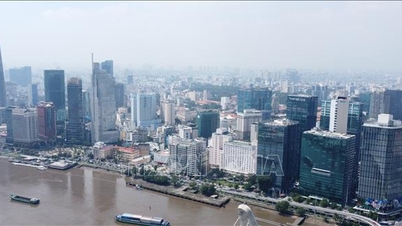
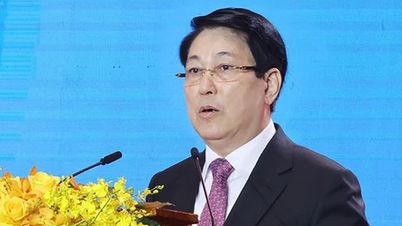
Mr. Vo Van Minh, Chairman of the People's Council of Ho Chi Minh City, said that in 2025, the City completed the merger of administrative units and implemented the two-level local government model, creating an important foundation for urban governance innovation. Thanks to a streamlined organization and more efficient operation, the City's socio -economic situation continues to maintain positive growth momentum, with many key indicators clearly improving, thereby affirming the leading role and adaptability of Ho Chi Minh City in the new development stage.
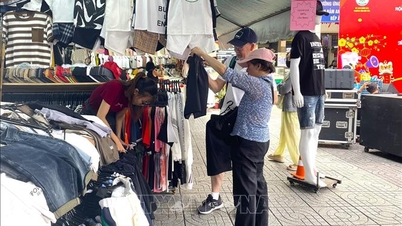
Accordingly, the City's GRDP in 2025 is estimated to increase by about 8.03%, higher than the national average. The total GRDP value is about 2.74 million billion VND, accounting for 23.5% of the national GDP; GRDP per capita is 8,066 USD. Foreign investment attraction is 8.16 billion USD, an increase of more than 21% over the same period in 2024. In addition, trade and service activities are bustling, reflected in the total retail sales and consumer service revenue increasing by 13.5%. The industrial production index increased by 9%. State budget revenue is estimated at 746,438 billion VND, equal to 109.6% over the same period and reaching more than 111% of the central budget estimate; of which local budget revenue is about 533,850 billion VND.
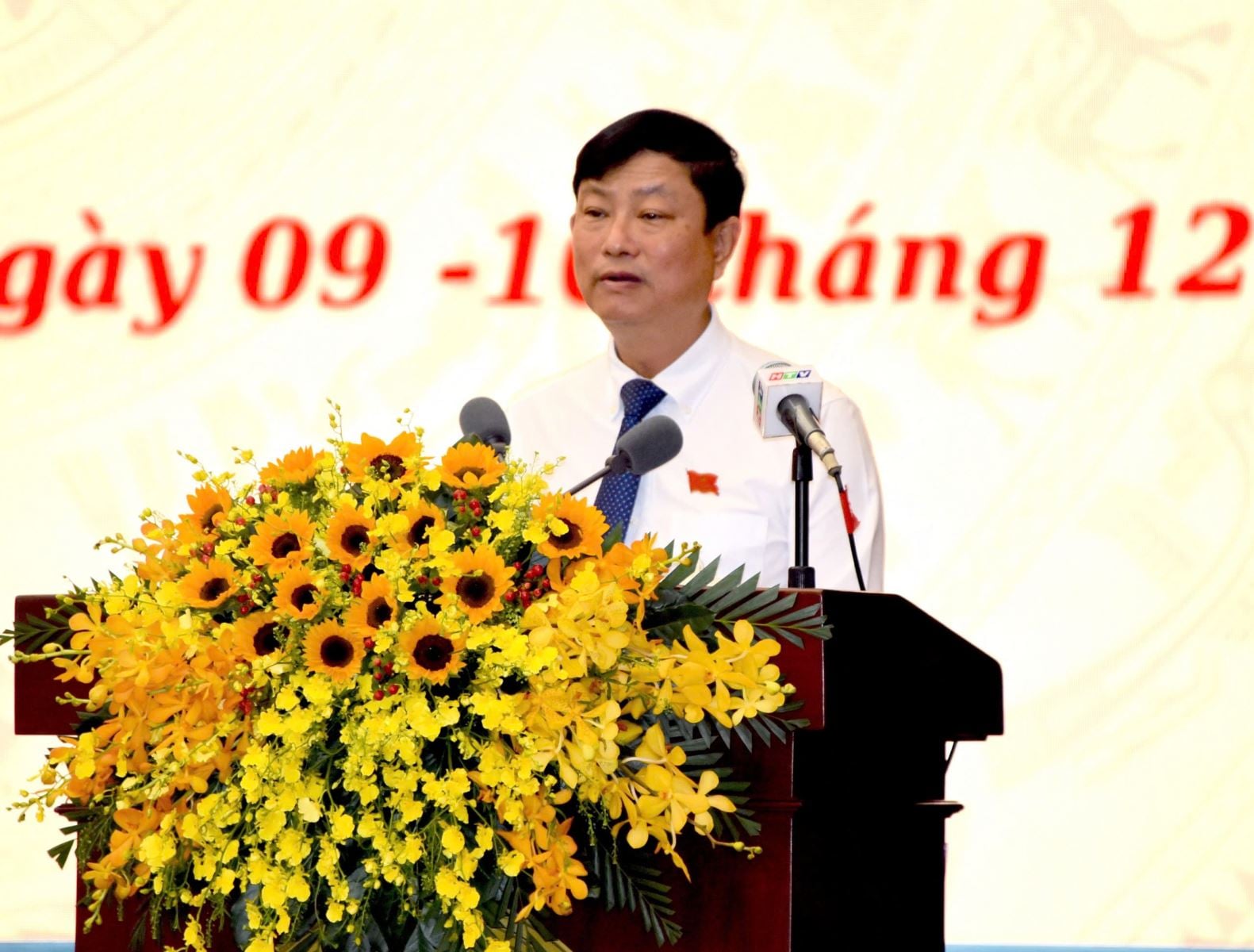
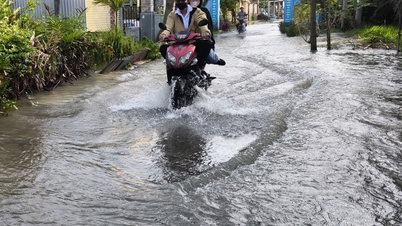
In addition to the above bright spots, Mr. Vo Van Minh also frankly pointed out many shortcomings that Ho Chi Minh City needs to overcome such as: some socio-economic indicators have not met expectations; progress of key projects and implementation of Resolution 98 is still slow; urban infrastructure, traffic, and society are under great pressure. Land planning and management are still inadequate; administrative reform and business investment environment have changed but have not met requirements. Many households still have difficulties in housing and employment; environmental issues, flooding, traffic jams and security and order continue to pose challenges to management.
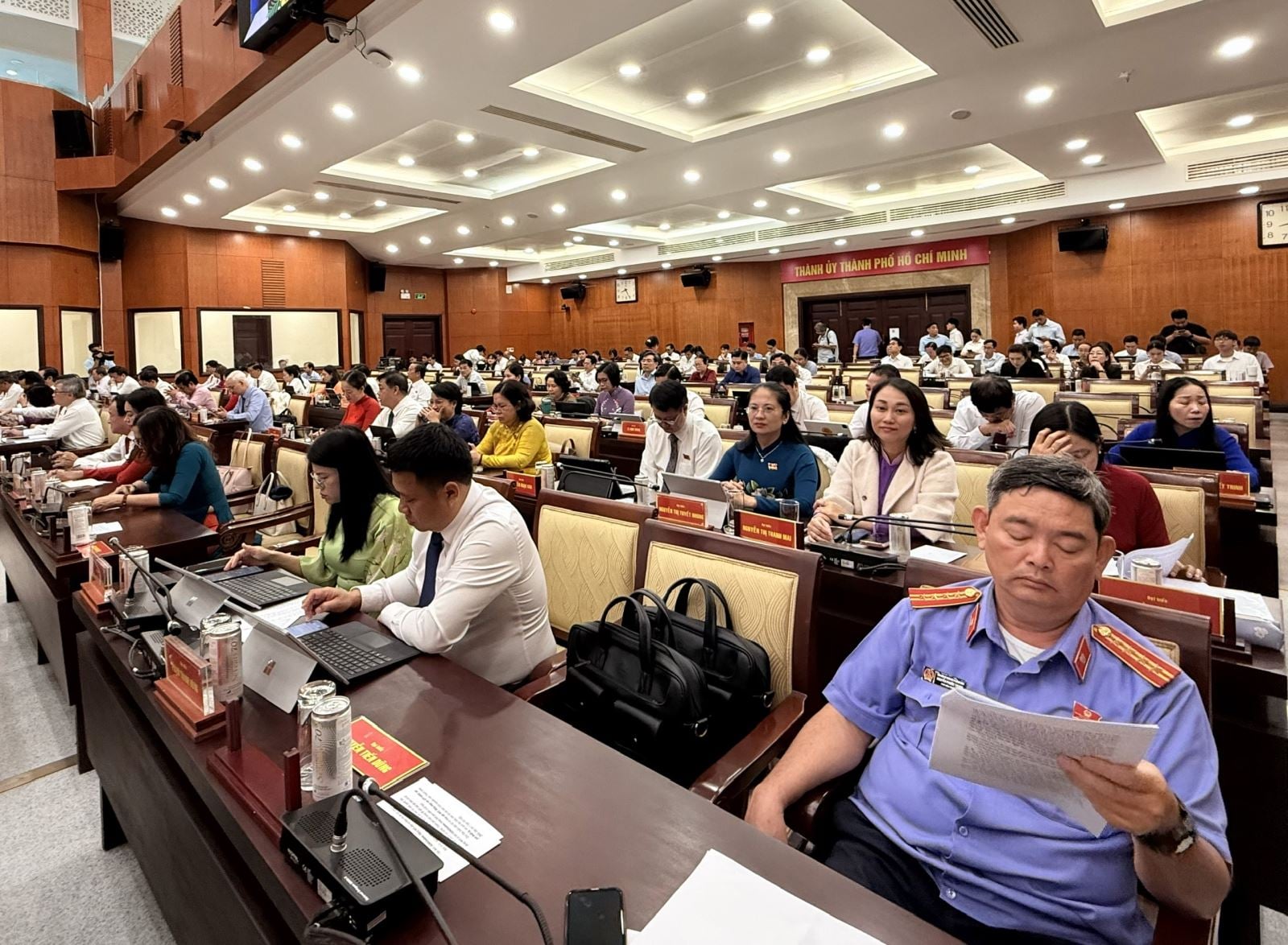
According to Mr. Vo Van Minh, the agenda of this session focuses on two main groups of content. Firstly, delegates will listen to and discuss the socio-economic report for 2025; tasks and solutions for 2026 and the period of 2026 - 2030; results of resolving voters' petitions and evaluating the 2025 theme of streamlining the apparatus, digital transformation and implementing Resolution 98. The session will also review the budget settlement, revenue and expenditure estimates for 2026 and the period of 2026 - 2030, along with many important reports of the City People's Committee in the fields of socio-economics, public investment, finance and budget.
The second group of contents is to review and decide on the system of resolutions presented at the session. This time, the Ho Chi Minh City People's Council will discuss 54 contents, including 27 legal resolutions and 27 individual resolutions. The resolutions focus on key issues such as public investment; public-private partnership; financial-budgetary mechanisms; fee and charge policies; revenue decentralization; social security policies to support the poor, meritorious people and vulnerable groups; human resource development; contents serving the preparation for the election of the 16th National Assembly and People's Councils at all levels for the 2026-2031 term.
Reporting on the socio-economic situation in 2025 at the meeting, Mr. Nguyen Loc Ha, Vice Chairman of the Ho Chi Minh City People's Committee, said that 2025 is an important milestone when the City completes the arrangement of administrative units, operates a two-level government model and merges the development space with Binh Duong and Ba Ria - Vung Tau. In the context of many difficulties, the Party Committee and government of the three localities after the merger have maintained their initiative, solidarity and efforts to overcome difficulties, helping the City achieve comprehensive results in most areas. Looking to 2026, Ho Chi Minh City focuses on building three growth scenarios to flexibly adapt to the new context.
According to Mr. Nguyen Loc Ha, the baseline scenario targets GRDP growth of 8.5 - 9%, with total social investment capital accounting for 24% of GRDP; the scenario strives for a growth rate of 9.5% and GRDP scale of about 3.4 million billion VND. In a favorable case, the City targets a high growth rate of 10% thanks to maximizing the mechanism from Resolution 98 and attracting strategic investors, with total social investment capital reaching 30% of GRDP.
The main accompanying indicators include: GRDP per capita of 9,800 USD; digital economy contributes 30% of GRDP; R&D spending 2-3% of GRDP; labor productivity increases by 7.5%; 95% of people participate in health insurance; the rate of schools meeting national standards continues to increase at all levels. Ho Chi Minh City also aims to treat over 45% of waste with new technology, expand social housing by more than 25,000 units and complete the relocation of 1,900 houses along canals.
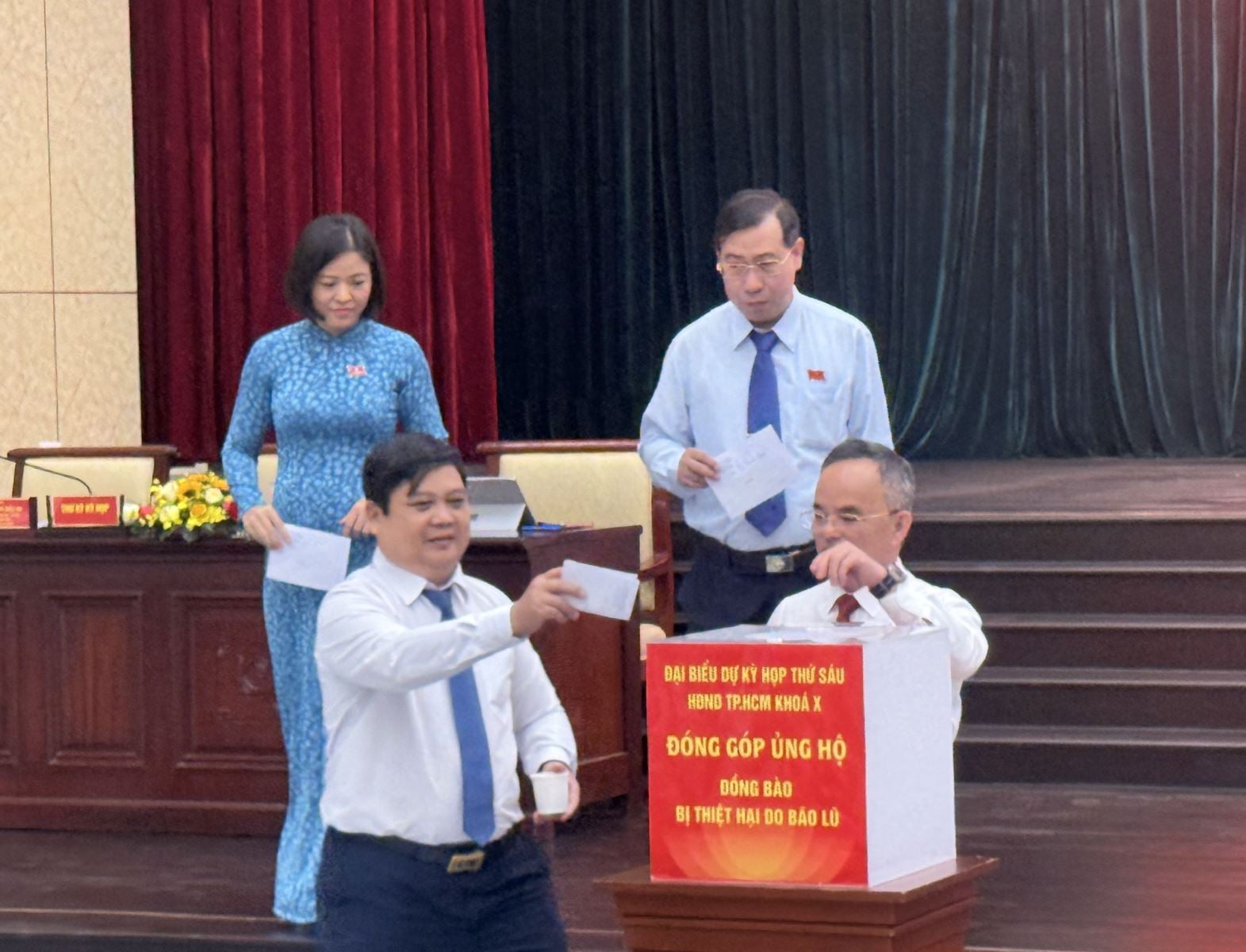
Mr. Nguyen Loc Ha said that to achieve the socio-economic goals in 2026, Ho Chi Minh City will focus on maximizing the mechanism from Resolution 98, promoting strategic investment attraction and accelerating infrastructure capital disbursement. The city also prioritizes science and technology development, digital transformation, improving labor productivity; improving the business environment and quality of public services; at the same time, expanding social security, developing housing, reducing flooding and treating waste with modern technology. These solutions aim to create strong changes in governance and improve people's quality of life.
Source: https://baotintuc.vn/thoi-su/hdnd-tp-ho-chi-minh-ban-nhieu-quyet-sach-lon-cho-giai-doan-phat-trien-moi-20251209111259272.htm



![[Photo] Urgently help people soon have a place to live and stabilize their lives](/_next/image?url=https%3A%2F%2Fvphoto.vietnam.vn%2Fthumb%2F1200x675%2Fvietnam%2Fresource%2FIMAGE%2F2025%2F12%2F09%2F1765248230297_c-jpg.webp&w=3840&q=75)





































![[Photo] General Secretary To Lam works with the Standing Committees of the 14th Party Congress Subcommittees](https://vphoto.vietnam.vn/thumb/402x226/vietnam/resource/IMAGE/2025/12/09/1765265023554_image.jpeg)



















Comment (0)