

 |
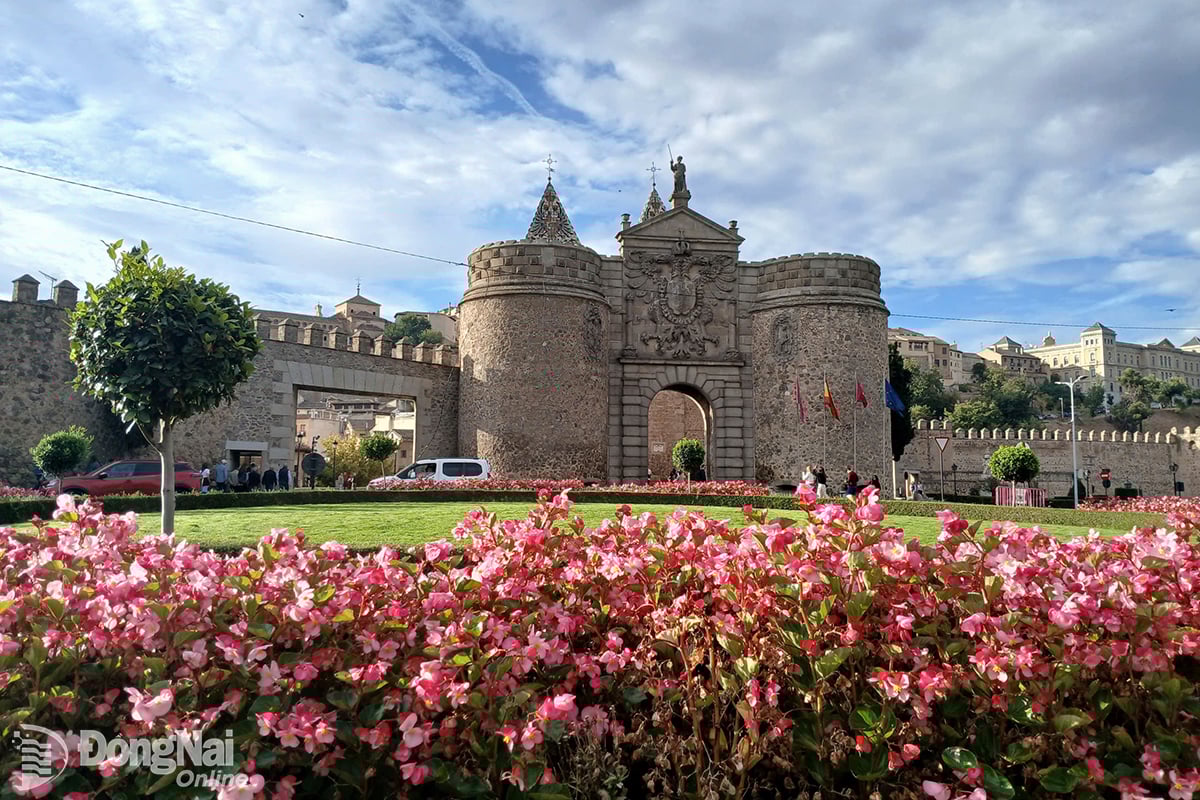
| The ancient capital of Toledo has been preserved quite intact after thousands of years. |
With more than 2,000 years of history, Toledo is not only a testament to the intersection of three cultures (Christianity, Islam, Judaism) but also a valuable lesson in heritage conservation and exploitation. By preserving ancient relics and exploiting sustainable tourism, Spain has turned Toledo into a successful model, helping to promote cultural values while bringing economic and social benefits.
Unique historical and cultural values
Toledo is located 70km south of Madrid, built on a high rocky hill surrounded by the Tagus River, creating a picture of an ancient city with narrow winding streets and historical multi-layered architecture. The city was once the capital of the Visigoth Kingdom, a fortress of the Emirate of Cordoba and even a temporary center of power under Emperor Charles V in the 16th century. Dubbed the City of Three Cultures, Toledo is where Christian, Jewish and Muslim communities coexist peacefully , leaving their mark in Mudejar architecture - a subtle combination of Visigoth, Islamic and Christian styles.
In a globalized world , heritage is not a burden but a driving force for development, helping peoples preserve their identity and share it with the world.
Notable monuments such as the Gothic Cathedral (built in 1226), the Santo Tomé Monastery with El Greco's painting of Christ burying Count Orgaz, the Cristo de la Luz Mosque (10th century), and Jewish synagogues such as Santa María la Blanca, are not only masterpieces of art but also preserve more than 2,000 years of history. UNESCO highly values Toledo because it "is a treasure trove of more than 2 millennia of history, testifying to the diversity of civilizations from Roman to Islamic". These values are not only aesthetic but also educational, reminding of the spirit of tolerance and creativity of humanity, especially in the contemporary context full of religious conflicts.
Measures to preserve monuments and heritage in Toledo
The conservation of Toledo is a systematic process, combining state policy, international support and local communities. Since 1940, Toledo has been recognized as a “historic-artistic area”, with strict urban planning regulations to protect the 260-hectare historic center. UNESCO plays an important role by monitoring and funding restoration projects, such as the conservation of King Wamba’s Visigoth wall or Roman relics such as the Tagus Bridge and the underground aqueduct system. Annual festivals organized by UNESCO, such as World Heritage Day, help raise public awareness of the value of conservation.
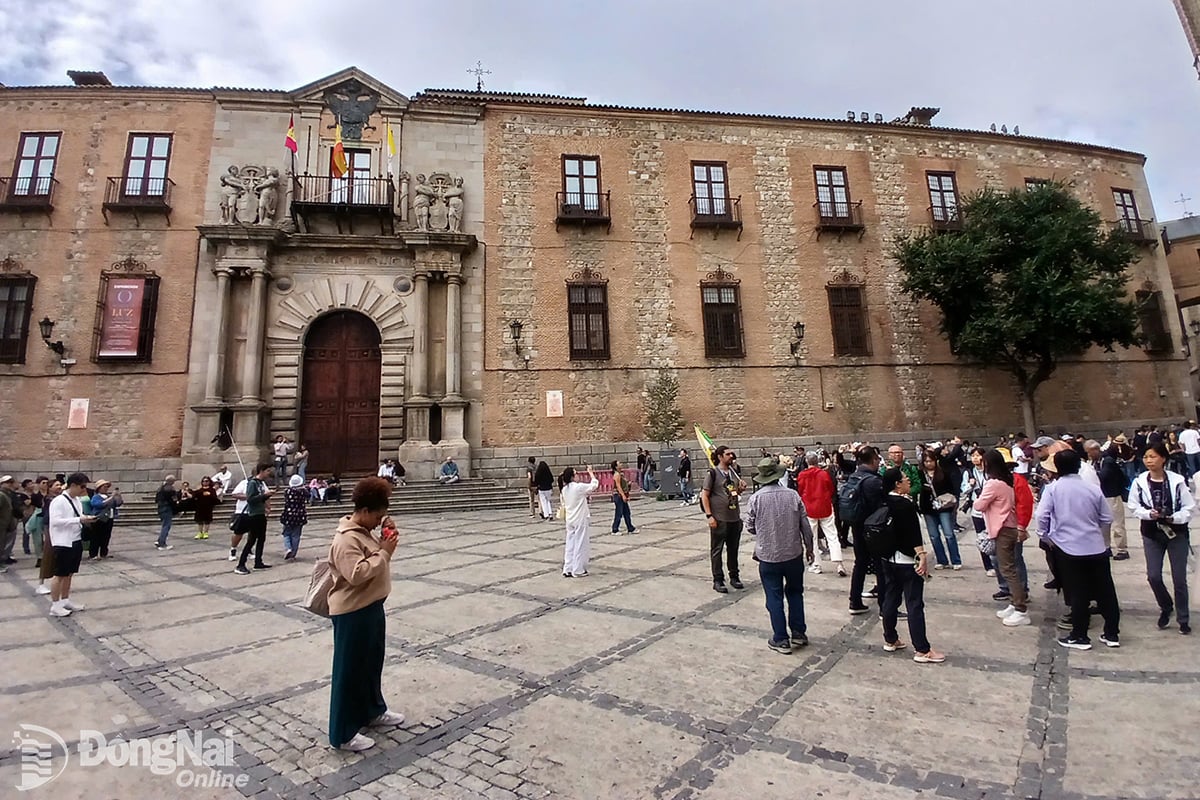 |
| The ancient Zocodover Square in the ancient capital of Toledo is often crowded with visitors. |
The local and regional governments of Castile-La Mancha have invested heavily in modern technology, using 3D digitalisation to map sites, helping to detect and repair damage early. For example, projects to restore the Alcazar (fortress) after the Spanish Civil War have turned it into a military museum, both preserving and educating. At the same time, the community is actively involved through training programmes in traditional crafts such as damascene steel – a legacy from the Moorish period – helping locals become guardians of the heritage. However, a major challenge is the depopulation of the historic centre due to tourism pressure, leading to political debates about the balance between conservation and residential development. Measures such as tax incentives for residents and property price controls have been applied to keep the community vibrant.
Toledo is also a testament to how heritage can be exploited without losing its cultural value. Since the 1990s, the city’s economy has shifted from agriculture to tourism and light industry, with tourism being the main contributor thanks to its proximity to Madrid (now less than 60 minutes away). Every year, Toledo welcomes millions of visitors, who explore its old town walking tours, El Greco art exhibitions and nighttime light festivals. Tourism revenue comes not only from admission tickets but also from handicrafts such as marzipan and Toledo steel knives, providing jobs for thousands of residents.
Sustainable exploitation is ensured through the principles of sustainable tourism for UNESCO World Heritage sites, combining conservation with economic use. Regulations limit the number of daily visitors to some monuments, encourage community tourism (homestays in ancient houses) and integrate environmental education to reduce waste. As a result, Toledo not only maintains its attractiveness but also increases its global recognition, contributing to the GDP of the Castile-La Mancha region. However, tourism pressure sometimes overloads infrastructure, requiring strategies such as diversifying tourist routes to distribute the flow of people.
Lessons in global heritage conservation
Through Toledo, Spain suggests to us that heritage conservation must be a balance between the past and the future. First, there needs to be a strict legal framework and international coordination such as UNESCO to protect relics from urbanization. Each country must issue strict regulations to preserve its own historical and cultural values. Second, economic exploitation must prioritize sustainability, linking exploitation with restoration with solutions that truly ensure the safety of heritage, avoiding "fake conservation" by integrating local communities into the tourism value chain. Third, education and festivals are the key to promoting spiritual values, turning heritage into a contemporary cultural bridge. Fourth, doing a good job of promoting to attract tourists, while ensuring that both the people and tourists must participate in preserving the common heritage of humanity, not just of any country or any nation.
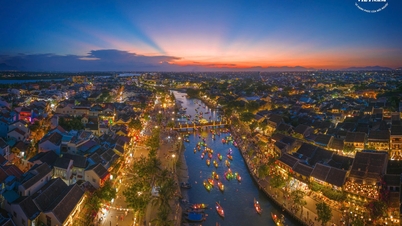
For Vietnam, with heritage sites such as Hoi An or Hue, the Toledo model suggests applying digital technology and experiential tourism to combat the challenges of urbanization and climate change. Or in each locality, with national historical and cultural relics, it is also necessary to apply that method to both preserve and promote values to the majority of people.
Nguyen Minh Hai
Source: https://baodongnai.com.vn/kinh-te/dich-vu/202512/hoc-cach-gin-giu-va-khai-thac-hieu-qua-di-san-tu-co-do-toledo-tay-ban-nha-8660989/
















































































Comment (0)