

Streamlining the apparatus, perfecting operational functions
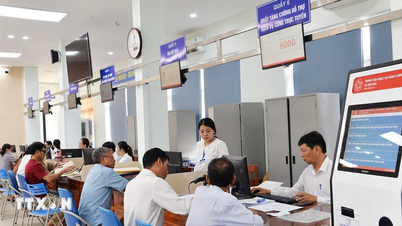
Implementing the Central Government's policy on building a streamlined, effective and efficient apparatus, since March 15, 2025, the State Treasury (KBNN) has completed the organizational arrangement according to a 2-level model. The reduction of the number of focal points from 1,047 to 582 units, equivalent to more than 44%, marks an important step in the process of modernization and professionalization of the apparatus.
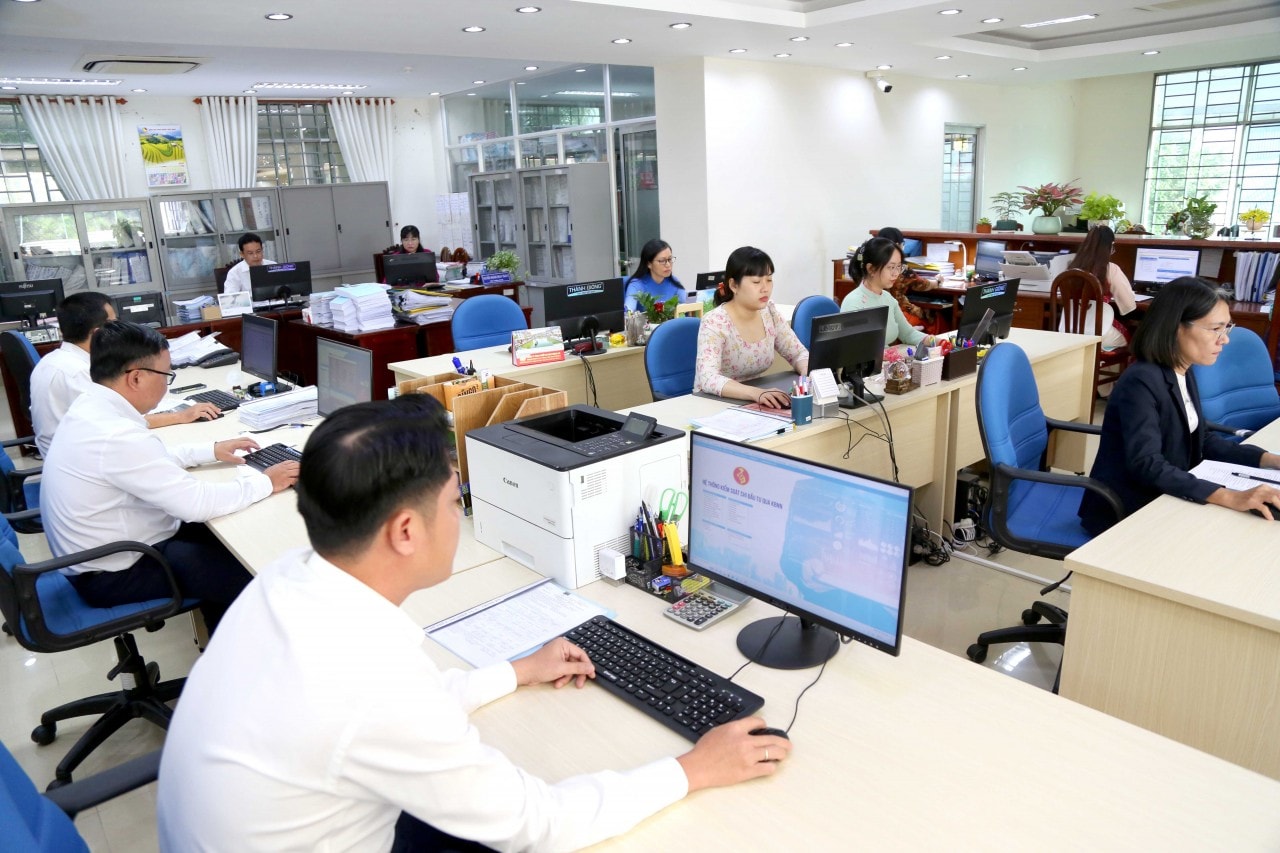
To ensure the stable operation of the new system, the State Treasury has issued synchronous regulations on functions, tasks and organizational structure at both the central and regional levels; organized conferences to disseminate information; transferred data; and upgraded technical infrastructure. The restructuring was carried out decisively but cautiously, aiming to maintain continuous business operations, especially in the context of increasing budget transaction volume.
In parallel with the organization arrangement according to the 2-level model, the State Treasury continues to implement the contents according to Conclusion No. 160-KL/TW and 167-KL/TW of the Politburo and the Secretariat on the organization and administrative unit arrangement. Accordingly, 20 regional State Treasuries are rearranged, the management area is adjusted according to the new administrative unit; the provincial Transaction Office system is also reorganized to ensure effective management at the commune level. The team of key civil servants is strengthened, in accordance with the operational requirements in the new model.
The State Treasury will also submit to the Ministry of Finance documents amending functions and tasks; perfecting the mechanism for transferring staff; and ensuring headquarters, working conditions and equipment for the entire system after the reorganization.
Working side by side with localities to implement the two-level local government model
The transition to a two-tier local government model from July 1 poses many challenges for localities, especially at the commune level, where the workforce is thin but financial requirements are complex and frequently fluctuating.
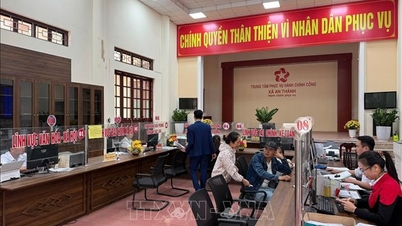
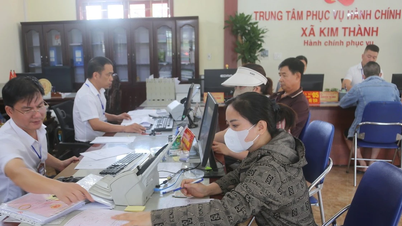
To support localities, the State Treasury has implemented many synchronous solutions: issuing detailed instructions; setting up a hotline to promptly handle problems; sending staff to communes to guide account opening and completing documents in accordance with regulations. Many units have proactively extended working hours, increased overtime, expanded online transactions and accepted electronic documents to shorten processing time.
Thanks to the synchronous participation of the entire system, by October 7, 100% of commune-level units nationwide had opened accounts and made full salary payments to officials, civil servants and employees. This is not only a milestone of administrative significance but also demonstrates the spirit of dedicated service, high responsibility and flexible response capacity of the Treasury staff in the most complex model transformation phase.
This result creates an important foundation for the two-level local government to operate stably, transparently and effectively after the arrangement, in line with the spirit of building a modern administrative apparatus as set forth by the Central Government.
Strengthen revenue and expenditure management , expand coordination with commercial banks
Not only focusing on perfecting the apparatus, the State Treasury system continues to play a central role in managing state budget revenue. Local treasury units closely coordinate with revenue agencies to quickly collect, promptly, fully and accurately account for revenues; at the same time, provide regular data to serve budget management.
In particular, the State Treasury has expanded electronic bilateral collection and payment coordination with 20 commercial banks, contributing to limiting the use of cash and accelerating the concentration of budget revenue. As of September 30, the State Treasury had 2,594 bank accounts, of which 1,761 were specialized collection accounts and 833 payment accounts, including VND and foreign currency accounts. The expansion of the account system helps manage the treasury more effectively, creating convenience for taxpayers and budget users.
Thanks to these efforts, the total state budget revenue in November 2025 is estimated at VND 201.5 trillion, bringing the total revenue for 11 months to VND 2,397 trillion, equal to 121.9% of the year's estimate and an increase of 30.9% over the same period in 2024.
In budget expenditure, the State Treasury system ensures timely, correct, safe and transparent payment and disbursement; provides daily disbursement data to the Ministry of Finance and local leaders. The effective coordination between the State Treasury and ministries, branches and localities has contributed to promoting the disbursement of public investment capital - one of the key tasks in economic management in 2025. In the first 11 months, total budget expenditure reached VND 2,049 trillion, equal to 79.5% of the estimate and increased by 32.5% over the same period last year. Of which, development investment expenditure reached VND 553.3 trillion, equal to 70% of the estimate; regular expenditure reached VND 1,398.0 trillion, equal to 87.5% of the estimate.
The completion of the two-level organizational model, maintaining service quality during the reorganization process, and achieving impressive results in budget revenue and expenditure management demonstrate the core role of the State Treasury in the process of public finance reform and modernization of the national financial system.
The proactive spirit, responsibility and dedication of the Treasury staff are decisive factors in helping the system overcome challenges, successfully perform assigned tasks and create an important premise to move towards a digital Treasury model, modern, transparent and effective state budget management in the coming time.
Source: https://daibieunhandan.vn/kho-bac-nha-nuoc-bo-may-tinh-gon-hieu-qua-vuot-troi-10399573.html





![[Photo] General Secretary To Lam receives the Director of the Academy of Public Administration and National Economy under the President of the Russian Federation](/_next/image?url=https%3A%2F%2Fvphoto.vietnam.vn%2Fthumb%2F1200x675%2Fvietnam%2Fresource%2FIMAGE%2F2025%2F12%2F08%2F1765200203892_a1-bnd-0933-4198-jpg.webp&w=3840&q=75)




























































































Comment (0)