

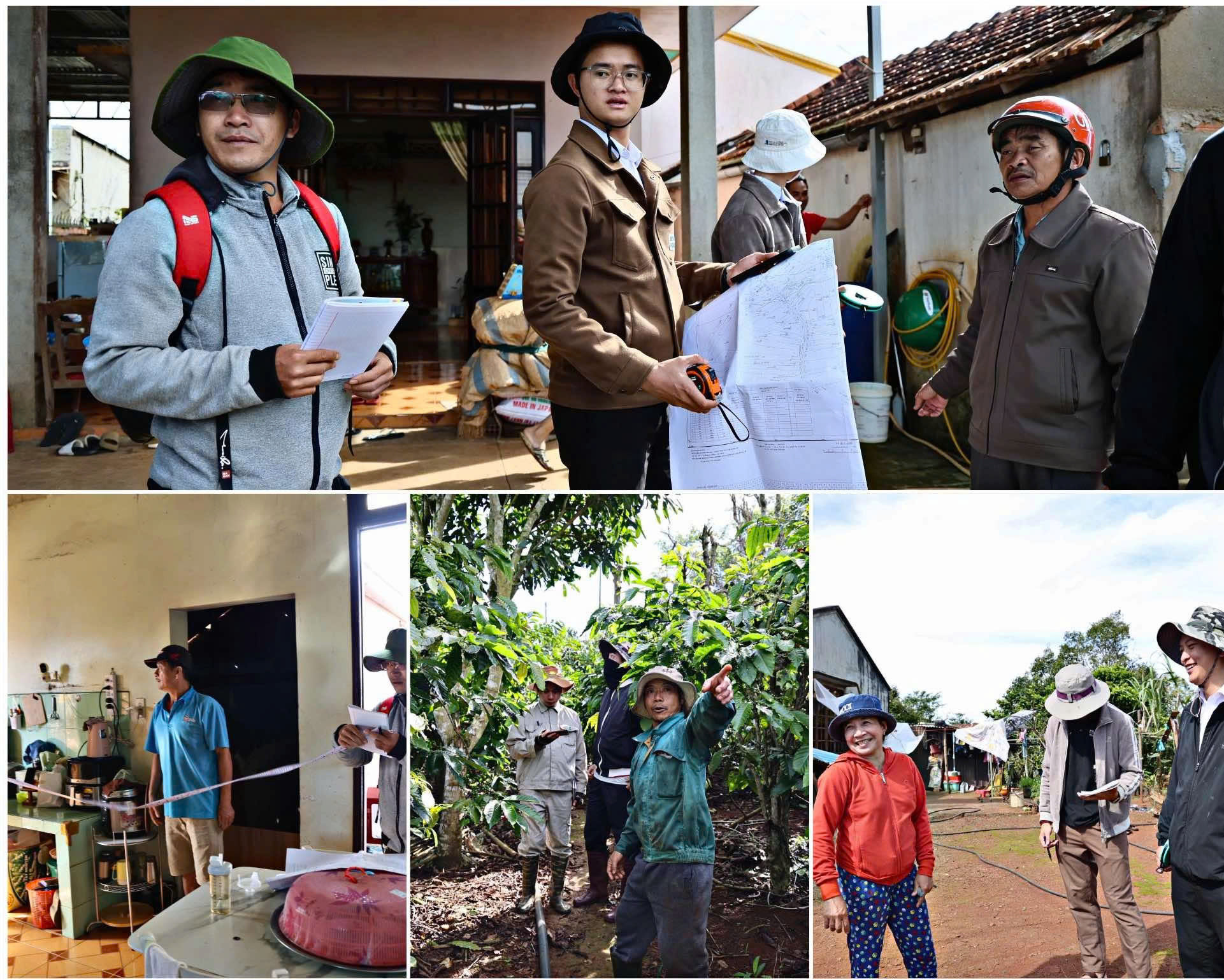
These are not easy decisions.
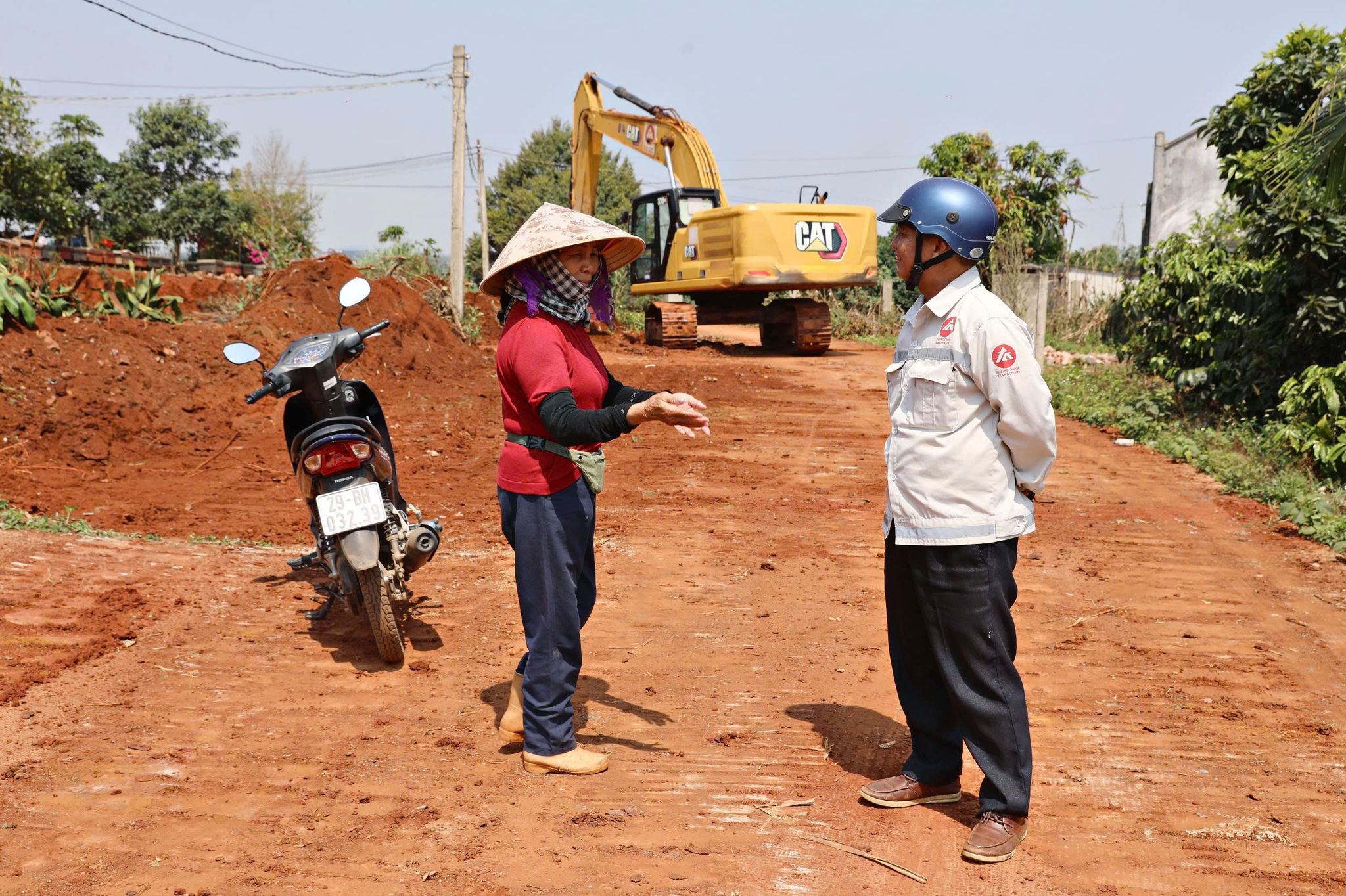
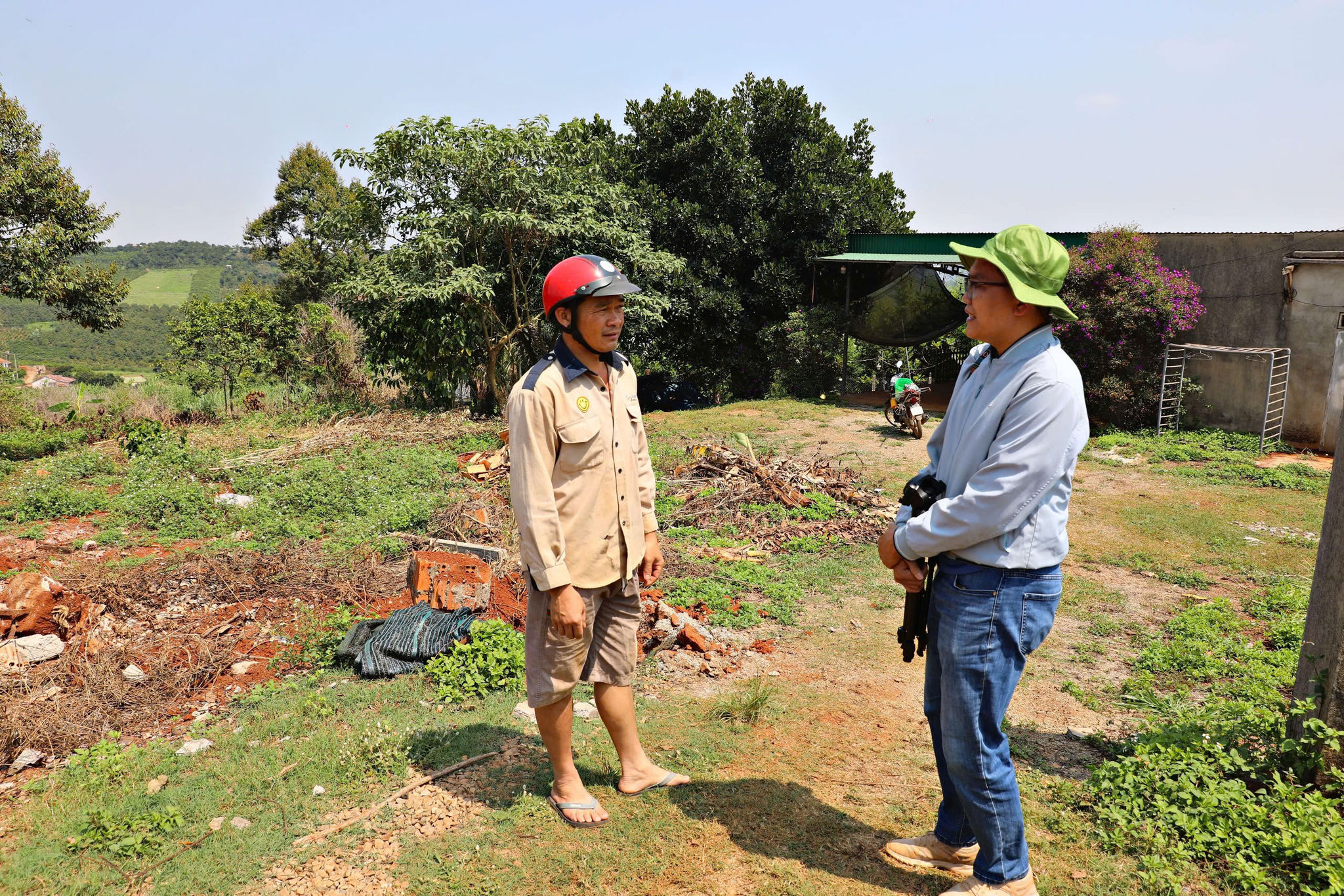
Under the scorching midday sun, Mr. Do Van Tin, from Hamlet 10, Bao Lam 2 commune, was still busy tidying up the remaining items on the land he had just handed over.
More than 1.1 hectares out of his family's total 1.7 hectares of farmland are subject to expropriation for the Bao Loc - Lien Khuong expressway project.
On that land, rows of coffee plants, avocado trees, and durian trees have been a part of life for many years, providing a stable income, sometimes reaching several hundred million dong per year. They are not just means of production; they are also the fruits of years of hard work, saving, and nurturing by the family.
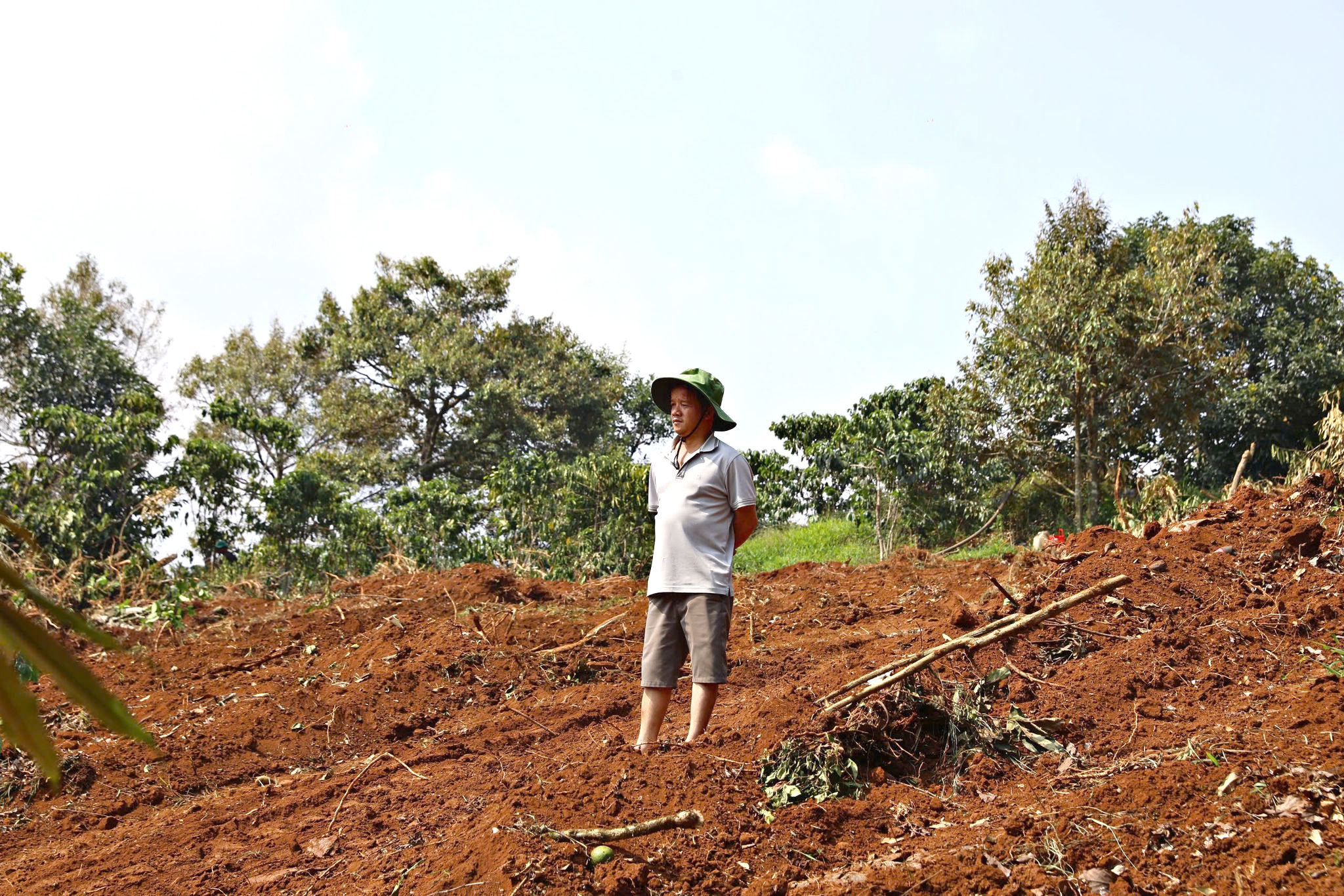
Looking towards the recently cleared garden, Mr. Tin shared: “For farmers like us, land is not just an asset, but our whole life. Losing land means losing our main source of income. But my family also understands that this is a major project of the State, for the future of the entire region. If everyone keeps their share, the project cannot be implemented.”
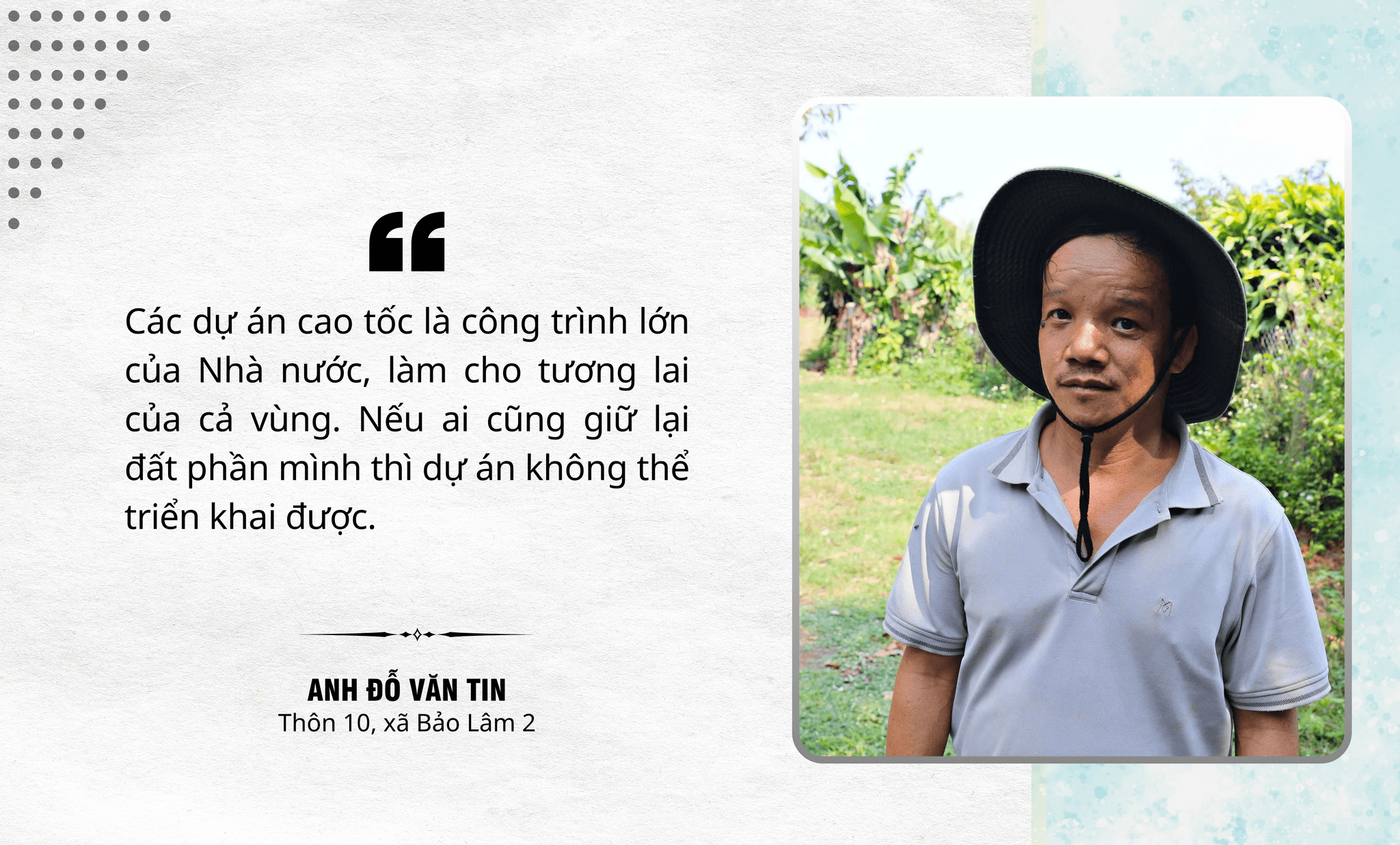
He continued, frankly but responsibly: "We accept some losses in exchange for the common good. We only hope that when building the expressway, the State and the construction unit will pay attention to building additional connecting roads so that people can travel and produce conveniently."
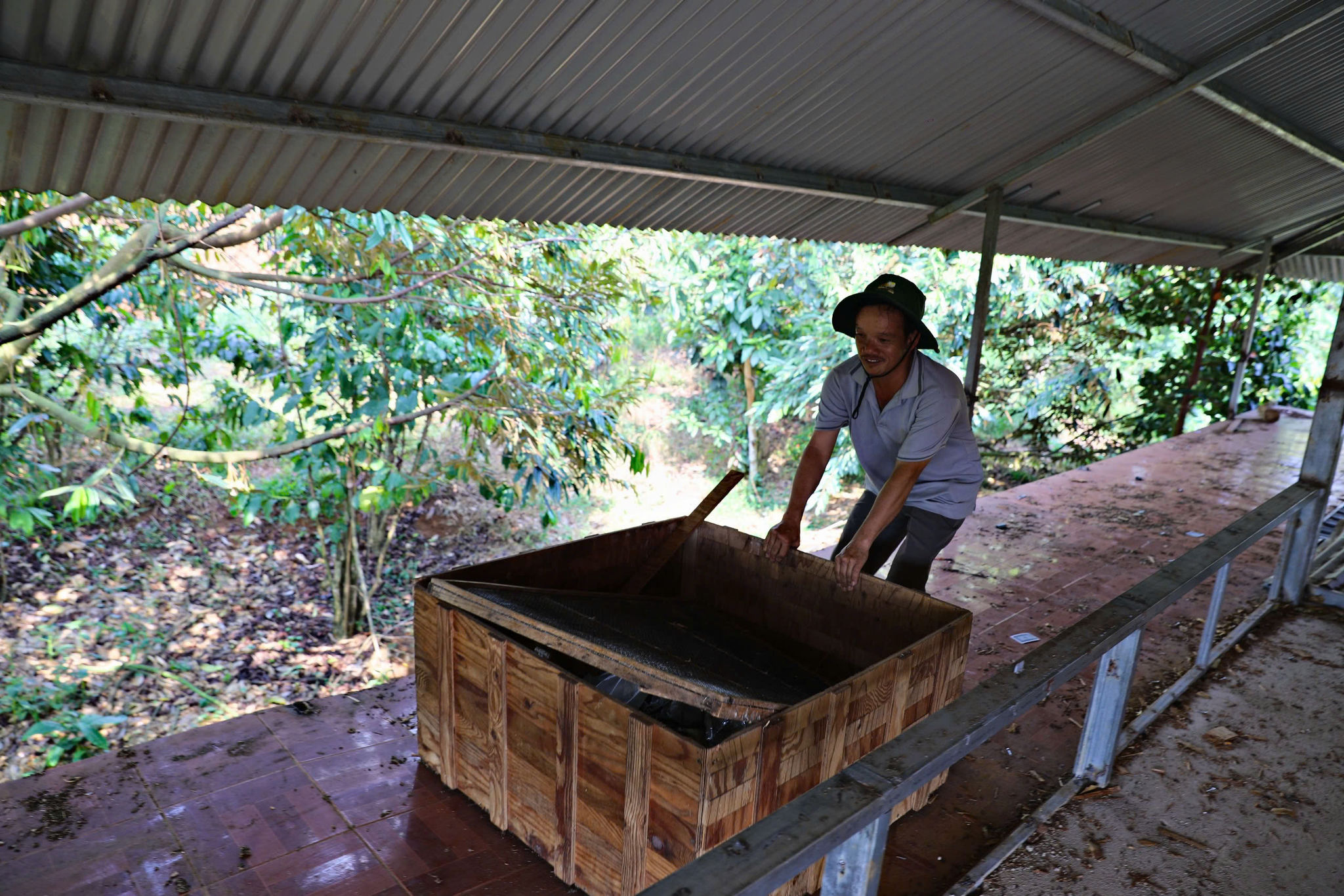
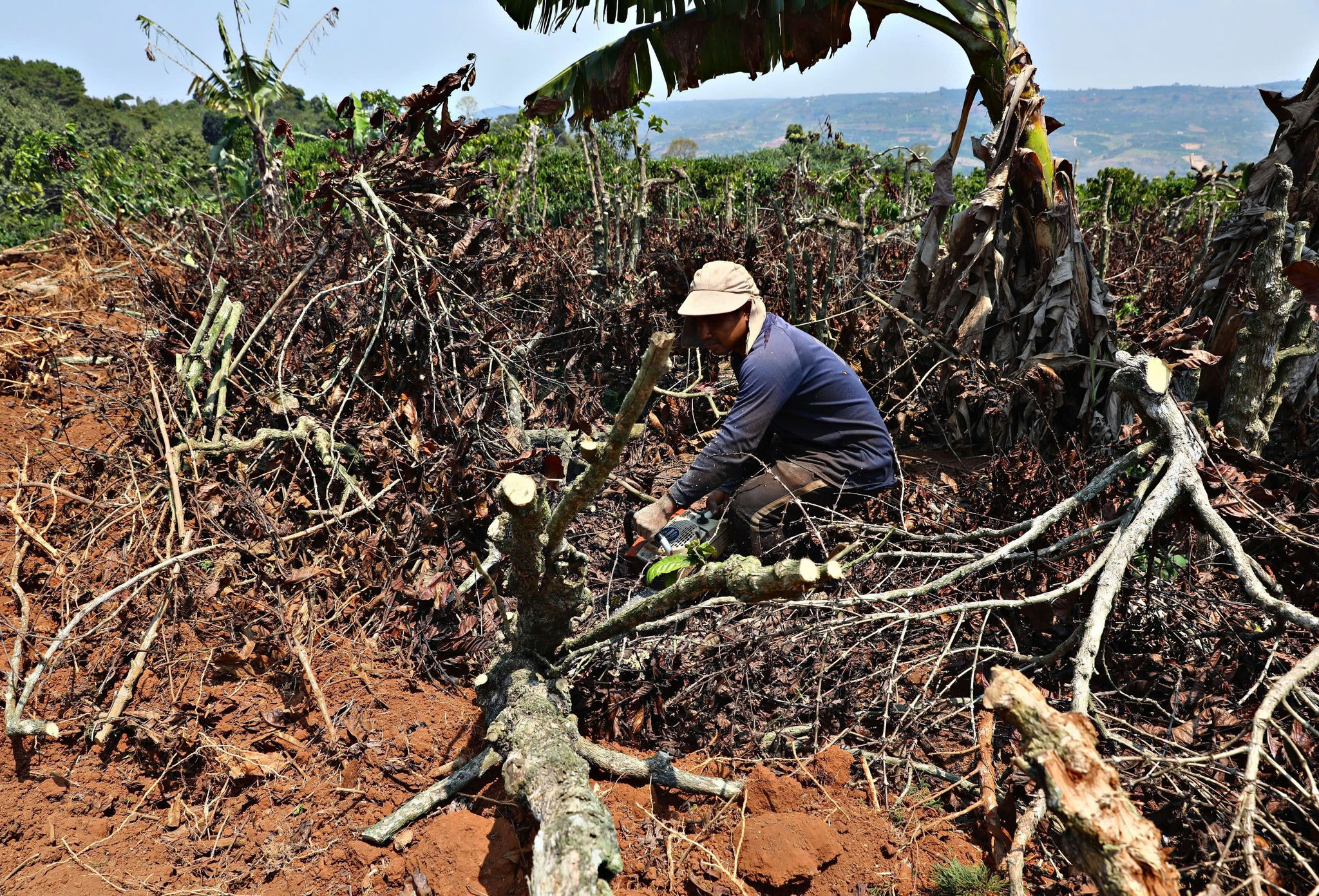
Not far away, Mr. Bui Minh Toan was still diligently cutting down old coffee trees. The tree trunks were gathered into piles, waiting for traders to come and buy them. In one corner of the garden, durian trees over 10 years old, in their peak productive stage, were also being cut down one by one.
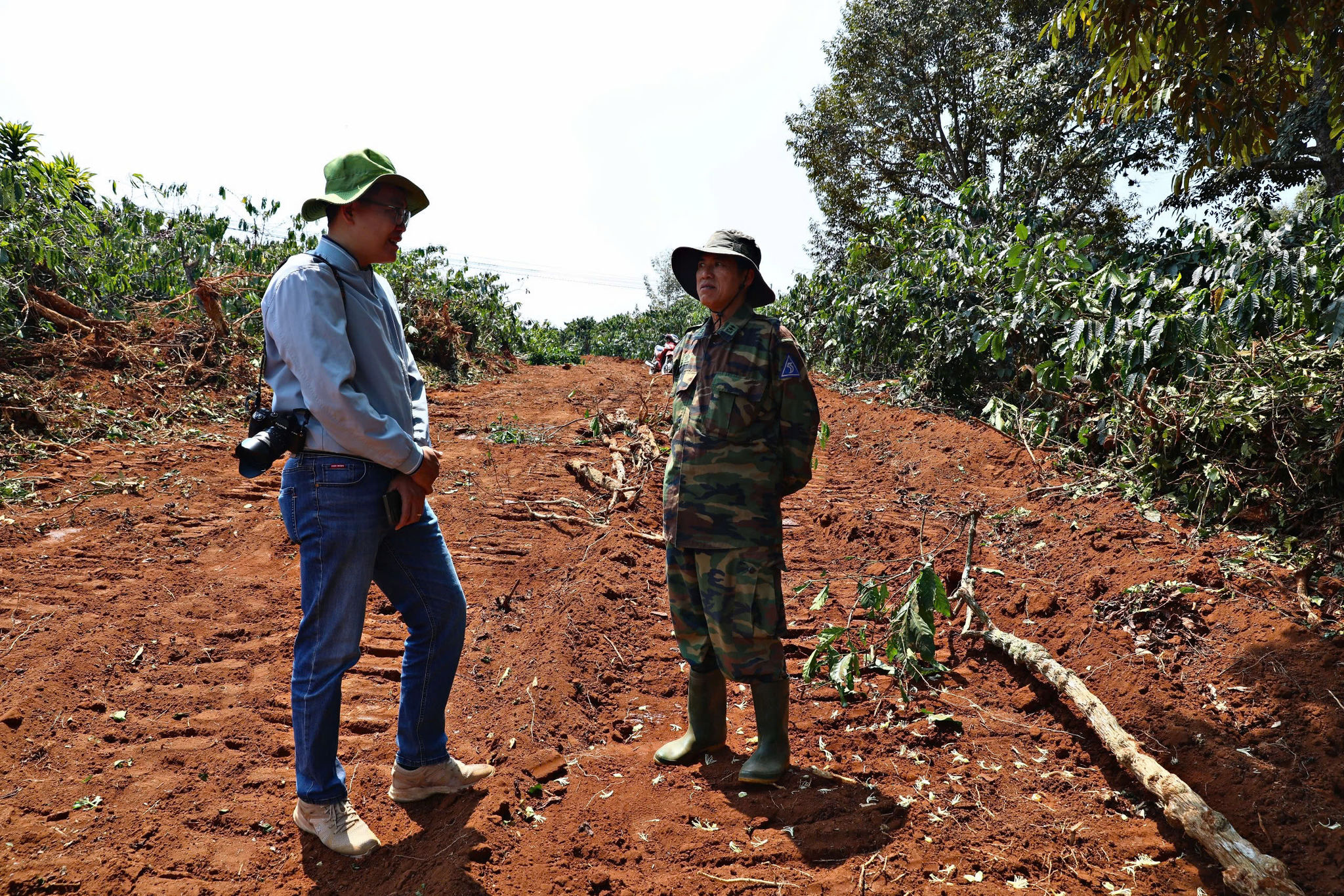
Mr. Toan couldn't hide his regret: "These trees are bearing fruit very well, yielding a good harvest each season. But well, we have to think further ahead. The government is building roads for development, and we can't keep them for short-term gain."
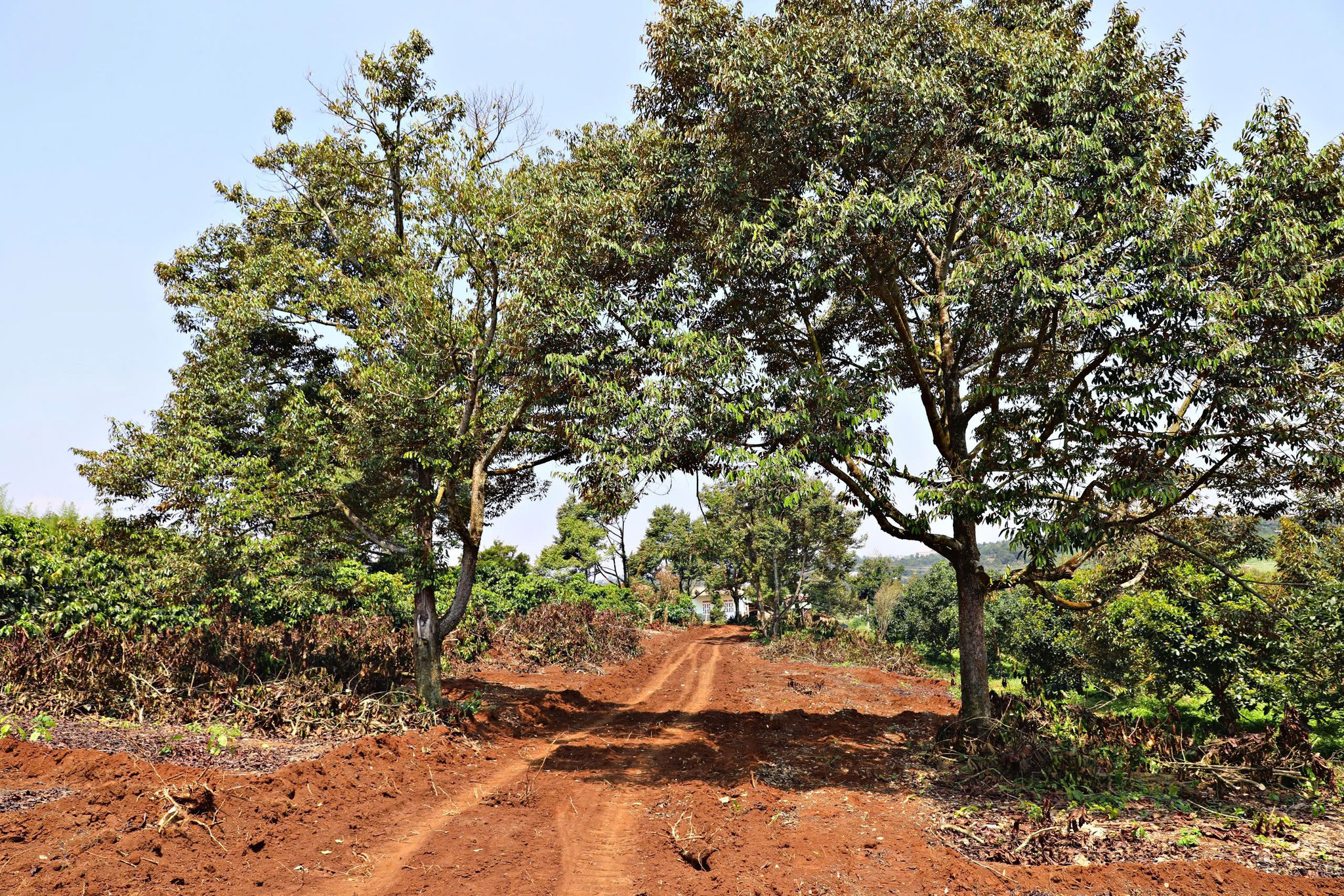
The farmer, who has been dedicated to his garden and fields year-round, is simple and honest: "The support price may not be exactly what we hoped for, but overall it's acceptable. What's important is that we see this project will benefit our children and grandchildren in the future," Mr. Toan added.
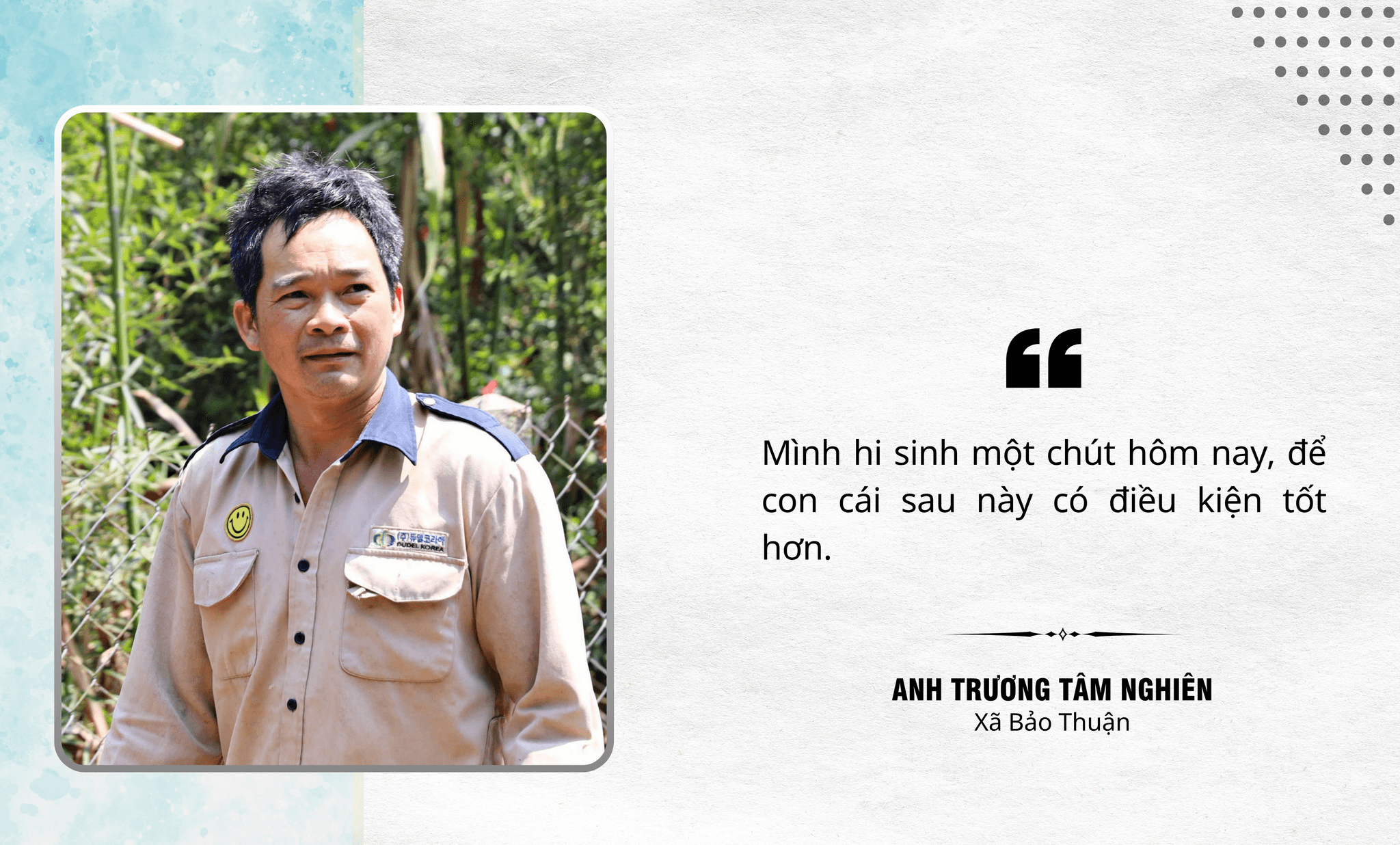
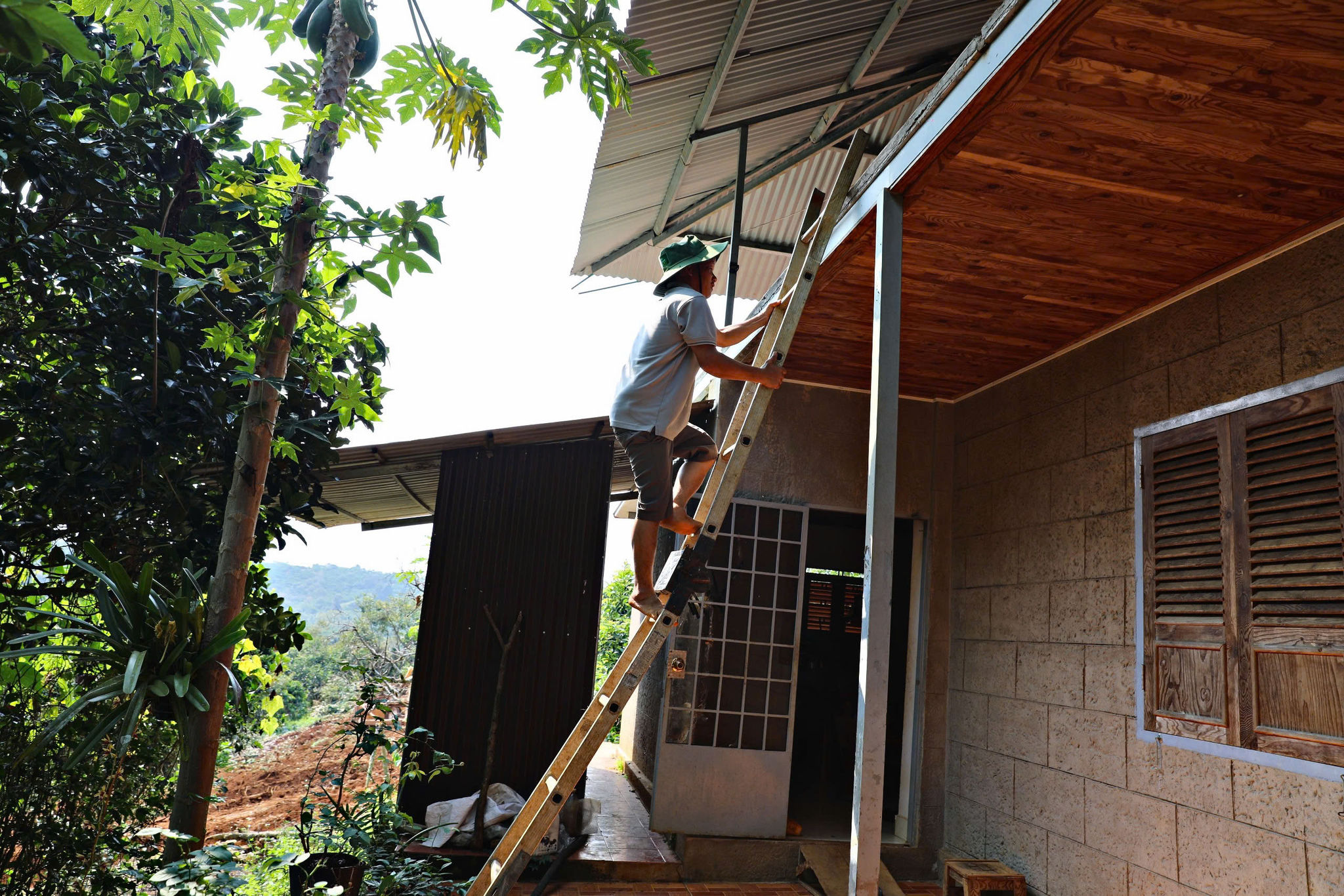
Similarly, in Bao Thuan commune, Mr. Truong Tam Nghien is also dismantling his family's house. The corrugated iron sheets, wooden planks, and bricks are being carefully reused. The space that was once the family's home and workplace is now gradually becoming empty.
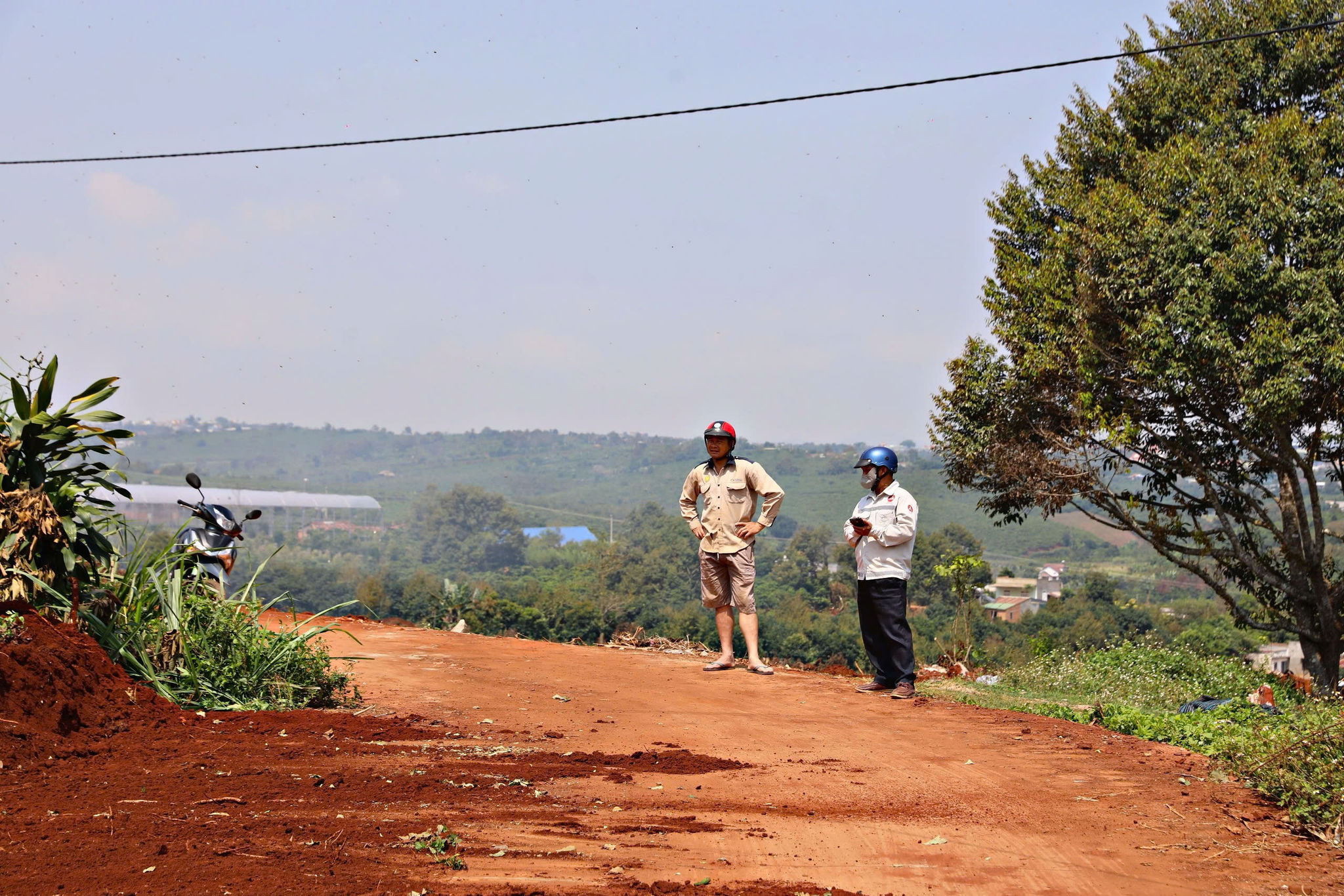
Nghiên shared: “After receiving the compensation, I thought about it a lot. Moving means changing my whole life, but after a clear explanation, I understood. Building the highway will help the local area develop more, and create more business opportunities.”
Stories like those of Mr. Tin, Mr. Toan, or Mr. Nghien are not isolated incidents. Along the expressway, many households have proactively handed over their land. Behind each decision are concerns and regrets, but above all, it is a choice for the common good of the province.
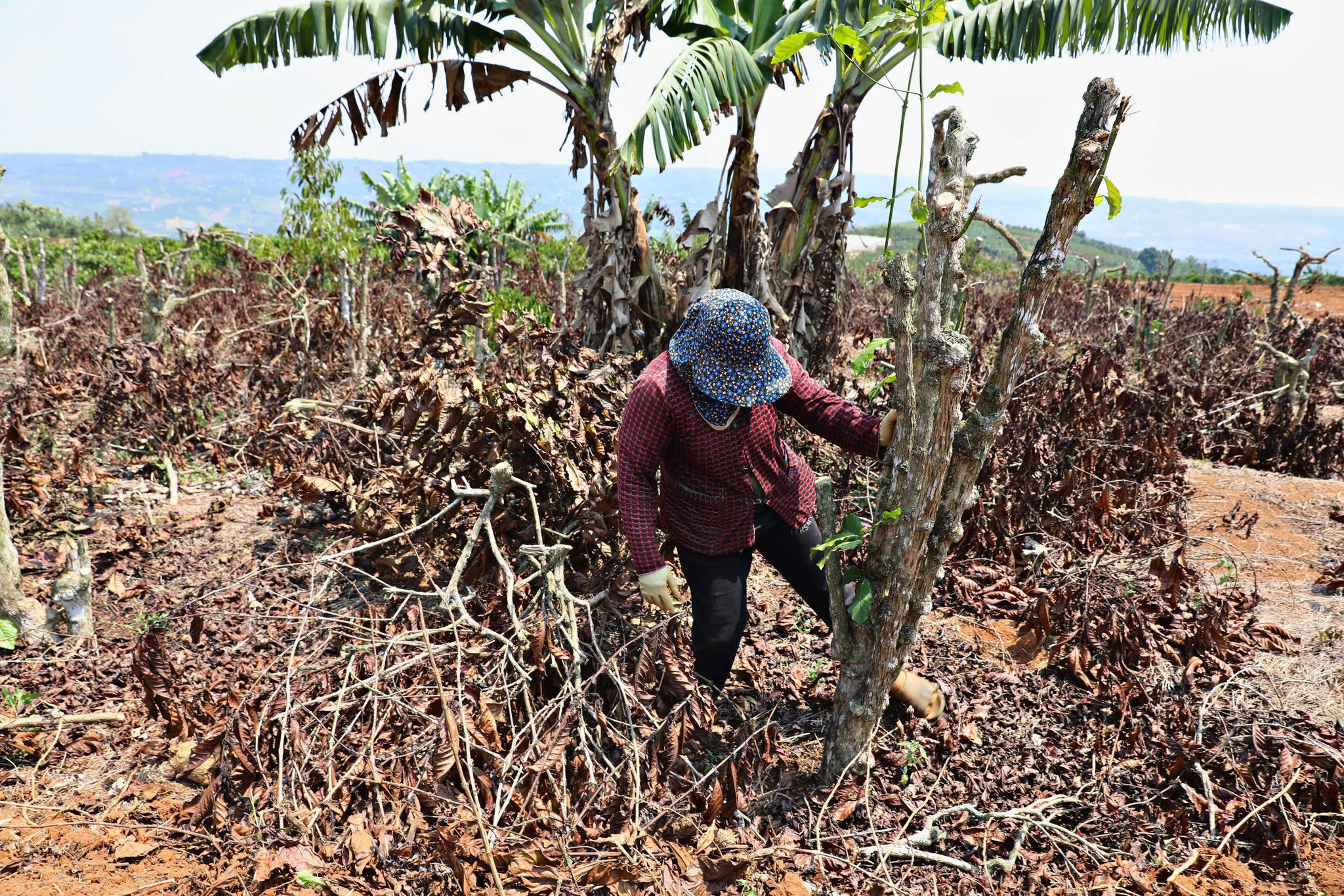
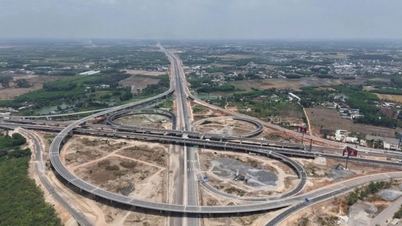
In the Bao Loc - Lien Khuong Project, the majority of the land surveying work has been completed. Many compensation plans have been approved and payments are being made. The area of land handed over is expanding day by day.
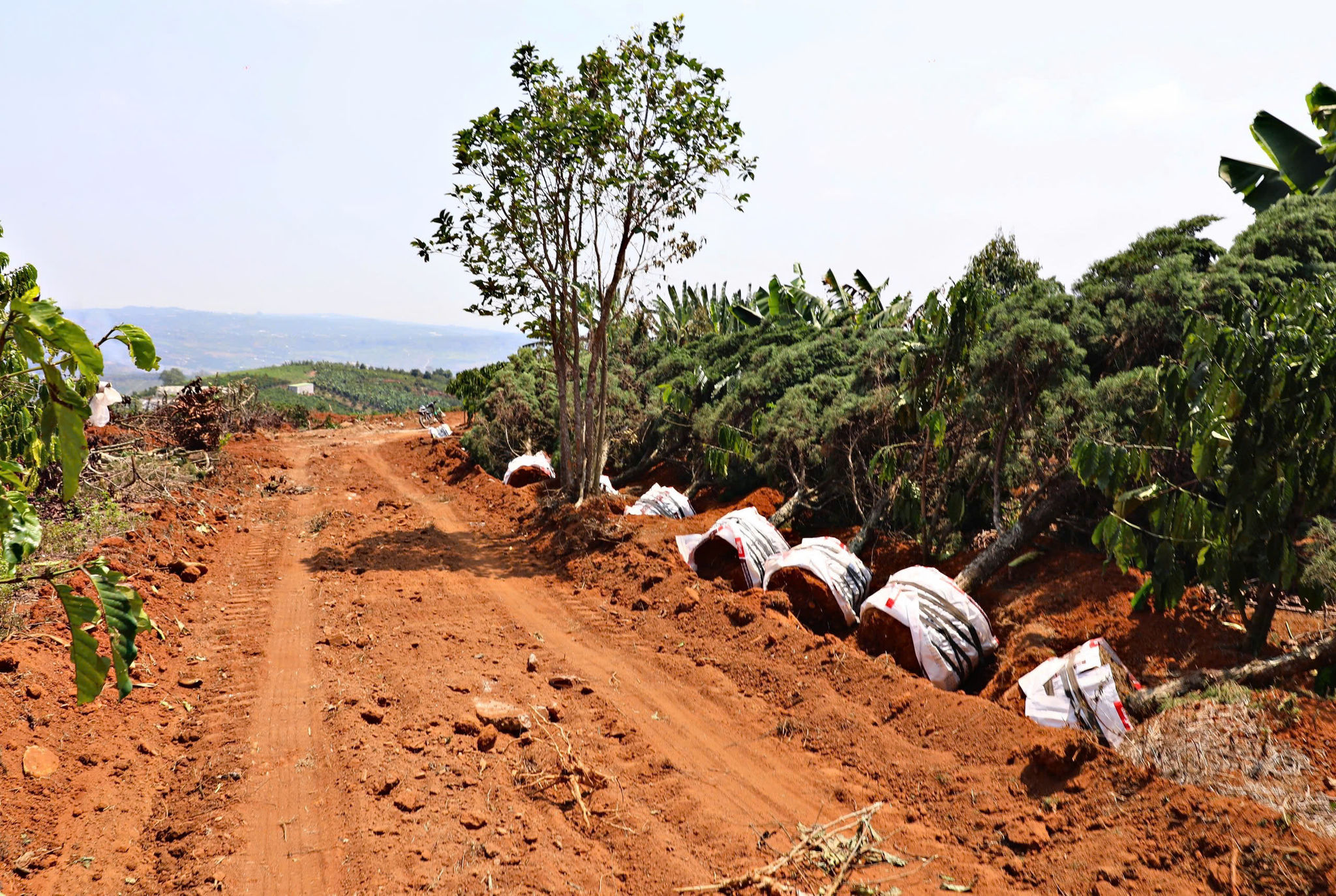
Meanwhile, at the Tan Phu - Bao Loc Expressway project, although a large volume of work remains, the progress of surveying, planning, and compensation is gradually accelerating. While not yet continuous, the handed-over sections have formed initial "connecting points," creating a foundation for construction units to commence work as soon as conditions permit.
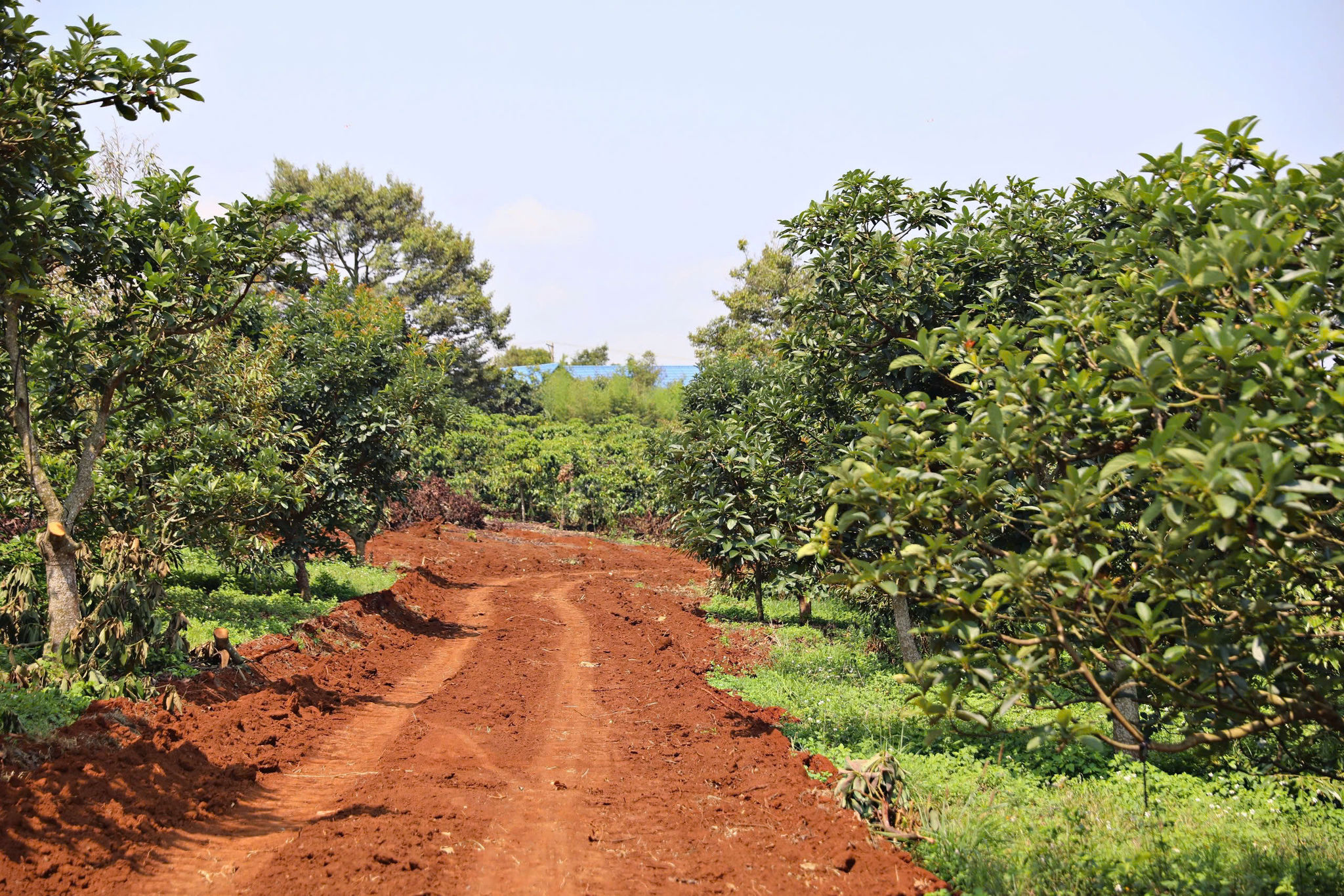
The numbers are therefore no longer dry and impersonal, because behind every meter of land lies a story, a decision, and a sharing – where the people are the subjects of the movement.
From "compliance" to "partnership"
While in the past, land handover was largely a matter of "compliance" with regulations, nowadays, many households have proactively handed over their land early, in some cases even before all procedures are completed.
To achieve that consensus, it is essential to mention the synchronized and decisive involvement of all levels, sectors, and local authorities.
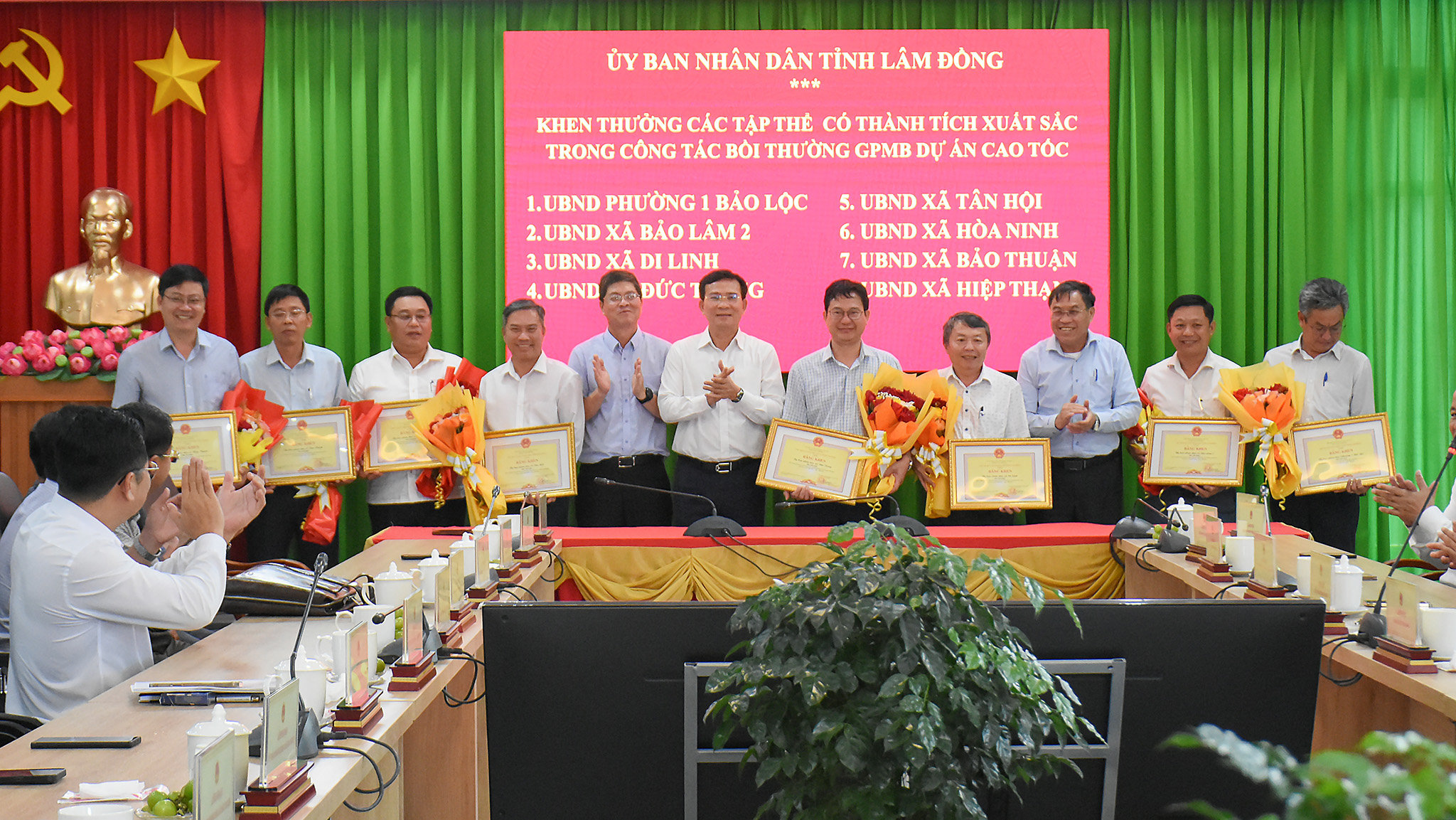
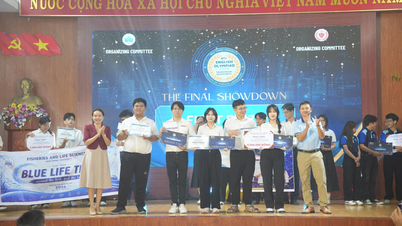
During a working session in Ward 1, Bao Loc, aimed at inspecting and expediting land clearance work for two expressway projects in the southern part of the province, Mr. Ho Van Muoi, Member of the Central Committee of the Communist Party of Vietnam, Deputy Secretary of the Provincial Party Committee, and Chairman of the Lam Dong Provincial People's Committee, also commended 10 collectives and individuals who performed well in land clearance for the expressway projects.
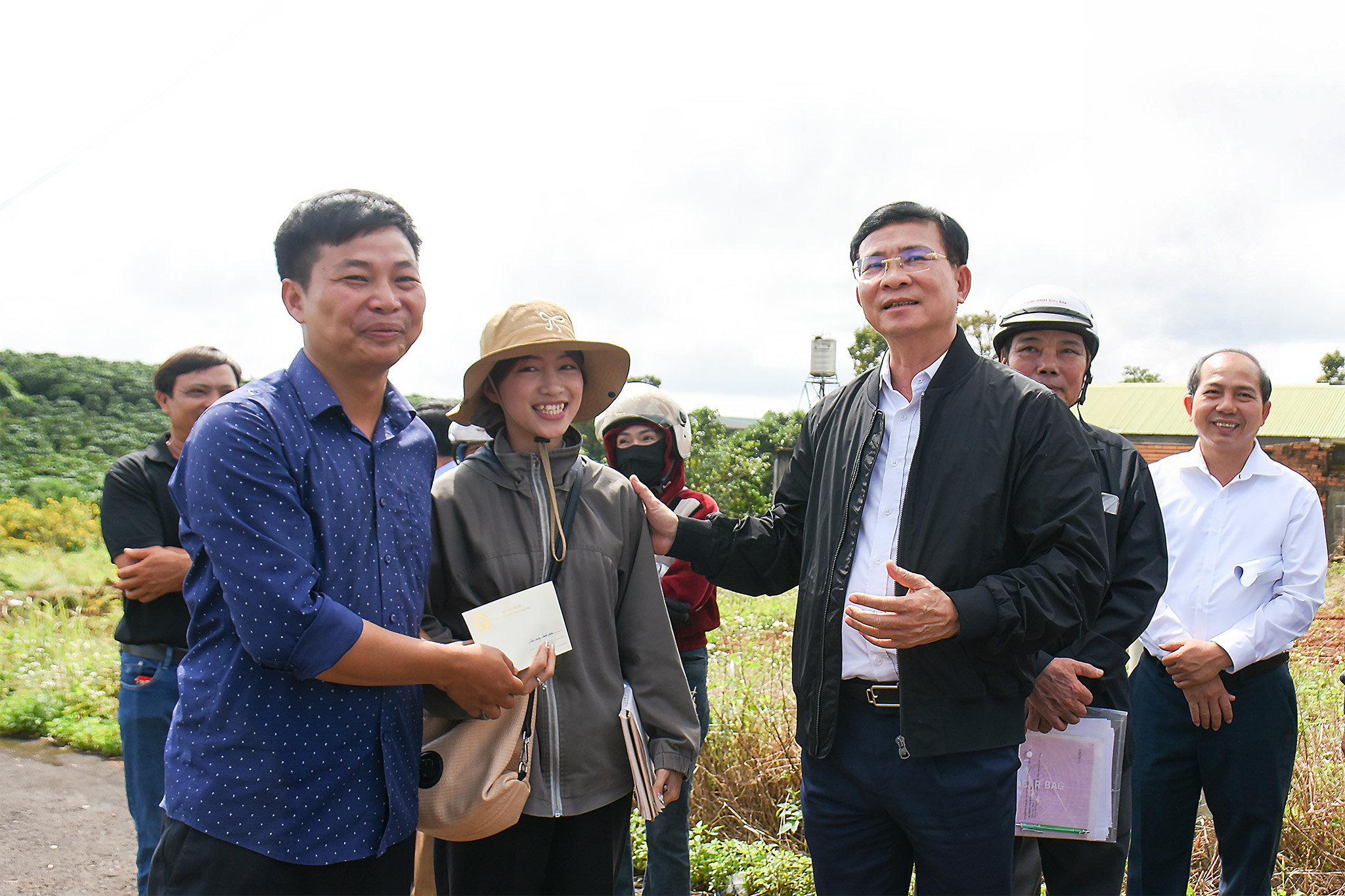
The Chairman of the Provincial People's Committee expressed his delight at the overwhelming support from the people. “The Provincial People's Committee calls on the people to continue to wholeheartedly support, share, and cooperate with the locality to successfully complete the land clearance task. The goal is to complete the two expressways connecting Lam Dong and Ho Chi Minh City as soon as possible,” shared Lam Dong Provincial People's Committee Chairman Ho Van Muoi.
Chairman of the Provincial People's Committee Ho Van Muoi requested that localities and units continue to do a good job of disseminating information and mobilizing public support for the project implementation. This is because only when land clearance is completed can the projects be implemented and construction commenced.
Local authorities and units should continue to advise higher levels on resolving citizens' requests and proposals in accordance with regulations, ensuring a balance of interests for all parties.
In line with that directive, the Lam Dong Provincial Land Development Center has implemented its communication efforts in a thorough and focused manner, specifically explaining each policy and the practical rights of the people. Mr. Huynh Van Minh, Deputy Director of the Lam Dong Provincial Land Development Center, stated that the transparency and timeliness of information have contributed to strengthening trust and are fundamental factors in fostering consensus.
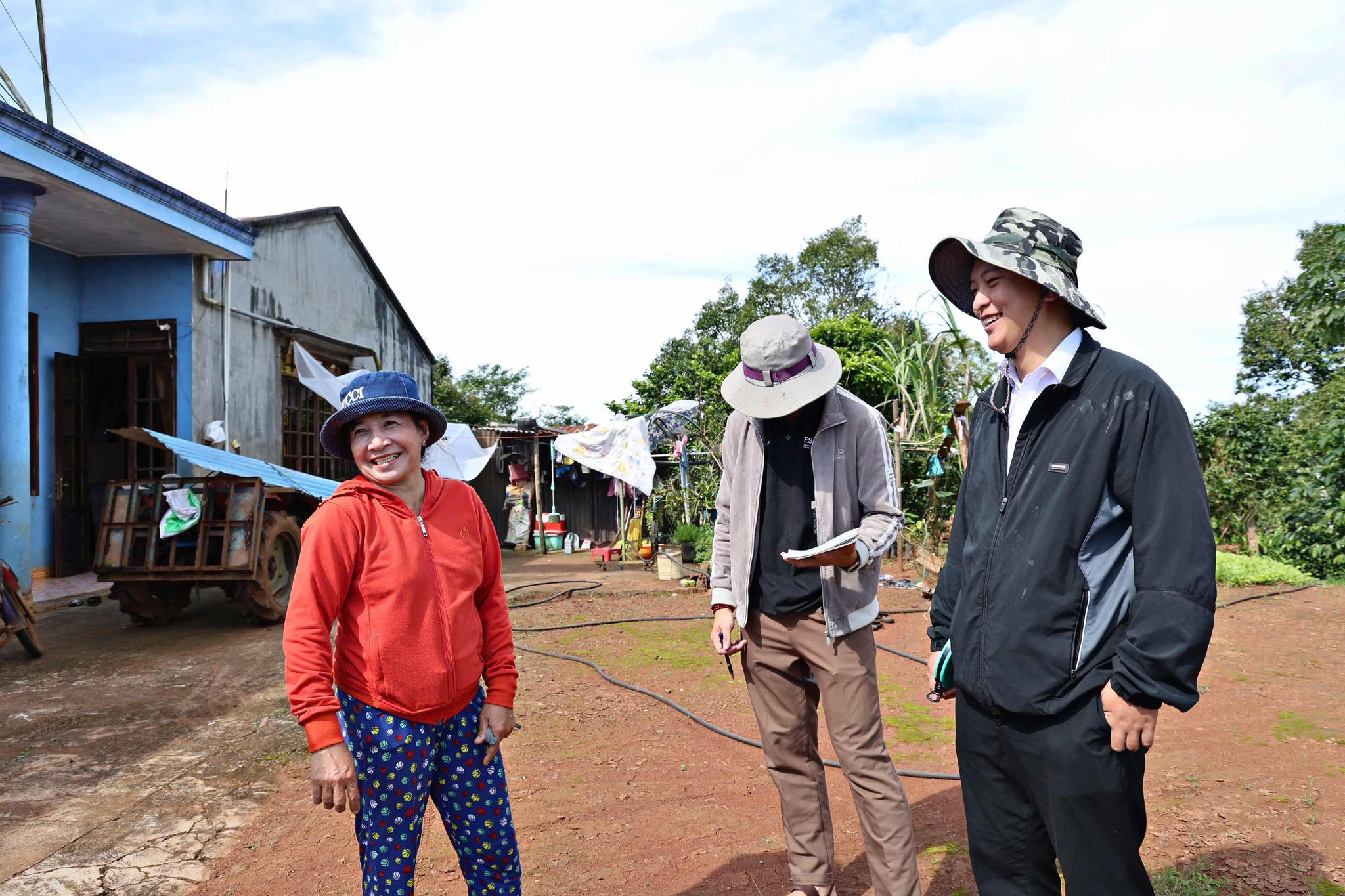
At the grassroots level, the "going door-to-door" approach continues to be promoted. Officials not only mobilize support but also listen, share, and promptly address each suggestion. As a result, many obstacles are resolved from the outset, limiting the 발생 of complaints and shortening implementation time.
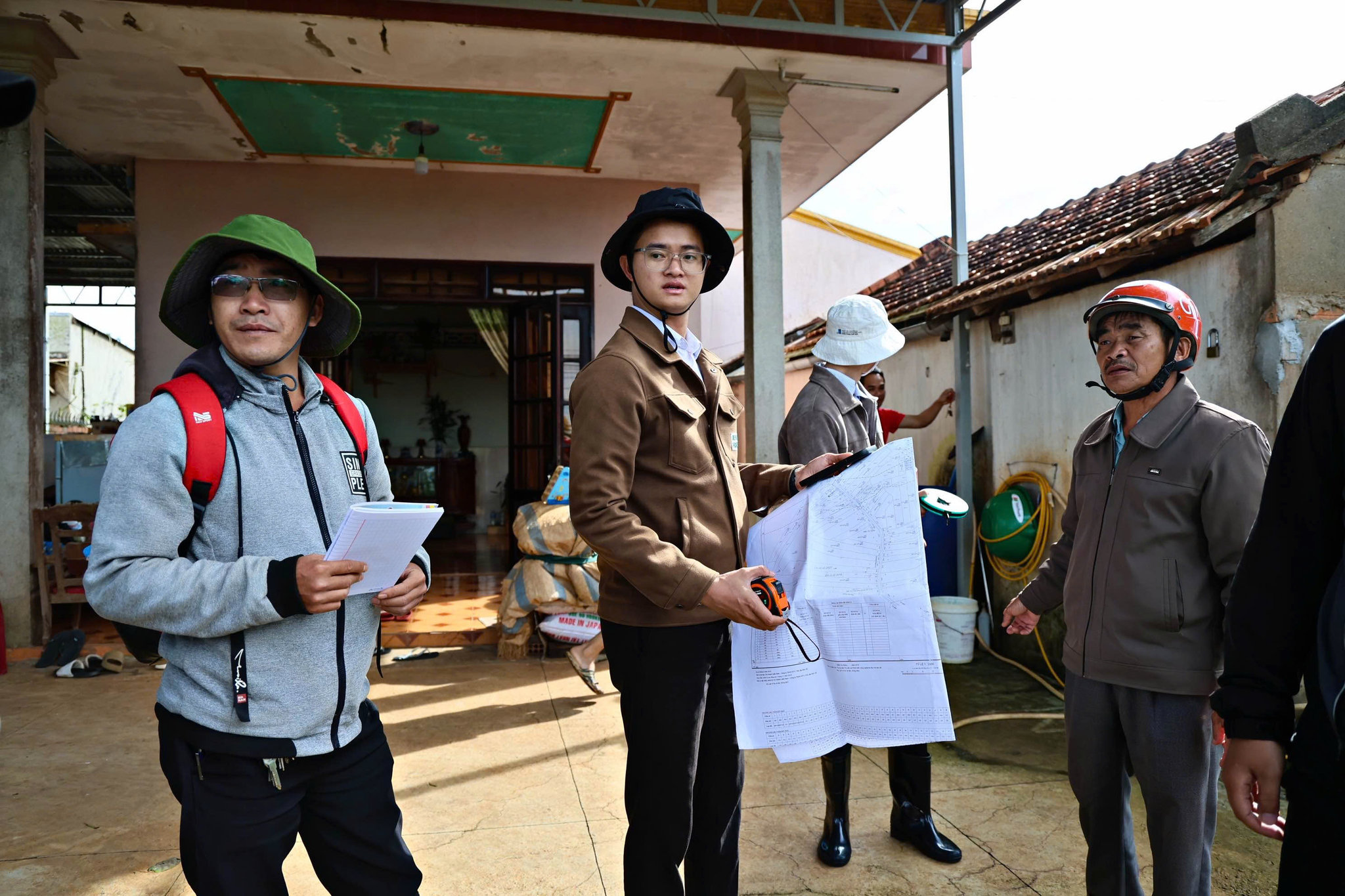
Coordination between units has also been strengthened in a more rigorous, flexible, and substantive manner. From the Land Development Center and the compensation council to local authorities, regular communication is maintained, and issues arising at the grassroots level are addressed promptly, minimizing the backlog of files or prolonged procedures.
Consensus – the key to unlocking the path.
Despite achieving many positive results, land clearance work still faces certain difficulties. Some individuals are absent from the locality, land is scattered, and legal procedures need to be completed... these are still factors that could affect the overall progress.
Specifically, as of April 23rd, the Tan Phu - Bao Loc Expressway project requires approximately 472 hectares of land, with Lam Dong province alone accounting for 393.61 hectares. However, only about 38.7 hectares have been handed over so far, equivalent to about 8% of the total area. Notably, this remaining land is scattered and not contiguous, forcing the contractor to organize multiple construction fronts.
As for the Bao Loc - Lien Khuong Expressway project, the land clearance progress has reached nearly 50%, but the remaining area is in complex zones involving residential land, agricultural land, and essential infrastructure, requiring more time to resolve.
However, it is noteworthy that the approach in the current phase has shifted significantly – from administrative processing to building consensus. Agencies and units are not only dealing with documents, but also focusing on addressing the "psychological" concerns of the people, considering this a core element.
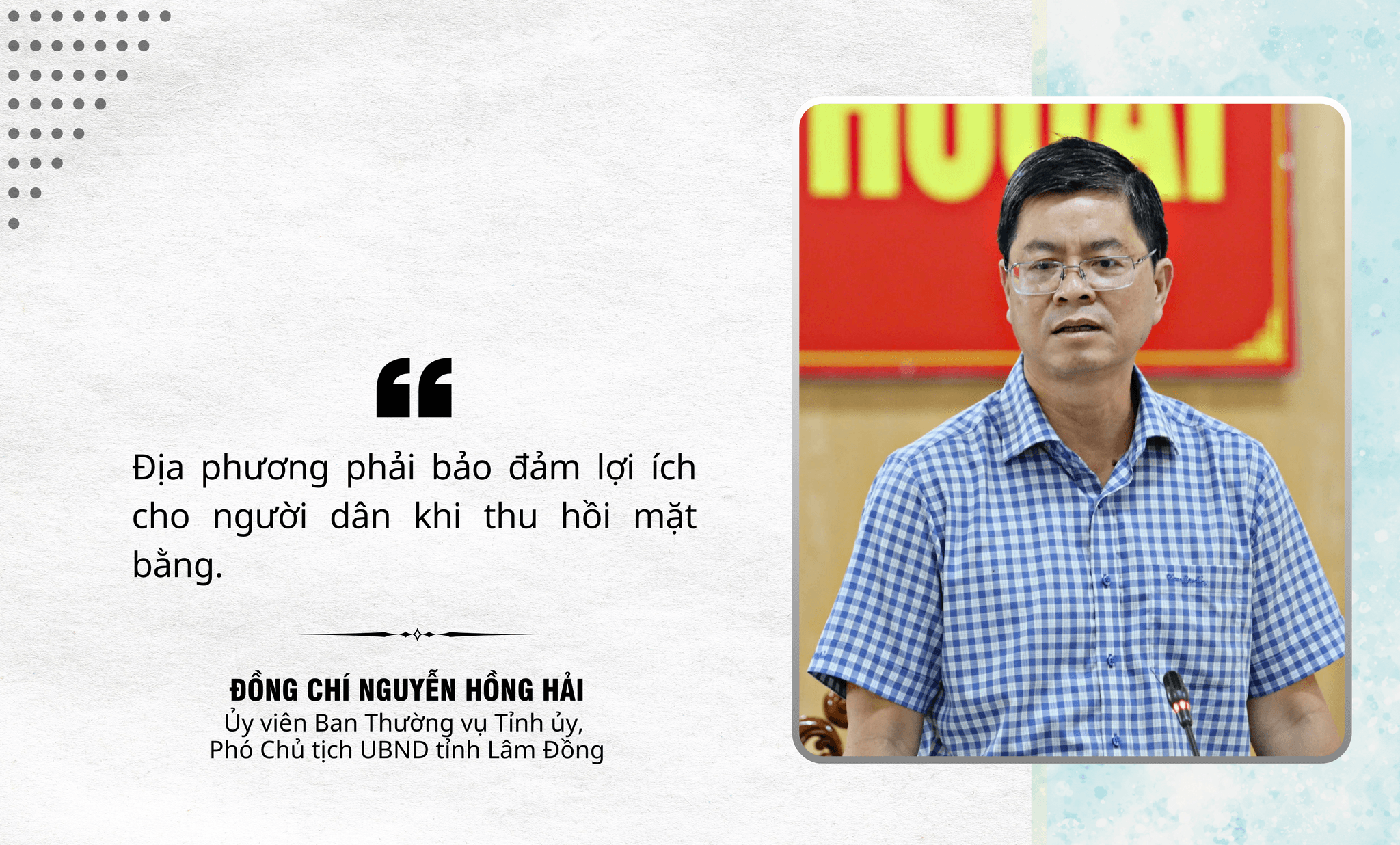
During a working session with the People's Committee of Da Huoai commune on April 23rd, Vice Chairman of the Provincial People's Committee Nguyen Hong Hai frankly emphasized: "Based on practical implementation, it has been shown that wherever the propaganda work is done well and the consensus of the people is achieved, the progress of land clearance is accelerated. Conversely, if the people do not understand or agree, even with complete mechanisms and policies, the progress will still be difficult to ensure."
The Vice Chairman of the Provincial People's Committee also emphasized the current requirements: localities must continue to closely monitor the situation at the grassroots level, thoroughly understand each specific case, and promptly resolve any arising difficulties. The people must be considered the central focus, the subjects who need explanation and understanding, thereby creating genuine consensus, not just formality.
Beyond mere observation, provincial leaders also instructed units to shift from "general mobilization" to "targeted mobilization," and from "process-based resolution" to "resolving each specific case," in order to minimize implementation time.
These directives are not just guidelines, but are gradually becoming a consistent approach throughout the entire system, where every step of the project is linked to the level of public consensus. This once again confirms that consensus is not just a supporting factor, but the key to success.
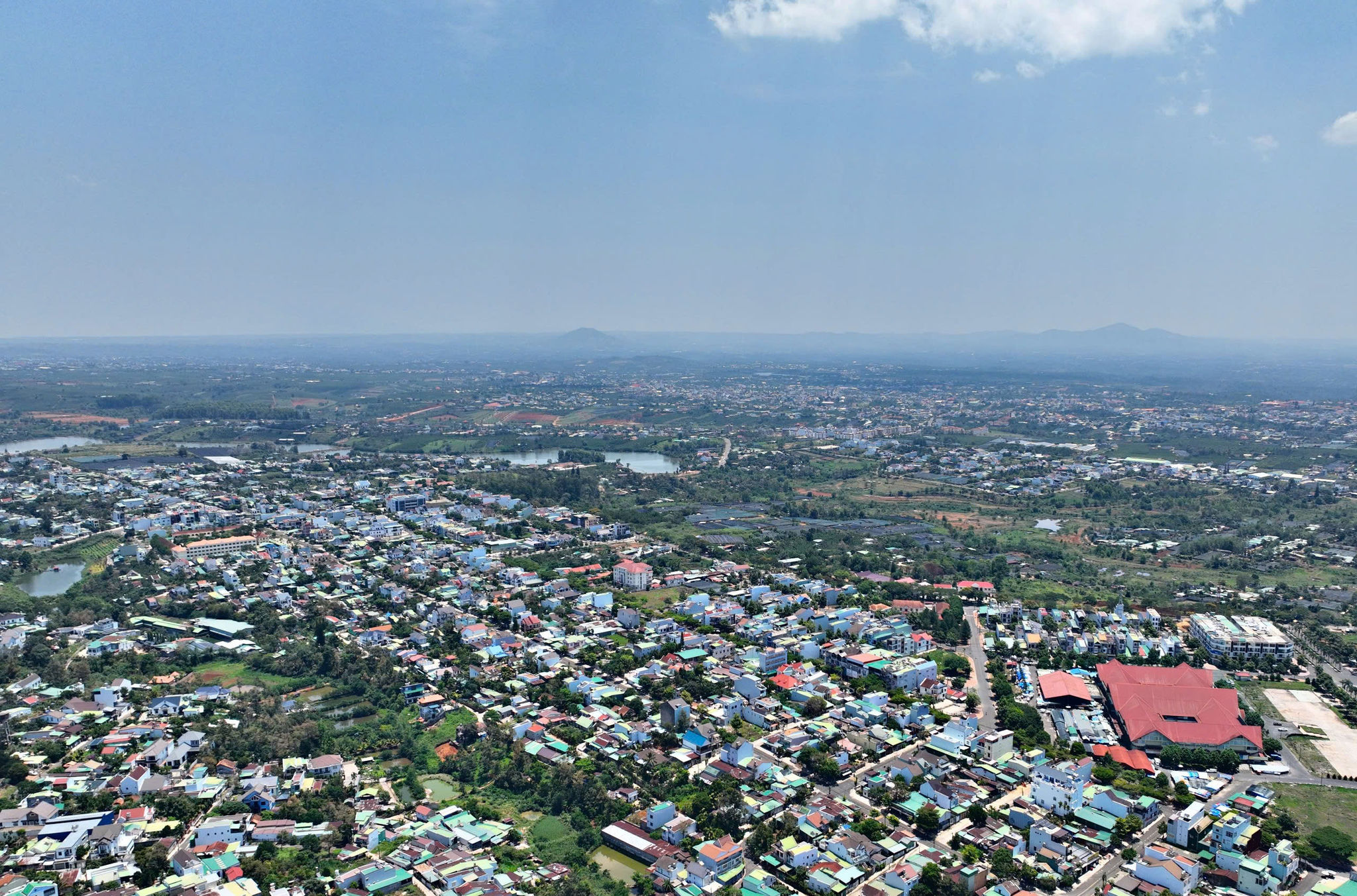
Every meter of land handed over today not only paves the way for the project but also instills confidence in its development. There, the interests of the people and the common good meet, creating a sustainable driving force.
Source: https://baolamdong.vn/ky-2-khoi-day-su-dong-thuan-tu-long-dan-439630.html


































































































Comment (0)