

.jpg)
The event was an opportunity to pay tribute to generations of officials and to affirm the industry's contributions to strengthening national unity.
The milestone of May 3, 1946, when President Ho Chi Minh signed Decree No. 58 establishing the Department of Ethnic Minorities, laid the foundation for the state management system in this field.
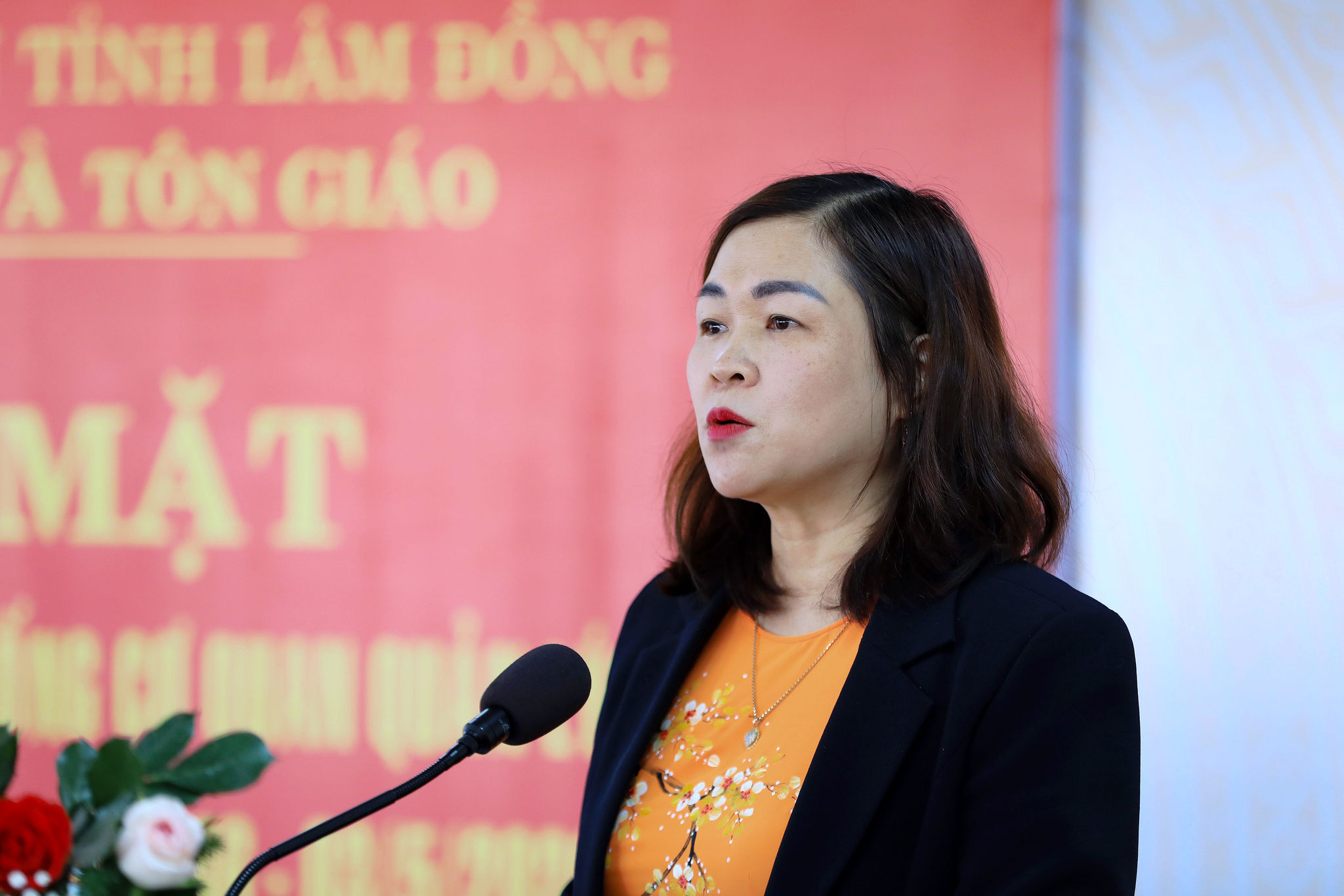
Over the past 80 years, despite numerous changes in organizational structure, ethnic affairs work has consistently played a crucial role as a "bridge" between the Party, the State, and the people of ethnic minorities.
Ethnic policies have been gradually refined, contributing to mobilizing the strength of ethnic communities in resistance wars as well as in the process of national renewal and development.
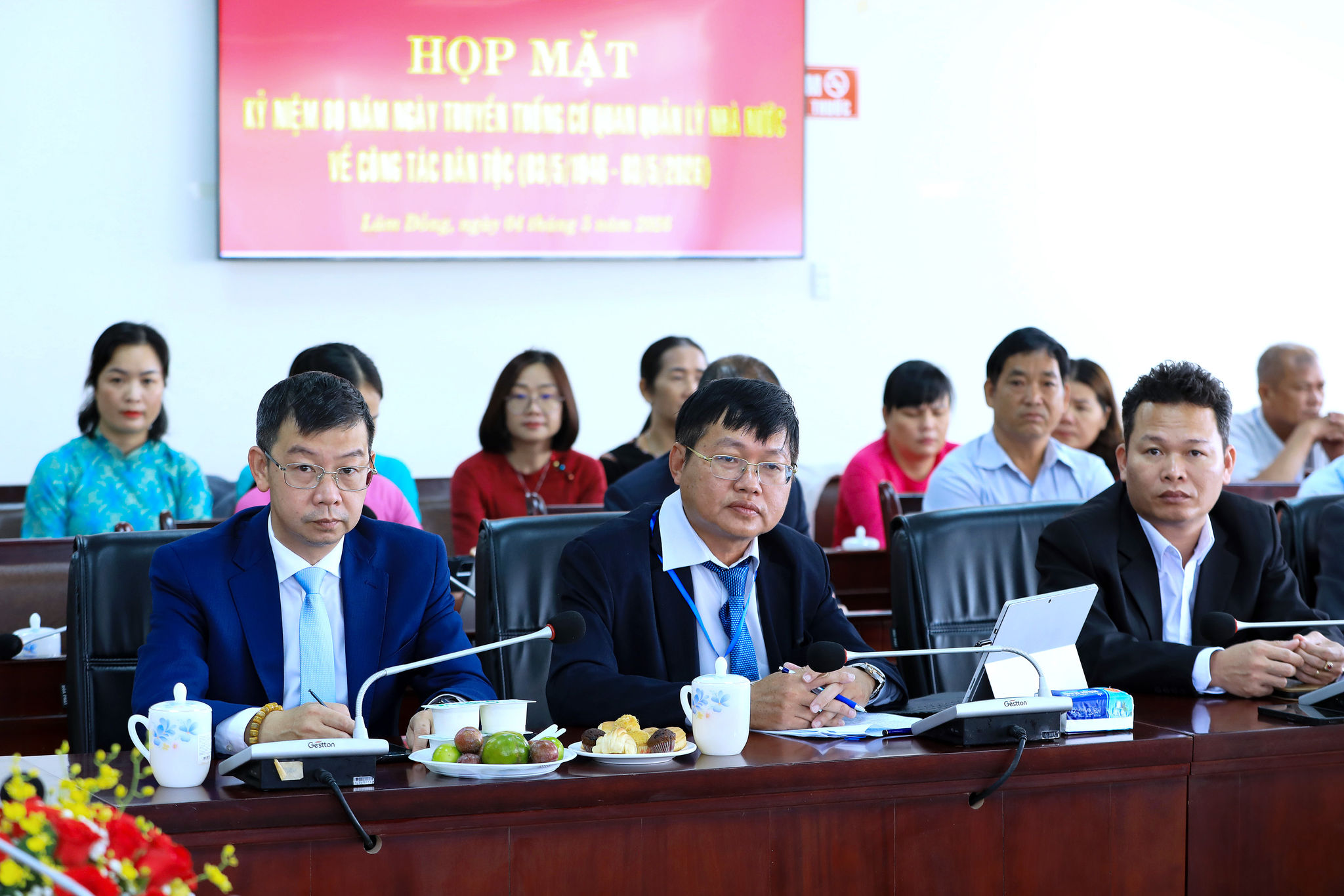
In recent years, national target programs have been creating significant changes in ethnic minority and mountainous areas, especially in poverty reduction, economic development, and improving living standards. Many localities have recorded noticeable changes in infrastructure and people's livelihoods.
In Lam Dong province, home to 49 ethnic groups, this sector is considered particularly important. Essential infrastructure in ethnic minority areas has been comprehensively invested in; 100% of communes have access to electricity, roads, schools, and health stations.
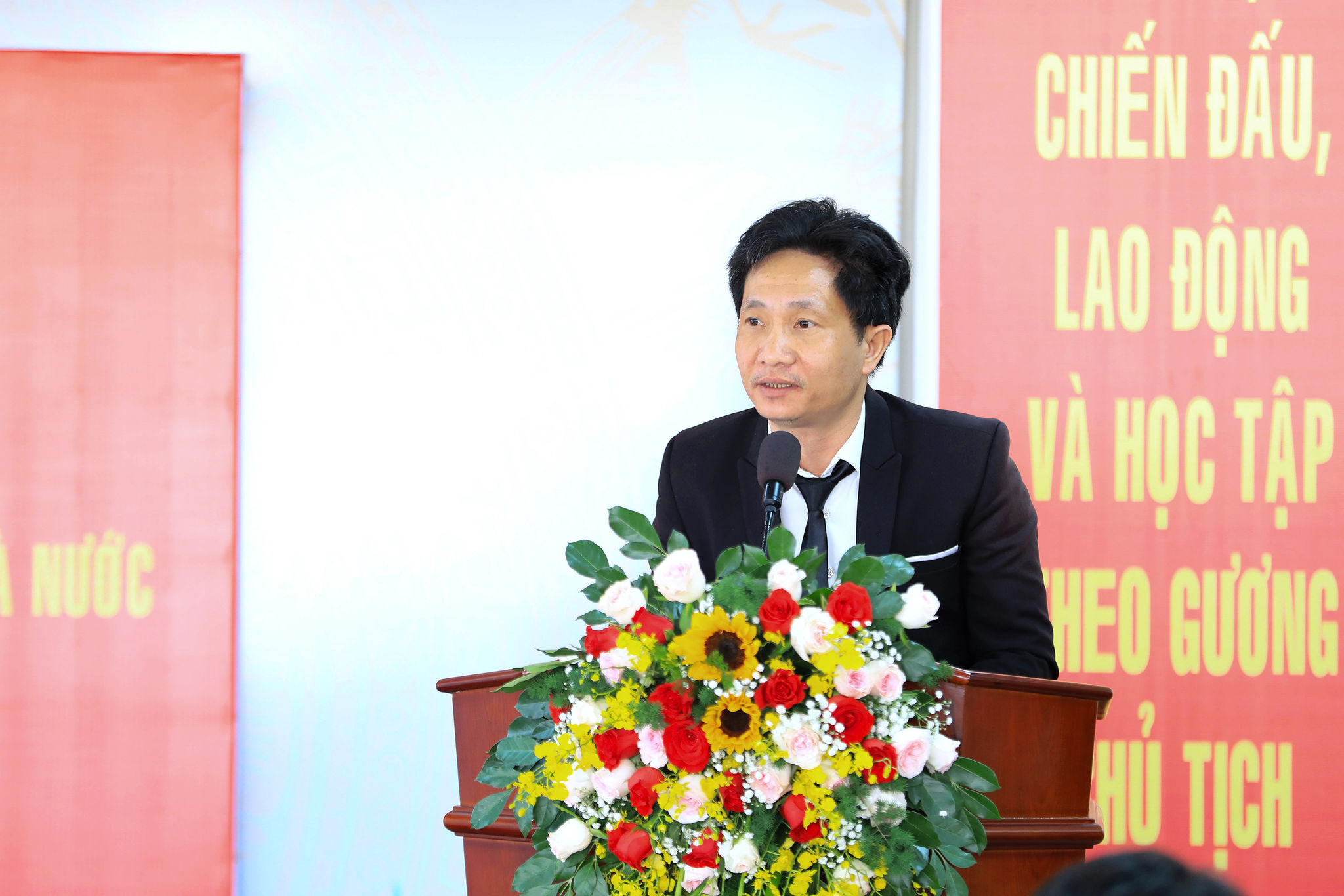
People are gradually shifting from subsistence farming to commodity production. Many high-tech models for coffee, tea, vegetables, and flowers have been applied. The income of ethnic minorities has improved, and the poverty rate has decreased to about 6-7%.
Along with economic development, the locality focuses on preserving and promoting cultural identity. The cultural space of the Central Highlands' gong culture, along with the cultural values of the Cham, K'ho, and Ma ethnic groups, continues to be preserved, linked to tourism development and the building of grassroots cultural life.
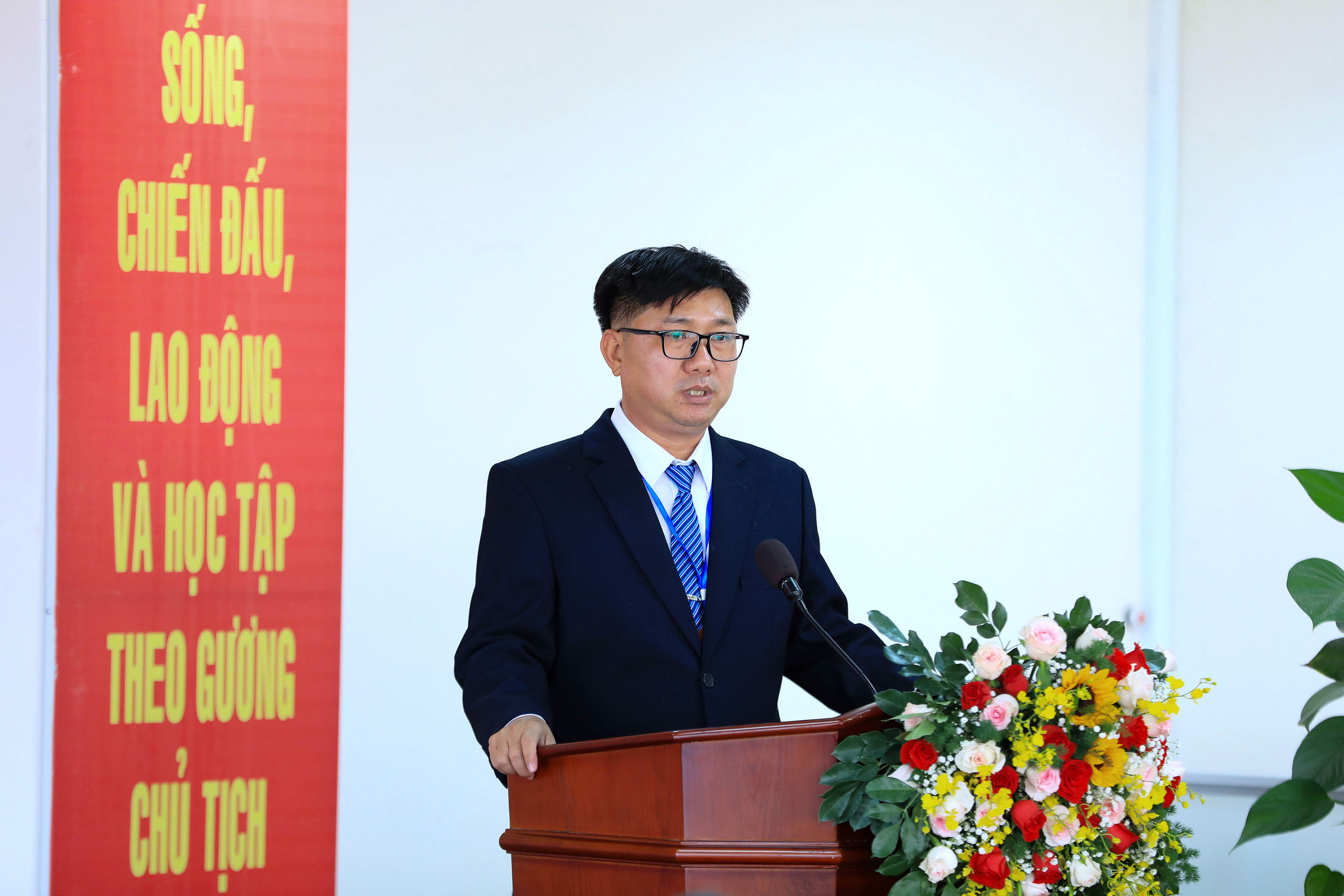
Education, healthcare, and human resource training have received attention, contributing to improving the quality of the local workforce. The grassroots political system has been strengthened, and the role of village elders and influential figures has been promoted in mobilizing people to comply with policies and guidelines, maintaining security and order, and strengthening community solidarity.
.jpg)
At the meeting, representatives of officials and civil servants from various departments and units shared experiences, highlighted difficulties, and proposed solutions to improve the efficiency of task performance in the future. Young civil servants expressed their determination to inherit and promote the spirit of "unity, dedication, and responsibility" in the context of digital transformation.
In the coming period, the leaders of the Department of Ethnic Minorities and Religions of Lam Dong province requested that the staff continue to adhere to the motto "be close to the people, understand the people, learn from the people, and be responsible to the people." At the same time, they should promote digital transformation, support sustainable livelihoods, protect the environment, and improve policy effectiveness.
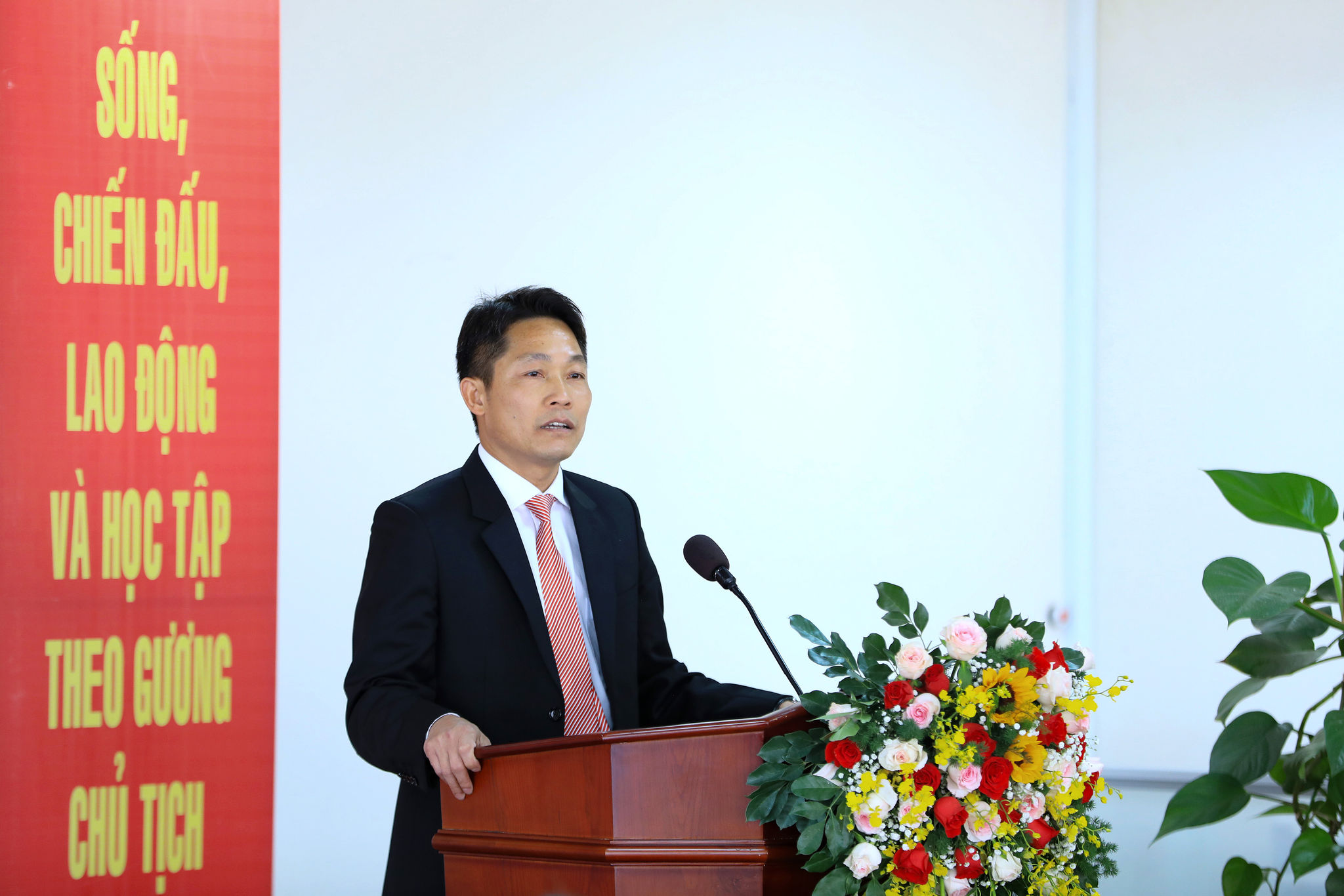
Concluding the ceremony, the leaders of the Department of Ethnic Minorities and Religions affirmed that the 80th anniversary is not only a historical milestone but also opens a new chapter in the development of ethnic affairs.
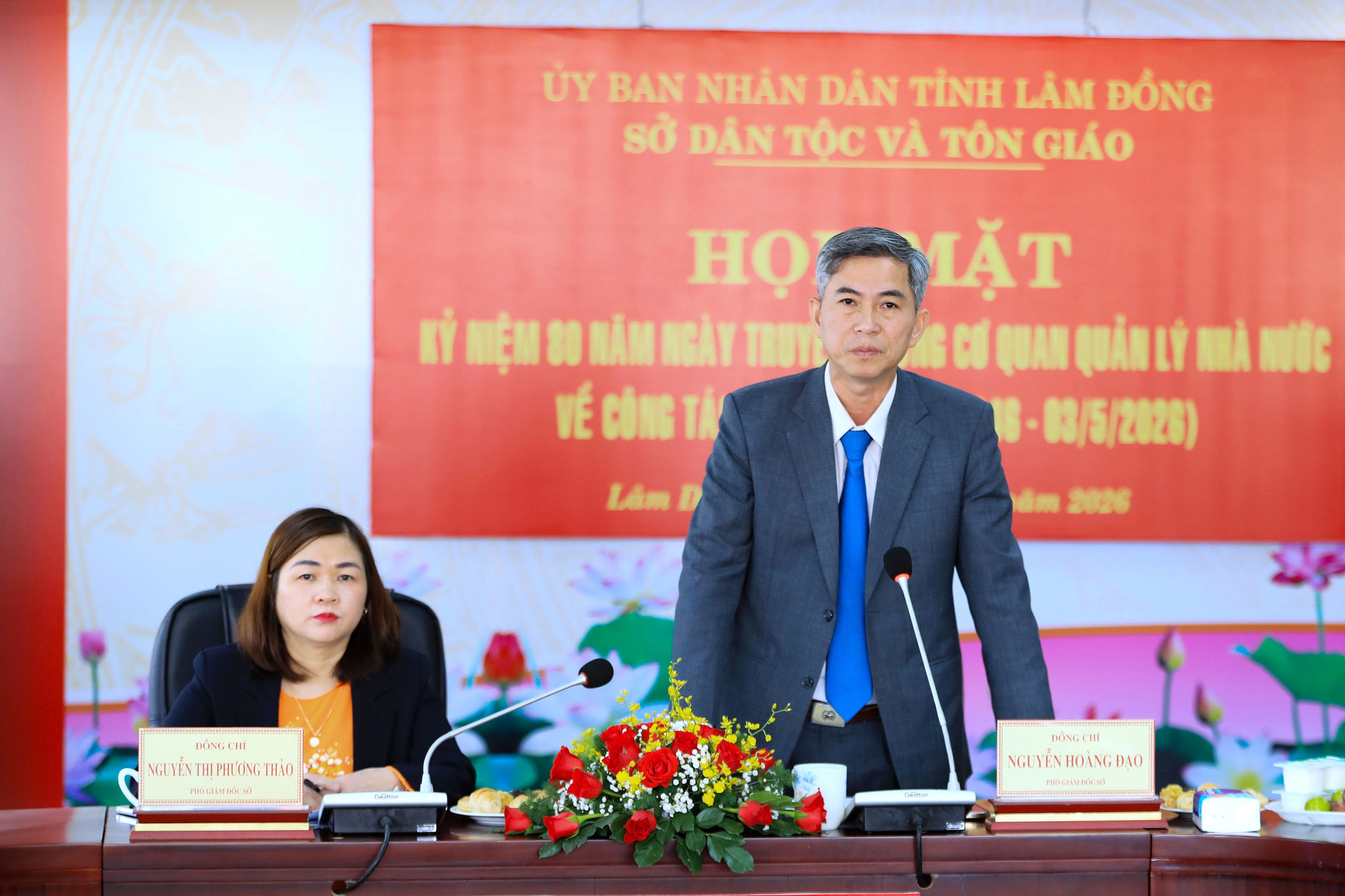
Lam Dong province is determined to move towards the goal of building a comprehensively and sustainably developed ethnic minority region, contributing to strengthening national unity in the new era.
Source: https://baolamdong.vn/lam-dong-ky-niem-80-nam-cong-tac-dan-toc-439731.html




































































































Comment (0)