

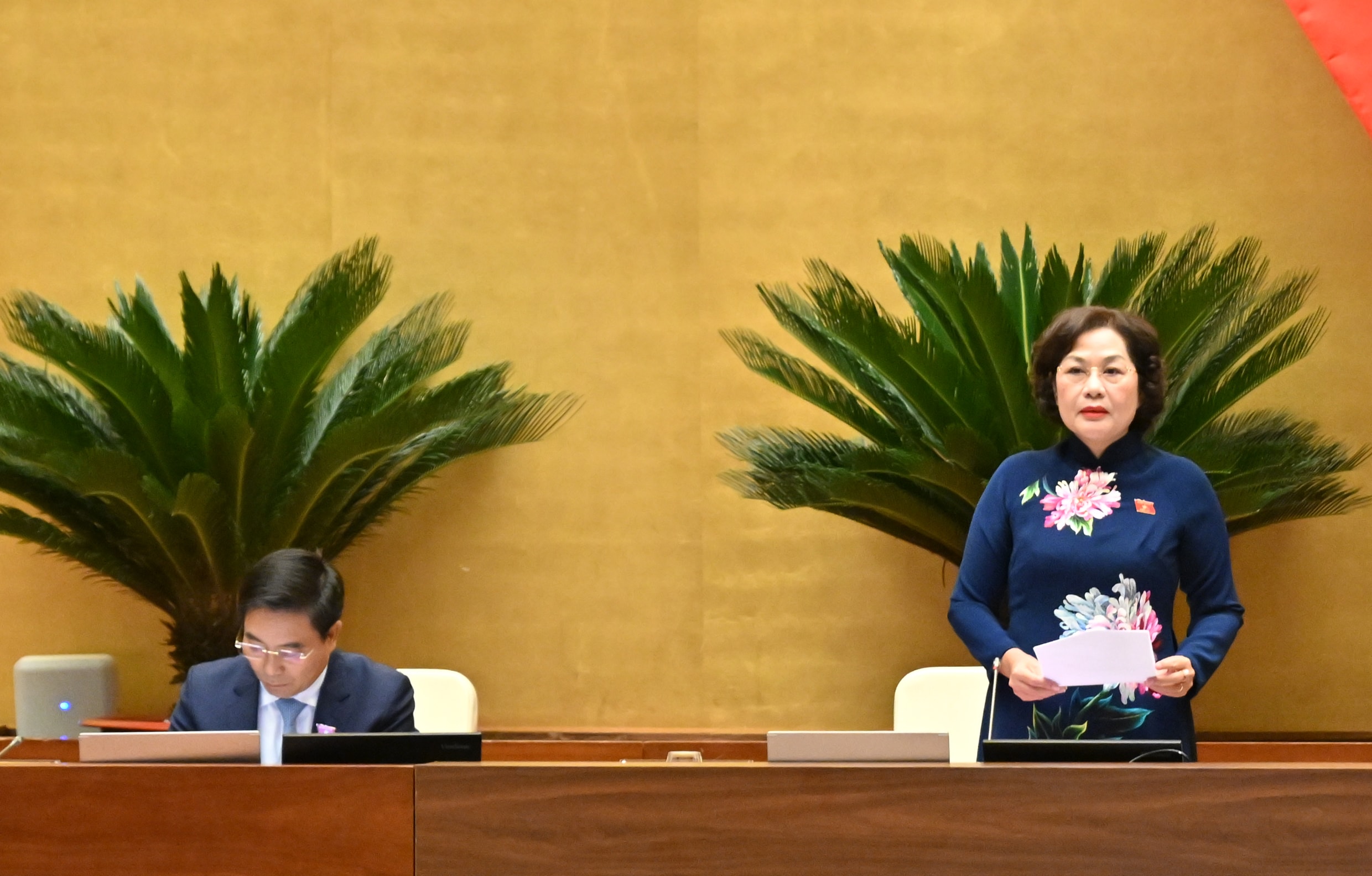
Clearly define policy priorities.
Discussing the socio-economic situation, National Assembly Deputy Pham Trong Nhan (Ho Chi Minh City) emphasized that the country is at a very special juncture in its development process, with the goals set by General Secretary and President To Lam, along with the determination of the Prime Minister and the entire political system to achieve "double-digit" growth. In this context, the National Assembly needs to open a new chapter in this journey by building a foundational law for the private economy, moving from promises to design, from policies to legal guarantees, so that this sector – the most important driving force – has sufficient capacity for constructive development.
Delegates proposed that the Government, in coordination with the Standing Committee of the National Assembly, should urgently develop and submit to the National Assembly a draft Law on ensuring the right to develop the private economy at the end-of-year session in 2026. According to the delegates, if the state economy plays a leading role in key sectors, then the private economy must be the central driving force of growth and prosperity creation. Developing the private economy is not just a priority for one sector, but rather about liberating resources of the entire society, strengthening national competitiveness, so that the economy operates more efficiently and people benefit more from the fruits of development. Therefore, the National Assembly should not only affirm the role of this sector through resolutions, but also commit to and guarantee its development right through legislation, for the long-term destiny of the country.
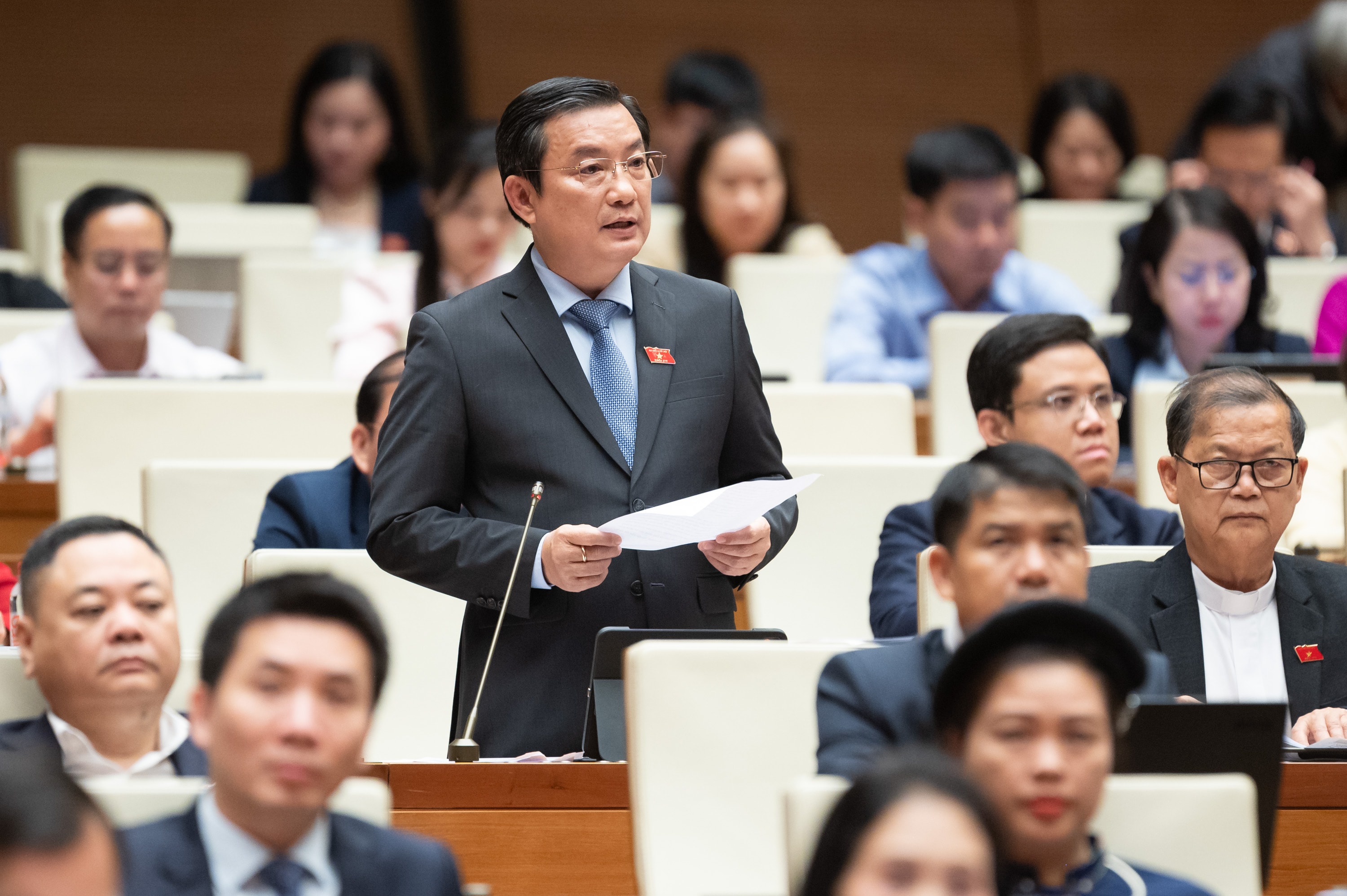
Concerned about the challenge of achieving growth while maintaining macroeconomic stability, National Assembly Deputy Nguyen Ngoc Son (Hai Phong) requested the Government to clarify two key issues. Firstly , determining the priority order of policies in case of conflicts arising between the goal of high growth and the requirements of maintaining macroeconomic stability, controlling inflation, ensuring public debt safety, and safeguarding the financial system.
At the same time, it is necessary to further clarify the resources for growth, clearly distinguishing between resources that can be mobilized immediately in 2026 and those that depend on the market, procedures, or the economy's absorption capacity. "The reality of many years shows that bottlenecks lie not only in a lack of capital, but also in slow disbursement, weak investment preparation, lengthy procedures, scattered allocation, projects lacking spillover effects, and uneven implementation capacity at the local level. Therefore, the Government needs to assess and clearly identify mechanisms to overcome these issues in order to transform resources into real, effective growth with measurable results," Representative Nguyen Ngoc Son stated.
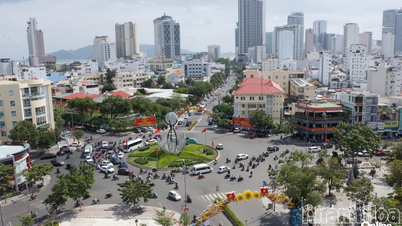
Regarding the solution for developing a synchronous and modern infrastructure, based on fully institutionalizing the requirements of the Central Government, the delegates requested the Government to clarify three issues. First, the criteria for identifying priority projects aimed at expanding development space, removing bottlenecks in regional connectivity, reducing logistics costs, increasing productivity, and being able to yield immediate results in the 2026-2027 period.
Furthermore, it is necessary to tighten supervision of the quality, progress, and efficiency of investment, as well as the capacity for inter-sectoral and inter-regional coordination. In reality, infrastructure risks lie not only in delays but also in the dispersion of resources, uneven land clearance across localities, slow relocation of technical infrastructure, lack of connectivity between different types of infrastructure, and the risk of cost overruns due to extended implementation periods.
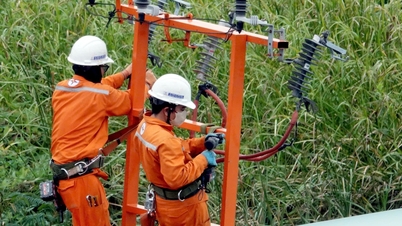
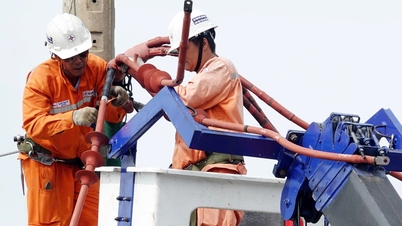
Notably, delegates argued that it is necessary to clearly quantify the roadmap for removing the "bottlenecks" in energy infrastructure to ensure high growth targets are met. This is a crucial step, because without sufficient electricity, stable transmission infrastructure, and a stable base power source, the entire development goal will face significant risks.
Expanding fiscal policy, updating growth scenarios.
In his report on the implementation of the socio-economic development plan for 2025 and the first months of 2026, the Prime Minister emphasized that the goal of high growth in the coming period, aiming for "double-digit" growth, is not only an economic indicator but also a political imperative, requiring greater determination, more innovative thinking, and more tangible results. Citing this point, National Assembly Deputy Trinh Xuan An (Dong Nai) noted that, given the economy's heavy reliance on bank credit, and the limited availability of other capital channels such as the corporate bond market, the stock market, or attracting foreign capital, a credit growth rate of only around 15% would make it difficult to achieve a growth target of 10% or higher.
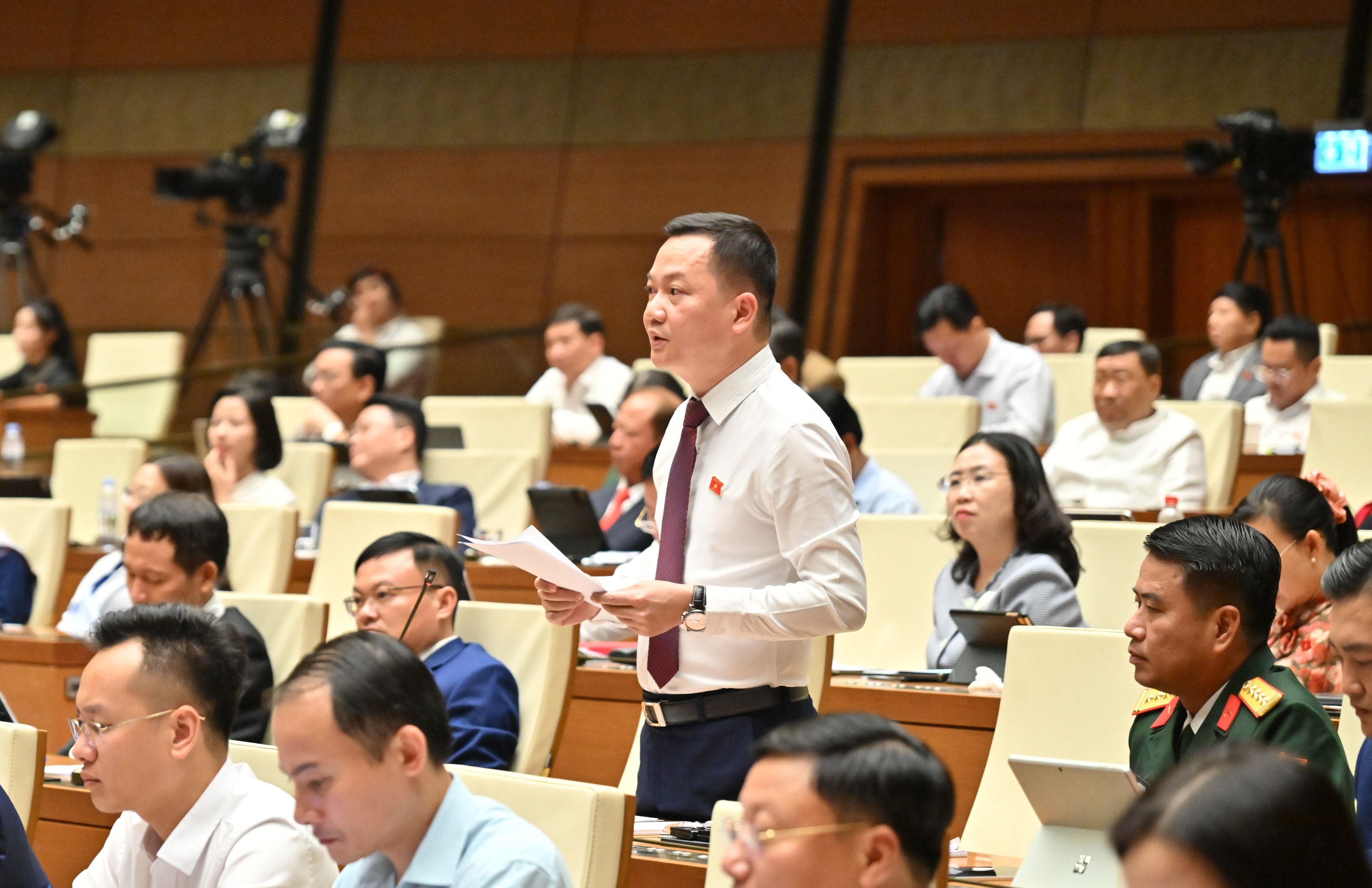
According to the delegates, if capital flows are not adequately facilitated, the high growth target will be difficult to achieve. Therefore, the State Bank of Vietnam needs to conduct a more comprehensive assessment of the supply and demand for capital in the economy, and manage monetary policy flexibly, with a focus on key areas. At the same time, it needs to consider selectively easing credit limits, prioritizing commercial banks with good asset quality and low non-performing loans, in order to ensure that capital flows directly into the production and business sectors, instead of applying a mechanical ceiling to the entire system.
Explaining the goal of high and sustainable growth, Minister of Finance Ngo Van Tuan said that to achieve a growth rate of over 10% this year, the remaining quarters must grow by 10-11%. The Ministry of Finance will advise the Government to review and update the growth scenario, assigning specific tasks to each agency, locality, ministry, sector, and enterprise in accordance with the new situation.
According to the Minister, achieving "double-digit" growth is a very challenging goal, but it is an inevitable path chosen with high consensus. Therefore, in addition to updating growth scenarios, close coordination between fiscal and monetary policies is necessary to ensure sufficient capital supply for the economy while maintaining macroeconomic stability.
"Fiscal policy will focus on improving tax policies, ensuring that taxes are collected correctly, fully, and promptly, while creating the best possible conditions for businesses to develop, especially small and medium-sized enterprises (SMEs) - which currently account for about 96% of the number of businesses and contribute over 50% of GDP," the Minister emphasized.
Source: https://daibieunhandan.vn/lam-ro-dong-luc-cho-tang-truong-10415438.html

































































































Comment (0)