

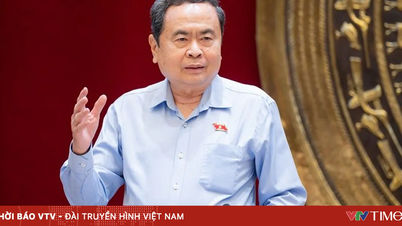
The National Assembly entered its 16th term in a special context: the demand for high growth coupled with sustainable development; the world situation continued to evolve rapidly and complexly, with fierce strategic competition, digital transformation, green transformation, and the strong development of the knowledge economy . A large workload was predictable, but the biggest challenge, as the Speaker of the National Assembly pointed out, "is not just the workload but the requirement for strong innovation in thinking and working methods." The National Assembly "must not only do things correctly, but must do them faster, better, more effectively, more persuasively, and create greater consensus and trust."
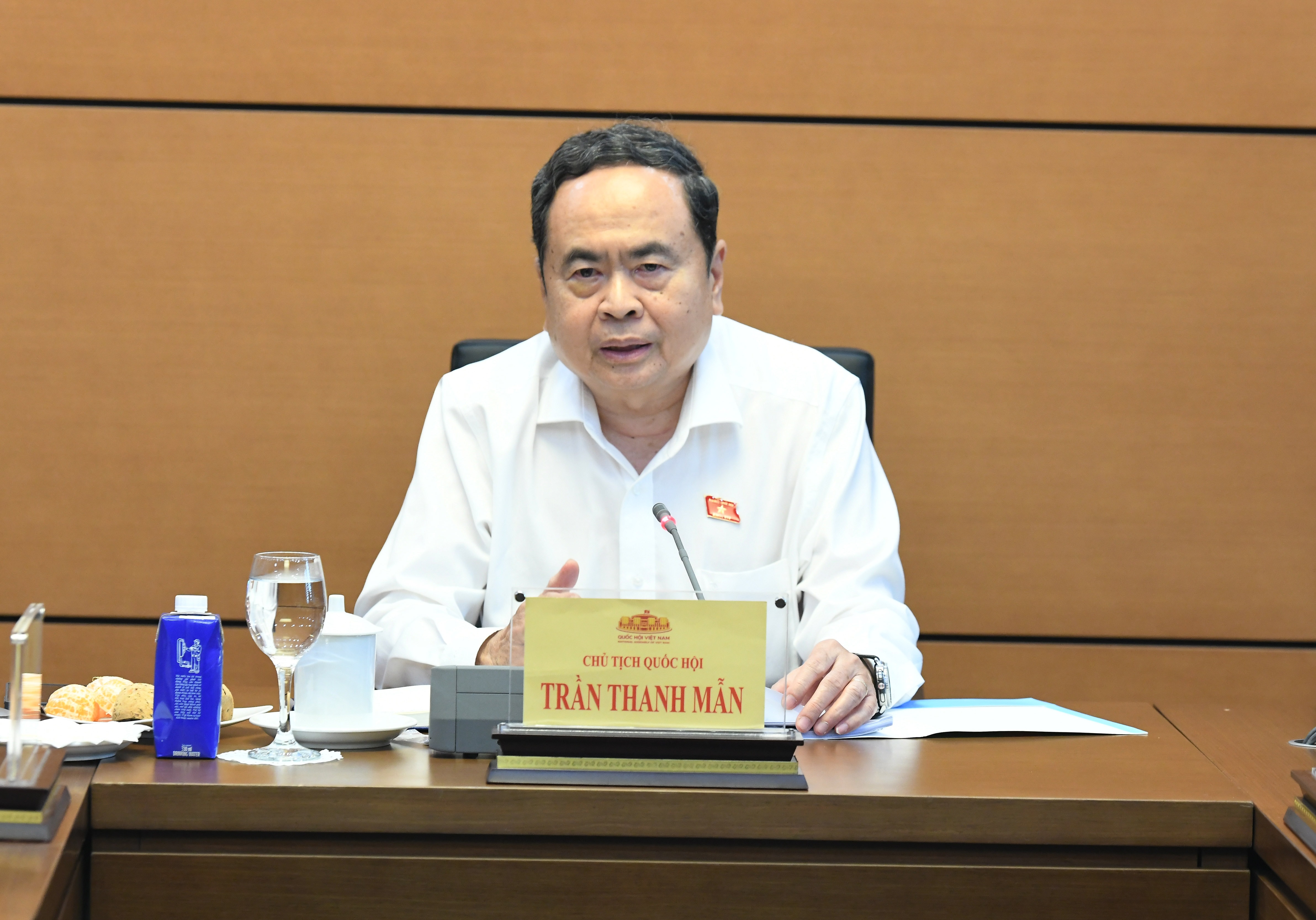
In the aforementioned criteria, "constructive legislation" plays a pioneering role. The Chairman of the National Assembly affirmed, "The National Assembly must lead in institutional breakthroughs. Without reforming legislative thinking, there will be no room for development." The core point is to continue to strongly reform thinking and understanding of law: from a management tool to a development tool. Laws cannot merely aim at control, but must create a favorable environment to unlock resources, promote innovation, and enhance national competitiveness. The requirement that "laws must be one step ahead" therefore needs to be concretized throughout the entire law-making process. Each draft law needs to be placed within the context of development: what bottlenecks will it address, what opportunities will it create, and how will it impact businesses and citizens?
Regarding the second criterion, the Speaker of the National Assembly requested "substantive supervision," pursuing implementation to the end and linking it with clear accountability. This is a fundamental shift in the methods and effectiveness of supervision. The focus of supervision should be on issues of concern to voters, bottlenecks in the economy, and areas where policies have been enacted but their implementation has been limited; strengthening post-supervision mechanisms to avoid the situation of "supervision being completed but then forgotten." When supervision brings about concrete changes in governance and ensures that policies are implemented fairly and transparently, the role of the National Assembly will be fully affirmed.
In the third criterion, "breakthrough decisions" reflects the need to elevate the quality of decisions made by the National Assembly on important national issues in the context of the country needing new growth drivers. Breakthroughs are primarily about quality and timing. A correct but delayed decision will miss opportunities; a decision lacking a scientific basis will pose risks to long-term development. Therefore, every important decision must be based on complete data, analyzed for multi-dimensional impacts, ensuring feasibility, and "must be practical, timely, and produce tangible results." This requires a higher level of review process, more closely linked to practical realities and development requirements.
To realize the above criteria, reforming the working methods of the National Assembly is crucial. Building a digital National Assembly and digitizing legislative, supervisory, and policy-making activities is an essential direction to improve the quality of analysis, shorten policy delays, and increase transparency. Along with this, the principle of "clear responsibilities, clear tasks, clear accountability" must be thoroughly understood; discipline and order must be tightened while creating space for innovation and encouraging officials to think boldly, act boldly, and take responsibility for the common good.
The action criteria set forth by the head of the legislative body are not only aimed at improving the effectiveness of the National Assembly's operations, but also at creating an institutional foundation for breakthrough development, improving the quality of life, and strengthening the trust of voters and the people. In the context of increasingly high expectations, the quality of the National Assembly's work must be measured by the effectiveness of policy implementation and its ability to address strategic and practical issues facing the country. The people's trust is the most objective measure of the competence and integrity of the 16th National Assembly.
From the message of the Speaker of the National Assembly, the requirement placed on the National Assembly's agencies and each National Assembly delegate is to organize and implement synchronously with the highest political determination and sense of responsibility, so that the National Assembly not only fulfills its constitutional functions, but truly becomes the center of institution building, leading the country steadily into a new era.
Source: https://daibieunhandan.vn/lap-phap-kien-tao-giam-sat-thuc-chat-quyet-sach-but-pha-10415858.html






































































































Comment (0)