

Essentially, laptops are portable computers that can be placed on your lap, while notebooks typically refer to ultra-thin, lightweight laptop models that are about the size of a notebook.

ASUS ROG Strix Scar 18 gaming laptop series
PHOTO: T. L
This difference lies not only in size but also in performance. Notebooks typically use smaller and less powerful components than laptops, resulting in limited processing capabilities. For example, the RAM, CPU, and hard drive in notebooks are often not comparable to those in laptops.
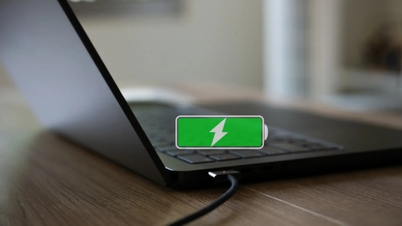
Battery life is also an important factor. Laptops typically have larger battery capacities, but more powerful hardware also consumes more energy, resulting in shorter usage times. Conversely, notebooks are more energy-efficient thanks to their less powerful components, allowing them to run longer when unplugged.
When it comes to performance, laptops are generally suitable for a wide range of tasks such as video editing, software development, and gaming, while notebooks are only powerful enough for lighter tasks like writing emails or watching videos. If you need a powerful device for work, a laptop or desktop computer would be a better choice.

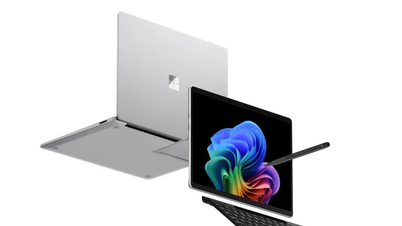
Notebooks are not a strong choice for high-performance work.
PHOTO: MICROSOFT
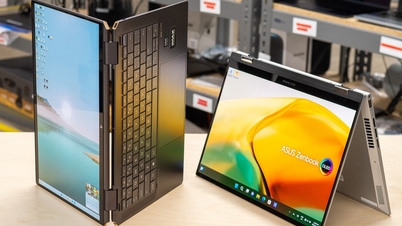
In terms of price, laptops and notebooks come in a wide range of price points. Generally, laptops are more expensive due to their more powerful hardware. For example, Asus' ROG Strix Scar 18 gaming laptop starts at $2,700, while one of their best notebook models, the Vivobook S14, costs only $1,200. However, prices can vary depending on the retailer and promotional offers.
In summary, if you're looking for a high-performance mobile computer, a laptop is a worthwhile investment. Conversely, if you only need a device for light tasks, a notebook might be a more reasonable and economical choice.
Source: https://thanhnien.vn/laptop-va-notebook-khac-nhau-o-diem-nao-185260429224302732.htm



































































































Comment (0)