

Popular vegetable with many values
Since ancient times, red amaranth has been popularly known as “longevity vegetable”. So what is so special about this seemingly ordinary vegetable that nutritionists are increasingly mentioning it?
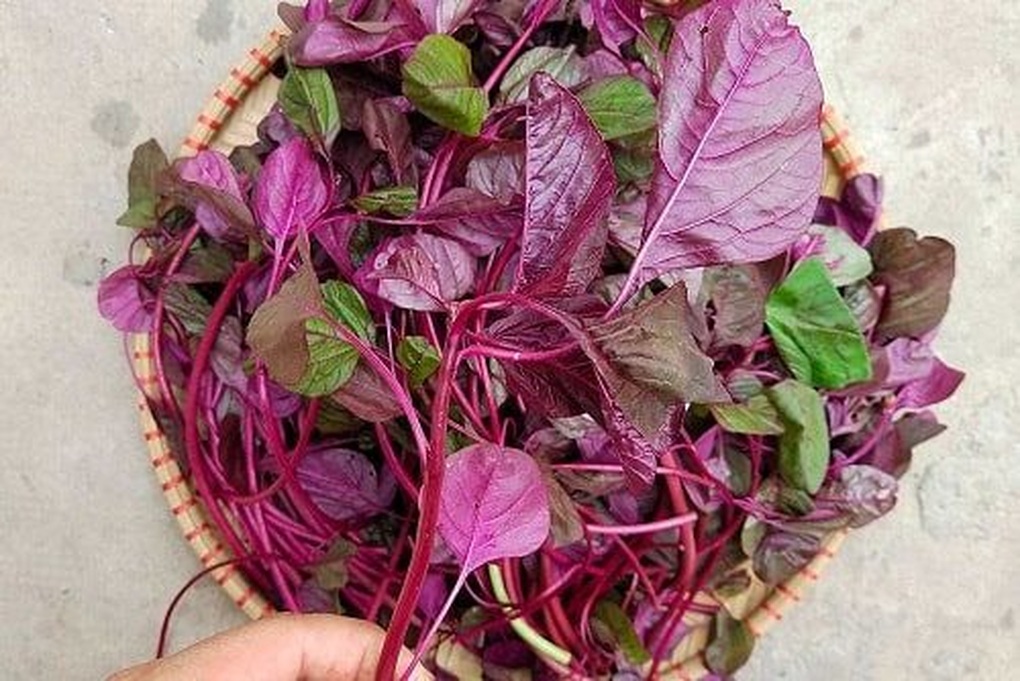
Amaranth is both cheap and has many health benefits (Photo: Getty).
In many rural areas, red amaranth used to grow wild on the banks of fields and in garden corners, and was pulled up to feed pigs or hastily picked to cook a bowl of soup to cool off on a hot summer day. Amaranth is strong, easy to grow, drought-resistant, and has few pests, so many households grow it in the style of “home-grown clean vegetables”, with almost no need to spray pesticides.
As the trend of healthy eating returns, wild vegetables that require less chemical use such as red amaranth are increasingly favored.
The most talked about point of red amaranth is its outstanding iron content. In 100g of red amaranth there is about 5.4mg of iron, almost twice as high as some familiar green leafy vegetables and estimated to be about 4 times higher than the amount of iron in the same mass of beef.
Not only rich in iron, red amaranth also contains a significant amount of natural vitamin C, helping the body absorb iron more effectively. This combination makes red amaranth soup a suitable choice for:
- Women after menstruation are easily tired and dizzy due to anemia.
- Children in the growing stage need micronutrient supplements.
- Vegetarians rarely use iron sources from animals.
Of course, vegetables cannot replace medicine to treat anemia, but if included in the menu regularly, this is a healthy source of iron, easy to eat, easy to prepare and affordable for most families.
Good for bones thanks to easily absorbed calcium
Many people often think of milk when they need to supplement calcium, few people expect that a bunch of common red amaranth also has a significant "storehouse" of calcium. Although it is not the type with the highest calcium content, the ratio of calcium and phosphorus in red amaranth is quite reasonable, helping the body use this mineral more effectively.
Another plus is that red amaranth also contains vitamin K, which helps bring calcium to the right places the body needs it, such as bones and teeth, instead of depositing it in soft tissue.
Nutritionists often recommend that middle-aged people and people at risk of osteoporosis should eat a variety of green vegetables, including red amaranth, to help support bone and joint health in their daily meals.
Antioxidant “shield” from eye-catching purple-red color
The beautiful purple-red color of amaranth not only makes the dish look more attractive, but is also a sign of a "storehouse" of natural antioxidants.
The characteristic purple-red color of red amaranth comes from the betalain group of active ingredients. Many studies show that betalain has the ability to neutralize free radicals, helping to protect cells from the effects of pollution, stress, and unhealthy diet.
In addition, red amaranth also contains lutein and zeaxanthin, two nutrients often mentioned in eye support products. Adding red amaranth to your diet, combined with protecting your eyes from the sun, limiting staying up late and using electronic devices for too long, can contribute to supporting retinal health from the inside.
In other words, at a very low cost, consumers have an additional food rich in antioxidants, helping the body "protect against the sun" from the inside, supporting healthier skin and eyes.
How to eat red amaranth without wasting nutrients
Amaranth is quite easy to prepare, but if not cooked properly, the color can easily turn black, and some vitamins and minerals are also lost. Some suggestions to keep the maximum nutritional value include:
Blanch quickly then mix the salad: Wash, remove old leaves, blanch the vegetables in boiling water for about 8 to 10 seconds then remove and soak immediately in ice water. This method helps the vegetables retain their beautiful purple color and light crunch. Then you can mix with fried garlic, roasted sesame, vinegar, a little cooking oil and sweet and sour fish sauce to make a refreshing salad rich in vitamins.
Soup: Red amaranth goes well with tofu, shrimp, minced meat or mushrooms. When cooked, minerals such as potassium and magnesium dissolve into the water, so it is best to eat both the amaranth and the liquid.
Variations into cake filling, egg filling: Instead of just boiling and dipping, you can chop red amaranth, mix with eggs or shrimp, season to taste and fry into pieces. This dish increases fiber and is easy to eat for children or people who do not like to eat raw leafy vegetables.
Source: https://dantri.com.vn/suc-khoe/loai-rau-truong-tho-chi-vai-nghin-mot-mo-it-bi-phun-thuoc-sau-20251205175731676.htm
![[Photo] General Secretary To Lam works with the Standing Committees of the 14th Party Congress Subcommittees](/_next/image?url=https%3A%2F%2Fvphoto.vietnam.vn%2Fthumb%2F1200x675%2Fvietnam%2Fresource%2FIMAGE%2F2025%2F12%2F09%2F1765253019536_a1-bnd-0983-4829-jpg.webp&w=3840&q=75)


![[Photo] Urgently help people soon have a place to live and stabilize their lives](/_next/image?url=https%3A%2F%2Fvphoto.vietnam.vn%2Fthumb%2F1200x675%2Fvietnam%2Fresource%2FIMAGE%2F2025%2F12%2F09%2F1765248230297_c-jpg.webp&w=3840&q=75)





































































































Comment (0)