

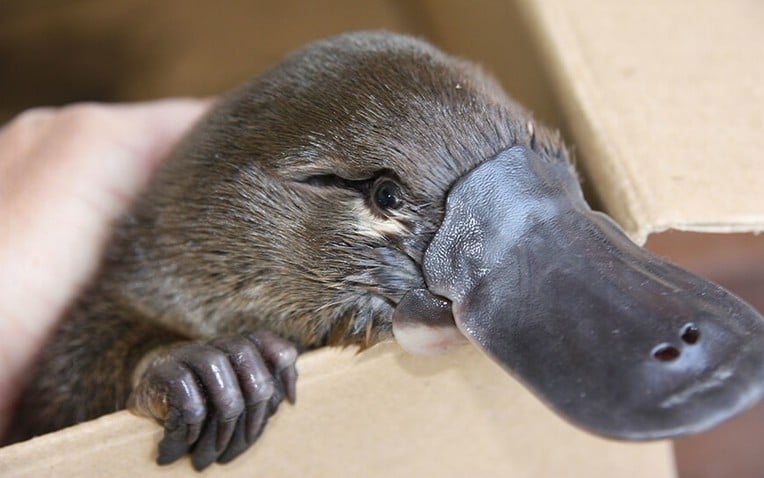
Nature has always had its ways of playing tricks on human intellect, and the platypus is the most compelling example. When the first specimens were sent from Australia to Europe in the 18th century, leading experts at the time declared it a hoax. They even tried to find stitches on the skin, believing that someone had cleverly sewn a duck's beak onto the body of a mammal.
A contradictory, "patchwork" design.
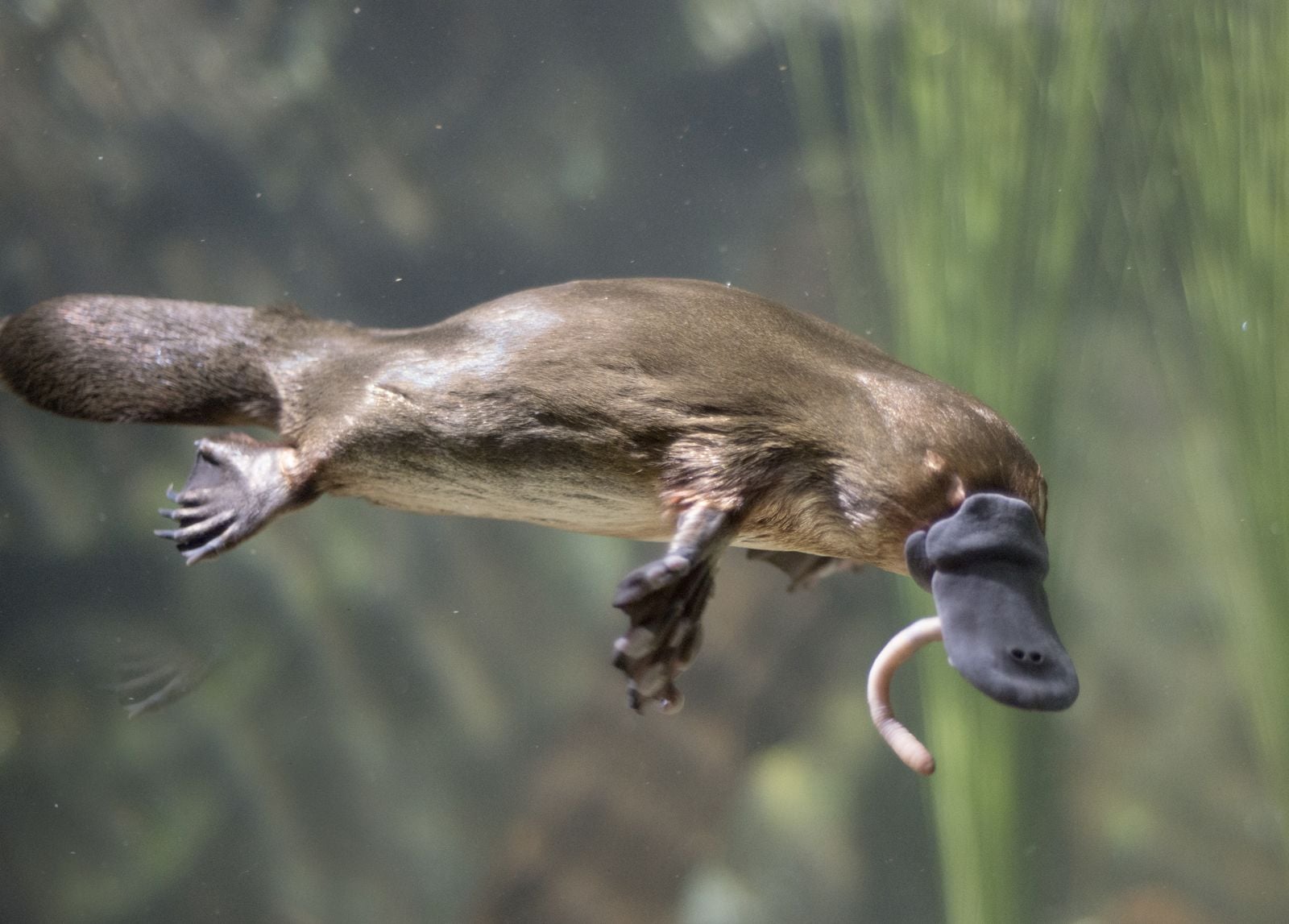
The platypus is a collection of seemingly unrelated features. It has a flat beak like a duck, waterproof fur and a plump, rounded tail like a beaver, but webbed feet and sharp claws like an otter.
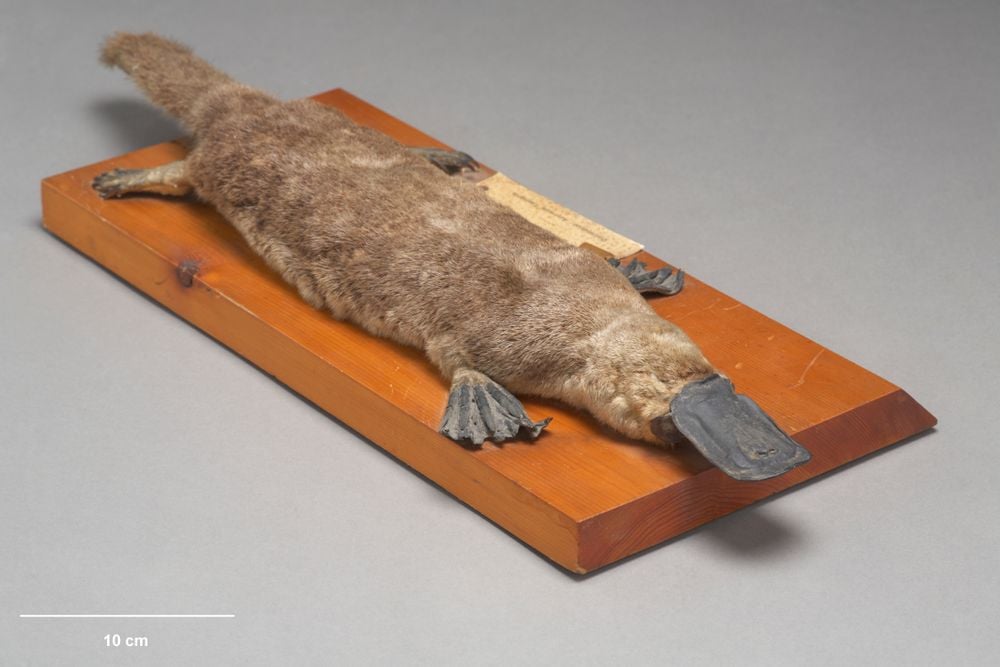
The most shocking thing is that, despite being classified as a mammal, the platypus doesn't give birth to live young but instead lays eggs. When the eggs hatch, the young nurse from their mother's milk. However, the females don't have nipples; milk is secreted through pores on their belly like sweat for the young to lick. It's such a bizarre combination that no biological law can explain it.
A deadly weapon disguised in an innocent appearance.
Don't let its somewhat slow and comical appearance fool you. Male platypuses possess an extremely dangerous weapon: sharp spurs on their hind legs capable of secreting venom. This venom is potent enough to kill a small dog and cause excruciating pain in humans—pain that can last for weeks and is ineffective against by ordinary painkillers.
But that's not all; the platypus also possesses a "sixth sense." When diving underwater, it tightly closes its eyes, ears, and nose. Instead of seeing, it uses thousands of bioelectrical receptors on its beak to sense electrical impulses emanating from the muscles of its prey. It hunts by "scanning" the riverbed like a modern metal detector.
"Living fossils" challenge modern medicine.
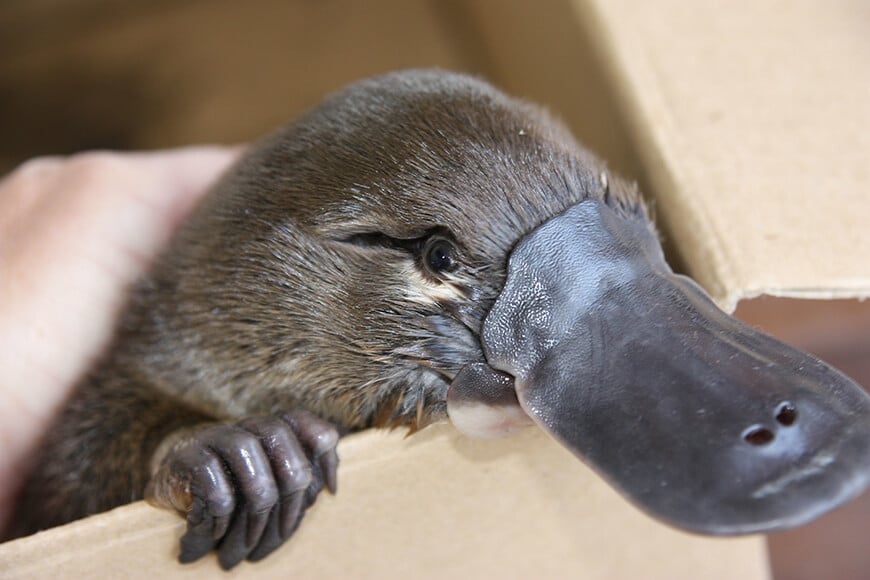
Despite its enigmatic reputation, the platypus holds the key to several important medical problems. Scientists have discovered that its milk and venom contain a special protein capable of fighting antibiotic-resistant bacteria. Furthermore, a hormone found in its body is being studied for the treatment of type 2 diabetes in humans.
The existence of the platypus is a reminder that the animal world still holds mysterious corners far beyond any theoretical understanding. It is not a flawed creation, but a perfect creature that has existed for over 100 million years, defying all human attempts at classification.
In a planet where everything is gradually being codified and explained, the platypus remains the most enigmatic creature – a symphony of oddities and extraordinary evolution.
Source: https://giadinh.suckhoedoisong.vn/loai-vat-kho-hieu-nhat-the-gioi-172260428071627544.htm

































































































Comment (0)