

The story in Ly Son is not just about protecting a fish species; it also carries great significance in protecting and regenerating natural aquatic resources, as well as raising an alarm about the destructive exploitation currently taking place in many sea areas.
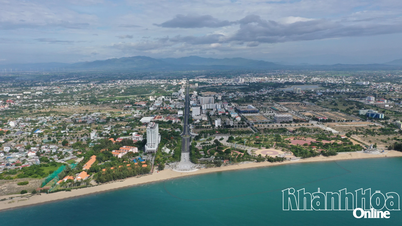
The above story inevitably draws a parallel to the current situation in the coastal region of our province. Lam Dong currently boasts over 190 km of coastline, with 14 coastal communes, wards, and special zones, and over 8,000 fishing vessels and more than 40,000 fishermen directly involved in seafood exploitation. It is one of the three largest fishing grounds in the country, with abundant and diverse marine resources. Notably, this is also a rare upwelling phenomenon in the world, contributing to the renowned deliciousness and high economic value of its seafood.
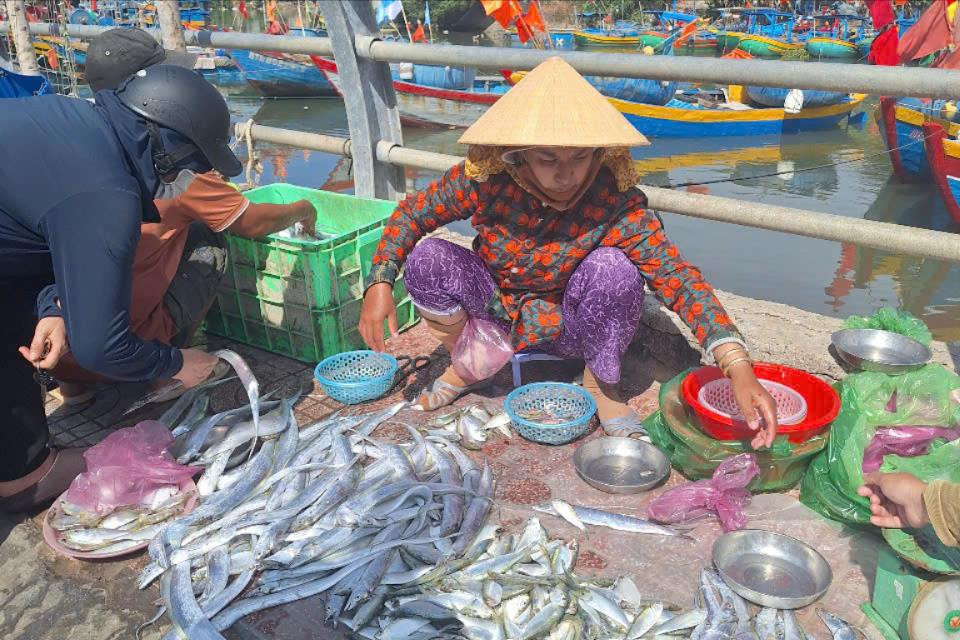
However, despite abundant natural resources, the problem of overfishing remains complex. Along many fishing ports, harbors, and coastal markets, it's not uncommon to see small fish, shrimp, young squid, and shellfish that haven't reached their growth stage being caught and sold indiscriminately. Many species are even used as animal feed at very low prices. This reflects a "fishing without restraint" mentality, where everyone fishes for maximum immediate gain without considering the long-term recovery of aquatic resources.
More worryingly, many fishermen still use destructive fishing gear such as small-mesh nets, bottom trawls, or fishing during the breeding season. These fishing methods not only destroy marine ecosystems and rapidly deplete natural seafood stocks, but also deplete the ability of marine life to regenerate in subsequent seasons. The ultimate consequence is that the livelihoods of fishermen are threatened.
Current laws already provide fairly comprehensive regulations on the protection of aquatic resources. According to the Fisheries Law, areas where aquatic life concentrates for breeding and where juvenile aquatic life lives are subject to protection; acts that destroy aquatic resources and aquatic ecosystems are strictly prohibited. Government Decree No. 38/2024/ND-CP also clearly stipulates penalties for catching aquatic life smaller than permitted size, using destructive fishing gear, or fishing in prohibited areas. In addition to fines, violators may also have their vessels and fishing gear confiscated and be forced to release live aquatic life back into the natural environment.
However, in reality, inspection, monitoring, and handling of violations still face many difficulties. The number of law enforcement personnel is limited, the area is vast, and some fishermen still have limited awareness, so violations persist. In some places, the penalties are not sufficiently deterrent, there is leniency, or a lack of coordinated efforts.
Therefore, to fundamentally protect aquatic resources, we cannot rely solely on penalties. More importantly, we must change the awareness and fishing habits of the people. Fishermen need to understand that protecting young marine resources today is about preserving their livelihoods for tomorrow.
Based on the current situation, relevant agencies and coastal localities in Lam Dong need to intensify widespread propaganda on protecting aquatic resources in conjunction with combating IUU (Illegal, Unreported, and Unregulated) fishing; strengthen efforts to encourage fishermen not to harvest immature seafood and not to use destructive fishing gear; and develop co-management models for fisheries to enable community participation in monitoring and protecting marine resources. In addition, strict control over the buying and selling of immature seafood at fishing ports and wholesale markets is necessary; and serious penalties should be imposed on those who intentionally violate regulations to create a deterrent effect.
The sea has endowed humanity with valuable resources, but if we only exploit them without preserving them, that wealth will not last long. The story of Ly Son shows that when the government and the people share a common understanding, protecting aquatic resources can create a positive effect in the community.
Source: https://baolamdong.vn/loi-ich-lau-dai-hay-tan-diet-442657.html


























































































Comment (0)