

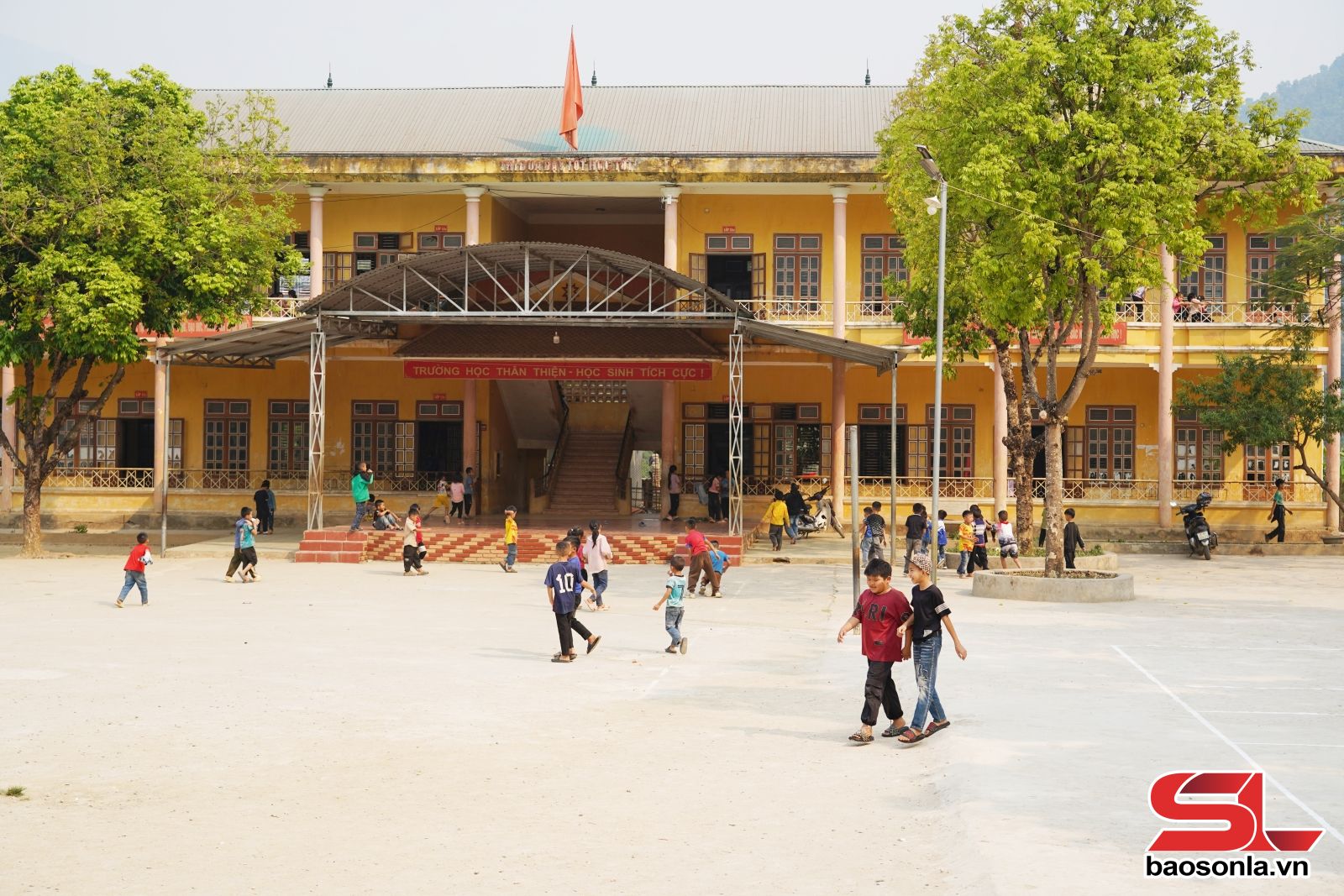
Long He commune was established by merging Long He and E Tong communes, comprising 23 villages and 1,600 households, mainly inhabited by the Thai and Mong ethnic groups. Transportation is difficult, with many roads from the commune center to the villages still unpaved. Production is small-scale and fragmented; people's incomes are low, making it very difficult for them to participate in contributing to the New Rural Development (NRD) program. According to the NRD criteria for the 2026-2030 period, Long He commune has not yet met any NRD criteria. Specifically, 9 villages lack paved roads to their centers; 15 villages lack standard cultural centers; and the average per capita income is currently only 10 million VND per year.
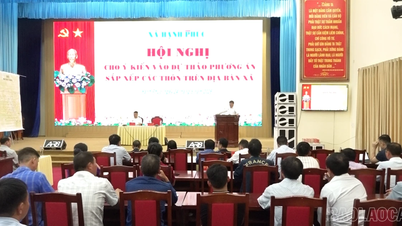
Speaking with us, Mr. Lo Van Quy, Chairman of the People's Committee of Long He commune, said: In implementing the criteria for new rural development, the People's Committee of the commune has deployed many solutions, focusing on increasing people's income to create momentum for fulfilling other criteria. At the same time, working groups have been established to directly visit each village to assess the actual situation, listen to people's opinions, and then develop specific plans for each area, ensuring they are appropriate to the actual conditions and needs of the people.
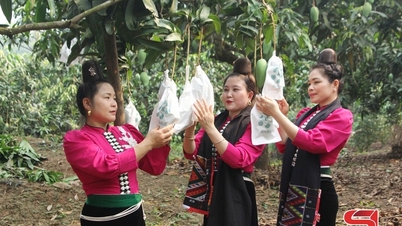
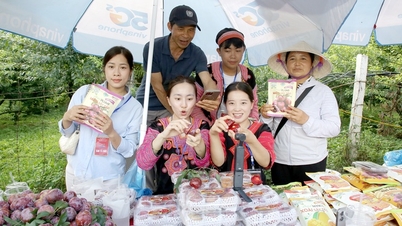
To sustainably improve people's income, the commune has directed villages to disseminate information and encourage people to apply science and technology to production, intensify cultivation, and increase the economic value of cultivated land. They maintained rice cultivation on 1,035 hectares, yielding 2,266 tons of paddy; planted 390 hectares of corn, yielding 1,560 tons; cultivated 670 hectares of cassava, yielding 8,241 tons of fresh cassava tubers; and carefully tended 626 hectares of various fruit trees, including hawthorn, mango, and longan, yielding 659 tons of fruit; and maintained livestock farming at over 63,400 head of cattle and poultry.
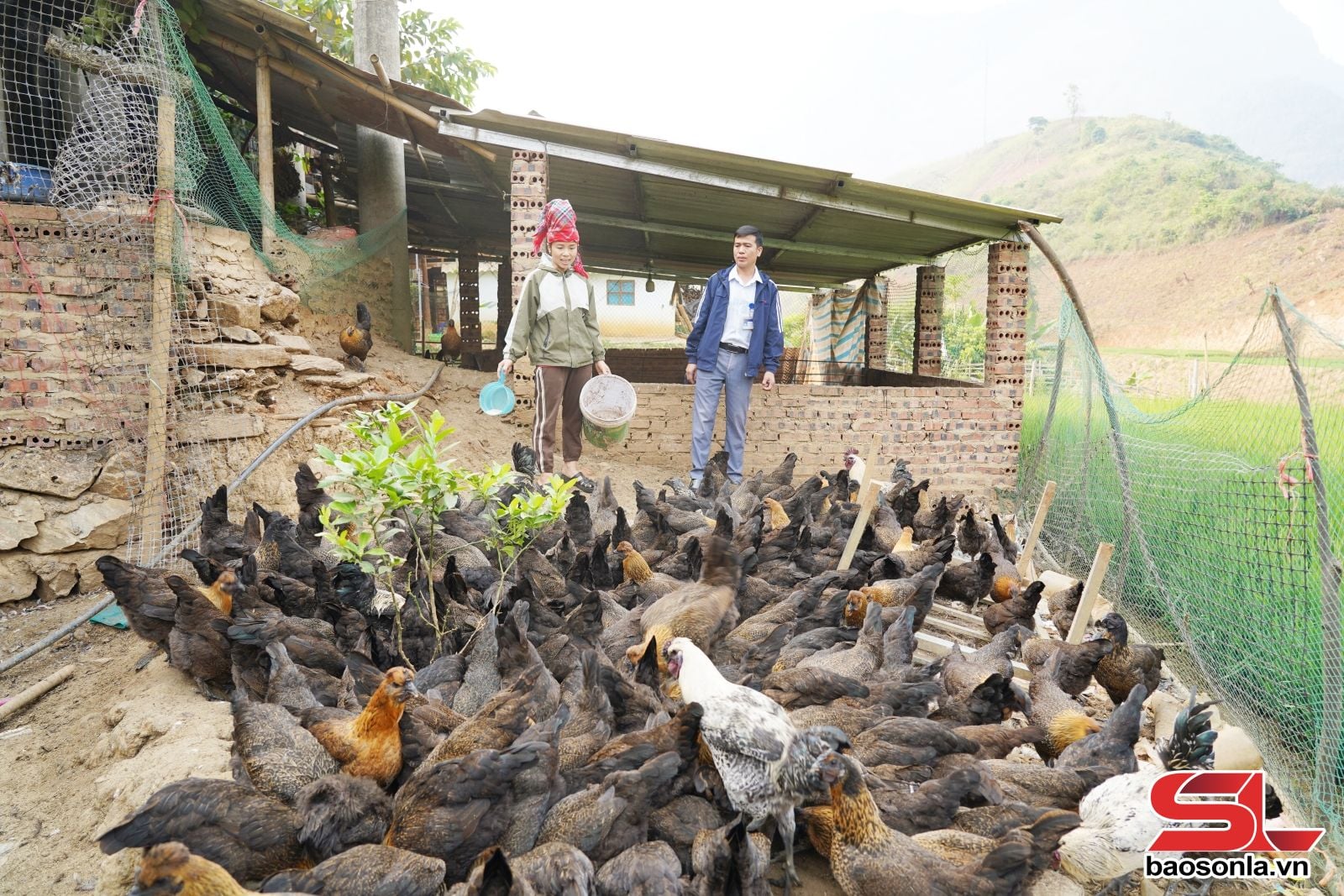
Furthermore, the commune has promoted the role of 3 cooperatives and cooperative groups to form production linkage models with households in the villages. Particularly noteworthy is the model of raising indigenous black chickens by cooperatives in collaboration with 50 households in 3 villages: Chà Mạy, Nà Ten, and Nà Hem. With a scale of 10-12 thousand chickens and applying VietGAP standards, this brings in an average income of 70-100 million VND/household/year from selling chicken meat. In addition, income from products such as chicken eggs and black chicken floss can bring in 500,000 VND/day for the farming households.
Mr. Lo Van Tham, from Na Hem village, Long He commune, shared: "In 2022, I participated in a production and consumption linkage model for black chickens with the E-FARM Ecological Agriculture Cooperative, strictly adhering to regulations in livestock farming. The main feed used is cornmeal and agricultural by-products. Each year, I raise three batches of chickens, totaling about 600 black chickens. The cooperative has guaranteed the purchase of 300 chickens from my family, which are then processed, packaged, and transported for sale in markets within and outside the province; the rest I sell locally and keep a portion for breeding. Along with selling chicken eggs and participating in the processing of black chicken floss, my family's income reaches 65-70 million VND per year. I am planning to expand my chicken farming to 1,000 chickens to increase income and meet customer demand."
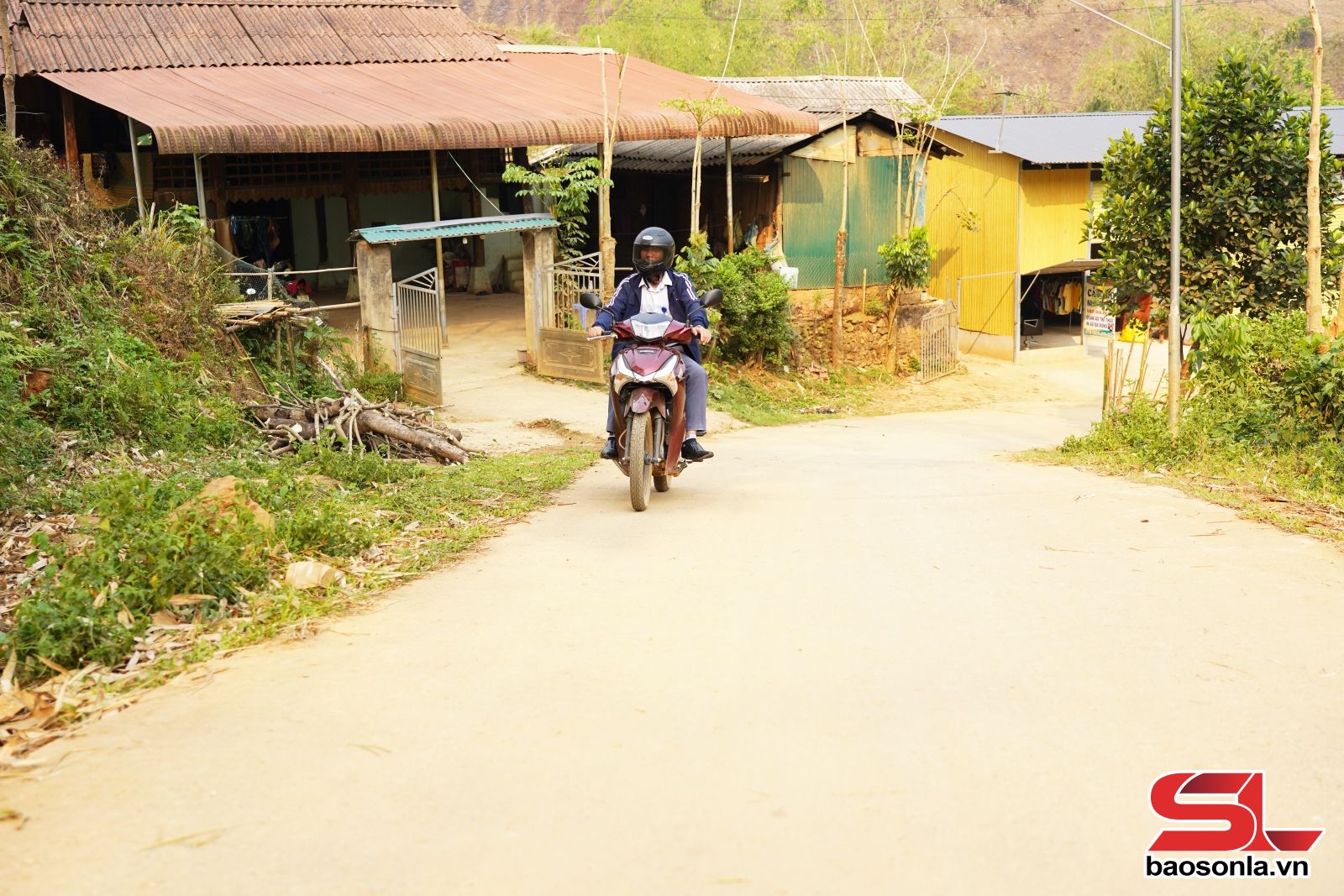
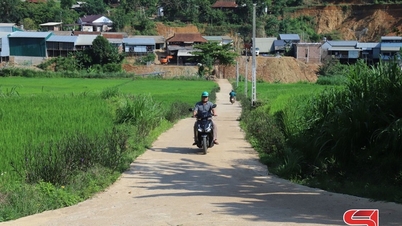
The commune also prioritizes the construction of infrastructure to serve the people's lives. The People's Committee of the commune has directed specialized departments to coordinate with the management boards of the villages to review and assess the items that need priority investment and construction. This includes focusing on building a road from the commune center to the villages of Pá Uổi, Cản Tỷ, Nà Nôm, Ta Khom, Nà Hem, Huổi Lanh, Huổi Lương, etc.; with a total length of approximately 25 km; and constructing 6 village cultural houses to meet the needs of meetings and cultural activities for the people.
Mr. Quang Van Tuong, Party Secretary and Head of Na Muong village, Long He commune, informed: Approximately 10 km of the village's main and internal roads remain unpaved, making travel difficult during the rainy season. The Party branch and the village management board held a meeting and agreed to mobilize Party members and residents to donate land to expand the roads. The people have unanimously donated over 1,000 m2 and are ready to contribute money for materials and labor as soon as the government provides cement to begin construction.
With the attention and guidance of leaders at all levels and sectors, the Party Committee, government, and people of Long He commune have been striving to overcome difficulties and are determined to achieve at least 4 criteria by 2030, helping people to have increasingly better lives.
Source: https://baosonla.vn/nong-thon-moi/long-he-no-luc-xay-dung-nong-thon-moi-VLIAPi0vg.html

















































































Comment (0)