What role does the Russian Army's Rubicon Brigade play on the battlefield in Ukraine?
The success of the Russian Army on the battlefield in recent times has had a great contribution from the Rubicon UAV Brigade. So what is the role of this Brigade?
Báo Khoa học và Đời sống•06/12/2025
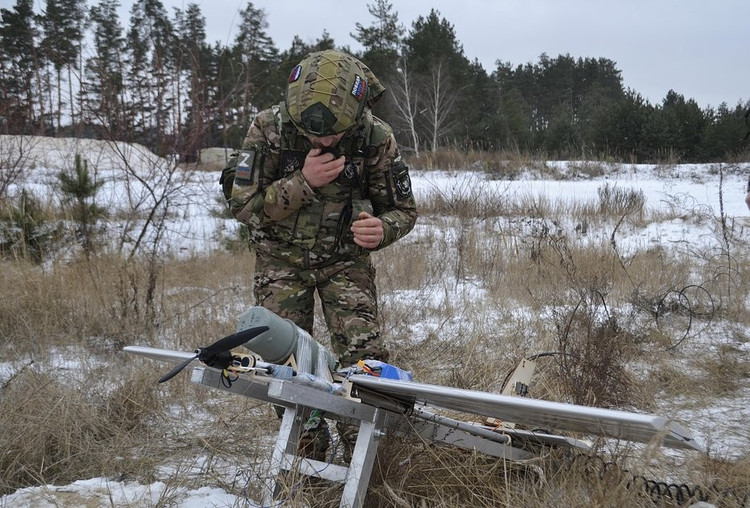
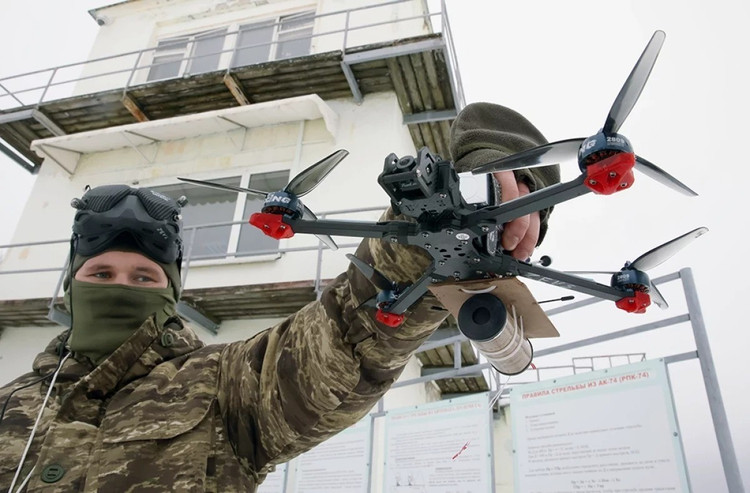
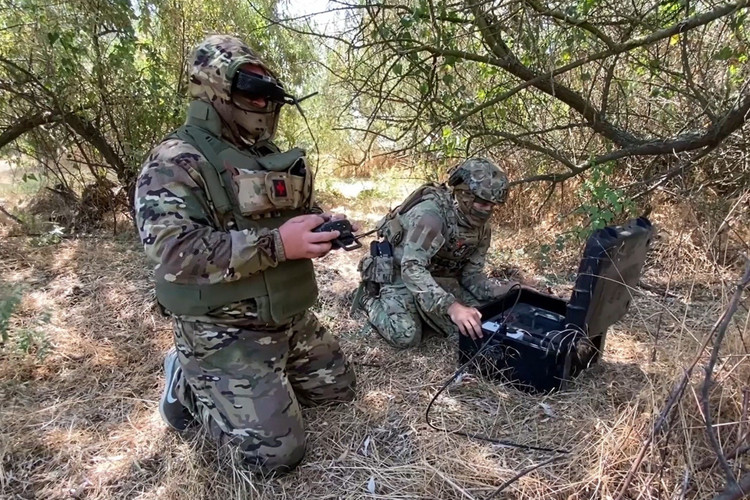
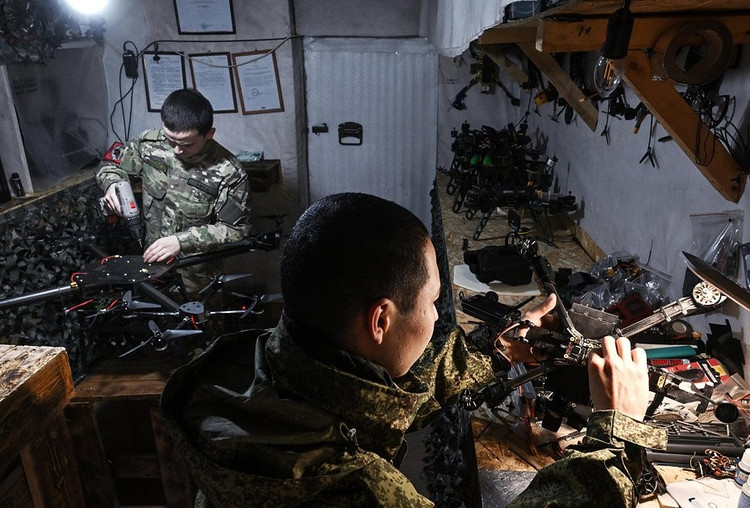
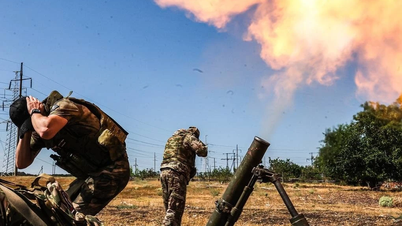
The Rubicon Brigade is a unit specializing in the use of unmanned vehicles, directly subordinate to the Russian Ministry of Defense . Earlier this year, the RFAF General Staff assigned the Rubicon UAV Brigade the task of destroying AFU strongholds in Pokrovsk, based on the Brigade's previous combat experience at the Kursk front. The results of the fighting proved this calculation correct, as the logistics of the AFU in Pokrovsk were significantly reduced, when the first unit of the Rubicon Brigade appeared at the front at the end of January this year, and they seem to have been reinforced with additional crews in May 2025, at the beginning of the summer offensive.
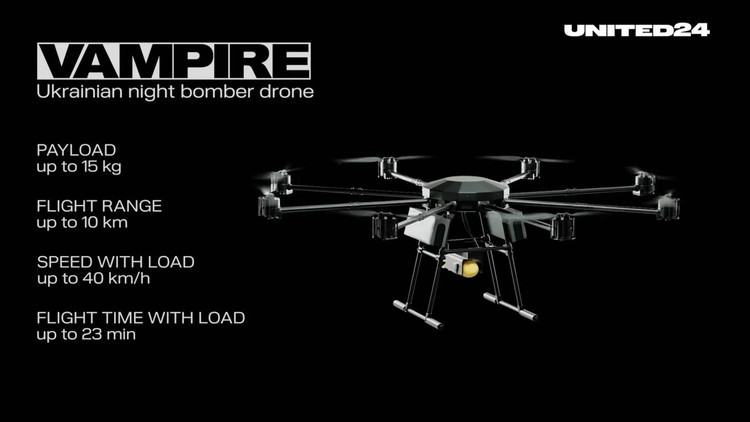
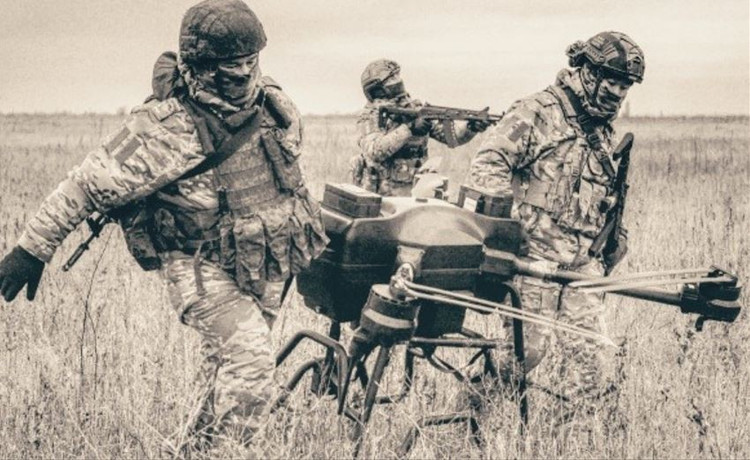
Ukrainian electronic warfare expert Sergei Beskrestnov (aka Flash) claimed at the time that the RFAF General Staff had redeployed at least half of the Rubicon's force, or about 40 crews, from the northern theater to Donbass. At that time, the AFU on the front lines began to widely use multi-role multi-axis UAVs and heavy multi-axis UAVs, such as Vampire and Nemesis, which can carry up to 10 kg of payload. Units of the Rubicon Brigade immediately set to work to eliminate this most difficult element at that time. Rubicon UAV squadrons began to intercept bomber UAVs and ground robotic vehicles, taking charge of transporting goods to the AFU front line. In addition, Rubicon began using fiber optic UAVs to disrupt AFU supply lines in the attack area, and the effect far exceeded expectations. Fiber-optic UAVs successfully blocked the AFU supply lines, despite Ukraine deploying numerous electronic warfare systems (many of them Western) on the battlefield. Finally, Rubicon deployed compact radars in central areas, which detect low-flying targets, to warn and electronically suppress these UAVs. AFU UAV pilots are on the front lines, “selected” as the RFAF’s number one priority target. Starting this spring and summer, Rubicon units, working closely with the RFAF Aerospace Force, will conduct reconnaissance to detect AFU UAV control positions, allowing air, artillery and missile strikes to destroy them.
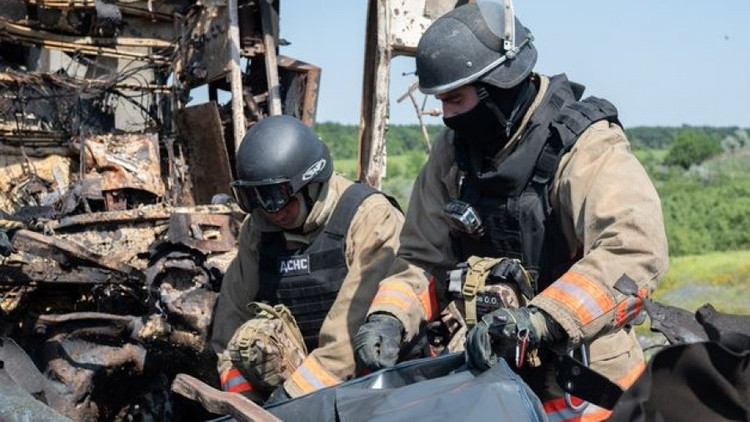
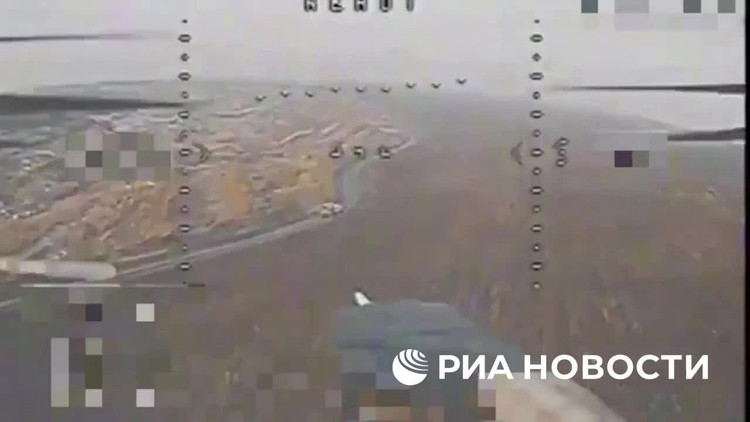
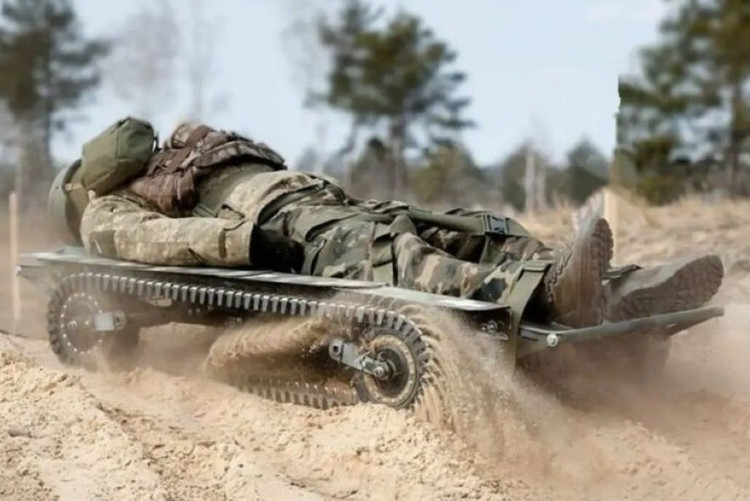
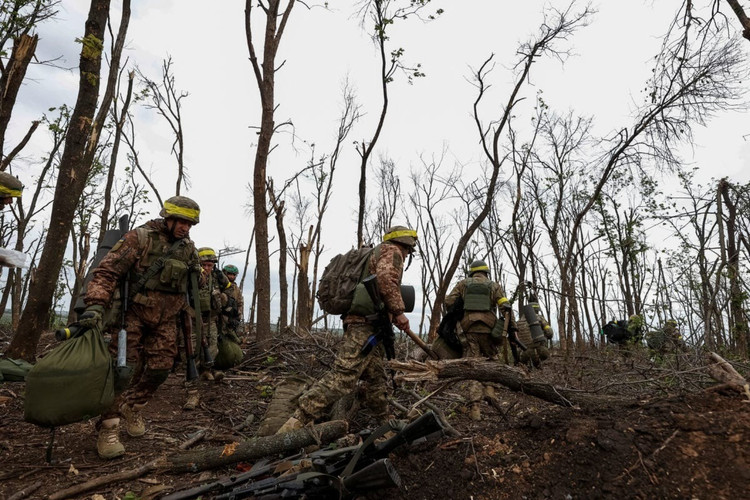
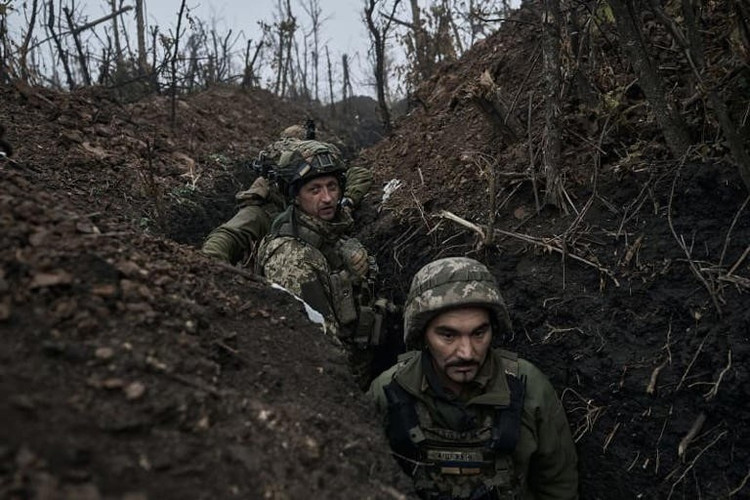
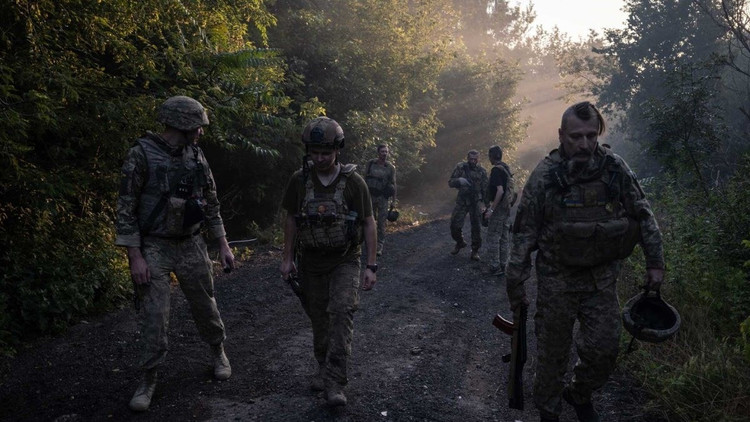
Since then, AFU UAV control teams have been forced to operate in underground bunkers and constantly change positions; Rubicon also hunts AFU electronic warfare and communication systems in the frontline area. It was recently reported that since the beginning of 2025, Rubicon has attacked about 11,000 combat targets, of which up to 40% were heavy multi-axis UAVs, FPV UAVs and AFU ground unmanned vehicles. As mentioned above, Rubicon Brigade units are also tasked with destroying unmanned ground vehicles (UGVs), which the AFU uses as a temporary alternative to armored vehicles, to evacuate wounded and supplies to dangerous areas. The RFAF's complete control of the firepower of airborne vehicles forced the AFU to maneuver on foot for 10-15 km to occupy defensive positions or attack launch lines. This was an opportunity for the RFAF to effectively attack and destroy Ukrainian troops outside fortifications. Due to the threat from Russian UAVs, the AFU was forced to disperse their positions 20 km from the front line. This dispersion severely affected the AFU's ability to maneuver quickly, creating gaps in the defense or counterattack system.
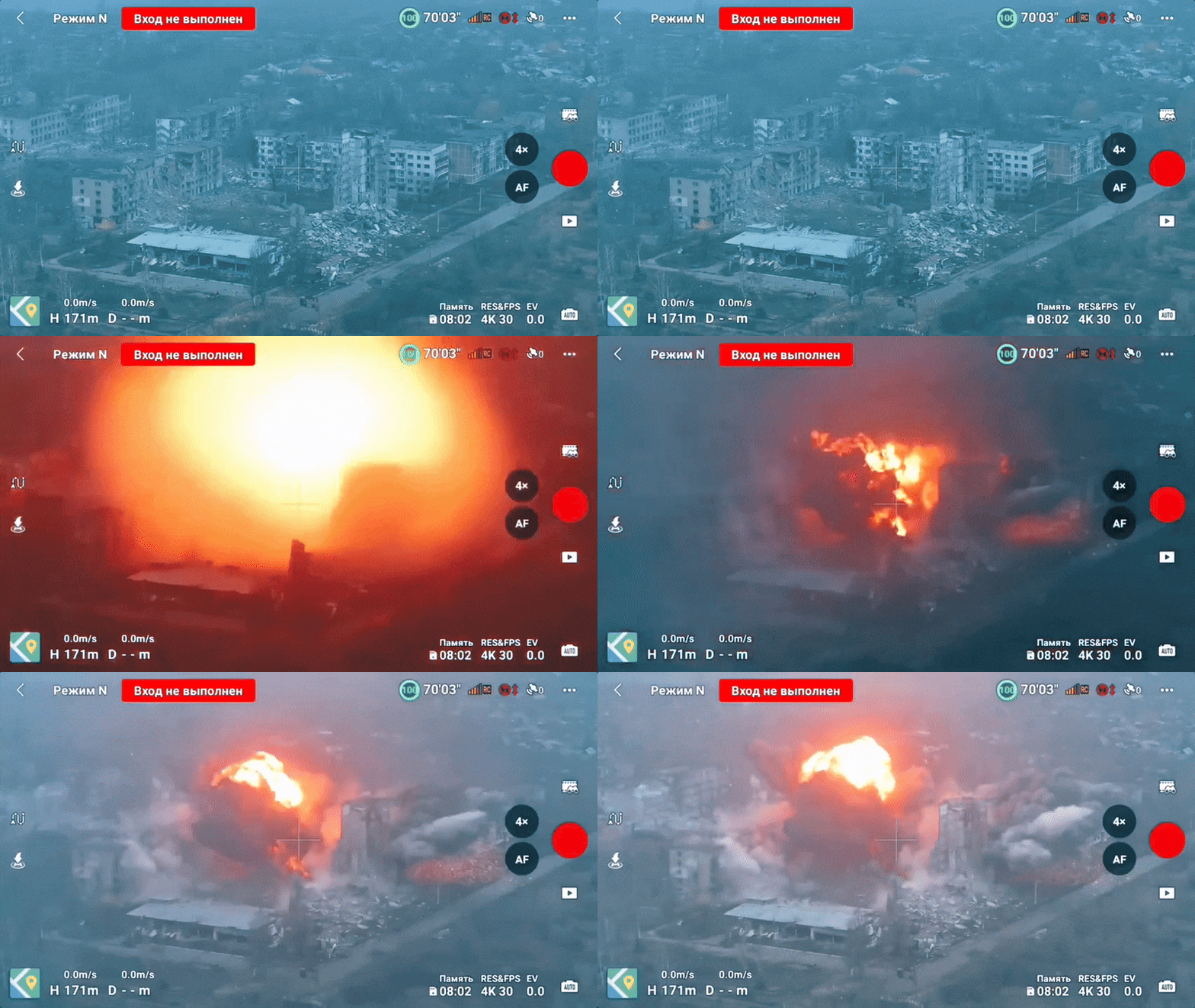
Frontline AFU unit commanders said that the Russian FPV UAV attacks forced them to disperse their forces, apply new camouflage techniques and constantly move weapons and troops; thereby creating opportunities for the Russians to take advantage of gaps to conduct breakthroughs. Not everyone knows this, but in mid-July, FAB UMPK airstrikes, combined with FPV UAV strikes, targeted an AFU logistics center located northwest of Pokrovsk at the intersection of the T01514 and T1515 highways, in order to facilitate the successful infiltration of Russian troops into the Dobropillya area. The reconnaissance UAVs of the Rubicon Brigade then monitored and adjusted the destruction of the area in real time. Without this reconnaissance, the breakthrough to the “Dobropillya salient” would not have been possible.
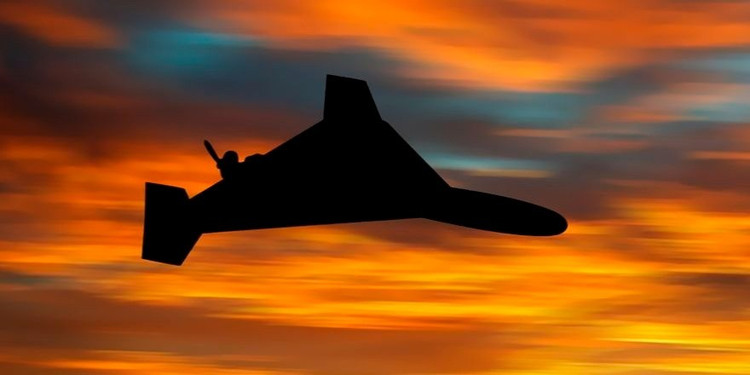
Thus, the introduction of optical fiber-guided tactical UAVs, along with the subsequent expansion of their operational range, enabled the RFAF to conduct sustained attacks on AFU defenses and near rear areas. Second, Russian forces were able to disrupt the logistics and hinder the movement of the AFU with a cheap strike weapon, such as the Geran UAV with a warhead of up to hundreds of kilograms, destroying larger and more expensive AFU targets, thereby breaking the link with the AFU rear line. (photo source RT, Lenta.ru, Ukrinform). https://topcor.ru/66066-kak-geran-i-optovolokno-perelomili-situaciju-na-fronte.html




 Báo Khoa học và Đời sống•06/12/2025













































































Comment (0)