


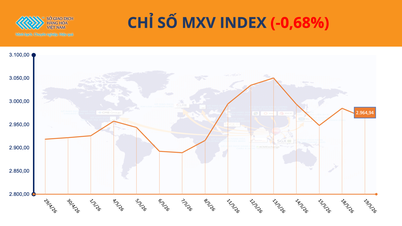
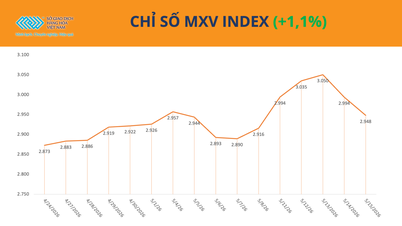
This development caused significant volatility in the energy sector with each news update, while many industrial raw materials, especially cocoa, surged considerably amid concerns about supply shortages. At the close of trading, buying pressure prevailed across the board, pushing the MXV-Index up nearly 1% to 2,957 points, reflecting the positive yet cautious sentiment of investors.
Oil prices surged as tensions in the Middle East escalated.
According to the Vietnam Commodity Exchange (MXV), the energy market continues to experience significant volatility as conflicts in the Persian Gulf region show signs of escalating again.
On May 4th, both the US and Iran simultaneously recorded new military moves related to control of the Strait of Hormuz, shaking the already fragile ceasefire agreement. Reports from various international sources indicated a continued increase in the risk of energy supply disruptions, leading to cautious market sentiment.
Earlier in the session, oil prices were under downward pressure after US President Donald Trump announced support for neutral ships transiting the Strait of Hormuz. However, actual tracking data from shipping companies showed that shipping traffic had not yet shown any significant improvement.
The escalating tensions in the remainder of the session quickly reversed the market, as investors worried that the prospects for negotiations between the two sides would continue to be delayed, prolonging the supply disruption.
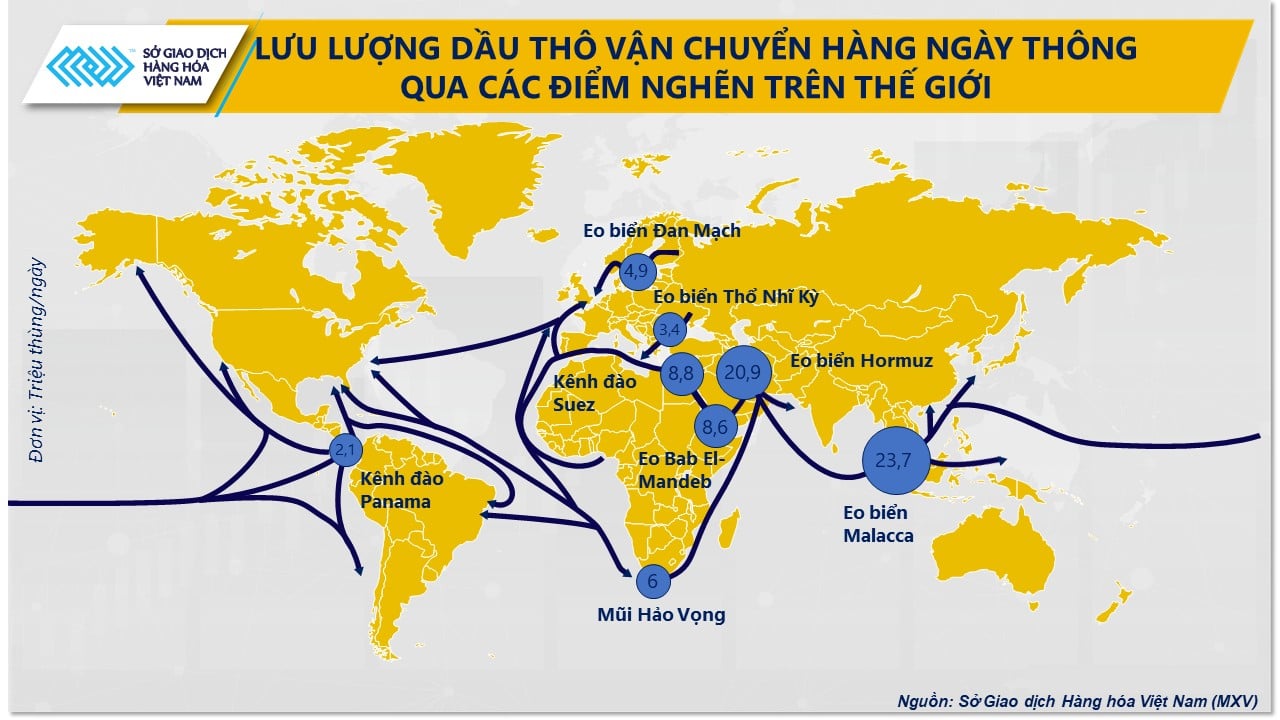
At the close of trading, Brent crude oil prices surged nearly 5.8%, surpassing $114.4 per barrel, while WTI crude oil also rose by approximately 4.4%, exceeding $106.4 per barrel.
In response to significant fluctuations in the international market, domestic regulatory authorities have taken steps to ensure supply stability.
At the government meeting on May 4th, Minister of Industry and Trade Le Manh Hung affirmed that the domestic supply of gasoline, diesel, and electricity remains secure, with no disruptions or shortages expected.
According to assessments, the national petroleum reserve capacity has improved significantly, while domestic refineries have maintained stable operations at high capacity, helping Vietnam weather the period of strong fluctuations in the global energy market in the second quarter.
Cocoa prices surged for the fifth consecutive session due to supply risks.
In addition, MXV believes that the cocoa market continues to be the focus of the industrial raw materials group, recording its fifth consecutive day of gains, supported by both supply and demand factors and geopolitical influences.
The continued blockade of the Strait of Hormuz is creating ripple effects on global supply chains, particularly energy and logistics costs. For key cocoa-producing countries in West Africa such as Ivory Coast and Ghana, sharply rising input costs, especially fertilizers and transportation, have increased pressure on production.

In this context, farmers are forced to reduce their cultivated area or raise prices to maintain profitability, thereby increasing the risk of supply shortages in the next crop year.
Weather conditions continue to exacerbate the situation. In Ivory Coast, the world's largest cocoa producer, production for the 2025-2026 season is projected to fall to around 1.65 million tons, 10.8% lower than the previous season due to widespread drought. In Ghana, the production outlook is also bleak, with drought covering about two-thirds of the area, threatening a significant drop in output.
Amid concerns about supply, July cocoa futures prices rose nearly 8% in the session, bringing the total gain over the last five sessions to 17.8%, currently trading around $3,883 per ton.
Source: https://baotintuc.vn/thi-truong-tien-te/luc-mua-ap-dao-mxvindex-bat-tang-len-2957-diem-20260505105847062.htm






































































































Comment (0)