

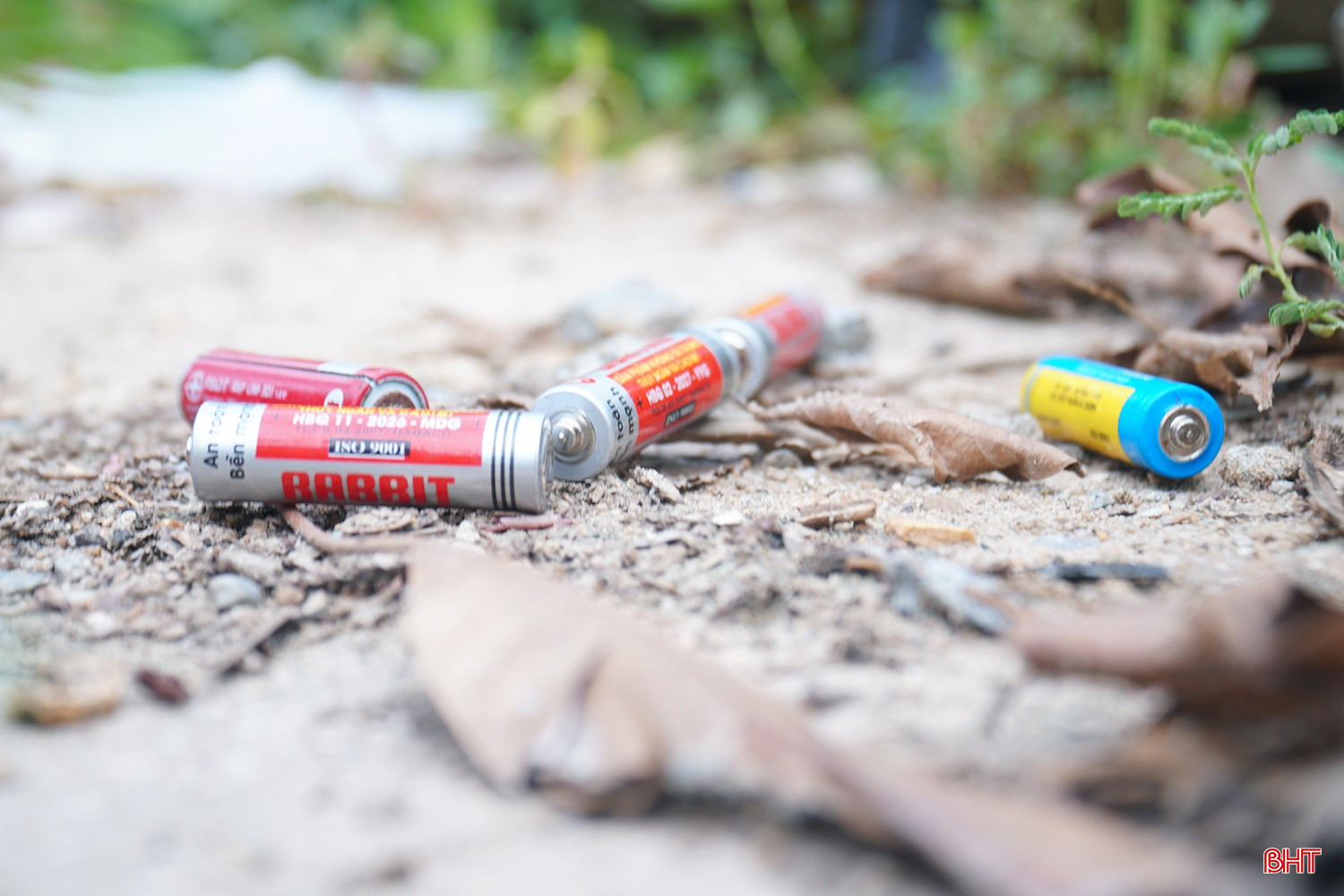
The widespread use of electronic devices and vehicles that utilize batteries is leading to an ever-increasing amount of discarded batteries. From remote controls and children's toys to phone batteries, digital watches, electric bicycles, and electric motorcycles, most products use batteries or accumulators. As product lifespans become shorter, the number of defective batteries also increases.
According to environmental experts, many types of batteries currently contain components such as lead, mercury, cadmium, and lithium. If disposed of improperly, these substances can seep into the soil and water sources, causing long-term impacts on the environment and human health.
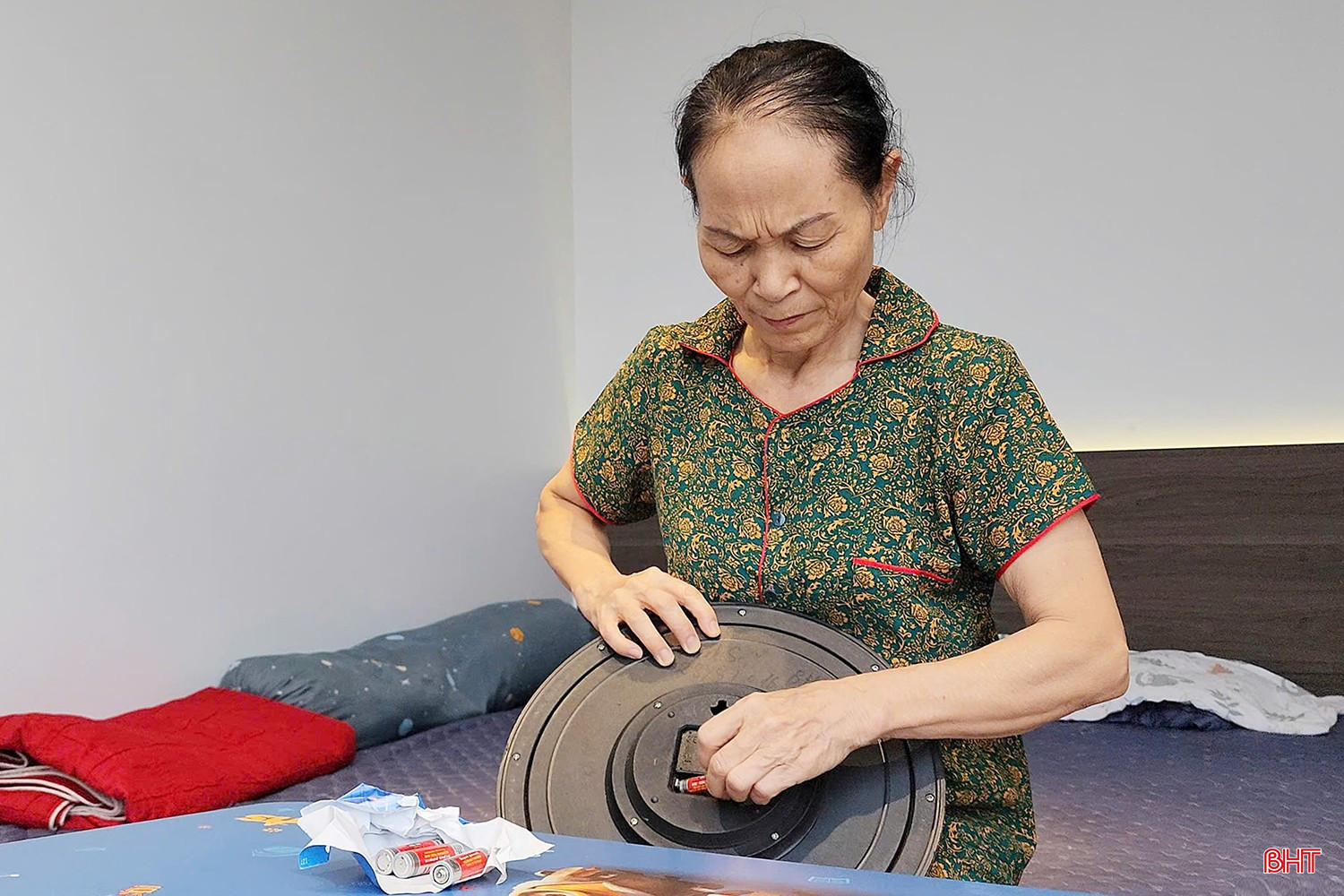
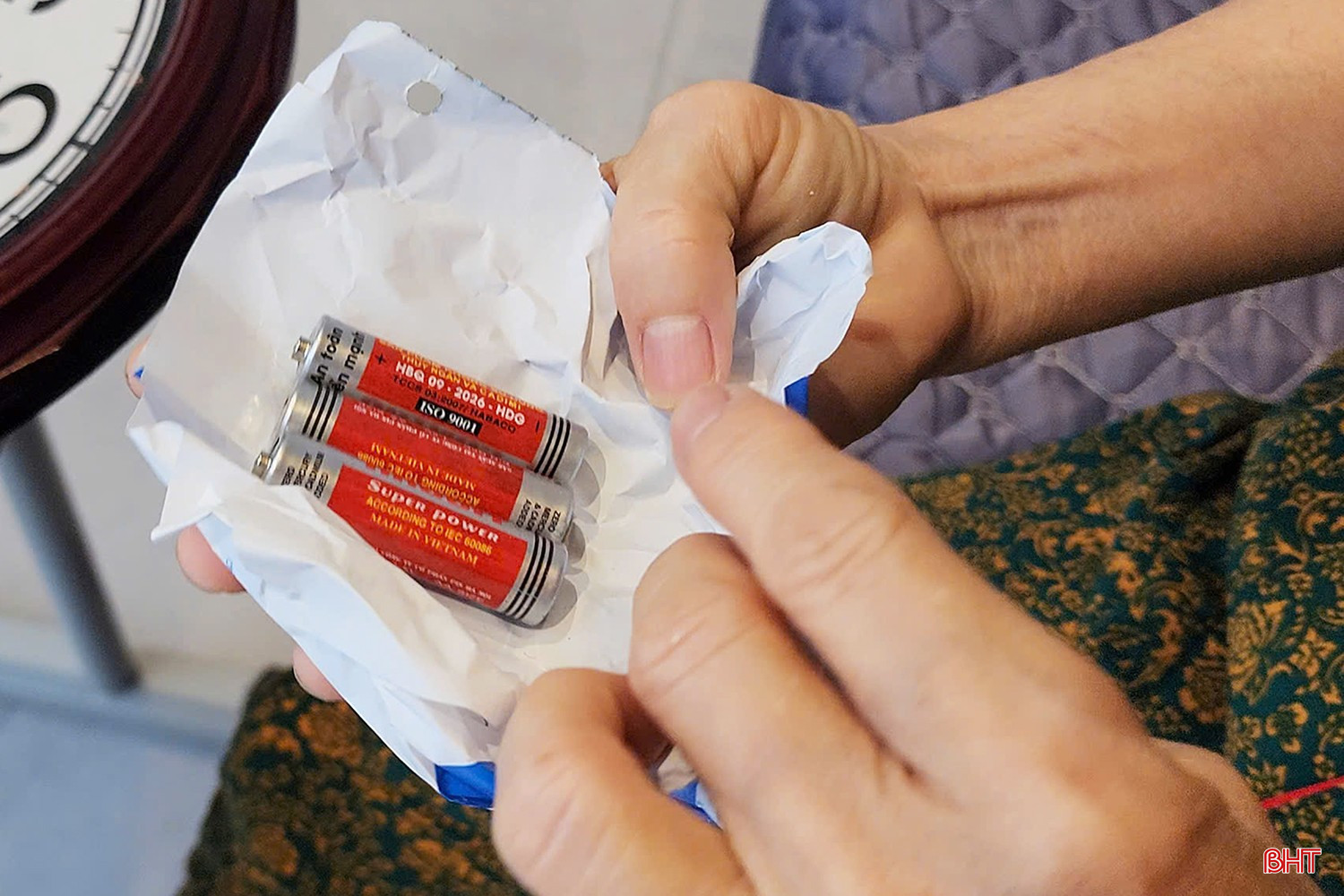
Notably, in many localities, there is still no separate collection process for discarded household batteries. Many families choose to keep them at home, dispose of them with household waste, or sell them to scrap dealers.
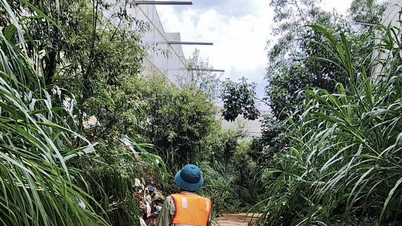
At a household waste collection point in Thanh Sen ward, it's not uncommon to find used batteries mixed in with household waste. Ms. Tran Thi Phuong (from Thanh Sen ward) said: “Knowing that batteries are hazardous waste, my family usually collects them separately instead of throwing them in with household waste. However, keeping them at home for a long time makes me worried because I don't know how to dispose of them. Many people around here end up throwing batteries into the environment along with household waste.”
In recent times, many localities, organizations, and schools in Ha Tinh province have implemented models for collecting discarded batteries to raise awareness of environmental protection. However, most activities remain largely sporadic, taking place in short-term campaigns, making long-term sustainability difficult. After initial positive responses, many models gradually faded due to a lack of connection with downstream processing.
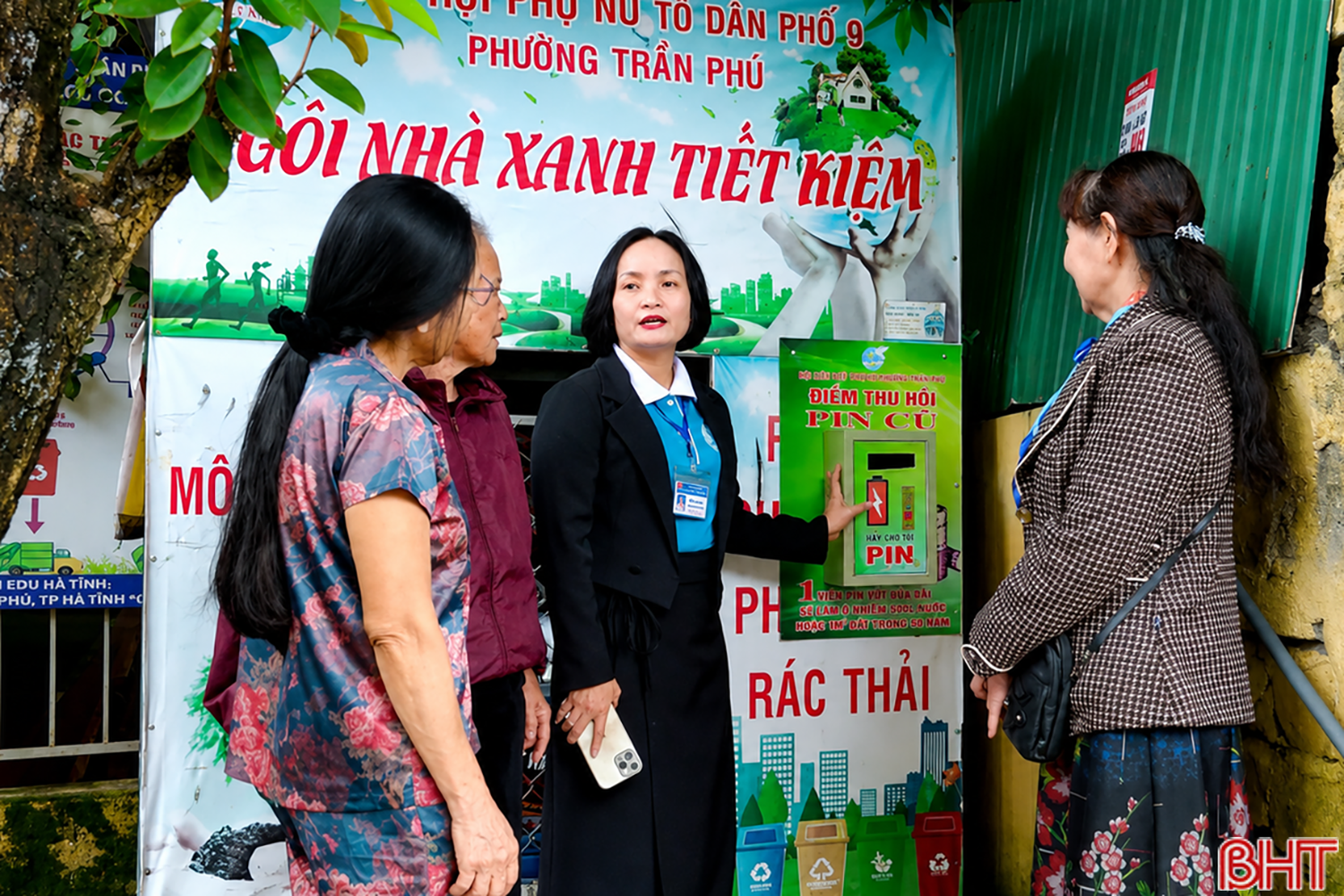
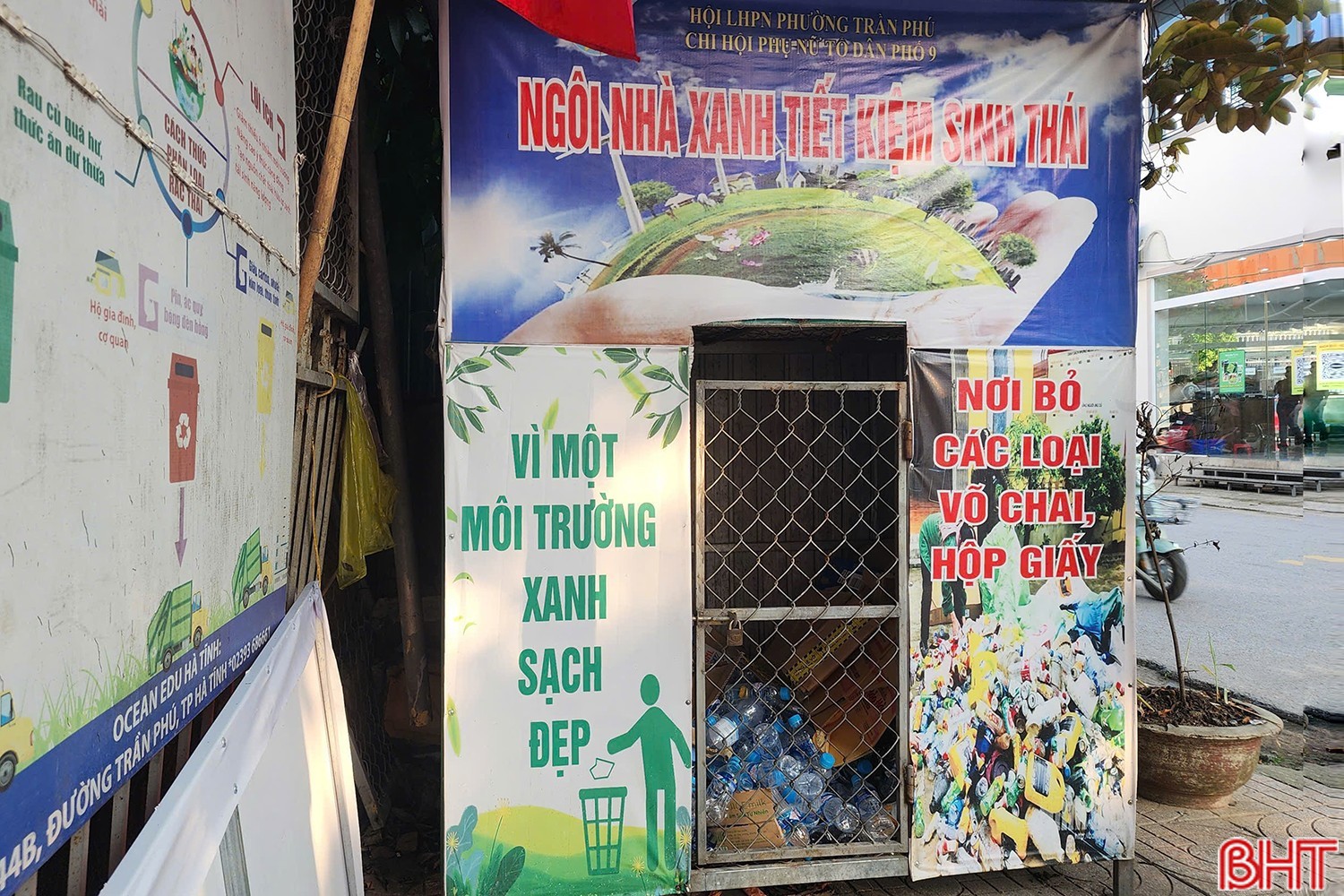
Typically, in October 2023, the Women's Union of Tran Phu Ward, Ha Tinh City (formerly), now Thanh Sen Ward, implemented a model for collecting used batteries in residential areas. Initially, the model received a positive response from residents; many households began to develop the habit of keeping old batteries instead of throwing them in with household waste as before.
However, after a while, battery collection gradually faced difficulties due to a lack of specialized receiving and processing facilities. Collected batteries were mostly stored temporarily, while the transportation and processing of this type of waste required separate procedures for hazardous waste.
In Yen Hoa commune, the local Youth Union is also maintaining the activity of collecting used batteries at some public places and schools in the area. However, the implementation process still faces many difficulties, especially in the storage and processing after collection.
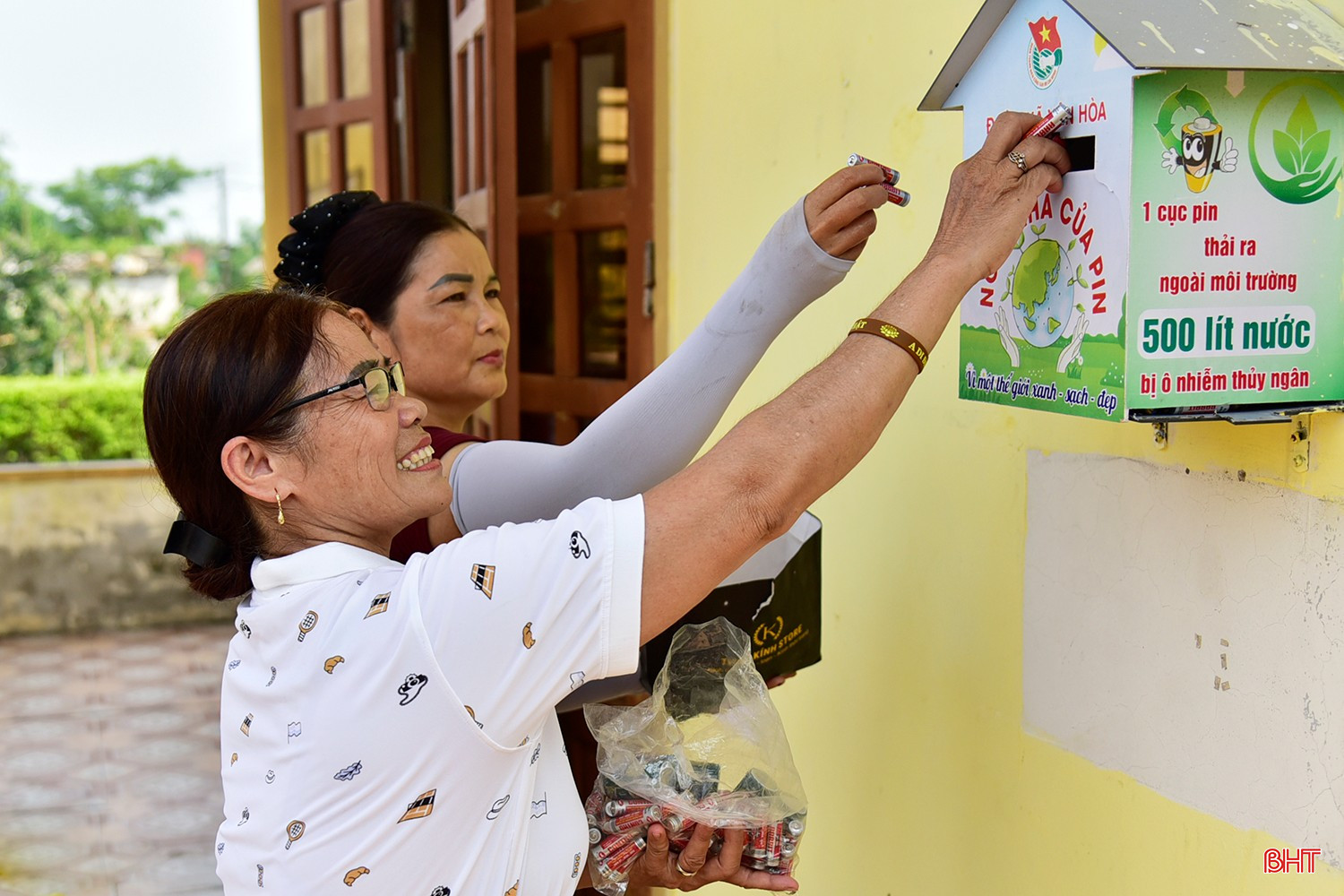
Mr. Pham Viet Tuan, Secretary of the Yen Hoa Commune Youth Union, said: “Because not many people participated, it took quite a long time to collect enough batteries to transfer to the processing unit. Meanwhile, the batteries have to be temporarily stored locally, but there is no suitable storage procedure, so there is a potential risk of environmental impact. In addition, transportation costs are also one of the difficulties for the unit.”
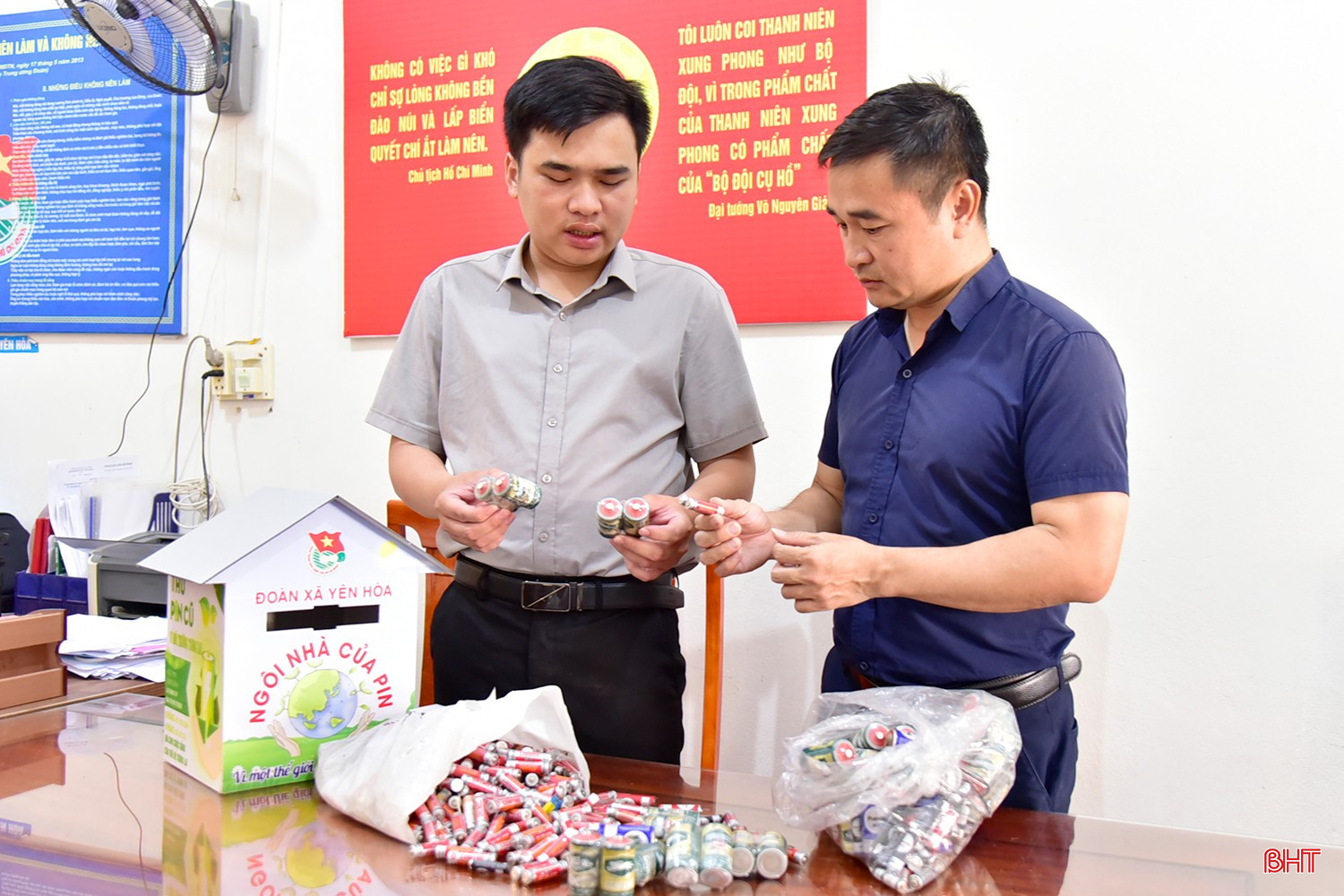
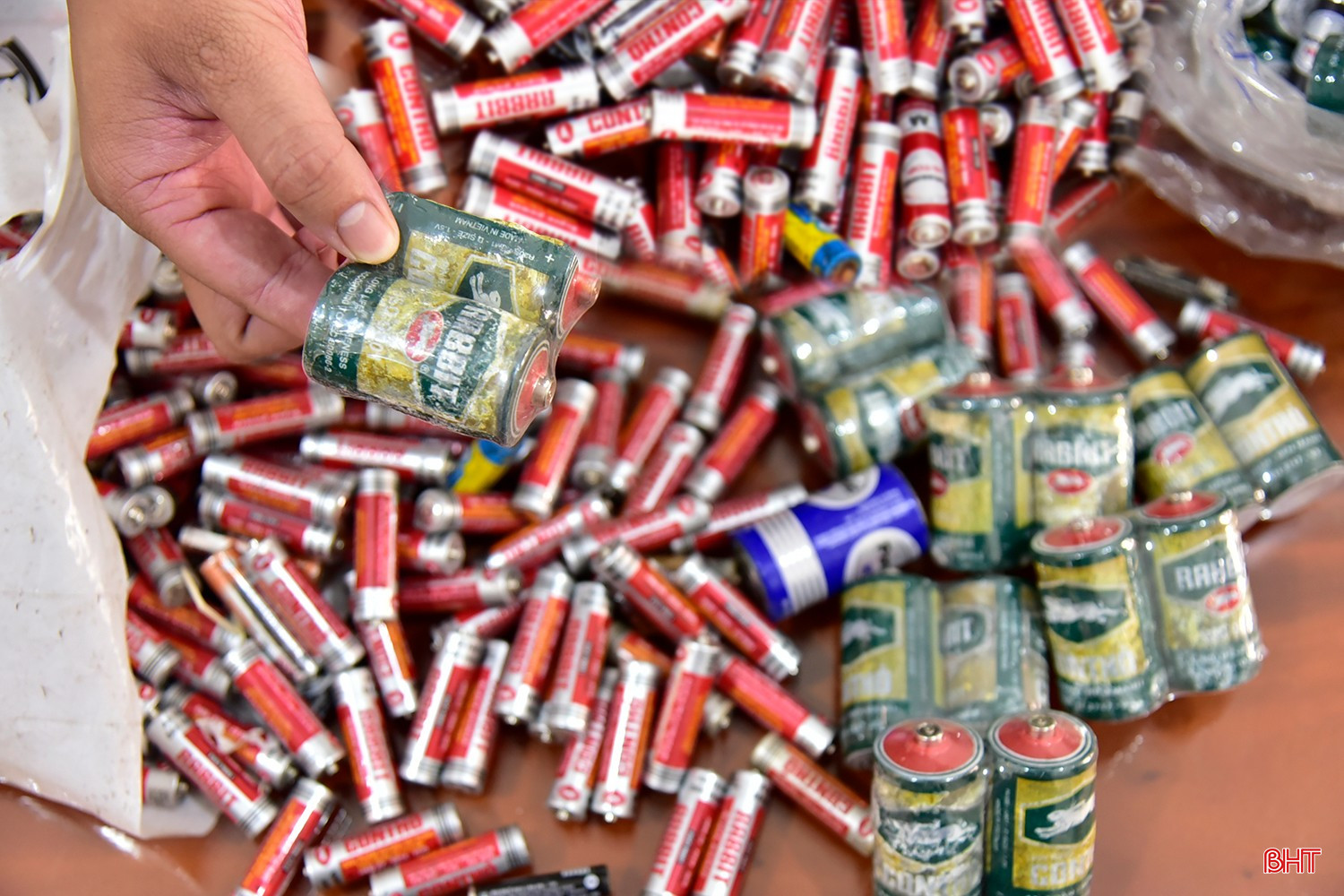
This is not just a problem in Yen Hoa commune; it's a common challenge for many used battery collection models currently operating in the province.
Explaining the difficulties in collecting and processing used batteries, Mr. Nguyen Tien Hung, Deputy Director of the Department of Agriculture and Environment of Ha Tinh province, said: "The amount of discarded batteries generated from daily life is small and scattered, while transportation and processing require separate procedures for hazardous waste. This makes it difficult for many localities and organizations to store, transfer, and maintain long-term collection activities. Therefore, to gradually overcome this situation, Ha Tinh is implementing the Project on Sorting Household Solid Waste at Source for the period 2025 - 2030. In this project, hazardous waste generated from daily life, including used batteries, is identified as one of the waste groups that need to be sorted and collected separately."
Managing and disposing of waste batteries cannot rely solely on one force or a single solution; it requires the collective effort of the entire society, from regulatory agencies and organizations to businesses and every citizen. When responsibility is properly assigned and implemented synchronously at each stage, the difficulties in waste battery disposal can be gradually overcome.
Source: https://baohatinh.vn/lung-tung-trong-thu-gom-xu-ly-pin-thai-post310287.html


















































































Comment (0)