

The reason studies show that people aged 50 and over are at higher risk of getting shingles is because their immune system is no longer strong enough to control the latent virus. Especially in groups of people with underlying diseases such as diabetes, cancer, HIV/AIDS or using immunosuppressive drugs, the ability to resist the virus is even worse.
In addition, in the elderly, prolonged psychological stress can weaken the immune system. Stress affects the endocrine system and adrenal glands, causing hormonal imbalance, creating conditions for the Varicella Zoster virus to reactivate. Many shingles patients reported experiencing a period of severe stress before the disease broke out.
Elderly people with rheumatoid arthritis, lupus erythematosus, and organ transplant patients often use long-term immunosuppressants. These drugs make shingles more likely to flare up because the immune system is suppressed.
Lack of sleep, poor nutrition, lack of exercise, and living in a polluted environment are also factors that weaken the immune system, increasing the risk of shingles in the elderly.
Herpes zoster in the elderly can easily cause many consequences.
In the elderly, the Varicella-Zoster virus reactivates and attacks the nerves, causing pain and blisters. Accordingly, this condition often has more severe and serious manifestations. Symptoms include widespread blisters accompanied by a feeling of pain, prolonged itching, even causing insomnia, hindering daily activities, causing serious physical weakness.
The body's ability to heal itself is no longer there, leading to the virus penetrating deep into the body, affecting the nerves and other organs in the body such as pneumonia, loss of vision, eye damage, etc.
Common complications after shingles cause pain, difficulty in moving and daily activities and last for many years.
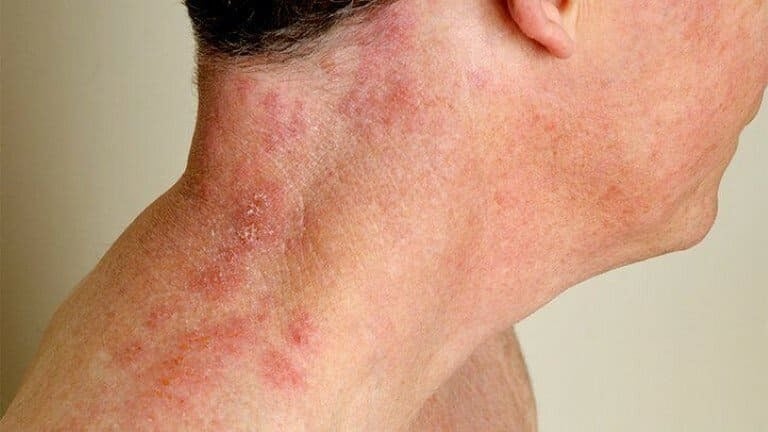
In the elderly, the Varicella-Zoster virus reactivates and attacks the nerves, causing burning pain and blisters.
The elderly body has many serious underlying diseases that reduce the ability to interact with drugs and treatment techniques, so the treatment process is longer and more complicated.
Although shingles is not a direct threat to life, it poses many dangerous risks in the elderly.
Specifically, the following complications will directly affect the health, psychology and quality of life of the patient:
- Postherpetic neuralgia causes burning, electric-shock-like pain that lasts for months.
- Secondary skin infections.
- Causes conjunctivitis, increased eye pressure and even vision loss if you have shingles.
- Causes muscle weakness, even temporary paralysis in the affected skin area.
How to care for the elderly with shingles
In addition to taking medication as prescribed by your doctor, patients should pay attention to the following:
How to care
Proper wound care helps limit infection and promote healing:
- Gently clean the shingles affected skin areas with a soft cloth, saline solution and disinfect with red alcohol.
- Cover and protect skin to keep it dry and limit moisture.
- Avoid scratching or applying pressure to infected skin areas.
- Do not apply any product without consulting your doctor.
- Do not squeeze blisters as this can cause the pus to spread to other areas of the skin and make the condition worse.
- Cool the infected skin area with a cold towel to help relieve itching and reduce inflammation.
Nutritional regimen
A nutritious diet helps strengthen the body's natural immunity and supports skin to recover quickly:
- Drink enough 2 liters of water every day to help keep skin moist and smooth, avoiding itching and peeling.
- Increase intake of foods containing vitamin B12, C, and minerals to improve the body's immunity and support recovery from damage, including green vegetables, citrus fruits, dried nuts, and salmon.
- Load up on protein and omega 3 to maintain resistance and prevent widespread inflammation found in chia seeds, fish oil, chicken, eggs, etc.
- Limit foods that are greasy, spicy, or contain a lot of sugar or milk, which can make dermatitis worse.
Lifestyle and exercise
Practice regular living habits and exercise properly to keep your body healthy and better able to fight viruses:
- Get plenty of rest and avoid overwork to allow your body to recover.
- Reduce stress and anxiety with relaxation exercises and activities at home.
- Increase gentle exercise to improve blood circulation and resistance.
- Do not bathe in hot water for too long as it will irritate the skin.
- Closely monitor any unusual skin symptoms and notify your doctor promptly for treatment.
Prevention of shingles in the elderly
For older people, when the immune system weakens, shingles are more likely to recur. People need to take the following measures:
- Shingles vaccine is recommended by doctors for people 50 years of age and older.
- Maintain a nutritious, balanced diet.
- Get enough sleep, avoid staying up late for long periods of time which can cause immune system decline.
- Exercise regularly with gentle exercises such as yoga and tai chi.
- Limit anxiety and prolonged stress and increase relaxing activities such as listening to the radio, socializing...
- Regular health monitoring and check-ups to ensure early detection of any disease.
- Take medication exactly as prescribed by your doctor.
- Regular check-ups for timely treatment.
- Limit contact with people at risk of disease or who have had chickenpox.
- Do not share personal items such as towels, clothes, etc.
Source: https://suckhoedoisong.vn/ly-do-nguoi-lon-tuoi-de-mac-benh-zona-than-kinh-169251204182256805.htm


![[Photo] Urgently help people soon have a place to live and stabilize their lives](/_next/image?url=https%3A%2F%2Fvphoto.vietnam.vn%2Fthumb%2F1200x675%2Fvietnam%2Fresource%2FIMAGE%2F2025%2F12%2F09%2F1765248230297_c-jpg.webp&w=3840&q=75)






















































































Comment (0)