

Despite all the upheavals and changes, life is still new each day, like the canopy of leaves that sprouts new green shoots every day.
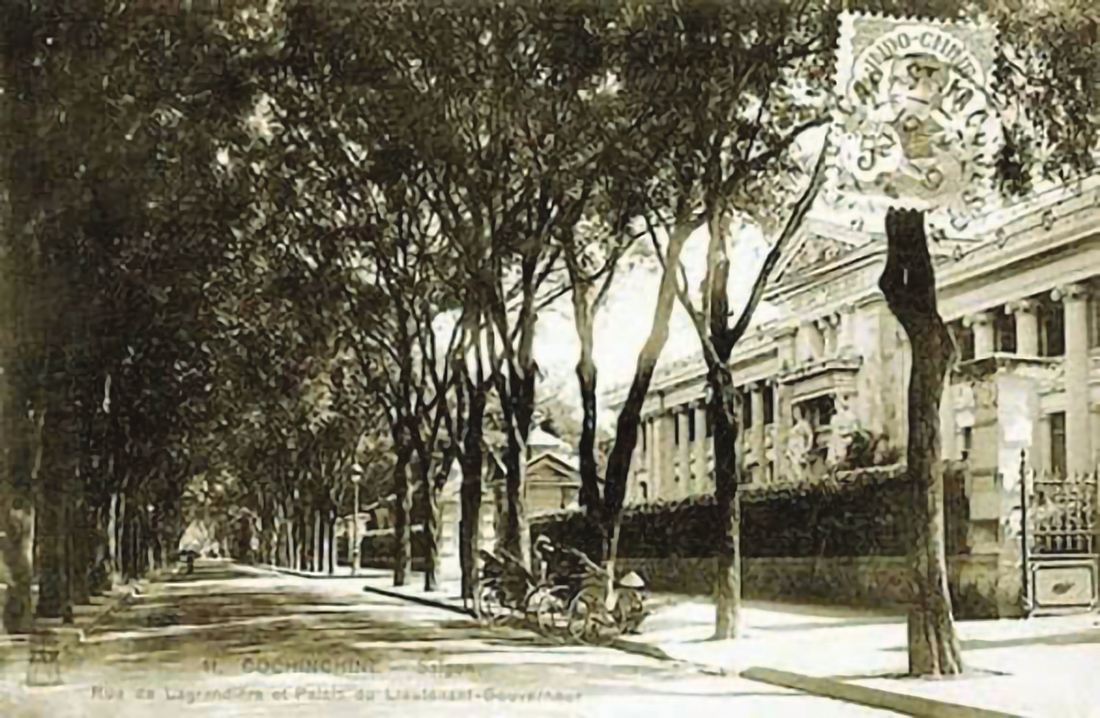
De La Grandière Street in the early 20th century as seen through postcards.
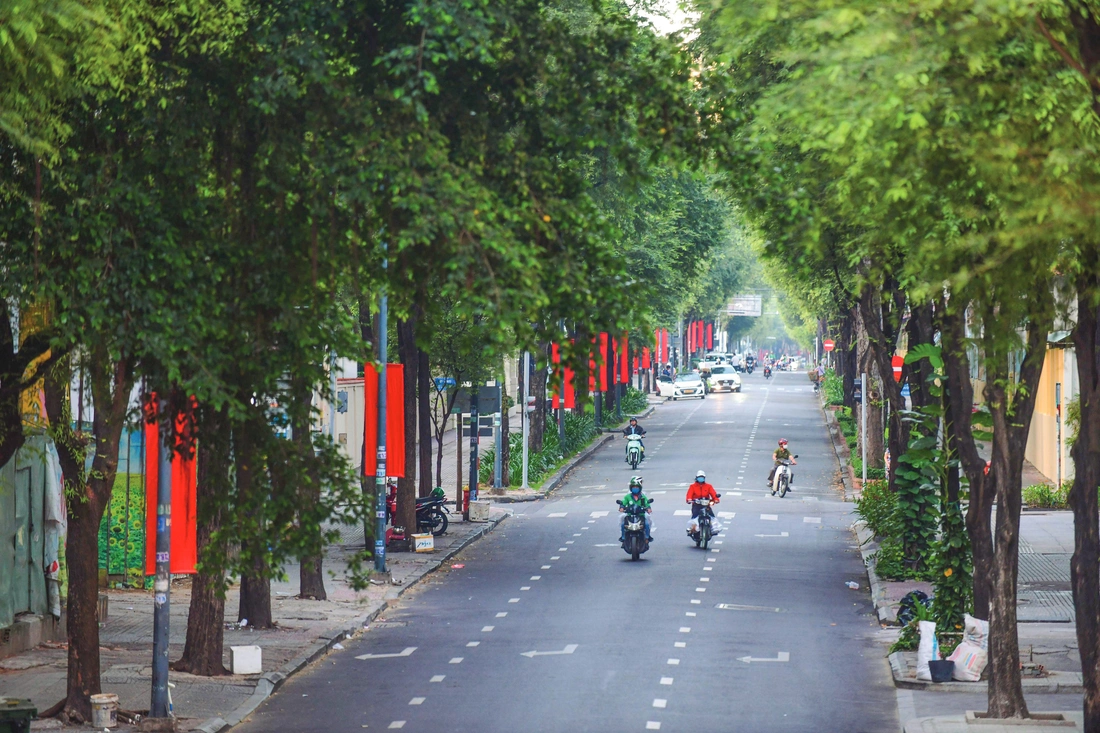
Ly Tu Trong Street today
Ly Tu Trong Street
- 1.8 km long
- It was formed from two sections of the main road connecting the gates of Quy Citadel (Bagua Citadel).
- During the French colonial period: the Gia Dinh citadel was destroyed, and in 1863 the road was opened and named Gouvemeur. From 1870, it was renamed De La Grandière Street. From April 30, 1950, the Saigon government renamed it Gia Long Street. After April 30, 1975, the road was renamed Ly Tu Trong Street.
- The one-way street from Phu Dong intersection to Ton Duc Thang is a bustling area with many offices, mansions, and schools.

Old Ho Chi Minh City Museum
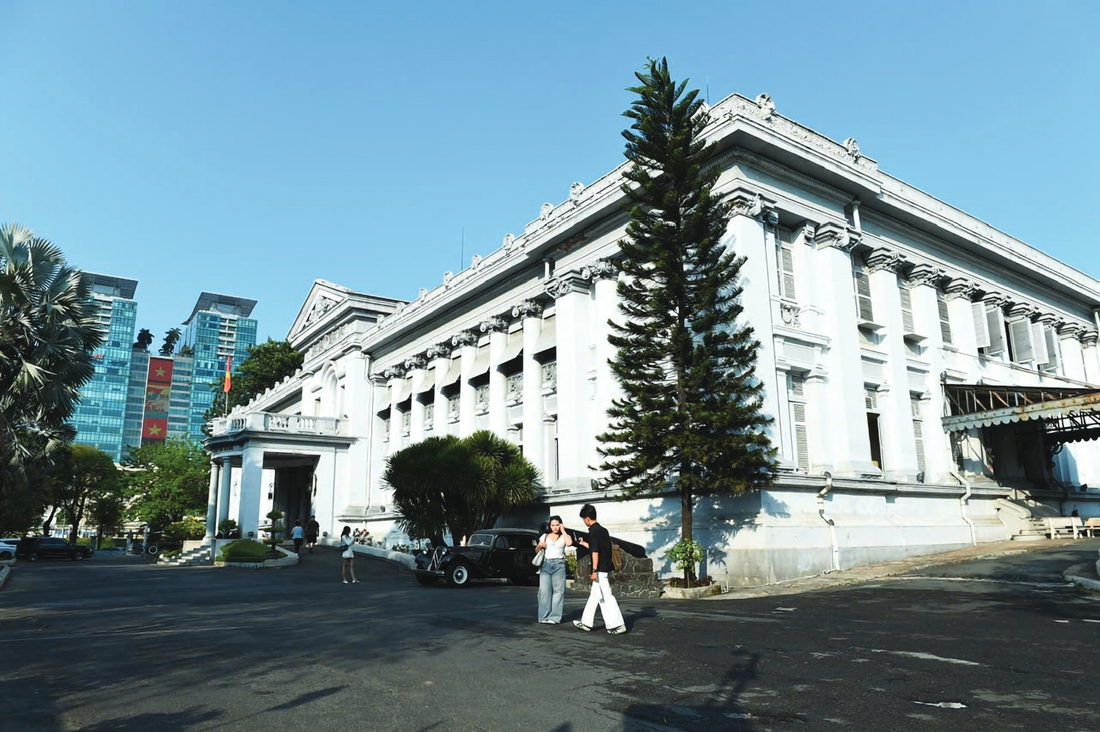
Ho Chi Minh City Museum
Ho Chi Minh City Museum
- Designed by French architect Alfred Foulhoux, construction began in 1885 and was completed in 1890. It served as the residence of the Deputy Governors-General of Indochina and later the Governor of Cochinchina.
- In 1954, it was renamed Gia Long Palace. President Ngo Dinh Diem lived and worked there during the repair of the Independence Palace, which had been bombed in 1962, until the coup d'état on November 2, 1963.
- From 1964: Supreme Court of the Republic of Vietnam
- Since 1975: Ho Chi Minh City Museum of the Revolution
- Since 1999: Ho Chi Minh City Museum

The former Ho Chi Minh City General Science Library
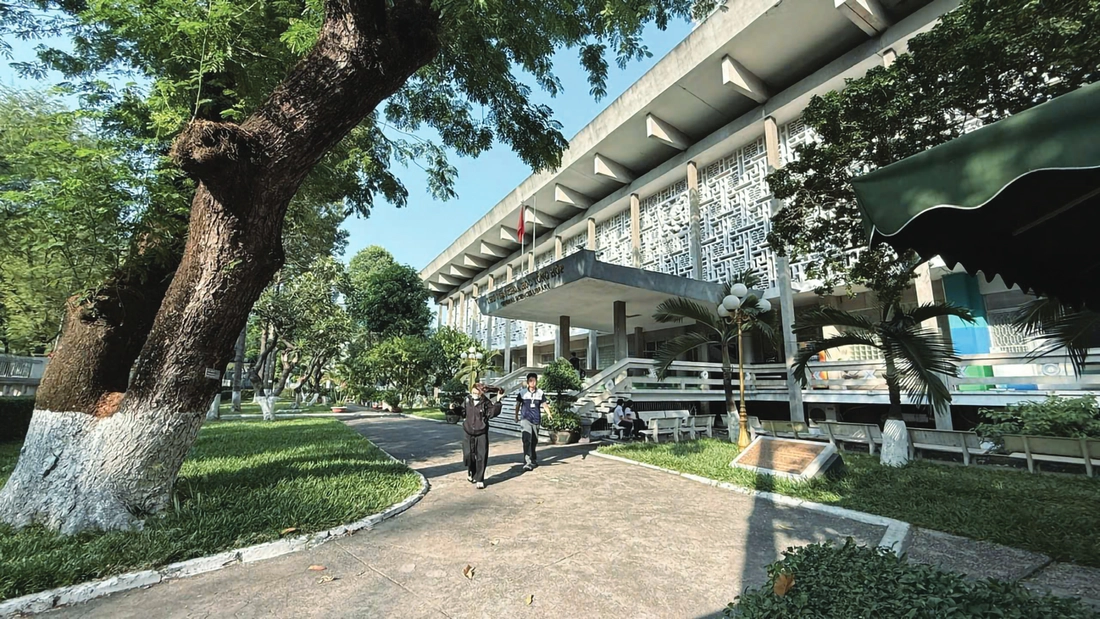
Ho Chi Minh City General Science Library
Ho Chi Minh City General Science Library
- 1886 - 1953: Saigon Central Prison
- 1971: Construction of the National Library based on the design of architects Bui Quang Hanh and Nguyen Huu Thien.
- September 1975: Ho Chi Minh City General Science Library

Grall (Don Dat) Military Hospital in the early 20th century
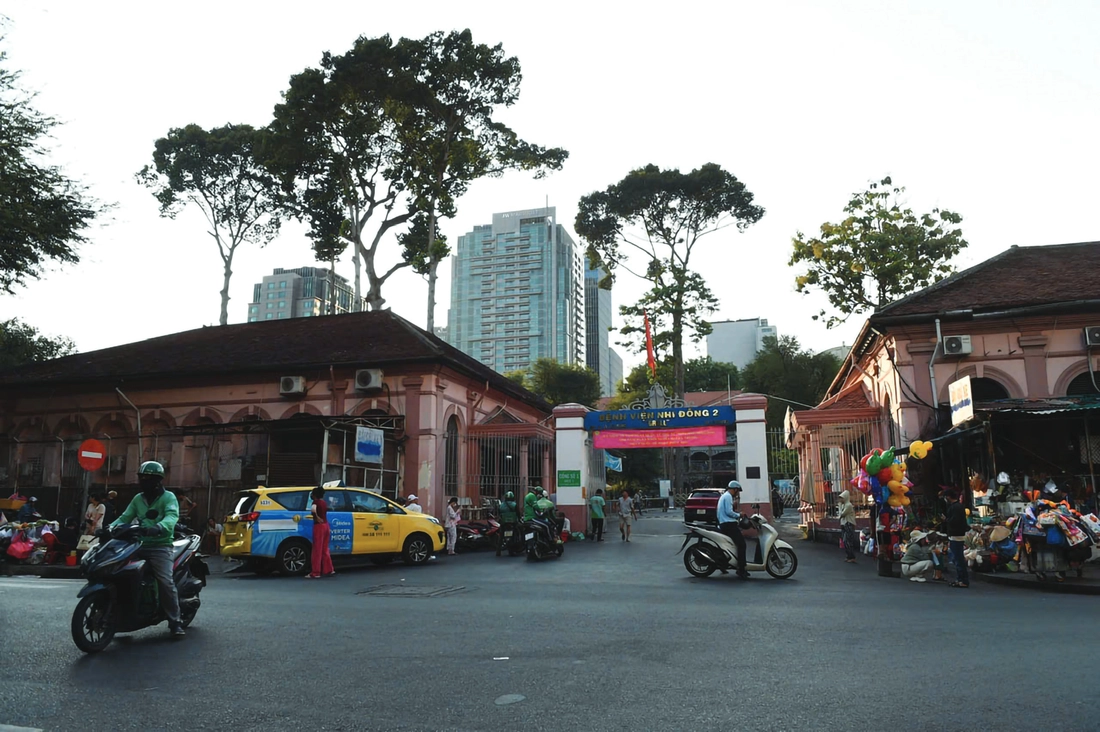
Children's Hospital 2
Children's Hospital 2
- 1870: Grall Hospital (Fort of Land)
- June 1978: Children's Hospital 2

A helicopter evacuates people from the rooftop of 22 Gia Long Street on the afternoon of April 29, 1975. This photograph is considered a symbol of the collapse of the Republic of Vietnam government. - Photo: Hubert Van Es

The building at 22 Ly Tu Trong Street today
Apartment complex at 22-24-26 Ly Tu Trong
- Before 1975: Apartment building for employees of the United States Agency for International Development (USAID).
- After 1975: Southern Basic Chemicals Company and civilian apartment buildings.
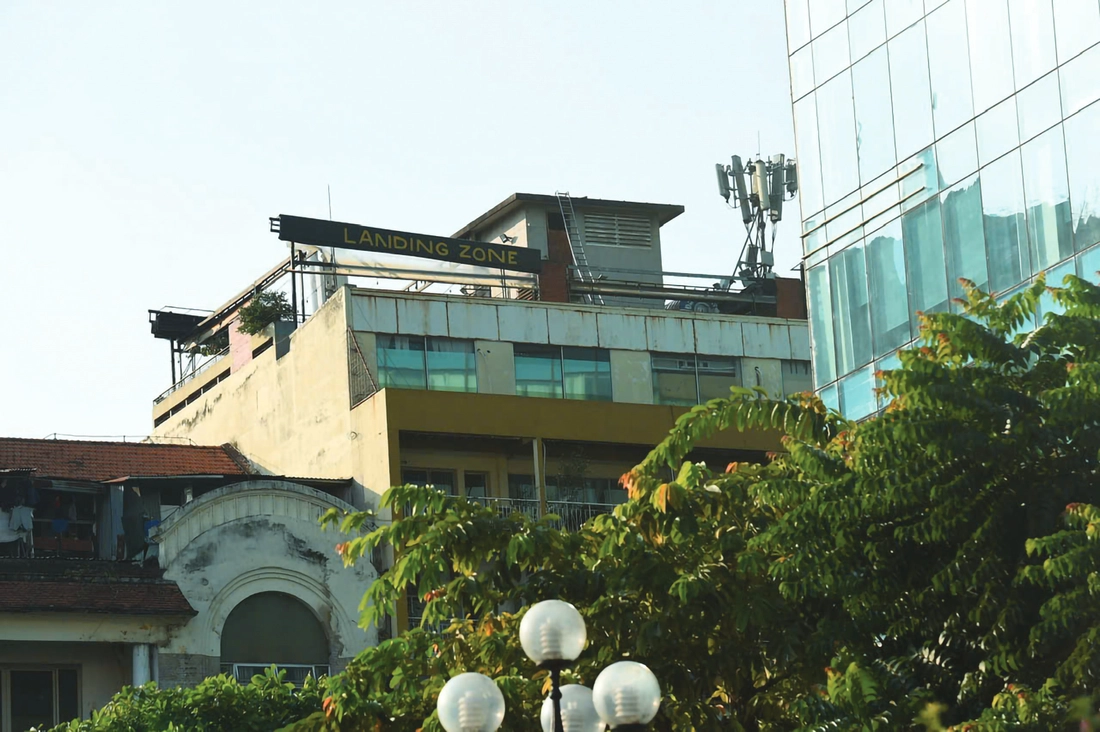
The roof of the elevator where helicopters landed to evacuate people on April 29, 1975, remains intact and can be seen from the corner of Chi Lang Park.
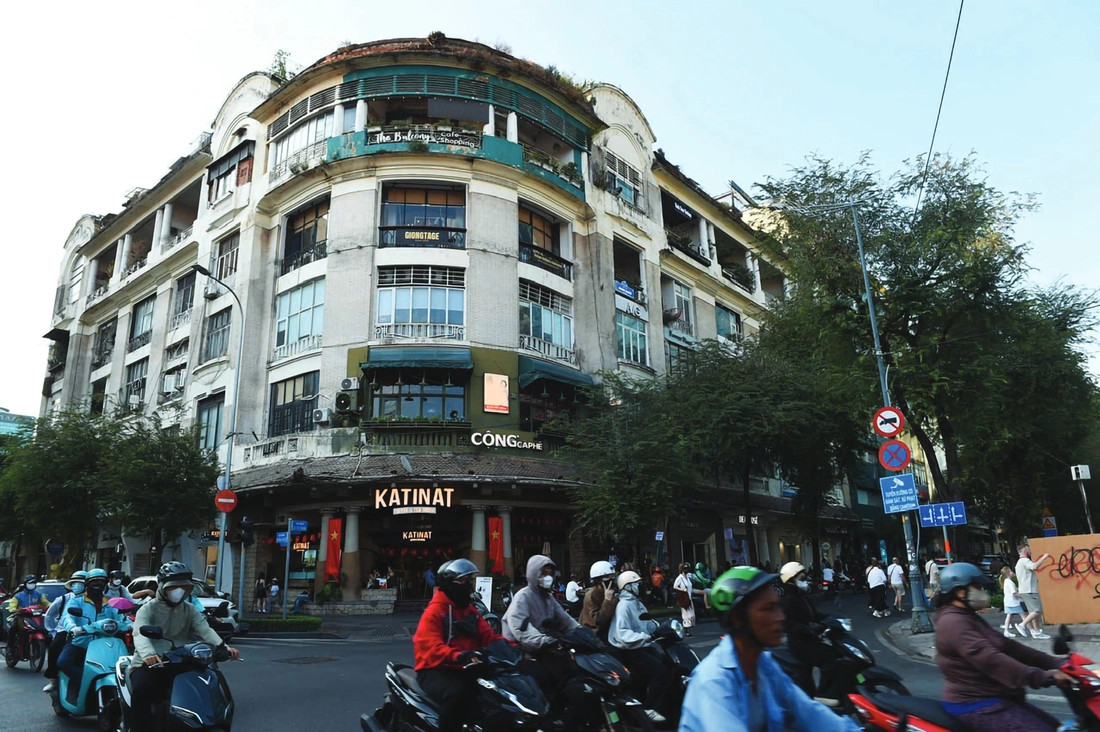
The building at 26 Ly Tu Trong Street, formerly a US housing complex, is now a popular shopping and entertainment area for young people and tourists.
Source: https://tuoitre.vn/ly-tu-trong-con-duong-co-la-me-bay-20260426170923641.htm




























































































Comment (0)