

 |
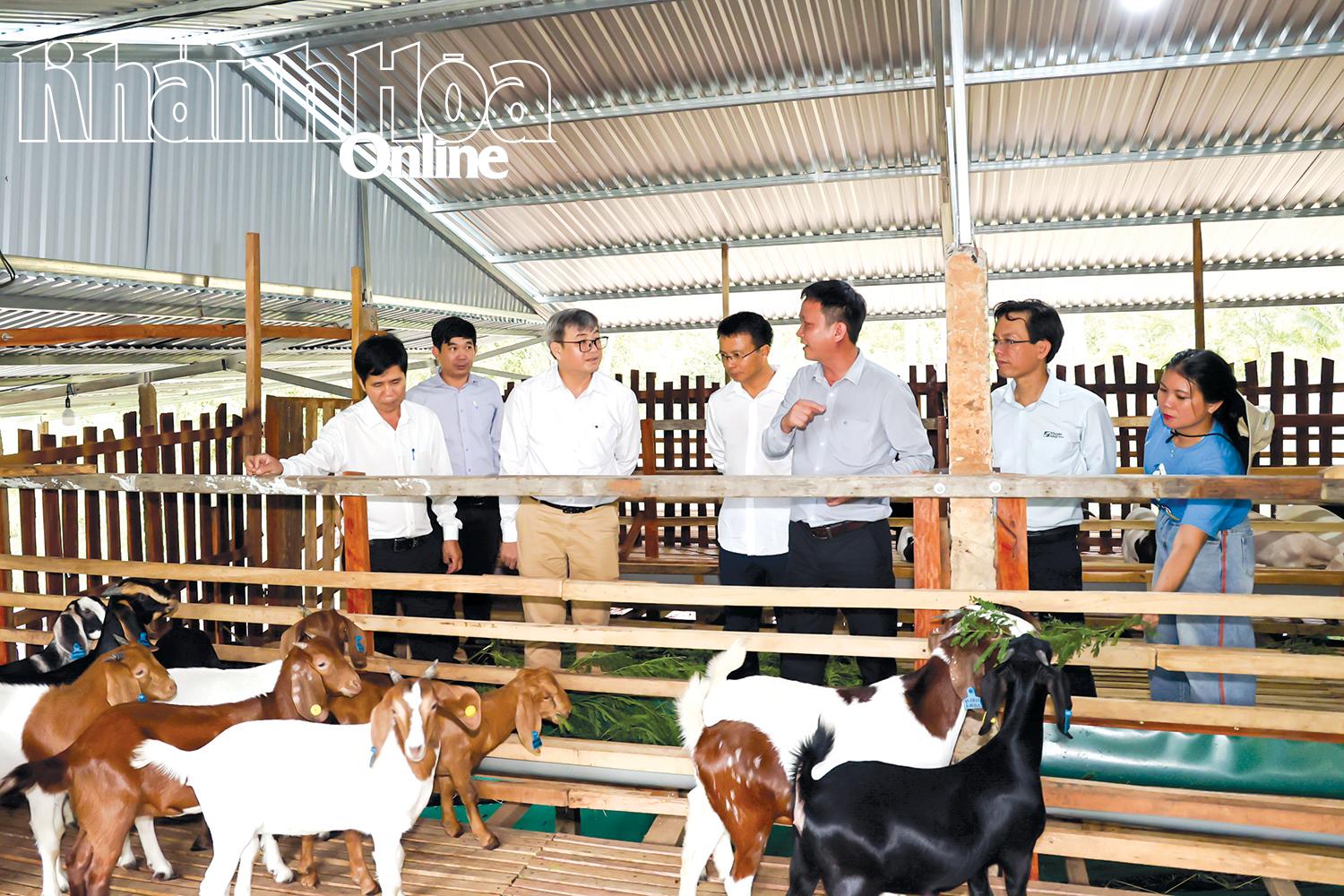
| Leaders of the Department of Agriculture and Environment and the agricultural extension delegation visited the goat farming model associated with eco-tourism in Tay Ninh Hoa commune. |
Farms full of potential
According to the Department of Agriculture and Environment, in Ninh Hoa ward, Khatoco Ostrich - Crocodile Trading Company is raising more than 3,800 ostriches, providing about 200 tons of meat each year. In addition, ostrich skin is crafted into hundreds of wallets, bags, belts, and high-end shoes for domestic consumption and export. Ostrich eggshells are crafted into sophisticated handicrafts; this place is also designed as a miniature eco-tourism site. Visitors can see the process of raising, feeding, riding ostriches, taking photos and visiting the product display area. The combination of production - tourism - fashion has created a unique multi-layered, multi-value economic model.
In some localities, the image of herds of goats and sheep leisurely walking in the sunny and windy steppe has become a highlight attracting tourists who love agricultural tourism experiences. Farmstay models raising goats and sheep are springing up, combined with camping space and rustic cuisine , creating new and attractive tourism products.
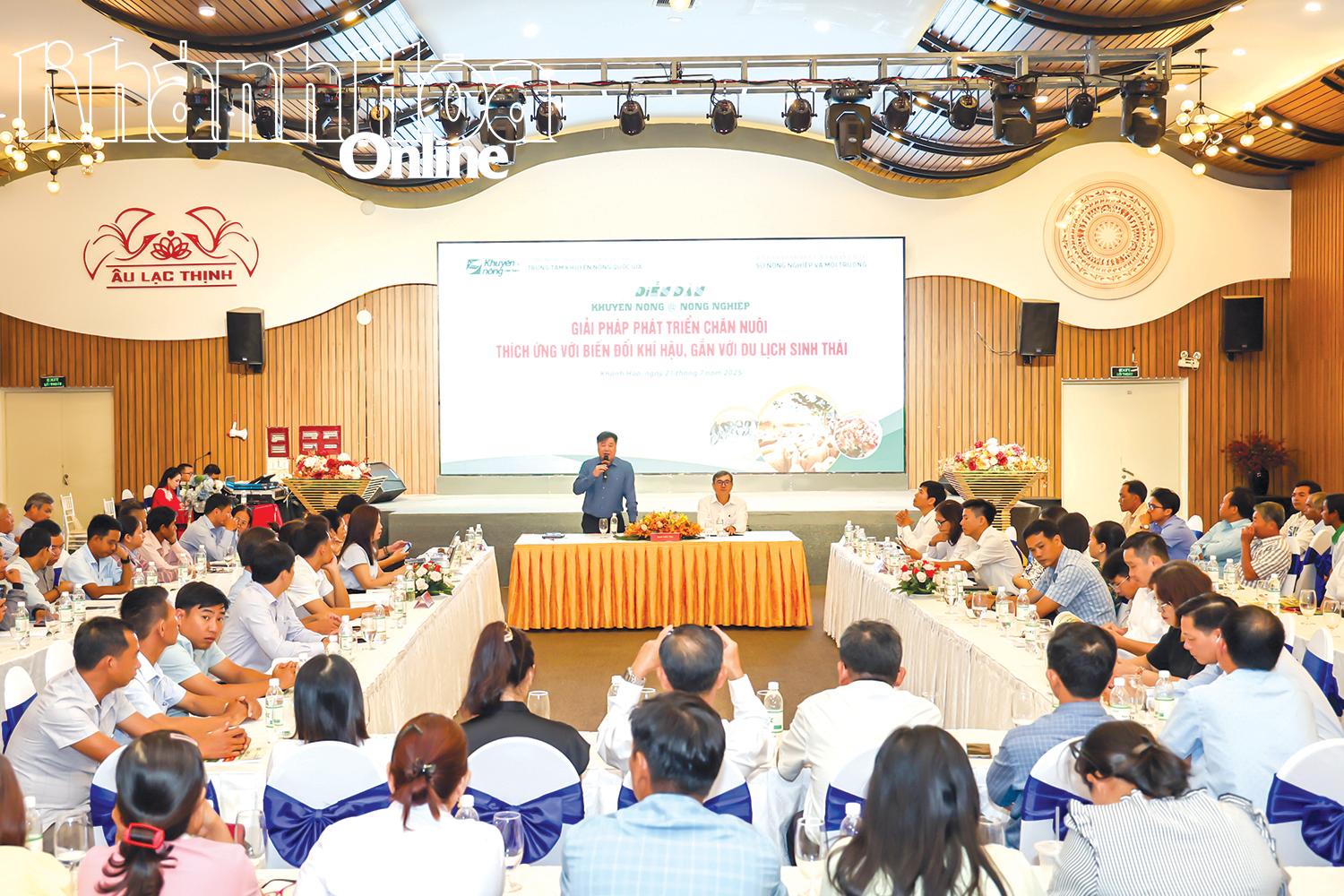 |
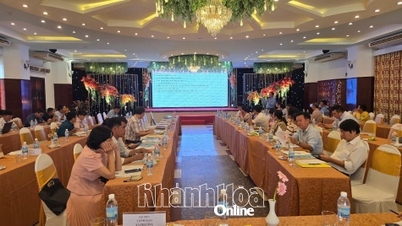
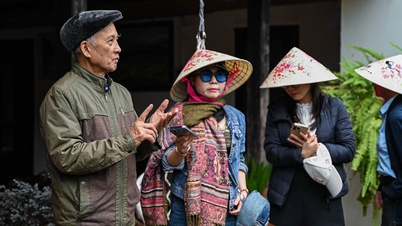
| Khanh Hoa farmers attend the Forum on agriculture combined with tourism. |
Recently, the agricultural sector and farmers have been implementing models of goat and sheep breeding combined with ecotourism. For example, in 2024, the Provincial Agricultural Service Center implemented the model "Raising sheep breeding to adapt to climate change in the South Central Coast". The Center has transferred hundreds of Dorper crossbred sheep and provided care instructions to households. In 2024, the Provincial Agricultural Service Center implemented the demonstration agricultural extension model "Raising goat breeding to create raw material areas associated with ecotourism in Khanh Hoa province". With a scale of 100 female goats and 5 male goats, the model applies technical advances in biosafety breeding and builds an experience destination for tourists. In addition, some private farms and goat farmers have invested in developing open grazing areas, combining tourism development with goat feeding areas, photography areas, booths introducing and consuming goat meat and milk products, and local culinary spaces...
Sustainable direction
To be able to "join hands" with tourism, livestock farming must ensure ecological, circular and safe factors. That is the affirmation of planners, scientists and livestock farmers at the National Agricultural Extension Forum on "Solutions for developing livestock farming adapted to climate change, associated with ecotourism", held in July 2025 in Khanh Hoa.
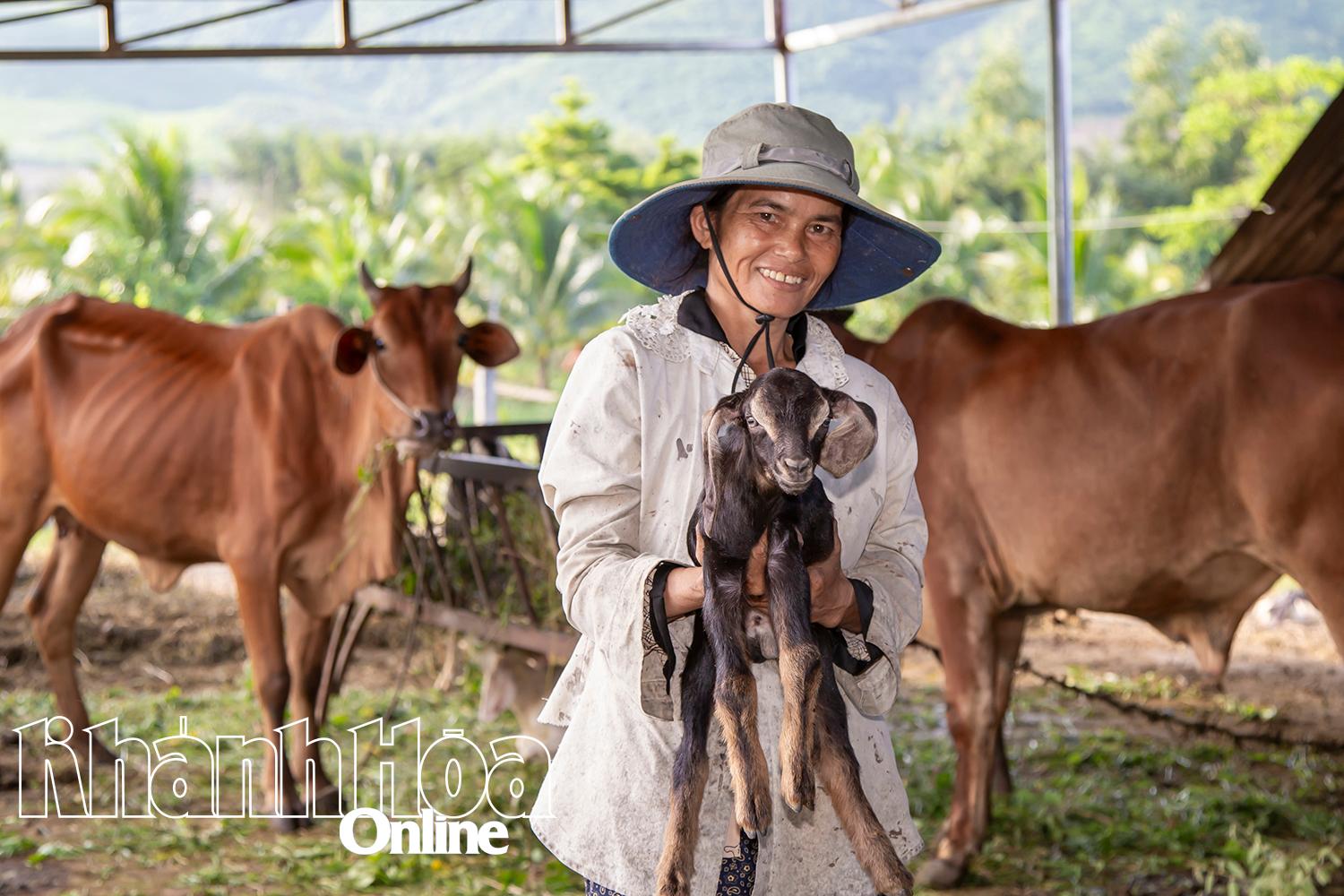 |
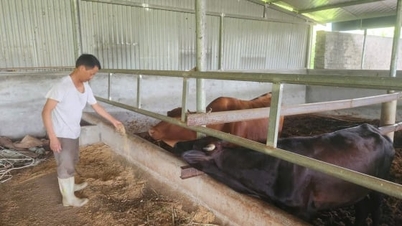
| Farmers in Nam Ninh Hoa commune raise goats and cows combined with eco-tourism. |
Mr. Vo Van Cong - Deputy Director of the Department of Agriculture and Environment said that in recent years, the province has issued policies to "green" the livestock industry. That is the Khanh Hoa Livestock Development Strategy to 2030 with the core content of forming concentrated livestock farming areas, increasing the application of high technology, promoting large-scale livestock farming, applying deep processing and developing ecological livestock farming models associated with tourism. The Green Transformation Project of Khanh Hoa province for the period 2024 - 2030 is associated with the green growth model, efficient use of resources, environmental protection and response to climate change for sustainable development. The project offers solutions, including that the livestock industry must be "green" and environmentally friendly. In addition, in the One Commune One Product (OCOP) Program, many entities have been interested in investing in livestock farming models combined with eco-tourism to participate in the program and have been highly appreciated.
As a famous tourist destination, welcoming millions of visitors each year, including tourists from Muslim countries - a potential customer group for Halal goat and sheep products, the province is building a project "Developing goat and sheep products into Halal products in the province by 2030", with the goal of developing the goat and sheep farming industry in Khanh Hoa province in a sustainable and modern direction, associated with production and processing processes that meet Halal standards. Successful implementation of the project will help Khanh Hoa become a pioneer in the South Central region in the production, processing and export of Halal goat and sheep products, both serving the domestic market and aiming to export to potential markets.
In addition to the potential and positive signals, it can be seen that livestock farming activities are still at the household scale, infrastructure is not synchronized, and agricultural tourism services are fragmented, which are limitations that need to be improved. Mr. Vo Van Cong added that to promote the potential of ecological livestock farming, the agricultural sector is focusing on implementing and advising the province on contents related to planning livestock farming areas combined with tourism. In particular, priority is given to areas with suitable conditions to develop open farm models, associated with landscapes and tourism experiences. At the same time, there is a plan to invest in infrastructure and tourism services; pay attention to equipping tourism skills for the farming team. At the same time, link with travel and media businesses to promote and build tours and routes connecting farms - relics - craft villages - seas and islands to increase the length of stay and spending of tourists; Encourage the development of typical products from livestock such as: goat milk, lamb, ostrich skin, bird's nest... to become valuable tourist gifts.
The province currently has a total livestock herd of more than 822,000. Of these, the sheep herd is nearly 100,000, the largest in the country; and the goat herd is about 120,000. In addition, the province has also developed endemic livestock such as ostriches and swiftlets - "agricultural ambassadors" that are contributing to building the brand of local specialties.
HONG DANG
Source: https://baokhanhhoa.vn/kinh-te/nong-nghiep-nong-thon-moi/202511/mo-huongphat-trien-chan-nuoi-gan-voidu-lich-sinh-thai-fb36148/
![[Photo] Unique architecture of the deepest metro station in France](https://vphoto.vietnam.vn/thumb/1200x675/vietnam/resource/IMAGE/2025/11/14/1763107592365_ga-sau-nhat-nuoc-phap-duy-1-6403-jpg.webp)

![[Photo] Unique art of painting Tuong masks](https://vphoto.vietnam.vn/thumb/1200x675/vietnam/resource/IMAGE/2025/11/14/1763094089301_ndo_br_1-jpg.webp)










![[Photo] Special class in Tra Linh](https://vphoto.vietnam.vn/thumb/1200x675/vietnam/resource/IMAGE/2025/11/14/1763078485441_ndo_br_lop-hoc-7-jpg.webp)











































Comment (0)