

But is this "fragility" inherent in a generation, or a consequence of how families and society nurture, protect, and expect of them? When kindness is taken too far, does it inadvertently rob individuals of their capacity for personal growth?
The craze for psychological "wounds".
Never before have terms like "healing" or "trauma" appeared in the media as frequently as they do now. The Digital 2025 Vietnam report by We Are Social shows that Vietnamese people spend an average of over 6 hours a day online; constant exposure to social media has pushed mental health to the forefront of youth culture. As a result, in counseling centers, an increasing number of young people from Generation Z and Generation Alpha are easily falling into severe crises due to seemingly minor reasons, from a criticism from a superior to a feeling of not being understood.
According to the World Health Organization (WHO), approximately 14% of young people globally are experiencing mental health issues. Meanwhile, the United Nations Children's Fund (UNICEF) has warned that academic pressure, social media, and emotional isolation are causing a sharp increase in anxiety and depression rates among young people following the Covid-19 pandemic.
We are facing a strange reality: a generation with access to the best education , the most nutritious food, and the most advanced technology ever, yet seemingly the generation with the weakest "psychological immune system." Why?
The root of vulnerability often begins in the family "laboratories." Modern parents, who grew up in scarcity and strict discipline, tend to compensate for this by overindulging their children. They become "helicopter parents," constantly hovering over their children, ready to swoop down and rescue them from any difficulties in life.
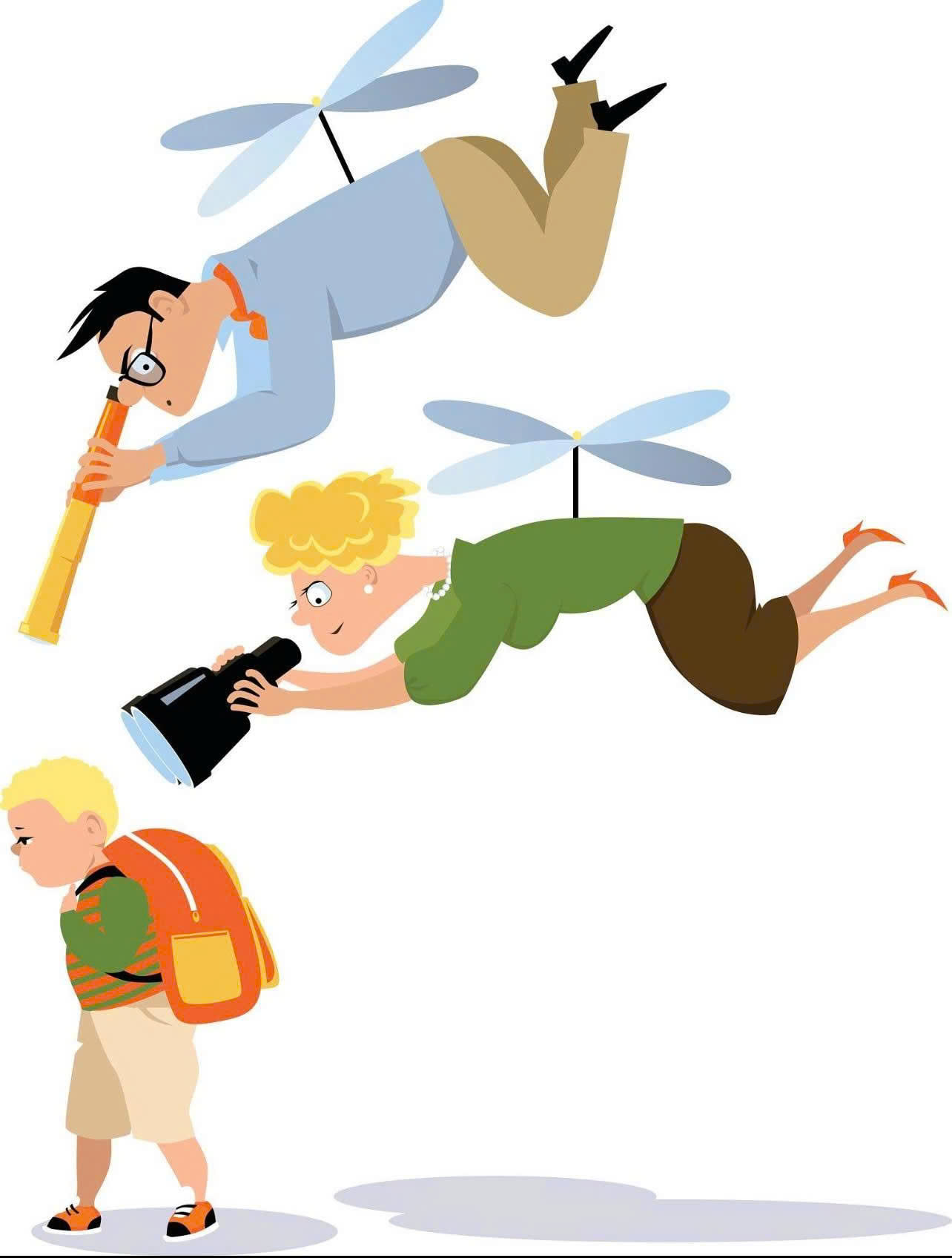 |
| "Helicopter parenting" is a term used to describe parents who interfere too much in their children's lives and emotions. (Image: Psychology Today) |
Psychologist Quang Thi Mong Chi (Department of Psychology, Faculty of Social Sciences and Humanities, Vietnam National University Ho Chi Minh City) believes that overprotection can cause children to lose the ability to develop an independent "self." When parents make all decisions for them – from choosing friends and schools to guiding their lives – children gradually lose connection with their true needs and emotions. "A healthy self is only formed when children have the opportunity to experiment, make mistakes, and take responsibility for their own choices."
By clearing away all obstacles and creating an emotionally "sterile" environment, parents inadvertently deprive children of the opportunity to cultivate resilience and mental fortitude, helping them to pick themselves up after setbacks. Upon leaving the protective family environment, this generation faces further pressure from social media, which is filled with unrealistic standards of success. When self-worth is measured by "likes" and numbers on a screen, young people become overly sensitive to judgment.
The fragility here isn't just about being easily moved to tears, but about a lack of resilience to negative emotions. Instead of learning to cope with sadness or disappointment, young people today tend to run away or demand that the world change to accommodate their feelings.
But is it fair to call them "fragile"?
In reality, today's younger generation is more courageous than previous generations in acknowledging their psychological instability. They don't accept workplace toxicity, they demand personal respect, and they're not afraid to question outdated norms. Are we calling them "fragile" simply because they refuse to endure and tolerate things as we once did?
Consequences of Safetyism
In the popular psychology book "The Coddling of the American Mind" by Greg Lukianoff and Jonathan Haidt (published in 2018), a paradox is pointed out: as young people are increasingly protected from psychological trauma, they become less able to cope with disagreement, criticism, and failure. A culture of safety, if taken too far, does not create happier individuals, but rather those who are more vulnerable to uncontrollable realities.
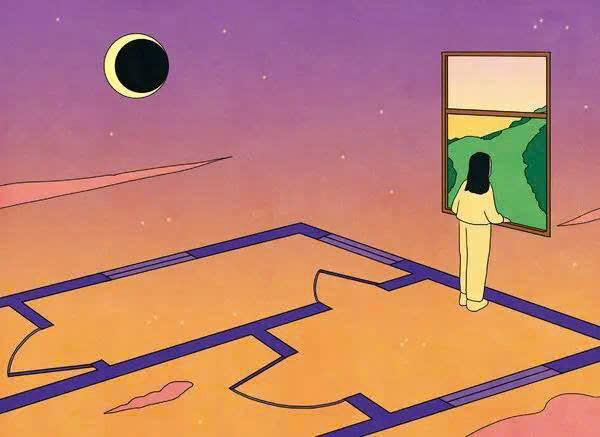 |
| Children today are mostly raised in environments where risks are minimized. Photo: New York Times |
When parents shield young people from dissenting opinions or unpleasant truths, we are turning them into the most vulnerable individuals when they enter the real world. Life is not a climate-controlled counseling room with meditative music; it is often a "boxing arena" full of unexpected blows. If they only learn self-defense in theory, they will soon succumb to the first blows of the harsh realities of making a living.
But it would be unfair to blame young people entirely. This fragility doesn't come naturally. It's a product of a society that fears hurt, avoids conflict, and desires absolute safety in a world that is inherently unsafe.
The problem isn't that young people are sensitive, but that they aren't adequately prepared to cope with unpleasant emotions—failure, rejection, criticism, and loneliness. When adults rush to clear away all obstacles, when education focuses too much on safety while neglecting necessary challenges and experiences, we are not protecting, but delaying, the maturation process of our children.
Because the price of overprotection, ultimately, is depriving people of their ability to stand on their own two feet.
| According to a 2023 Pew Research survey in the US, more than 50% of parents admit that they frequently interfere in their children's academic, social, or personal development matters to a much greater extent than previous generations, inadvertently creating a "sterile" environment that weakens children's "psychological immune systems." |
Source: https://www.qdnd.vn/xa-hoi/cac-van-de/mot-the-he-mong-manh-tai-sao-1040571























































































Comment (0)