

So, should cystic acne be squeezed, and what are the safe and effective ways to treat it?
Causes of cystic acne
Cystic acne is a condition characterized by the appearance of large, inflamed pimples on the skin due to the bacterium Propionibacterium acnes (P. acnes) penetrating deep into the hair follicles and sebaceous glands. This is considered a "stubborn" type of acne, easily causing severe inflammation and deep skin damage.
- Causes of cystic acne
- Signs of cystic acne
- Should you try to pop cystic acne yourself?
- Treatment methods for cystic acne
- Skincare after acne treatment
Initially, acne may appear as small, individual pimples. Over time, these pimples grow larger, containing pus, sometimes mixed with blood, causing pain and discomfort. Acne commonly appears on oily skin areas such as the face, chest, back, shoulders, or buttocks.
Many factors contribute to the formation of cystic acne, the most common of which are:
Oily skin makes pores prone to clogging, creating a favorable environment for bacteria to thrive; hormonal changes during puberty and menstruation; stress or lack of sleep can stimulate the oil glands to become overactive.
Improper skin hygiene that causes clogged pores, or frequently touching the face, increases the risk.
Staying up late, prolonged stress, and consuming excessive amounts of sugary and greasy foods can also worsen acne. People with a family history of severe acne are at a higher risk of developing cystic acne.
Signs of cystic acne
Cystic acne typically has the following characteristics:
Large, swollen, red pimples; painful to the touch; containing pus or inflammatory fluid; skin around the pimples is hot and red; may appear in clusters or large patches.
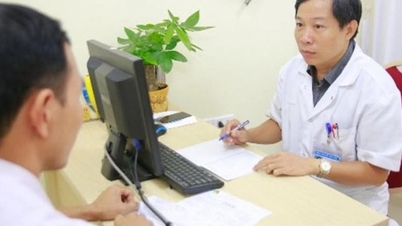
Diagnosis of cystic acne is primarily based on clinical presentation. Doctors will observe the extent of skin lesions, such as blackheads, whiteheads, pustules, cysts, or inflammatory nodules concentrated in areas with high sebum production. In severe cases, patients require specialized treatment to avoid the risk of permanent scarring.
Should you try to pop cystic acne yourself?
Besides affecting appearance, cystic acne can also leave many long-term consequences such as dark scars, pitted scars, enlarged pores, and uneven skin tone if not treated properly.
You should not try to squeeze cystic acne yourself, especially when the pimple is still "new" or inflamed. Attempting to squeeze a pimple with your hands or unsanitary tools can spread bacteria deeper into the skin.
When pimples are squeezed incorrectly, patients risk experiencing complications such as:
- Skin infections
- Acne becomes more severe.
- Skin tissue damage
- Leaving behind pitted scars and dark scars.
- It spreads to the surrounding healthy skin.
In particular, large pimples on the nose, chin, or around the mouth need to be treated carefully because these are sensitive areas with many blood vessels connected to the face.
In many cases, squeezing pimples yourself can leave the pus incompletely removed, leading to re-inflammation, the formation of subcutaneous abscesses that are prolonged and more difficult to treat.
Treatment methods for cystic acne
Currently, there are many methods for treating cystic acne. Depending on the severity of the condition, the doctor will prescribe the appropriate course of treatment.
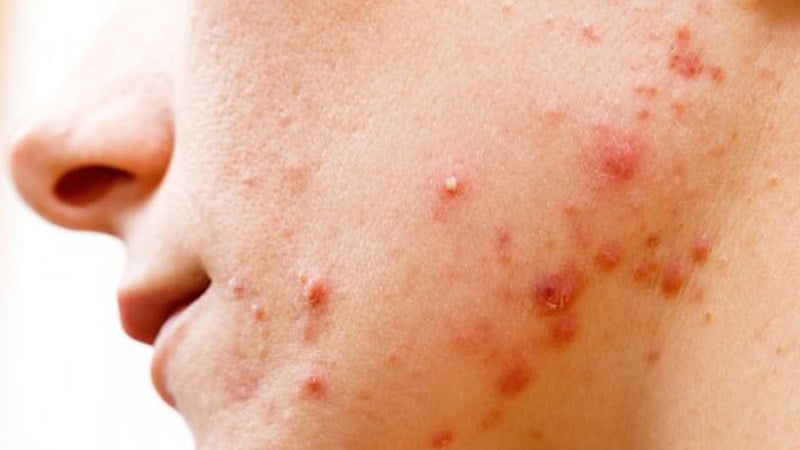
Acne commonly appears on oily areas of the skin such as the face, chest, and back.
- Treatment with medication
This is a more common and effective method for cystic acne. Depending on the case, doctors will prescribe topical medications to reduce pore blockage, fight inflammation, and limit acne-causing bacteria. Antibiotics may also be prescribed to control bacteria and reduce inflammation. In some cases related to hormonal imbalances, doctors may prescribe hormone-regulating drugs or spironolactone.
Acne medications should absolutely not be used without consulting a doctor, as they can cause skin irritation, peeling, or even health problems if used incorrectly.
Currently, many dermatology clinics are applying modern technology to support acne treatment. These methods help control inflammation, reduce oil production, and promote faster skin recovery. However, patients need to choose a reputable clinic and be examined by a specialist before treatment.
Some natural ingredients can help soothe the skin and reduce mild inflammation, such as:
Aloe vera; Turmeric powder; Green tea; Egg white.
This method is only suitable for mild, newly formed acne that does not show signs of severe inflammation. Users need to clean their skin thoroughly before application and monitor their skin's reaction to avoid irritation.
However, folk remedies should not be overused because their effectiveness varies depending on individual constitution and they cannot replace medical treatment.
Skincare after acne treatment
After treating cystic acne, proper skincare plays a crucial role in preventing scarring and recurrence.
- Supplementing with products containing vitamin C helps brighten skin, fade dark spots, and stimulate collagen regeneration. When using these products, it's essential to combine them with adequate sun protection to safeguard your skin.
- Using products that support skin recovery, active ingredients such as vitamins B3, B5, and B6 help restore the skin's protective barrier and reduce irritation.
Skin after treatment is often sensitive and prone to dryness, so it's important to choose a gentle, non-clogging moisturizer.
- Use sunscreen daily because sunlight can darken dark spots and prolong skin recovery time. Therefore, it's essential to use a suitable sunscreen and cover up well when going outside.
- Wash your face twice a day with a gentle product, avoiding harsh scrubbing or excessive exfoliation.
Patients should seek medical attention if they experience any of the following symptoms: severe, widespread inflammatory acne; significant pain; recurring acne; pitted or dark scars; or if home treatment does not improve the condition.
Early treatment not only helps control acne effectively but also reduces the risk of long-term skin damage.
Source: https://suckhoedoisong.vn/mun-trung-ca-boc-co-nen-nan-khong-169260508193848904.htm



































































































Comment (0)