

 |
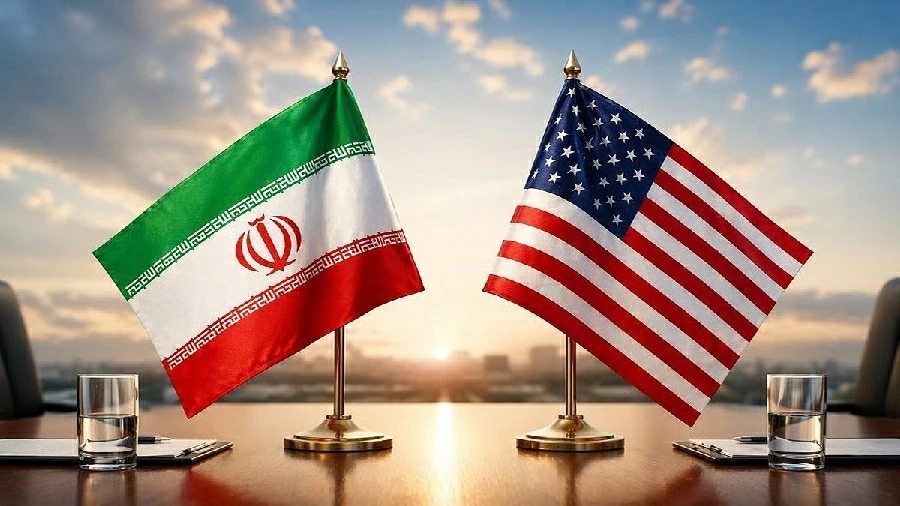
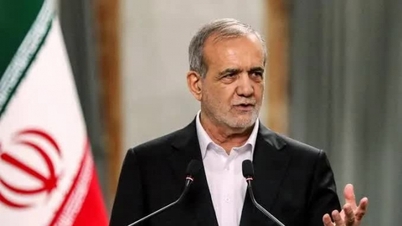
| With their hardline stances, the room for maneuver in US-Iran negotiations remains challenging. (Source: Getty Image) |
In recent days, Iran has repeatedly drawn "red lines" regarding its nuclear program and the Strait of Hormuz, signaling that Tehran is ready to negotiate but will not accept concessions on its core interests.
Earlier this month, Iran submitted a 14-point proposal to the US through Pakistan, which Tehran considers a crucial framework for future negotiations. The proposal demands that the US cease military operations against Iran and its allies; lift the naval blockade; withdraw forces from areas surrounding Iran; release frozen assets; and lift economic sanctions.
However, this proposal does not mention Iran abandoning its nuclear program or suspending uranium enrichment activities. Tehran also does not commit to fully opening the Strait of Hormuz before reaching a final agreement with the US. This suggests that Iran is setting “limits on concessions” from the outset, viewing nuclear weapons and Hormuz as two strategic interests that cannot be unconditionally traded.
Immediately afterward, Iranian leaders continued to use tough language to reinforce the "red lines." On May 7-8, Iran continued to reject reports from Western media about the possibility of an agreement being reached. On May 11-12, Iranian Parliament Speaker Mohammad Bagher Ghalibaf even described the 14-point proposal as the "only foundation" for resolving tensions with the US, and stated that any options outside this framework "have no chance of success."
However, Iran showed some flexibility when, on May 18-19, Tehran sent a new version of its 14-point proposal through Pakistan after revising the content based on feedback from the US. According to Iranian media, Washington is believed to have considered the possibility of temporarily easing some oil sanctions during the negotiations.
However, the core disagreements between the two sides remain unresolved, particularly the US demand that Iran cease uranium enrichment and fully reopen the Strait of Hormuz in exchange for sanctions relief. Meanwhile, Tehran continues to insist that current negotiations should focus solely on ending the conflict and reducing military pressure, with the nuclear issue to be addressed at a later stage.
Based on the above developments, the trend of the conflict in the coming period can be seen as follows:
Firstly, in the short term, the conflict is likely to remain tense but controlled. Both sides will maintain military pressure and compete for influence, but all will seek to avoid large-scale direct conflict.
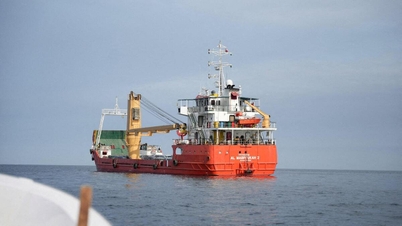
Secondly, the Strait of Hormuz will continue to be a top strategic hotspot.
Third, the prospects of reaching a comprehensive agreement remain quite low. The "red lines" set by Iran have significantly narrowed the room for compromise, while the US and Israel still consider curbing Iran's nuclear capabilities a strategic priority.
In short, Iran's repeated adjustments and resubmissions of the 14-point proposal show that Tehran still wants to maintain a channel of negotiations with the US, while at the same time resolutely defending its strategic interests related to its nuclear program and the Strait of Hormuz.
In the coming period, the conflict is likely to continue in a confrontational but restrained manner, as all parties seek to protect their core interests while avoiding escalating tensions into a full-blown regional conflict.
Source: https://baoquocte.vn/my-iran-khoang-trong-nao-cho-dam-phan-395589.html




























































































Comment (0)