

Satellite Hospital
According to Dr. Tran Dinh Vinh, Director of Da Nang Obstetrics and Pediatrics Hospital, in 2025 the hospital will implement a "satellite hospital" project with the Thanh Khe Regional Health Center for training in prenatal ultrasound diagnosis; the Son Tra Regional Health Center for training in total and partial hysterectomy; and the Lien Chieu Regional Health Center for enhanced training in neonatal resuscitation…
The hospital also transferred gynecological laparoscopic surgery and hysterectomy techniques to several regional medical centers; and provided professional and technical support in the fields of obstetrics, gynecology, and neonatology to units such as: Quang Nam Obstetrics and Pediatrics Hospital, Quang Nam General Hospital, Tay Giang Regional Medical Center, Dong Giang Regional Medical Center, etc.
“Over the past three years, the unit has trained dozens of medical staff from regional health centers. At the same time, it has enhanced the professional capacity of grassroots medical staff in techniques related to neonatology, pediatrics, obstetrics and gynecology, prenatal ultrasound diagnosis, etc. Through training courses and technology transfer, doctors and medical staff from regional health centers have successfully performed hysterectomy surgeries, gynecological laparoscopic surgeries, etc., under the supervision of doctors from Da Nang Obstetrics and Pediatrics Hospital,” Dr. Tran Dinh Vinh informed.
As a leading institution in directing healthcare services, Da Nang Hospital directly guides and trains many healthcare workers at lower levels; at the same time, it strongly implements the satellite hospital plan with the goal of improving the quality of treatment and providing professional support to regional medical centers…
According to Dr. Le Duc Nhan, Director of Da Nang Hospital, the unit will organize nearly 40 training courses and transfer hundreds of techniques to regional medical centers during the period 2023-2025. The transferred techniques include: surgery for thyroid diseases, maxillofacial trauma, nasal and sinus endoscopy, basic urinary tract endoscopy; basic and advanced emergency resuscitation; laser lithotripsy for urinary stones; endoscopic hemostasis for upper gastrointestinal bleeding; basic hemodialysis techniques; flexible bronchoscopy; anesthesia, resuscitation and post-operative care; endoscopic laryngeal microsurgery, etc.
According to Dr. Tran Thanh Thuy, Director of the Department of Health, through the "satellite hospital" project, the professional capacity of grassroots medical staff has significantly improved; many doctors, nurses, and technicians have mastered clinical practice skills for advanced and modern techniques.
In particular, many techniques previously only performed at higher-level hospitals are now carried out at satellite units, such as: hemodialysis, laparoscopic cholecystectomy, appendectomy, laparoscopic urinary stone removal, gastrointestinal endoscopy, basic and advanced resuscitation… Along with that, obstetric and gynecological techniques, pediatrics, and prenatal ultrasound diagnostics are also performed proficiently by the staff at lower-level hospitals.
Mastering advanced techniques
Healthcare facilities that participated in the "satellite hospital" project have improved their diagnostic and treatment capabilities and reduced the number of referrals to higher-level hospitals. This is clear evidence of the feasibility of "bringing services closer to patients."
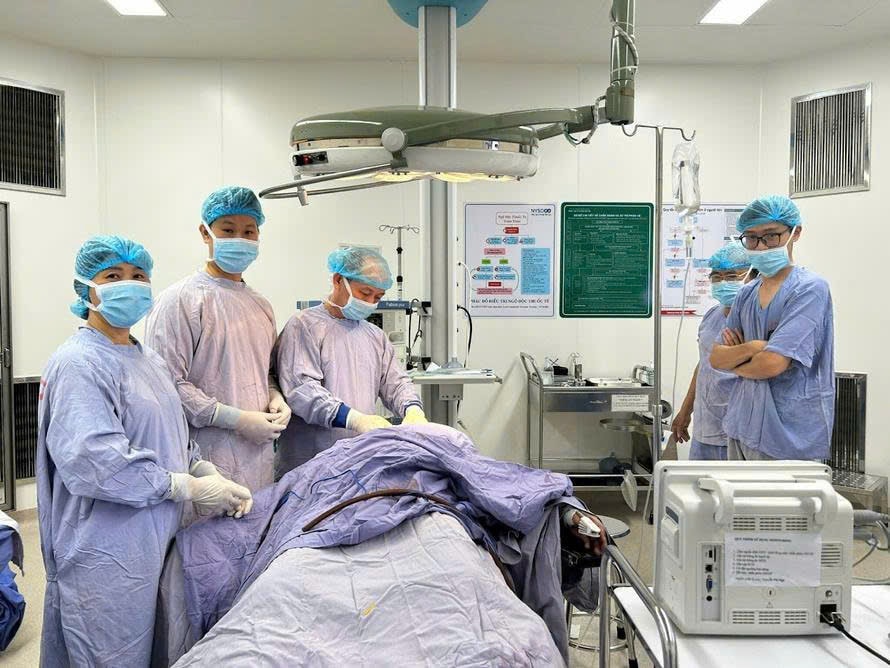
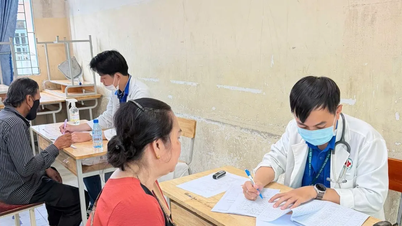
Recently, Thanh Khe Regional Medical Center performed a combined surgery on a female patient involving a fractured radius and dislocation of the distal radioulnar joint. This is one of the techniques transferred between Da Nang Hospital and Thanh Khe Regional Medical Center.
According to the leaders of the Thanh Khe Regional Medical Center, previously, patients with accidents or injuries requiring surgery were referred to higher-level hospitals, such as Da Nang Hospital, due to insufficient equipment, personnel, and technical expertise. However, thanks to training and technology transfer, the unit has now successfully performed basic and advanced bone fixation surgery techniques, shortening treatment time and reducing the rate of referrals to higher-level hospitals.
Following the implementation of the "satellite hospital" project, the Son Tra Regional Health Center has shown significant improvements in its professional capacity and treatment quality.
In particular, through training programs, technology transfer, and direct professional support from Da Nang Hospital and Da Nang Obstetrics and Pediatrics Hospital, Son Tra Regional Health Center has mastered many new and specialized techniques. Many complex cases that previously required referral to higher-level hospitals can now be treated safely and effectively right at the center.
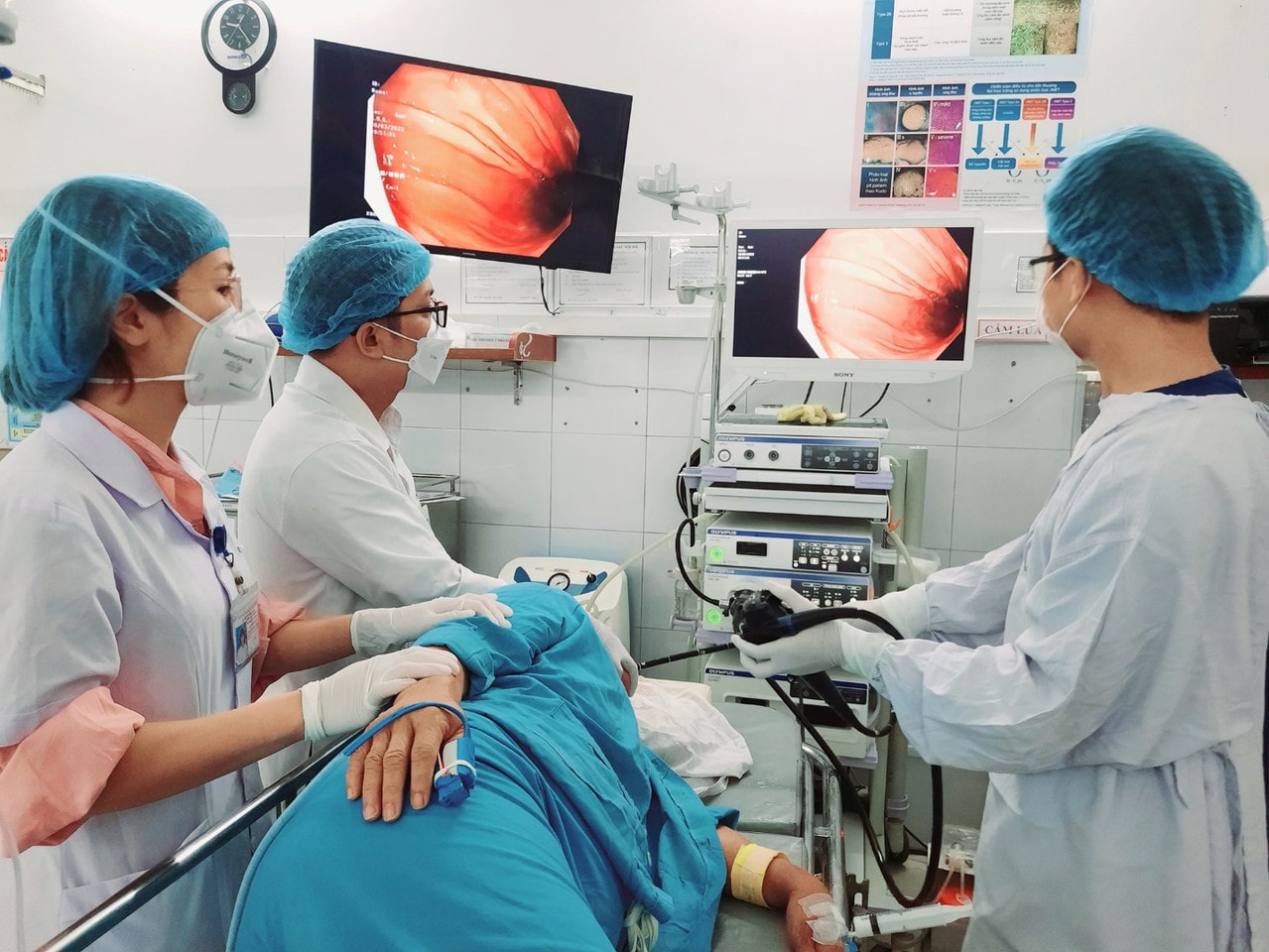
A typical example is patient TQS (56 years old, residing in An Hai ward) who was admitted to the hospital with gastrointestinal bleeding, vomiting blood, and low blood pressure.
Previously, these cases often required urgent transfer to higher-level hospitals. However, after receiving the technique of endoscopic hemostasis for upper gastrointestinal bleeding from Da Nang Hospital, the medical team at Son Tra Regional Health Center proactively performed endoscopy, identified the bleeding ulcer, and successfully stopped the bleeding, helping patients overcome critical conditions without needing transfer to a higher-level hospital.
According to Dr. Ngo Van Dinh Hoai, Director of the Son Tra Regional Medical Center, the unit has mastered many new and specialized techniques, such as endoscopic hemostasis for upper gastrointestinal bleeding; maxillofacial trauma surgery, periodontal surgery, nasal and sinus endoscopy, and gynecological endoscopy…
"The unit's capacity to admit and treat patients has increased significantly, contributing to improved quality of medical examination and treatment. In particular, people are able to benefit from high-quality services right at the grassroots level, helping to reduce the burden on higher-level facilities," Dr. Hoai shared.
The results achieved from training and technology transfer activities from higher-level hospitals to regional health centers are proving remarkably effective. This not only helps lower-level medical facilities confidently handle more complex techniques and allows people to access high-quality professional services locally, but also helps reduce the burden on first-tier hospitals.
Source: https://baodanang.vn/nang-cao-chat-luong-y-te-khu-vuc-3337302.html

































































































Comment (0)