

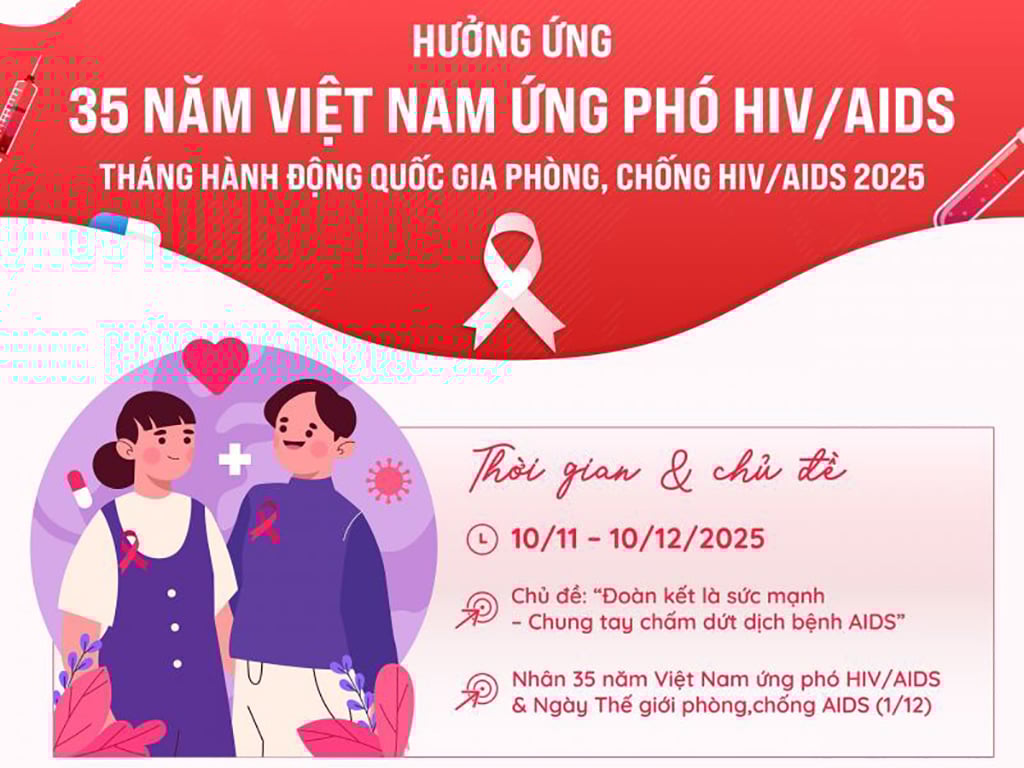
In 2025, with the theme "Unity is strength - Joining hands to end the AIDS epidemic", Vietnam continues to affirm its strong commitment to HIV/AIDS prevention and control and the goal of eliminating AIDS by 2030. However, HIV/AIDS prevention and control in Vietnam and around the world still faces many major challenges that require community consensus.
* Profound impact on the community
Vietnam first detected HIV in 1990, when the first HIV infection case was recorded in Ho Chi Minh City. This was an important milestone in the history of HIV/AIDS prevention and control in Vietnam, marking the beginning of a long and challenging fight. Initially, information about HIV/AIDS was very limited and most people did not understand the disease, how it was transmitted and how to prevent it, leading to confusion and fear in the community.
Immediately after the first case was detected, the Vietnamese Ministry of Health began implementing HIV/AIDS prevention and treatment measures. In the following years, HIV/AIDS prevention programs began to be expanded, including providing free HIV testing services, promoting information about transmission methods and preventive measures such as using condoms and not sharing needles. In particular, Vietnam began providing ARV treatment drugs to people living with HIV, helping to prolong life and reduce infection rates in the community. This was an important step in the fight against HIV/AIDS in Vietnam.
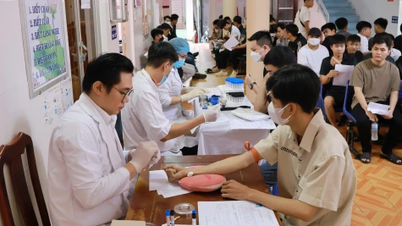
According to the latest statistics from the Ministry of Health, by the end of 2024, Vietnam recorded about 245,762 people living with HIV and 116,004 people who died from AIDS. However, according to estimates by health experts, the actual number of people infected with HIV could be up to about 267,000 people, including those who have not been detected. This shows that although HIV/AIDS treatment policies have brought about many positive results, the epidemic still exists and has a profound impact on the community. In particular, the implementation of ARV antiretroviral treatment programs has helped 184,214 people infected with HIV maintain healthy lives, prolong their lives and minimize the risk of spreading the virus to the community. HIV prevention services, such as providing clean needles to drug users, free condoms and free HIV testing, have helped reduce the rate of HIV infection in the community.
Social organizations also play an important role in promoting and educating the community about HIV/AIDS, reducing stigma and helping people with HIV integrate into society.
However, HIV is still spreading among high-risk groups such as drug users, gay men and migrant workers.
*There are still many challenges
Although HIV/AIDS prevention and control has achieved many successes, there are still many major challenges that need to be overcome. One of the biggest problems is stigma and discrimination against people living with HIV. Although there are many programs to support people living with HIV, they still face discrimination, especially in accessing health services and opportunities to integrate into the community. People living with HIV often face alienation and lack of empathy from society, which makes them reluctant to participate in treatment and health care programs. Therefore, eliminating stigma and discrimination is an important task in HIV/AIDS prevention and control, helping people living with HIV have the opportunity to receive treatment and integrate into the community.
In addition, many people still misunderstand how HIV is transmitted, causing unnecessary fear and stigma. HIV is not a disease transmitted through casual contact, but only through three main routes: unsafe sex, sharing needles and transmission from mother to child during pregnancy, childbirth or breastfeeding. Therefore, providing accurate information about HIV and preventive measures is essential to eliminate fear and misunderstanding about this disease.
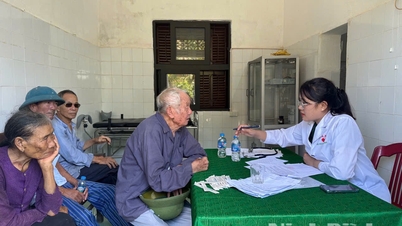
Another issue that needs to be addressed is the lack of equitable access to health services across regions. Although HIV/AIDS prevention programs have been widely implemented, in some remote areas, especially disadvantaged areas, people still do not have access to HIV testing and treatment services. This not only reduces the effectiveness of HIV/AIDS prevention and control but also prevents people at risk of HIV infection from receiving timely support. Therefore, special policies and strategies are needed to expand HIV testing services in these regions.
The theme "Unity is strength - Joining hands to end the AIDS epidemic" in 2025 is a strong call for every individual, organization and community to join hands in preventing and combating HIV/AIDS. To achieve the goal of eliminating AIDS by 2030, every citizen needs to clearly understand HIV and actively participate in prevention programs. Support from family, friends and the community is necessary for people living with HIV to overcome stigma, receive effective treatment and live in harmony with society. State policies need to continue to be maintained and expanded to ensure that everyone, especially high-risk groups, can access health services easily and promptly.
Strengthening community education programs on HIV/AIDS, raising awareness of how it is transmitted and prevention measures, will help reduce stigma, increase sharing and protect public health. Only when society has a correct understanding of HIV can people living with HIV receive the empathy and support they need to continue treatment and live normal lives.
In addition, it is important to promote HIV prevention measures, provide quality health services, eliminate stigma and discrimination, and strengthen communication campaigns. The Government should continue to provide financial support for HIV/AIDS prevention and control programs, ensure resources for testing and ARV treatment services, and develop HIV prevention strategies in the community.
HIV/AIDS prevention and control cannot be successful without the consensus and support of the whole society. Each individual, each organization, each community needs to join hands in promoting, preventing and treating HIV/AIDS…/
NBO
Source: https://baoninhbinh.org.vn/ngay-the-gioi-phong-chong-aids-112-can-su-dong-long-cua-ca-cong-dong-251201091047631.html

![[Photo] Worshiping the Tuyet Son statue - a nearly 400-year-old treasure at Keo Pagoda](/_next/image?url=https%3A%2F%2Fvphoto.vietnam.vn%2Fthumb%2F1200x675%2Fvietnam%2Fresource%2FIMAGE%2F2025%2F12%2F02%2F1764679323086_ndo_br_tempimageomw0hi-4884-jpg.webp&w=3840&q=75)
![[Photo] Parade to celebrate the 50th anniversary of Laos' National Day](/_next/image?url=https%3A%2F%2Fvphoto.vietnam.vn%2Fthumb%2F1200x675%2Fvietnam%2Fresource%2FIMAGE%2F2025%2F12%2F02%2F1764691918289_ndo_br_0-jpg.webp&w=3840&q=75)























































































Comment (0)