

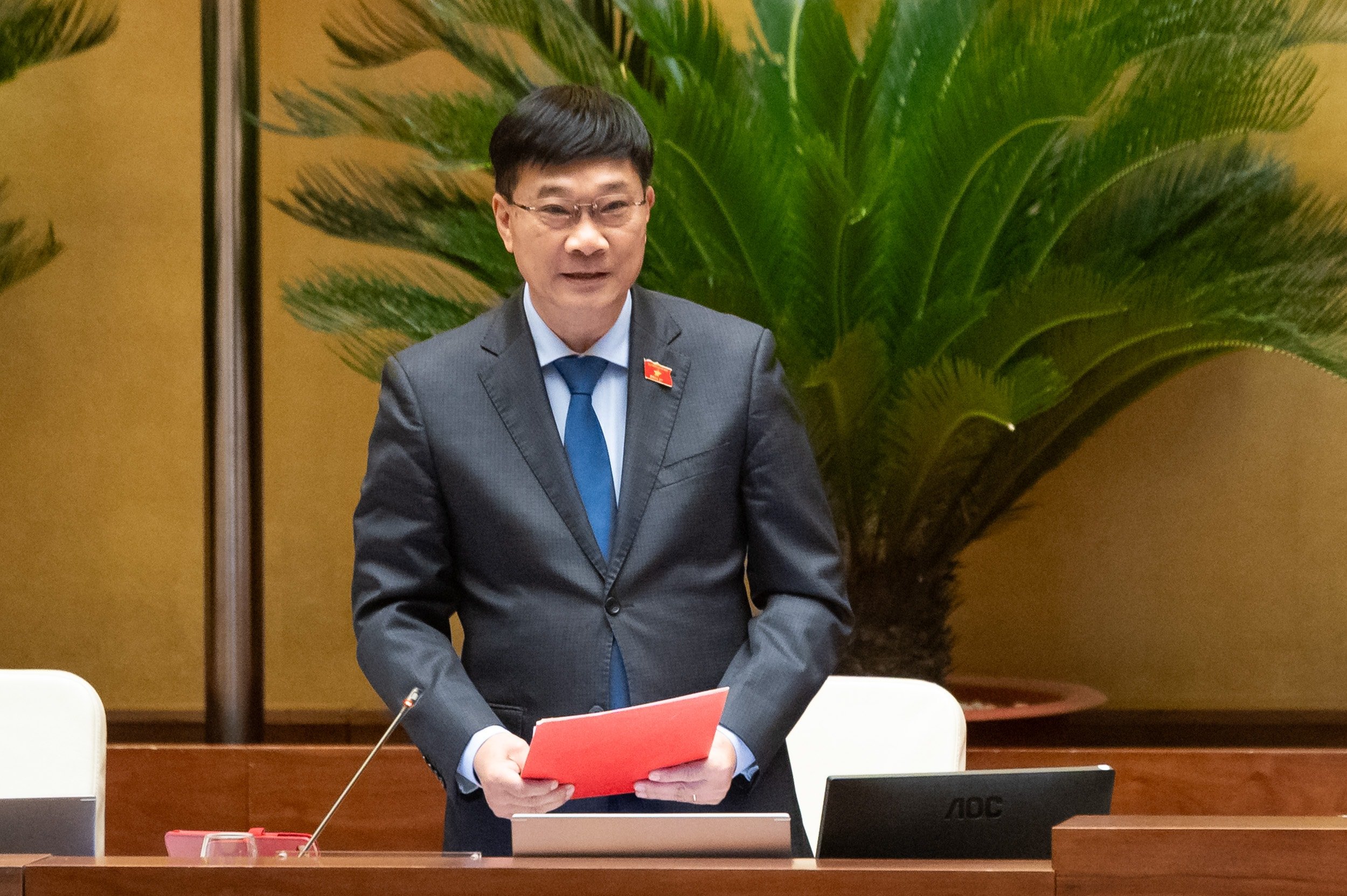
Consider removing the recording of land prices in land allocation and lease decisions.
Discussing the draft Resolution, National Assembly deputies basically agreed with the necessity of issuing the Resolution to create a more flexible, transparent, and feasible mechanism, thereby promoting more synchronous and effective land deployment; and agreed with many contents of the draft Resolution.
Clause 4, Article 5 of the draft Resolution stipulates: “Authorities and persons with authority must record land prices and infrastructure construction costs (if any) in decisions on land allocation, land lease, permission to change land use purposes, land use extension, adjustment of land use duration, and change of land use form”.
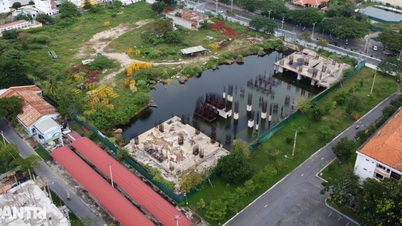
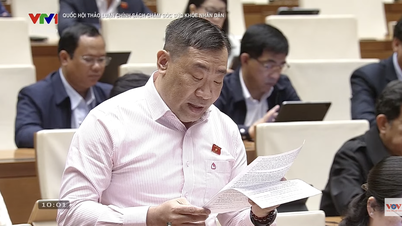
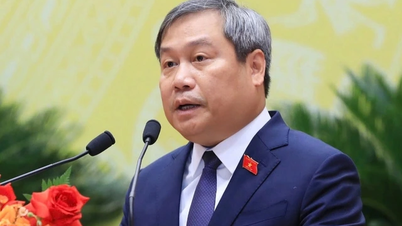
From the practice of implementing land laws, National Assembly Deputy Tran Chi Cuong ( Da Nang ) realized that the above regulation is causing the progress of land allocation to investors to be prolonged due to the complete dependence on the process of determining land prices and infrastructure costs of specialized agencies. In many cases, land prices must be appraised in many rounds, consulted with inter-sectoral opinions or reviewed data information, leading to projects being delayed for months, even quarters, before decisions on land allocation and lease can be issued.
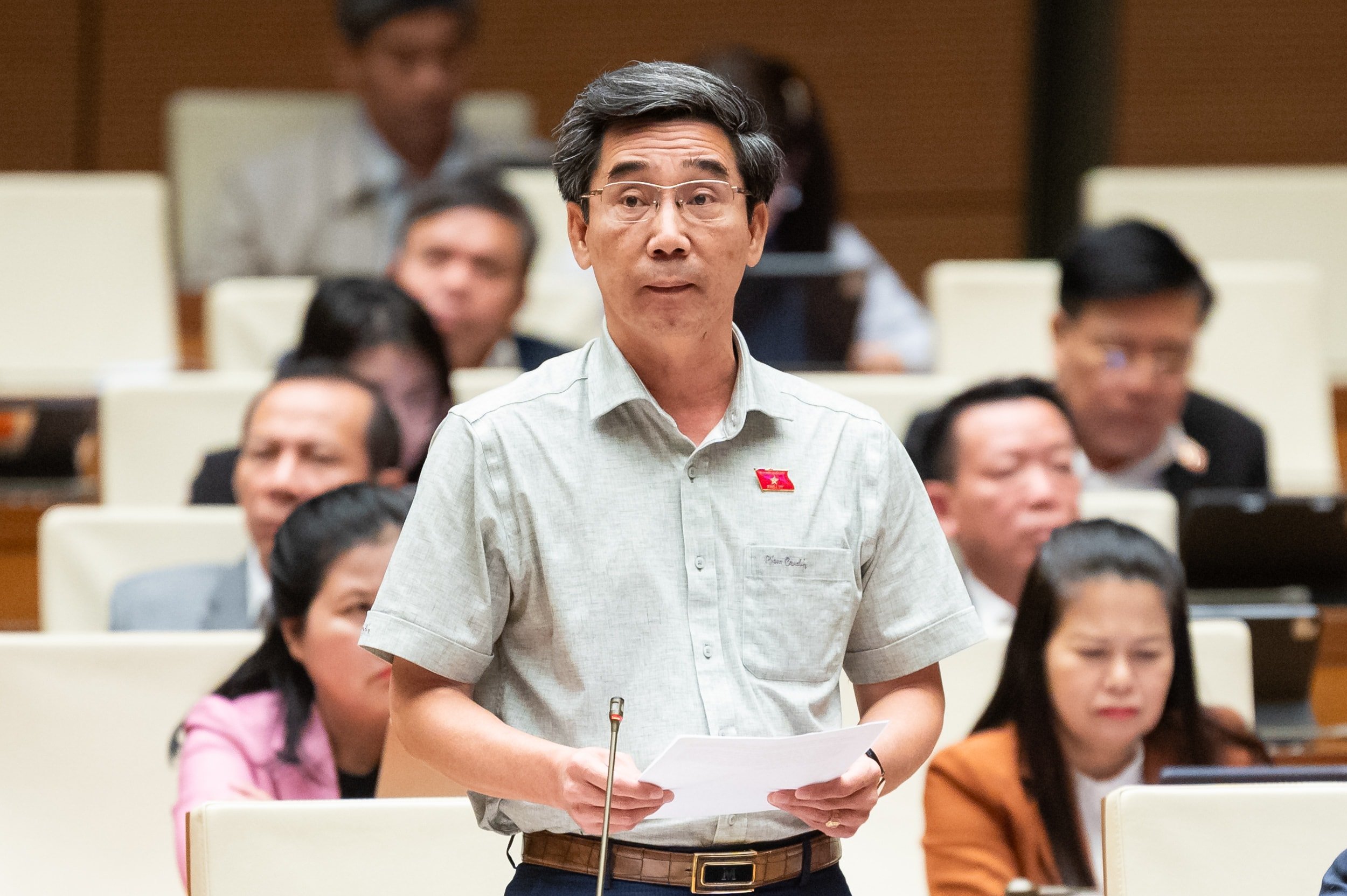
“Meanwhile, the biggest goal that the land law and the National Assembly Resolution aim for is to speed up the putting of land into use, shorten the investment preparation time, create conditions for investors to quickly access land to complete construction procedures, environment, fire prevention and fighting, mobilize capital and implement projects.”
Based on the above practice, the delegates proposed to consider removing the mandatory provision of recording land prices and infrastructure costs in the land allocation and lease decisions. At the same time, regulating this provision in the direction of issuing decisions on land allocation and lease in advance will not require recording land prices and infrastructure costs immediately. The process of determining land prices, infrastructure costs and other land financial procedures is carried out in parallel in the period after the land allocation and lease decisions. Investors can only pay money and receive land handover on the field after financial obligations are completed according to the results determined by competent authorities.
According to delegate Tran Chi Cuong, this approach not only ensures strict budget obligations, but also shortens administrative time by half, does not create legal risks but creates a strong effect in improving the investment environment.
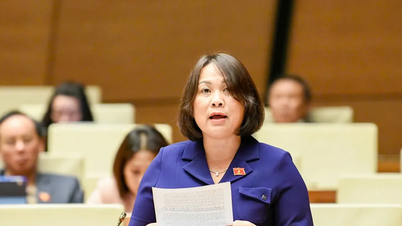
Sharing the same view, National Assembly Delegate Nguyen Thi Thu Thuy ( Gia Lai ) proposed not to have rigid regulations in the draft Resolution but to assign the Government to provide detailed regulations, ensuring flexibility in implementation, in accordance with the capacity of the land price system and requirements for administrative procedure reform in each period.
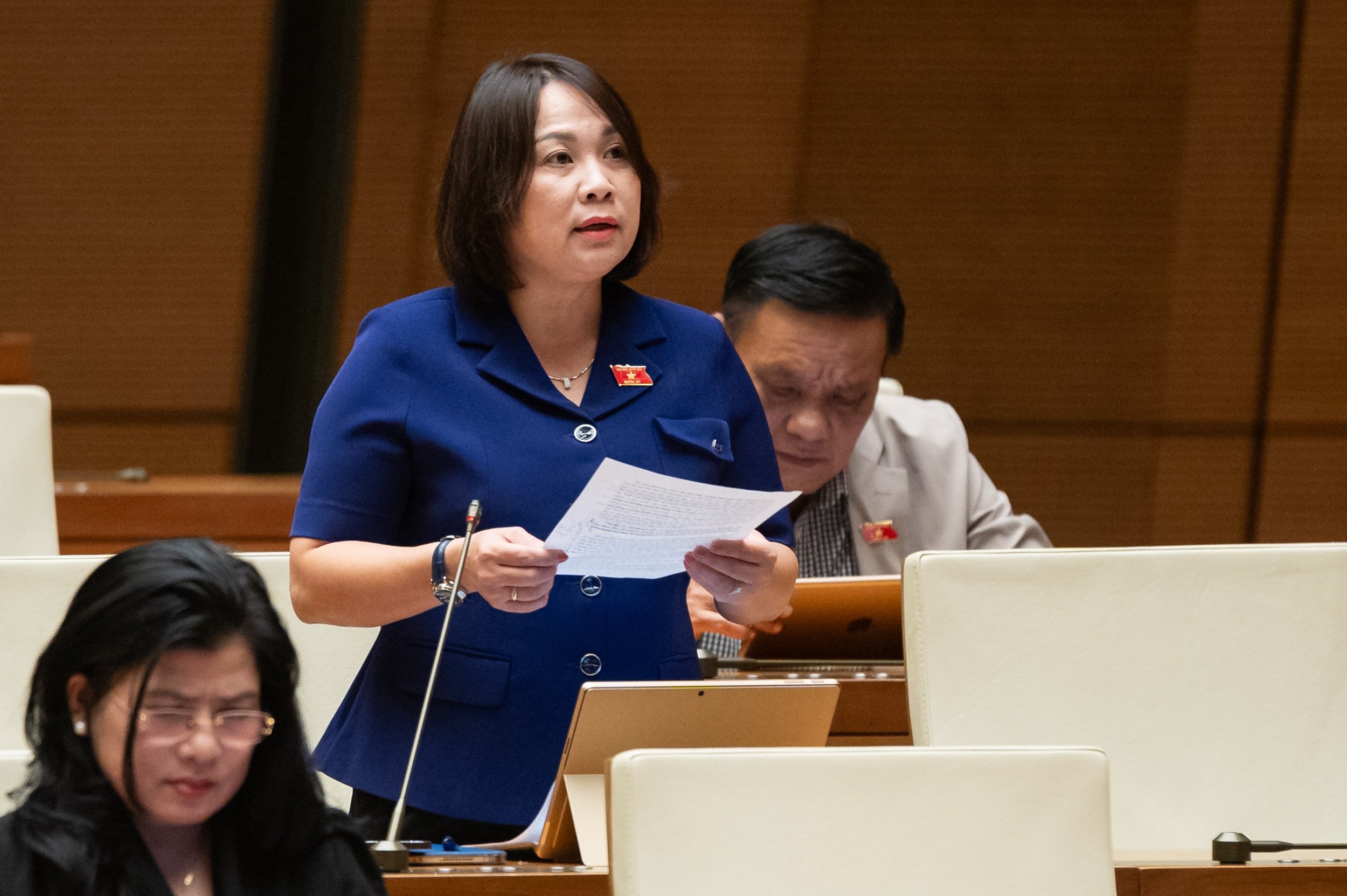
In addition, the delegate also emphasized that the regulation on land allocation and lease according to the progress of land acquisition, compensation, support and resettlement (Clause 1, Article 4) needs to be considered because there are many shortcomings in practice. The reason is that the division of land allocation and lease progress according to each land acquisition part leads to fragmentation, small-scale, difficult management, prolonging project implementation time, creating many administrative procedures and causing difficulties in determining financial obligations and granting Land Use Right Certificates.
“In fact, similar regulations were applied in previous stages but were eliminated due to ineffectiveness, creating backlogs and obstacles in implementing compensation, site clearance and completing legal documents.” Emphasizing this obstacle, the delegate proposed to only consider land allocation and land lease according to the compensation, support and resettlement progress in cases where the investment project has been approved by the competent authority with clear land recovery progress phases.
“Implementing option 2 will ensure the legitimate rights of people whose land is recovered.”
Based on the opinions of the National Assembly Deputies in the discussion at the Group on the morning of November 19, the Drafting Committee added regulations on handling cases arising when recovering land to implement projects through agreements on receiving land use rights that have been agreed upon for over 75% of the land area and over 75% of the number of land users at Point b, Clause 2, Article 3.
However, due to the different opinions on this issue, the Drafting Committee proposed two options. The first option is: Compensation, support and resettlement for the remaining land area shall be applied as in the case of land recovery by the State as stipulated in Article 78, Article 79 of the Land Law and Point a, Point c, Clause 2, Article 3.
The second option is: In case the total amount of compensation and support received according to the compensation, support and resettlement plan calculated on a unit of land area is lower than the average of the agreed land price, the person whose land is recovered will receive the remaining amount compared to that average. The investor must pay the difference between the amount calculated according to the average of the agreed land price and the compensation and support amount in the compensation, support and resettlement plan; this difference is included in the investment cost of the project.
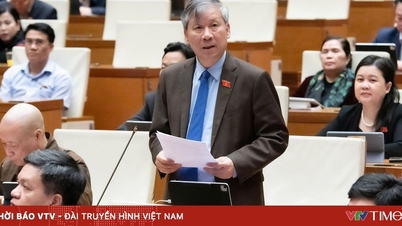
National Assembly deputies Do Thi Viet Ha (Bac Ninh), Tran Chi Cuong (Da Nang), Dang Thi My Huong (Khanh Hoa), and Nguyen Thi Thu Thuy (Gia Lai) agreed with the second option.
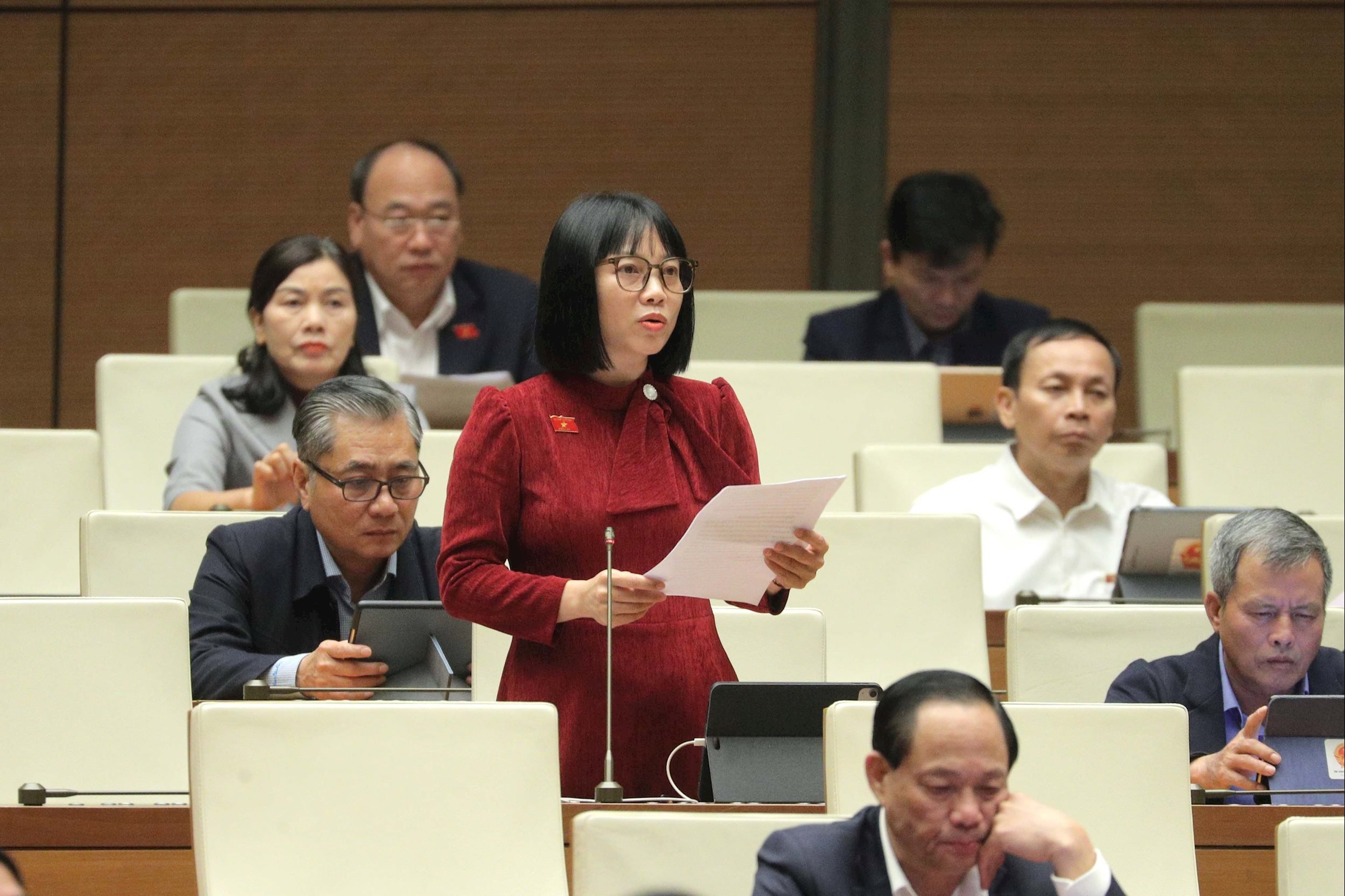
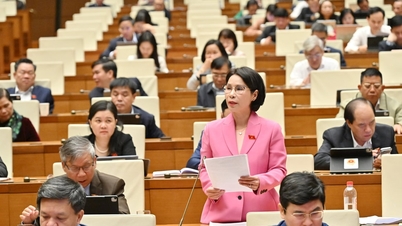
According to delegate Do Thi Viet Ha, if this plan is implemented, it will ensure the legitimate rights of people whose land is recovered in cases where the project has agreed on more than 75% of the land area. Adding a payment mechanism for the difference will help people receive compensation not lower than the agreed price level, ensuring fairness, limiting complaints and being consistent with the nature of the self-negotiation mechanism when recovering the remaining area. The difference will be paid by the investor and included in the project cost, so it will not increase the budget burden.
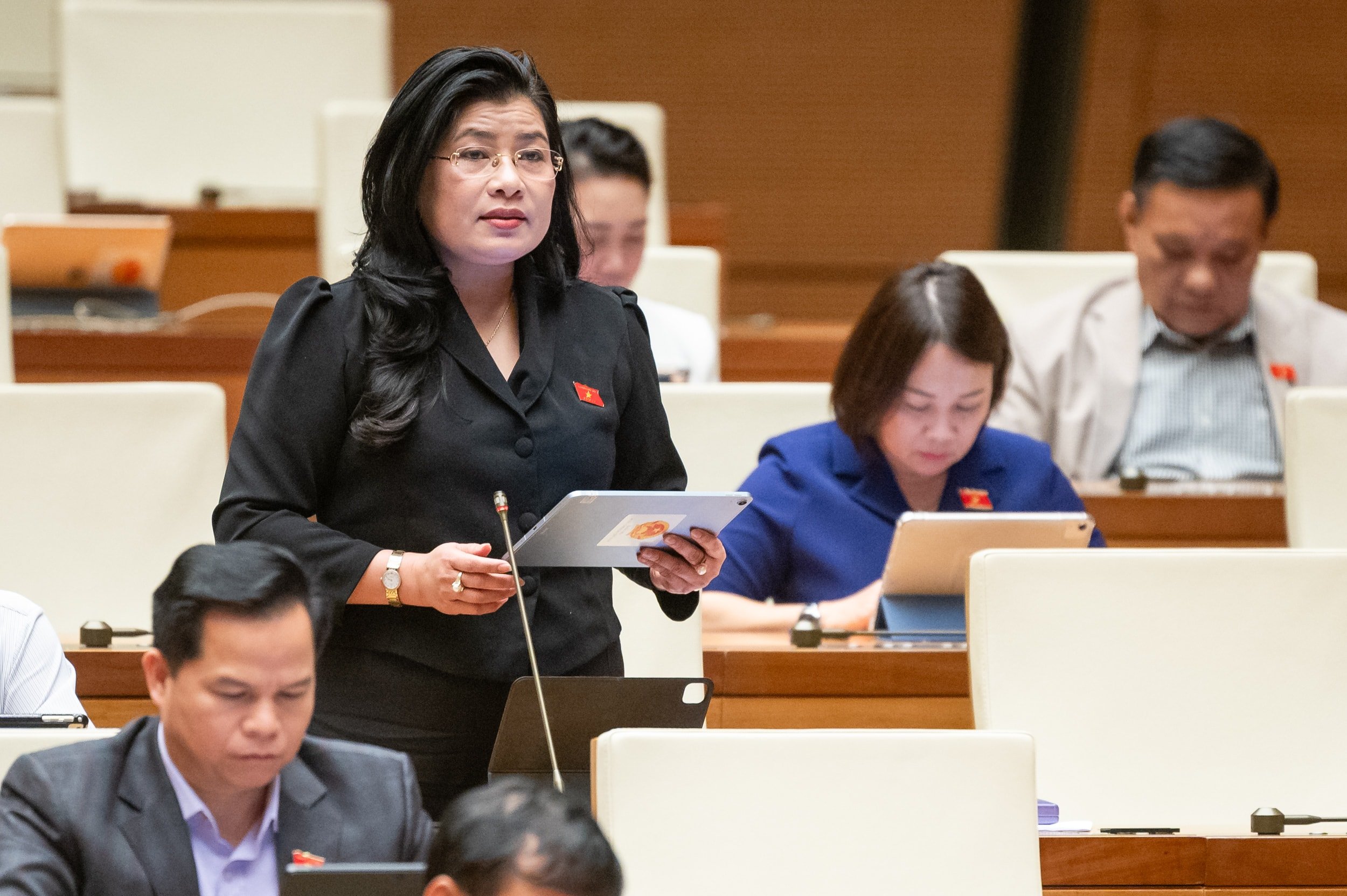
Delegate Dang Thi My Huong said that the regulation under the second option will partly overcome the limitation of applying compensation prices that are often lower than market prices, causing disadvantages to people whose land is recovered. This regulation also clearly defines the financial responsibility of investors, so it will be more convenient to implement.
National Assembly Deputy Tran Van Tien (Phu Tho) proposed that it is necessary to clarify the basis for the provision at Point b, Clause 2, Article 3 of the draft Resolution on the case of using land to implement a project through an agreement on receiving land use rights that has been agreed upon for over 75% of the land area and over 75% of the land users, then the Provincial People's Council shall consider and approve the recovery of the remaining land to allocate or lease land to the investor.
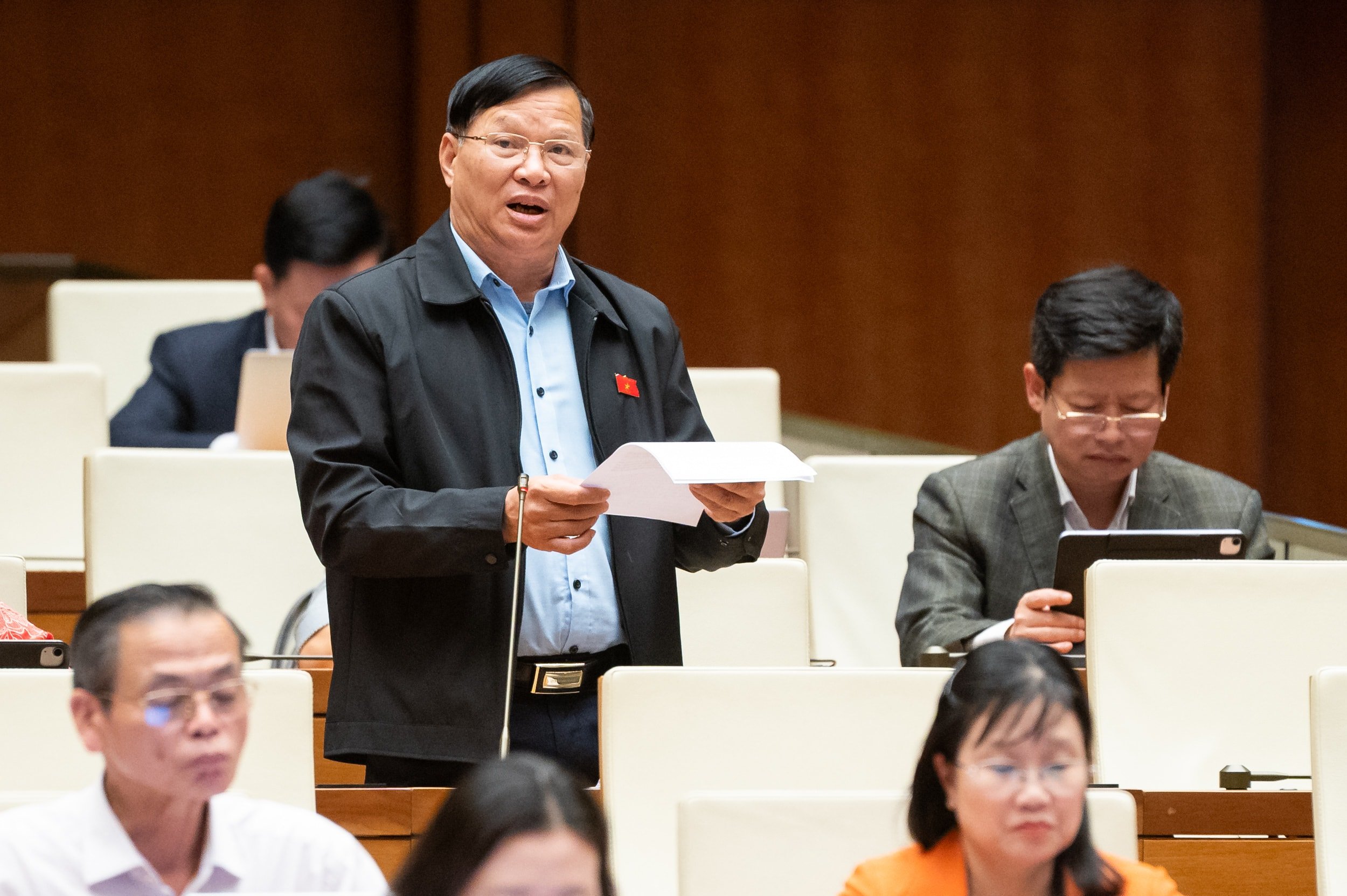
The delegate said that it is not easy for the project to meet both criteria of “over 75% of the land area has been agreed upon” and “over 75% of the land users”. In the current Decision on approving the investment policy, there is no provision on the time limit for completion or the deadline for completing the agreement. Thus, if implemented according to the draft Resolution, the approval of the investment policy subject to compensation agreement must be adjusted.
Delegate Nguyen Thi Thu Thuy requested to clarify the basis for determining 75% and how to apply this regulation to projects, because in essence, projects will be different in scale and area...
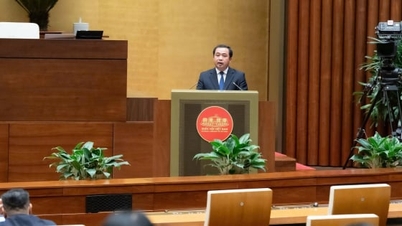
In his concluding remarks, Vice Chairman of the National Assembly Vu Hong Thanh suggested continuing the review to ensure there are no conflicts or overlaps with current laws and related draft laws and resolutions also submitted to the National Assembly at the 10th Session.
The Vice Chairman of the National Assembly also requested the Government to direct the drafting agency to closely coordinate with the reviewing agency and relevant agencies to study, absorb, and fully and thoroughly explain all opinions of National Assembly deputies to promptly complete the draft Resolution and report to the National Assembly Standing Committee for comments before submitting it to the National Assembly for consideration and approval according to regulations, ensuring the quality of the draft Resolution.
Source: https://daibieunhandan.vn/nguoi-co-dat-bi-thu-hoi-can-duoc-nhan-so-tien-con-thieu-so-voi-muc-trung-binh-cua-gia-da-thoa-thuan-10397779.html
![[Photo] National Assembly Chairman Tran Thanh Man receives First Vice Chairman of the Federation Council of the Federal Assembly of the Russian Federation](/_next/image?url=https%3A%2F%2Fvphoto.vietnam.vn%2Fthumb%2F1200x675%2Fvietnam%2Fresource%2FIMAGE%2F2025%2F12%2F02%2F1764648408509_ndo_br_bnd-8452-jpg.webp&w=3840&q=75)





















































![[Photo] General Secretary To Lam and his wife attend the 50th Anniversary of Laos National Day](https://vphoto.vietnam.vn/thumb/402x226/vietnam/resource/IMAGE/2025/12/02/1764644139308_1.jpeg)




























Comment (0)