

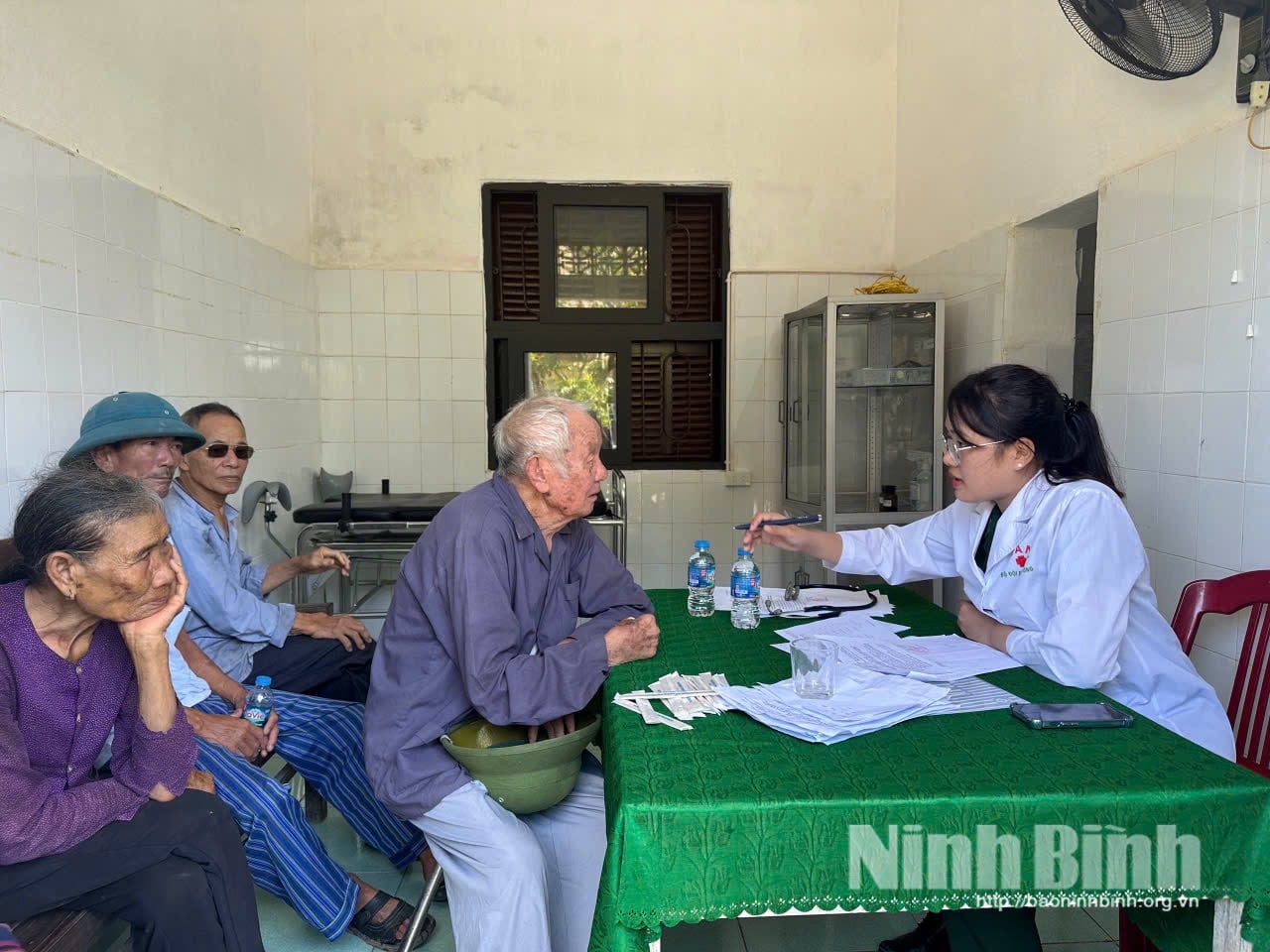
Current situation and challenges from the grassroots
At the Yen Son Village Cultural House, Quynh Luu Commune, the atmosphere of the communication session on the rights, obligations and benefits of elderly health care was lively. This is a regular activity organized by the Provincial Department of Population and Children in coordination with the local government to equip the elderly with self-care skills, from nutrition, sleep to exercise suitable for the physical condition of the elderly.
Here, the elderly are also informed about the right to have a regular health check-up at least once a year, the right to receive priority medical examination and treatment, and knowledge about preventing common chronic diseases such as cardiovascular disease, blood pressure, and diabetes. The practical sharing from the people themselves has made clearer the urgent need for access to medical information in the community.
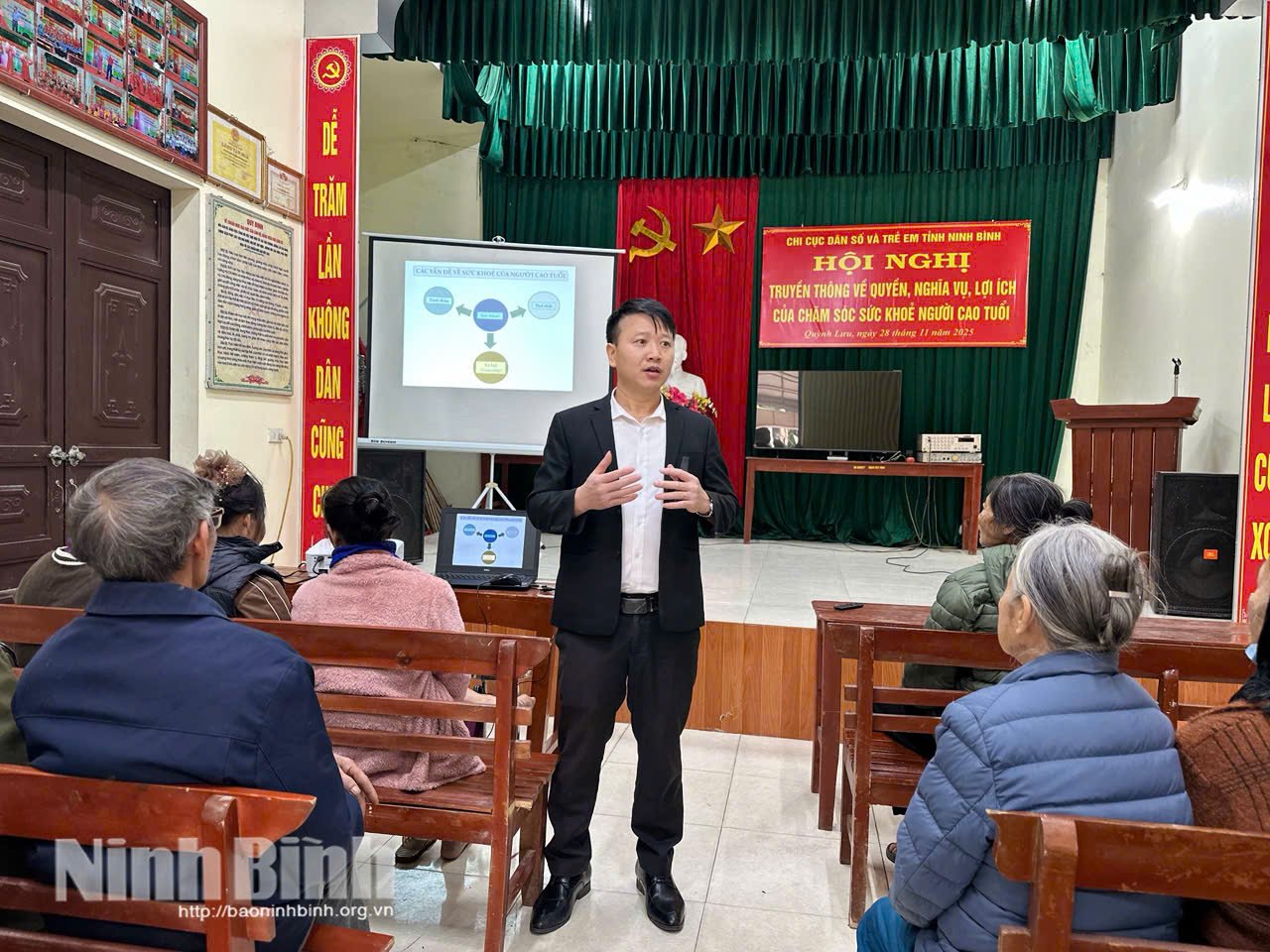
Ms. Le Nguyen Nhung (76 years old, Yen Thinh village, Quynh Luu commune) excitedly shared after being consulted: “In the past, I rarely paid attention to going for check-ups if I did not feel sick or weak. I have never checked my blood pressure or diabetes. Now that the staff has come to my place to propagate, I understand how important regular health check-ups are to prevent diseases early. From now on, I will pay more attention to participating fully.”
Meanwhile, the story of Mr. Dao Sy Ngoan (67 years old, Yen Thanh village, Quynh Luu commune) reflects the health difficulties that many elderly people are facing. He confided: “As I get older, my health deteriorates a lot. I currently have many illnesses, including diabetes and cataracts, so my daily life is difficult and I mainly have to rely on my son and his wife to take care of me. By participating in sessions like this, I hope to receive more guidance on how to eat and exercise properly to improve my health and support my children and grandchildren.”
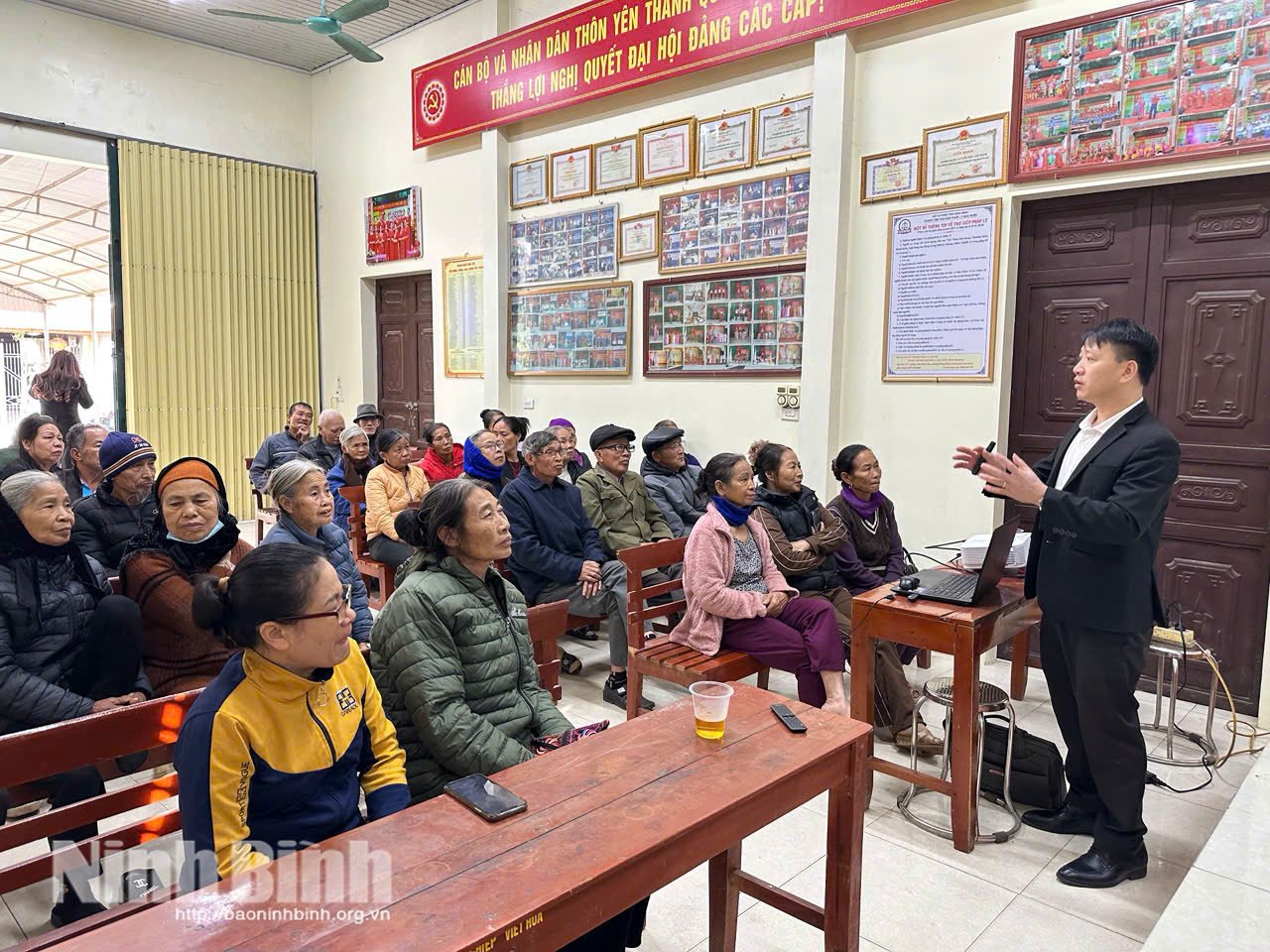
Discussing the work of taking care of the health of the elderly in the province, Mr. Ta Van Hoa, Head of the Department of Population Quality and Health of the Elderly, the Provincial Department of Population and Children said: "The reality at the grassroots level shows that the mentality of "only going for check-ups when sick" still exists among a part of the elderly. Many elderly people are not really interested in regular check-ups to detect chronic diseases early. In addition, some families, due to living conditions, have not paid due attention to taking care of the mental and physical health of elderly relatives."
Mr. Hoa also emphasized the objective challenges: “Many elderly people suffer from bone and joint diseases and dementia, which limit their mobility, making it difficult to access medical services. In addition, the medical staff at the grassroots level in some places still need to be further trained in counseling skills and specialized equipment to better serve geriatric work.” However, according to Mr. Hoa, communication activities are gradually solving practical difficulties.
Positive results
Although there are still many challenges, looking at the overall picture of 15 years (2010-2025) of implementing the Law on the Elderly, the care of the elderly in Ninh Binh province has achieved impressive numbers.
To date, 100% of the elderly aged 75 and over in the province have been granted free health insurance cards. Responding to the program "Bright eyes for the elderly", from 2020 to now, the province has coordinated to examine and consult on eye diseases for free for over 30,000 elderly people, helping to detect and treat promptly, bringing light to many elderly people in difficult circumstances.
Every year, about 300,000 elderly people receive regular health check-ups and over 100,000 elderly people have their health records established at the grassroots health care facility. Although district hospitals have not yet separated their geriatric hospitals, they have arranged examination departments and treatment beds specifically for the elderly.
With the motto "Do not let the elderly be left behind due to poverty or loneliness", the province has paid attention to implementing well the social security policies for the elderly. Currently, the whole province has about 196,653 elderly people (accounting for 25.35%) receiving monthly social benefits and social pensions, ensuring proper procedures and transparency. The work of wishing and celebrating longevity is carried out solemnly. Over the past 14 years, the province has spent over 150 billion VND to organize longevity celebrations for 100% of the elderly at the prescribed ages (70, 75, 80...), demonstrating the respect of the community.
Through social activities, the province has mobilized the construction of over 400 new "Warm old houses" for the elderly in poor households, helping them "settle down" in their old age.
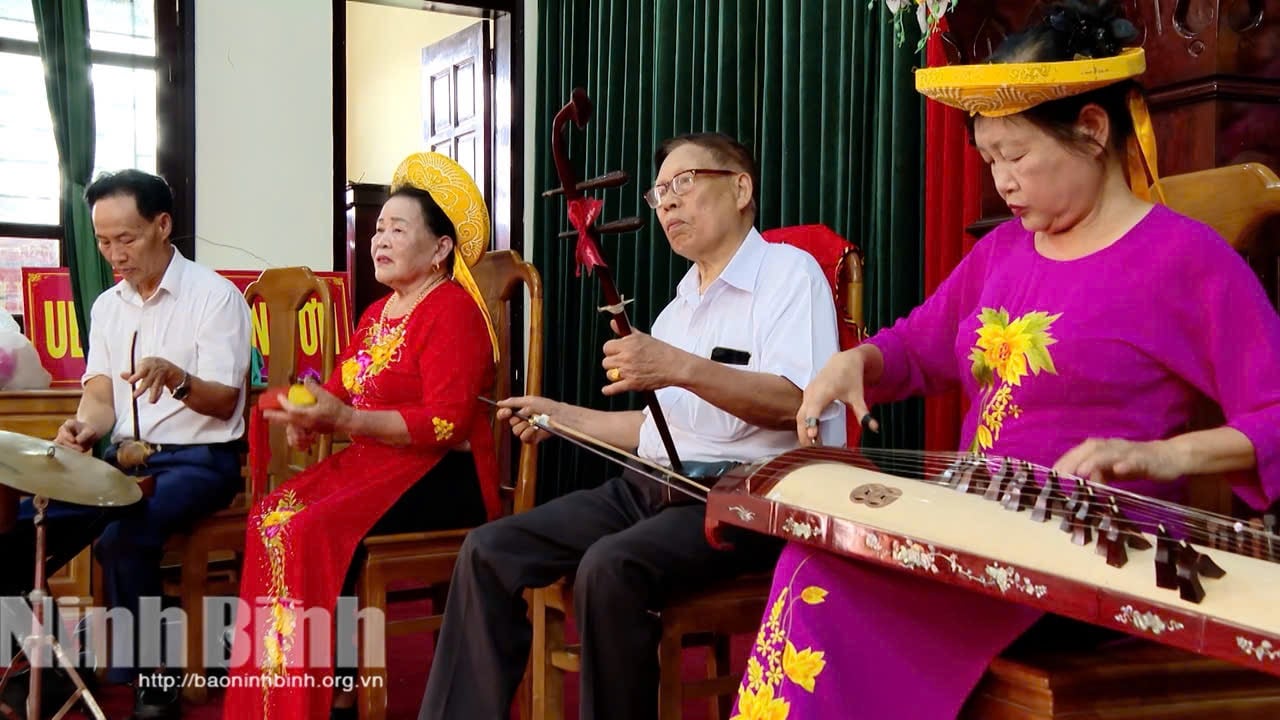
Along with physical health, the mental health of the elderly is also taken care of. By 2025, the rate of communes and wards with cultural and sports clubs for the elderly will reach 100%. The models of Intergenerational Self-Help Clubs and Elderly Health Care Clubs will be replicated and maintained regularly in communes and wards. This is a useful playground for the elderly to exchange, share knowledge and exercise, contributing to improving their spiritual life. Cultural and sports institutions in the province also exempt and reduce entrance and exercise fees, encouraging the elderly to participate in community activities.
These results are clear evidence of Ninh Binh province's commitment to building a friendly living environment where all elderly people are cared for, respected and their roles are promoted.
Continue to care for the community's "valuable capital"
Identifying “population aging” as both an achievement of development and a major challenge for the social security system, in the period of 2025 - 2030, Ninh Binh province will focus resources on synchronously implementing strategic solutions, shifting the focus from “disease treatment” to “comprehensive care and prevention”. The goal is to not leave any elderly person behind in accessing health services.
Accordingly, the province will prioritize resources to upgrade equipment and infrastructure for district hospitals, strive to establish Geriatric Departments at provincial and district general hospitals to provide specialized treatment for this group of people. At the same time, strengthen training and fostering in-depth expertise in geriatrics, rehabilitation and traditional medicine for medical staff from the province to the grassroots level, overcoming the current shortage of specialized human resources.
Special, Promote primary health care in the community, using grassroots health care as the "gatekeeper" for the health of the elderly. Continue to review, establish and manage electronic health records for the elderly, ensuring that they are closely monitored for chronic non-communicable diseases (cardiovascular, blood pressure, diabetes) right at the Commune Health Station. Encourage and support the development of a network of home health care services based on the principles of family medicine, helping to reduce the burden on upper-level hospitals and create maximum convenience for the elderly with difficulty in traveling.
In addition, we will focus on innovating and diversifying communication work with the view that "changing awareness is the key to changing behavior". Along with live talks at village cultural houses, the Population sector will promote communication on digital technology platforms, social networks and grassroots loudspeaker systems so that health care knowledge penetrates deeply into each household. In particular, we will focus on disseminating knowledge about nutrition, appropriate physical training and self-care skills, preventing common injuries (falls) in the elderly.
In addition, the province will also mobilize the strength of the whole society to take care of the "valuable capital" of the community. Continue to maintain and expand the model of Intergenerational Self-Help Clubs and health and art clubs in 100% of communes and wards. This is not only a place for cultural activities but also a "fulcrum" for members to support each other in economic development, poverty reduction and physical and mental health care.
The province is also researching and recommending that competent authorities consider lowering the age for receiving social assistance and expanding the beneficiaries so that the "safety net" can cover more widely the elderly in difficult circumstances.
With these methodical and specific steps, Ninh Binh is gradually realizing the goal of building a society where the elderly not only "live long" but also "live healthy, happy and useful lives".
Source: https://baoninhbinh.org.vn/ninh-binh-chu-trong-cong-tac-cham-soc-suc-khoe-toan-dien-cho-nguoi-cao-tuoi-251201233703350.html


![[Photo] Worshiping the Tuyet Son statue - a nearly 400-year-old treasure at Keo Pagoda](/_next/image?url=https%3A%2F%2Fvphoto.vietnam.vn%2Fthumb%2F1200x675%2Fvietnam%2Fresource%2FIMAGE%2F2025%2F12%2F02%2F1764679323086_ndo_br_tempimageomw0hi-4884-jpg.webp&w=3840&q=75)
![[Photo] Parade to celebrate the 50th anniversary of Laos' National Day](/_next/image?url=https%3A%2F%2Fvphoto.vietnam.vn%2Fthumb%2F1200x675%2Fvietnam%2Fresource%2FIMAGE%2F2025%2F12%2F02%2F1764691918289_ndo_br_0-jpg.webp&w=3840&q=75)













































































Comment (0)