Quang Ninh has marked significant progress in promoting gender equality, especially in areas inhabited by ethnic minorities.
During the 2021-2025 period, many practical mechanisms and policies were issued, directly targeting vulnerable women and children in ethnic minority areas. Resolutions related to socio -economic development, social assistance, and support for voluntary social insurance were not merely guidelines but were implemented synchronously, yielding clear results. In particular, the integration of gender equality into socio-economic development programs has transformed this issue from a slogan into concrete actions in every aspect of life.
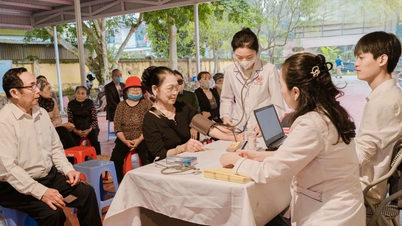
A notable highlight is the implementation of Project 8 – a program aimed at addressing pressing issues for women and children in ethnic minority areas. Through models such as community communication groups, domestic violence prevention clubs, and "trusted addresses" at the grassroots level, women have found more places to share their problems, receive support, and be protected.

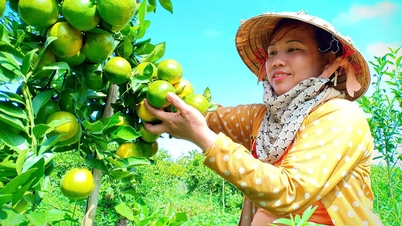
Dao ethnic tour guide at Ky Thuong Am Vap Farm. Photo: Ky Thuong Am Vap Farm
In reality, a change in perception is the most important key to promoting gender equality. After implementing comprehensive solutions, many outdated customs have gradually been eliminated. Child marriage has decreased sharply, in some places by more than 97%, and for many years there have been no recorded cases of consanguineous marriage.
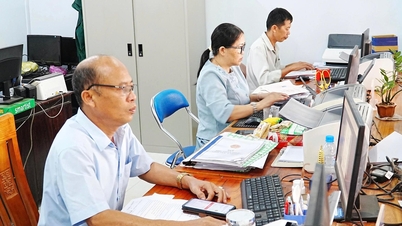
Alongside this shift in perception is an improvement in the role of women in economic development. More and more ethnic minority women are confidently participating in productive labor, taking control of their family finances, and accessing new technologies. They are no longer confined to traditional jobs but have boldly ventured into various other fields.
A prime example is the community-based tourism model at Ky Thuong Am Vap Farm. Here, Dao ethnic women not only participate in labor but also become "cultural ambassadors," directly introducing traditional beauty to tourists. They receive professional training, know how to organize services, guide visitors, and participate in experiential activities. From being dependent on agriculture, they can now generate a stable income from the cultural values of their ethnic group. This not only improves their lives but also contributes to affirming the position of women in the community.
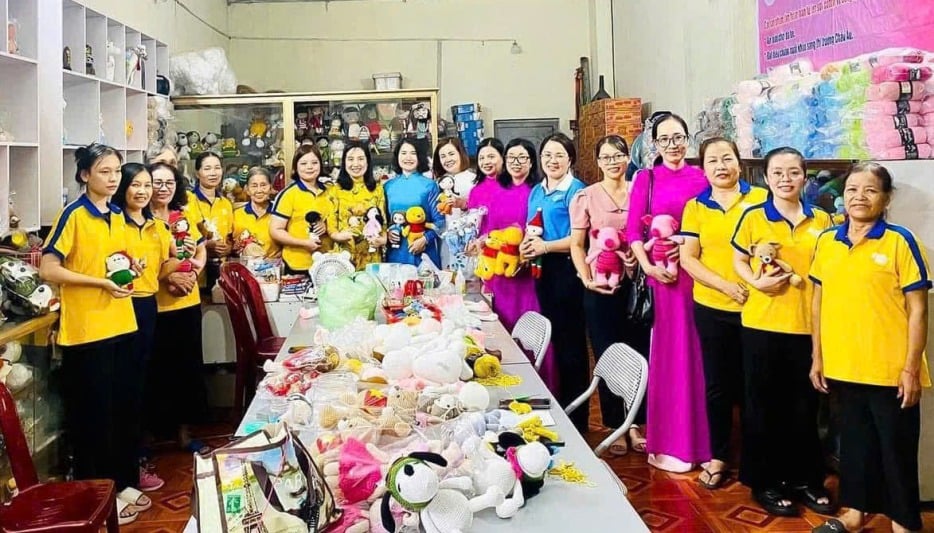
The majority of the members of Linh's Crochet Trading Company Limited (Yen Tu Ward) are women from ethnic minority groups.
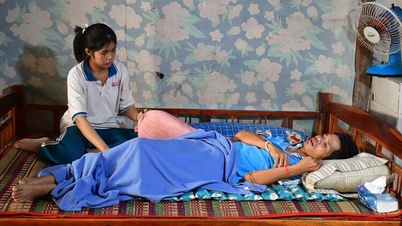
Beyond economic development, many models have become a support system for disadvantaged ethnic minority women on their journey to self-improvement. A prime example is Linh's Crochet Trading Company Limited in Yen Tu ward – a place that not only creates jobs but also provides opportunities for vocational training, skill development, and self-confidence for dozens of ethnic minority women workers. There, each woman is listened to and guided according to her individual abilities, gradually learning the craft. This sharing and understanding has contributed to creating a compassionate and equal working environment.
These models demonstrate a reality: when given the right opportunities and support, ethnic minority women can fully develop their abilities and make positive contributions to overall development. Gender equality, therefore, is not just a matter of rights, but also a driving force for socio-economic progress.
It can be affirmed that the effort to build gender equality in ethnic minority areas is not a matter of a day or two, but a long journey requiring perseverance and the joint efforts of the entire society.
Hoai Minh
Source: https://baoquangninh.vn/no-luc-thuc-hien-binh-dang-gioi-vung-dong-bao-dan-toc-thieu-so-3407634.html























































































Comment (0)