

Alarming reality
"If there were regulations restricting children's use of phones and social media, like in some European countries, I would fully support it," shared Ms. Dao Thi Loan (Kien An ward) when mentioning her son, who is in 7th grade. Despite repeated reminders and even confiscation of his phone, her son still finds ways to use it. "At times, he reacted negatively, refused to eat, and limited his social interactions; his studies suffered, and he showed signs of dependence on video games," Ms. Loan said.
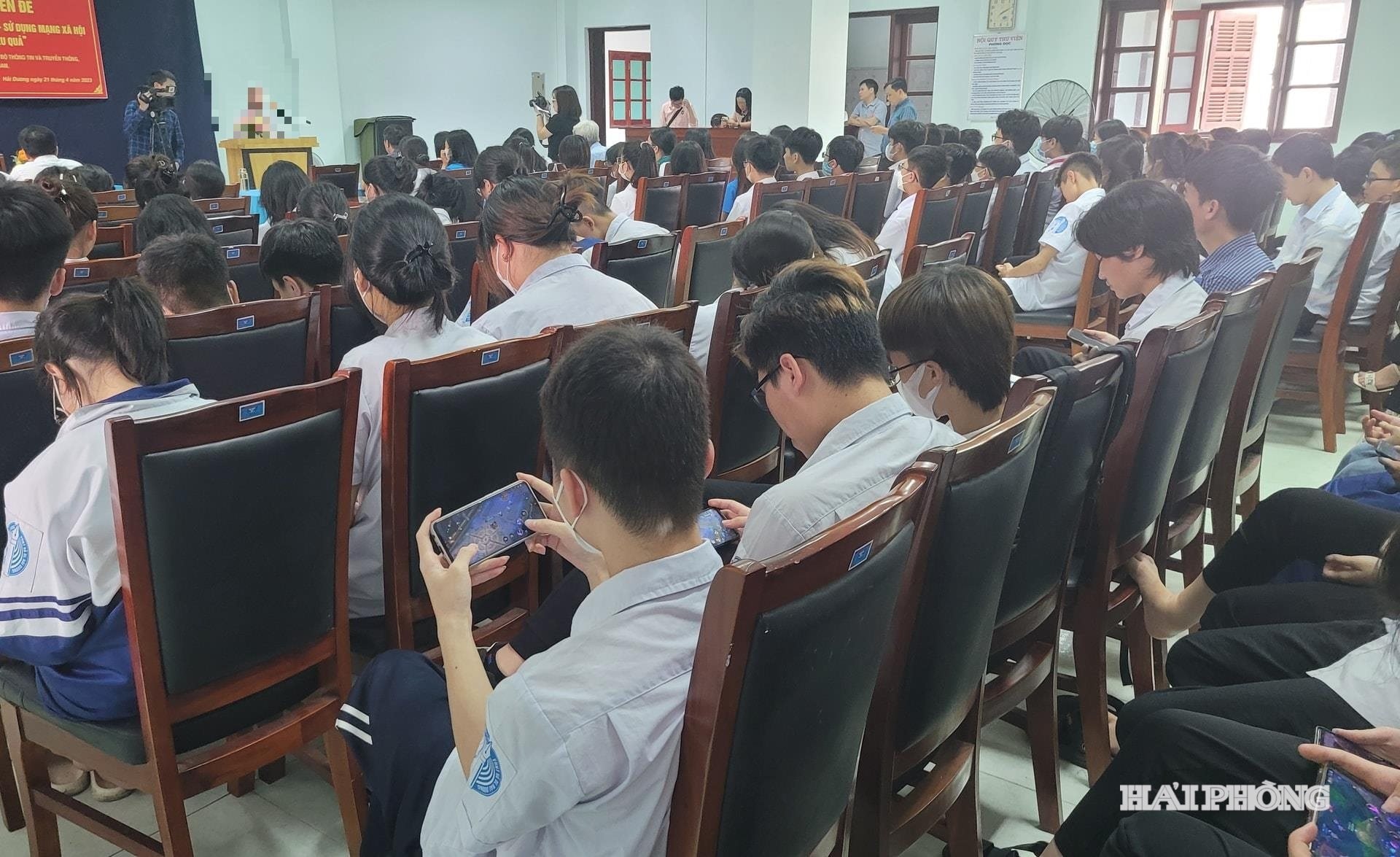
In many residential areas throughout the city, it's not uncommon to see groups of students sitting together, each engrossed in their own phone, engaging in little conversation and physical activity. Ms. Do Thi Oanh, a teacher at Pham Tran Secondary School (Truong Tan commune), noted that many students have a habit of staying up late playing games or browsing social media, leading to fatigue and a lack of concentration in class; some even find ways to use their phones during lessons. These behaviors demonstrate a growing trend of students' dependence on the digital environment.
A survey conducted by a research team from Hai Duong University revealed that 25.7% of the students surveyed showed mild signs of social media dependence, 11.8% at a moderate level, and 4.7% at a severe level. The consequences were evident in the fact that 79.3% of students experienced decreased concentration in their studies, 73.9% failed to complete their assignments, and over 66% were affected by online verbal abuse.
Social media and online games not only affect academics but also impact students' perceptions and behavior. Some students tend to imitate negative behaviors and are easily drawn into unhealthy trends and deviant conduct.
According to experts, excessive use of electronic devices not only affects academic performance but also has negative consequences for physical and mental health. Children are at risk of vision problems, sleep disorders, and reduced concentration; in the long term, this can lead to anxiety, depression, and behavioral disorders. Overuse of phones also limits social interaction, deprives students of essential life skills, makes them more withdrawn, or leads to negative behaviors.
Family and school working together
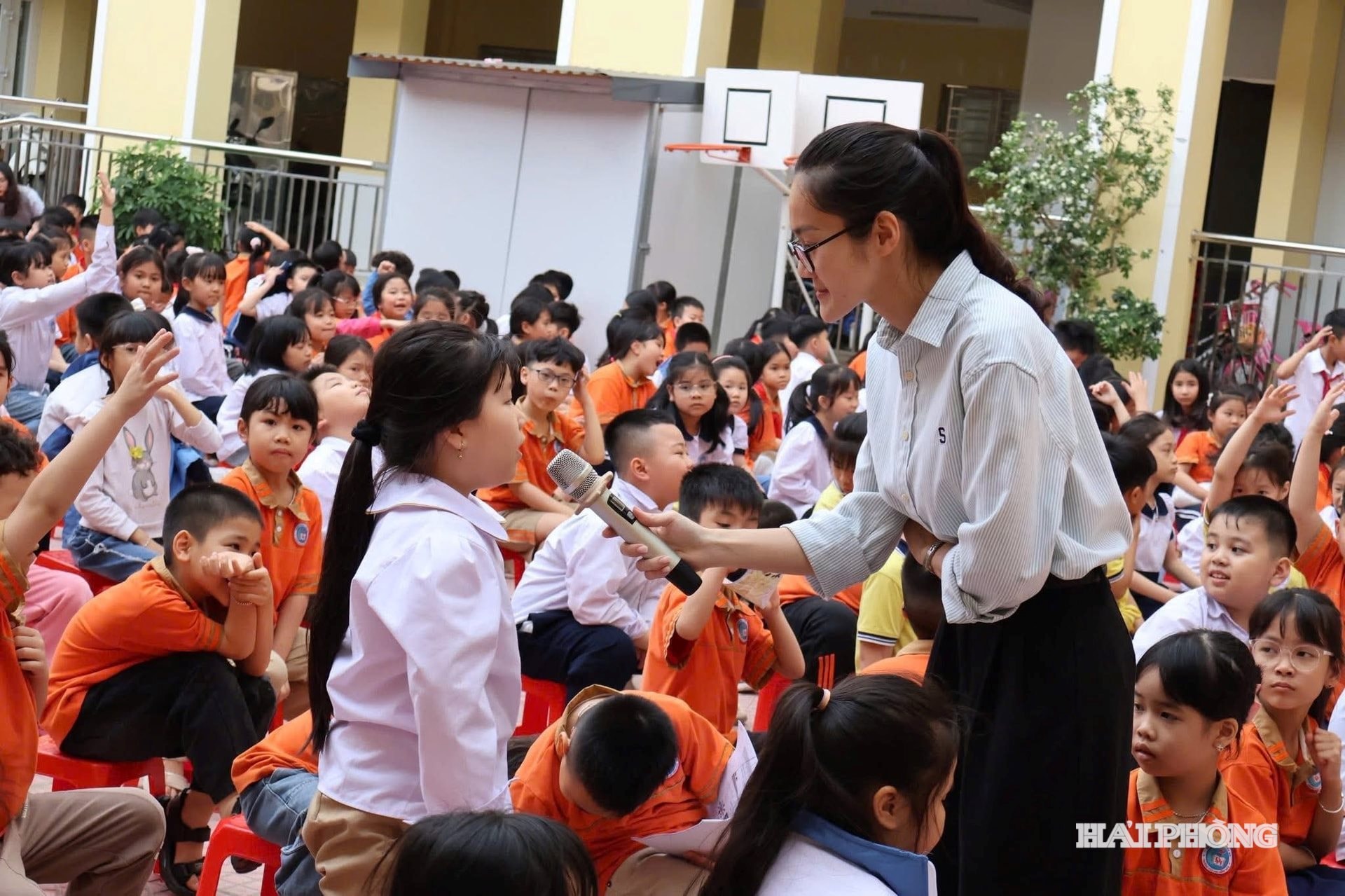
The dependence on social media and video games among children partly stems from a lack of adult supervision. Many experts believe that when there is a lack of attention and sharing from family, electronic devices easily become a place where children turn to release their emotions.
According to psychologist Tran Thi Tuyet Hong, who works at the Central Psychiatric Hospital No. 1, in modern life, many parents, due to the demands of making a living, have little time to spend with their children. This lack of connection makes children prone to loneliness, difficulties in learning and relationships, and a lack of ability to share their feelings. In such cases, social media and online games become alternative choices, leading to the risk of dependence.
Restricting children's use of social media and video games cannot rely on rigid measures or prohibitions. More importantly, it requires building strong family bonds. Parents need to proactively spend time with their children, talking to them, listening to understand their needs and psychology. When children feel cared for, their need to seek out the virtual world will decrease.
The role of adults as role models is crucial. If parents frequently use their phones, asking children to limit their use will be unconvincing. Small changes, such as reducing screen time and increasing face-to-face interaction within the family, can make a positive difference.
Guidance should be flexible at each age. For young children, prioritize playful activities and direct interaction to develop social skills and healthy habits. For middle school students, parents can encourage participation in sports , extracurricular activities, or suitable household chores. For high school students, the use of devices is necessary but needs to be controlled and guided for the right educational purposes, avoiding excessive entertainment.
Besides family, schools play a crucial role in creating a positive alternative environment. Organizing cultural, sports, and arts clubs not only helps students relieve stress but also increases opportunities for communication, skill development, and gradually reduces dependence on electronic devices.
LE HUONGSource: https://baohaiphong.vn/noi-lo-tre-em-ham-thiet-bi-dien-tu-539746.html








































































































Comment (0)