


The cultural land of the Đoài region
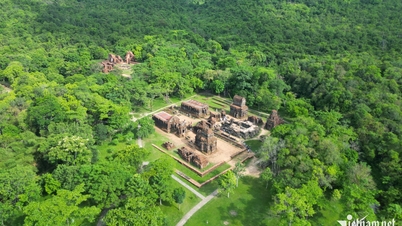
O Dien is an ancient land deeply marked by the culture of the Doai region. Currently, the commune has 67 historical relics, notably the Van Hien Temple, Van Xuan communal house, Hai Giac pagoda, and Voi Phuc shrine… In particular, it preserves the remains of the ancient O Dien citadel – considered the capital of the Van Xuan State in the 6th century and the birthplace of the famous figure To Hien Thanh.
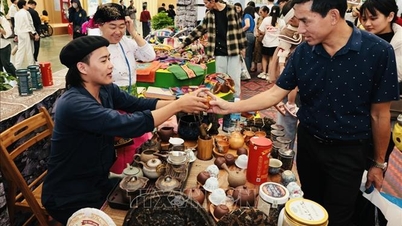
Besides its rich history, O Dien also possesses many unique intangible cultural values such as the Cheo Tau Tong Goi folk opera, the kite-making craft of Ba Duong Noi village, along with OCOP products and traditional crafts with potential for tourism development, and a lifestyle deeply rooted in local identity. This is considered an important foundation for developing experiential tourism, closely linked to the community.
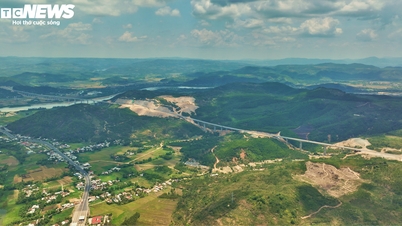
Located near the center of Hanoi, the commune has the advantage of attracting short-term tourists and connecting with Red River tourist routes as well as cultural destinations in the West. Basic transportation infrastructure is well-developed, facilitating connections between tourist spots.
Currently, tourism activities are mainly concentrated at Ha Mo site, with approximately 25,000 visitors in 2025, primarily for sightseeing and experiencing historical sites; however, accompanying services are limited, resulting in low exploitation efficiency.
A unique mark on the capital's tourism map.
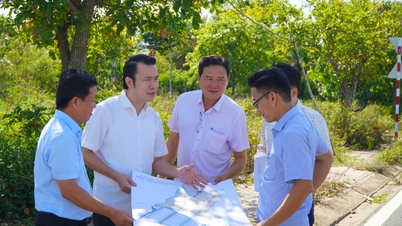
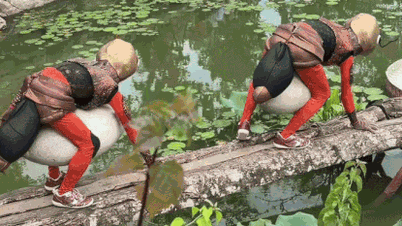
As part of the program, delegates surveyed several destinations such as: Dieu Temple, Van Son Mausoleum, Van Xuan Temple, Hai Giac Pagoda, Van Hien Temple; Ham Rong Temple... and also experienced tourism products such as the "Path of Learning," Cheo Tau Tong Goi singing, kite making, and local cuisine .
Emphasizing the importance of connecting tourist destinations in O Dien commune with travel businesses, Deputy Director of the Hanoi Department of Tourism Nguyen Tran Quang said: Each locality has tourism products that showcase its unique value and serve as a means of promoting the local image. However, if these products remain fragmented, the effectiveness will not be high.
Mr. Nguyen Tran Quang suggested that, based on the results of the field survey in the locality, delegates should focus on assessing the advantages and exploitation potential of tourist destinations in the area, as a basis for proposing appropriate development directions; at the same time, they should exchange ideas and provide feedback on building distinctive tourism products, proposing solutions to improve service quality and strengthen connections between destinations. In addition, it is necessary to promote linkages between localities and businesses through coordination mechanisms, information sharing, and effective cooperation methods, contributing to perfecting the sustainable tourism development orientation and maximizing existing potential.
To develop the tourism potential of O Dien commune, Mr. Nguyen Tien Dat, Vice Chairman of the Hanoi Tourism Association, suggested that special attention should be paid to improving the quality of tour guiding at destinations, focusing on direct, lively, and people-centered approaches instead of relying solely on technology. At the same time, the locality should concentrate on developing tourism products linked to authentic cultural experiences, tailored to different groups of visitors such as students and international tourists.
In addition, it is necessary to systematically organize ethnic cultural activities and programs to create highlights, enhance attractiveness, and retain tourists; thereby encouraging tourists to share their experiences on social media, contributing to promoting the image of local tourism.

According to travel agencies, O Dien has the potential to develop day tours thanks to its proximity to Hanoi's city center, rich cultural resources, and rural atmosphere. However, to effectively exploit this potential, the locality needs to continue improving tourism products and attractions, as well as enhancing tourism skills for its residents.
Ms. Dang Thi Tho, Head Representative of Phoenix Travel, suggested that localities should focus on selecting 1-2 outstanding points to invest in and develop into flagship tourism products instead of spreading themselves too thin; and at the same time, "transform heritage into assets" by linking them with cultural and educational experiences to generate revenue.
In addition, it is necessary to invest in synchronized infrastructure and accompanying services such as parking, food and beverage, sanitation, and experiential spaces; expanding products beyond spiritual tourism to include cuisine, traditional crafts, and experiences to increase attractiveness. Through this, we can gradually build a unique brand for the destination, create complete tour packages, and attract tourists.
According to Bui Thi Thu Hang, Vice Chairman of the People's Committee of O Dien commune, the future development orientation for tourism in O Dien commune is to develop cultural and experiential tourism; develop craft village tourism associated with cuisine and OCOP products; and at the same time promote digital transformation and improve the quality of tourism organization and management in the area.
With its advantageous location near the city center, rich cultural heritage, and abundant historical sites, O Dien is poised to become a new cultural and experiential tourism destination in Hanoi. In the context of increasing demand for authentic tourist spaces, sustainable development linked to the preservation of traditional values will be key to the locality creating its own unique identity on the capital's tourism map in the future.
Source: https://baotintuc.vn/du-lich/o-dien-lan-gio-moi-cua-du-lich-ha-noi-20260424165346768.htm
















































































Comment (0)