

This year, Mr. Tran Van Vong's family (Hong Vuong village, Can Loc commune) planted 1.5 acres of rice during the summer-autumn crop season. However, just 5 days after sowing, about 50% of the rice plants, which had only produced 1-2 tillers, were destroyed by golden apple snails.
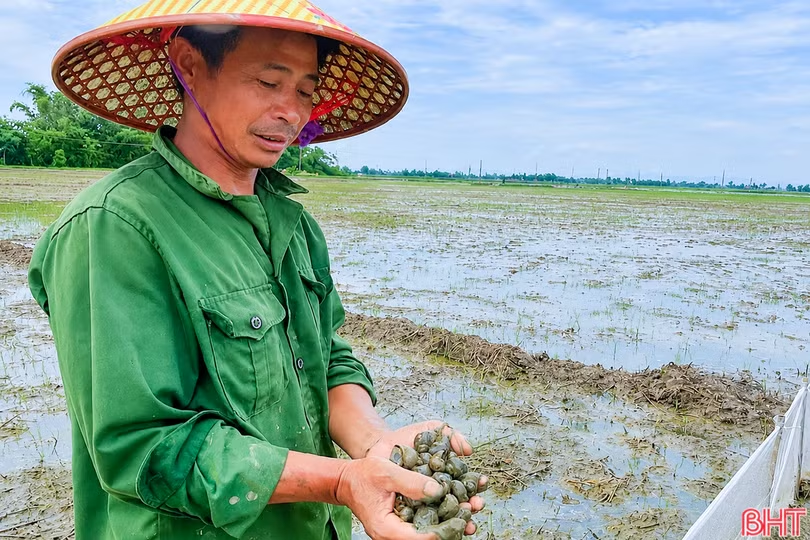
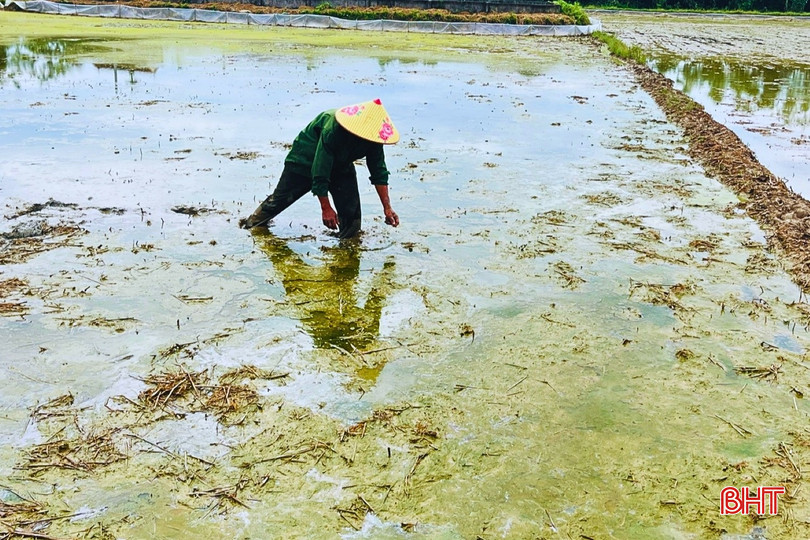
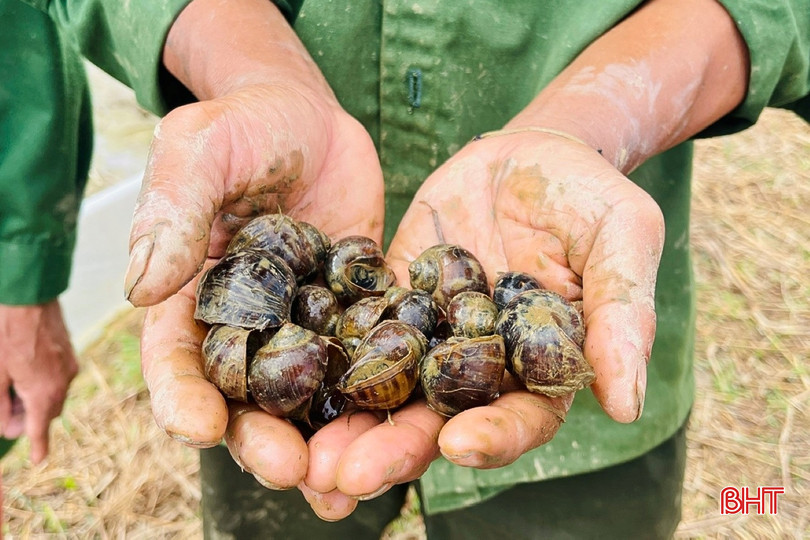
To save the remaining rice crop, Mr. Vong and his family members take turns going to the fields every day to catch golden apple snails. However, due to the large area affected and the rapid growth of the snails, the control process is proving very difficult.
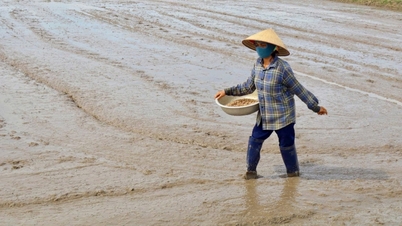
Mr. Vong said: "My family has to constantly go to the fields. Some people spray snail killer, some mix the pesticide with sand to spread, and some catch them manually, but the effectiveness is still not high. My family alone has had to replant nearly half of our summer-autumn rice crop."
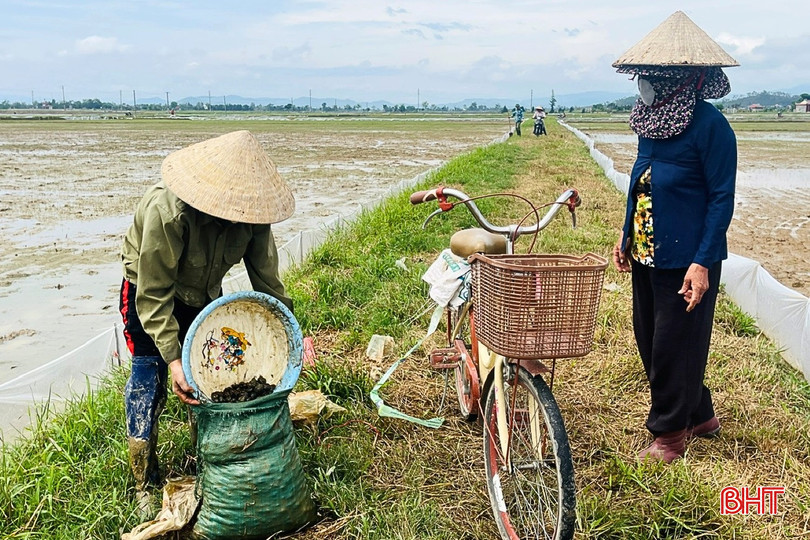
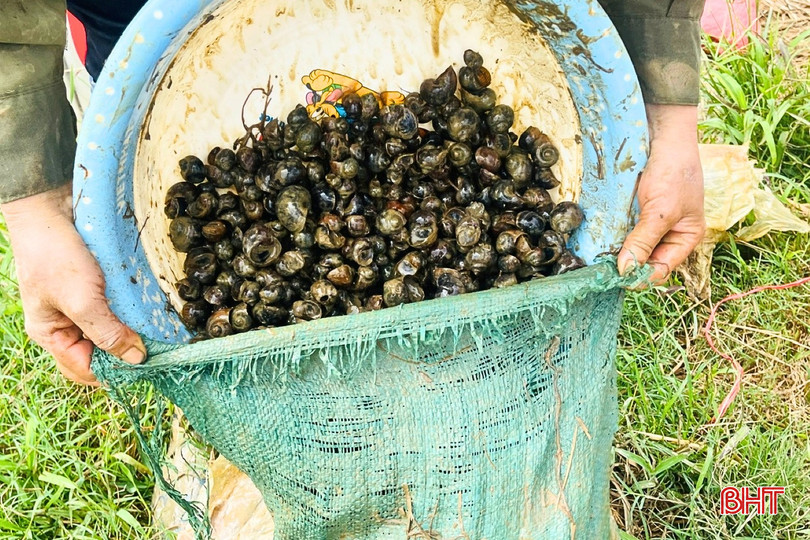
In order to ensure the summer-autumn crop season, the people of Hong Vuong village have completed planting over 88 hectares of rice in recent days. However, just 3-5 days after sowing, many areas have been damaged by golden apple snails. According to the village's statistics, about 10 hectares have been severely damaged and must be replanted; many other areas have also been partially affected.
Mr. Tran Van Binh, head of Hong Vuong village (Can Loc commune), said: "Although people have implemented many solutions such as manually catching snails and spraying snail-killing chemicals, the effectiveness has not been high. Especially for areas located along the river, they suffer losses due to deep flooding."
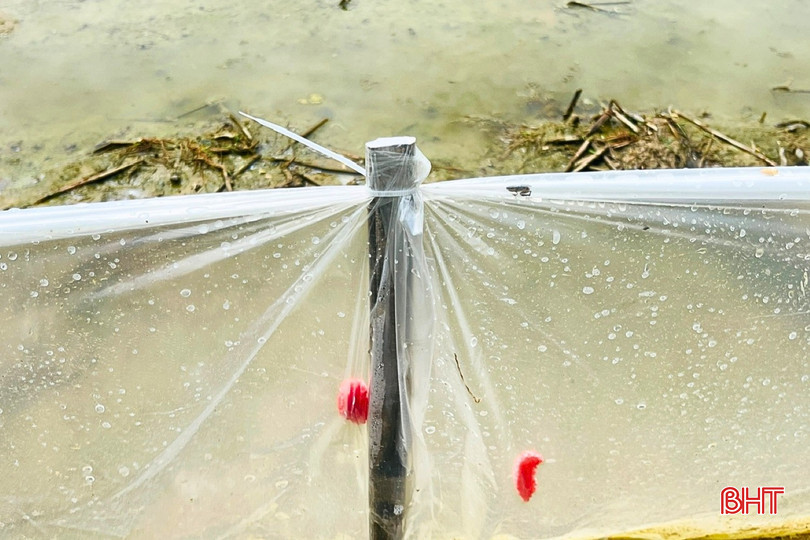
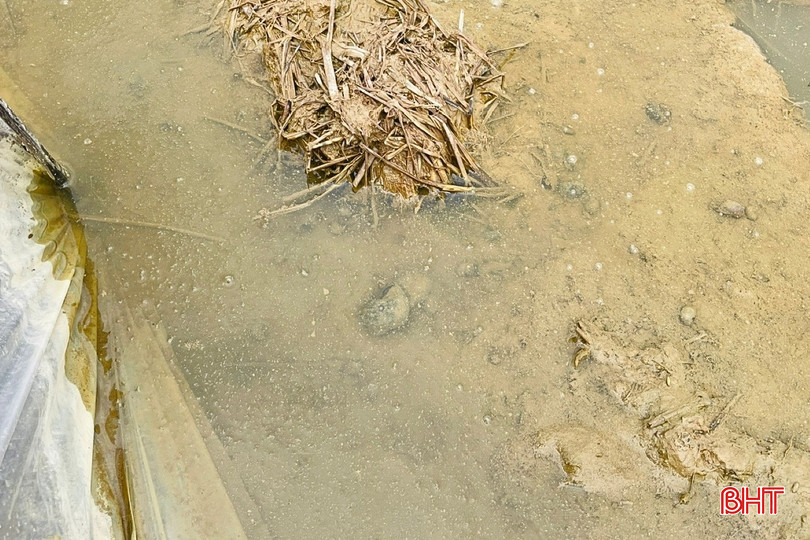
Not only in Hong Vuong village, but also in Dong Hue village (Can Loc commune), many areas of newly sown summer-autumn rice, just 1-2 days old, have seen a fairly high density of golden apple snails. The people are extremely worried because if timely control measures are not taken, in just a few days, when the rice takes root and begins to tiller, the risk of being destroyed by golden apple snails is very high.
According to local government statistics, the entire Can Loc commune has planted approximately 700 hectares of summer-autumn rice. However, a large portion of the area has been infested with golden apple snails at a fairly high density. Of this, about 70 hectares in the riverside fields of villages such as Hong Vuong, Dong My, Vinh Phong, Ha Vang, Dong Hue, etc., have been severely affected.
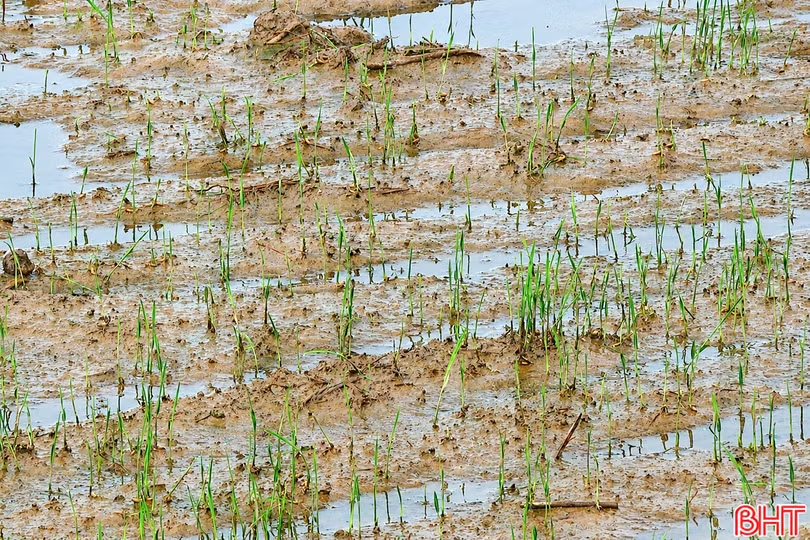
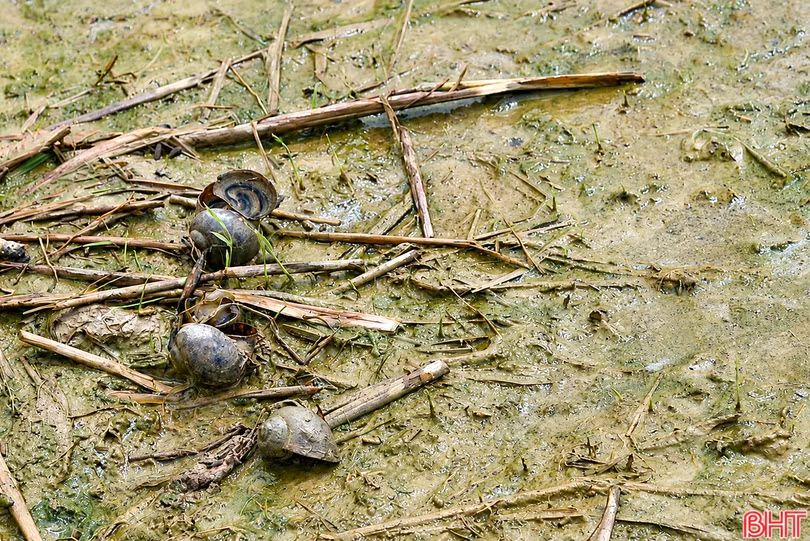
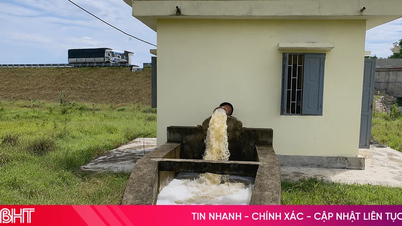
The main reason is that this year's spring harvest saw several periods of heavy rain, causing prolonged waterlogging in the rice fields. In addition, the summer-autumn planting season continued with rain, making drainage difficult and creating favorable conditions for golden apple snails to grow and spread in high densities.
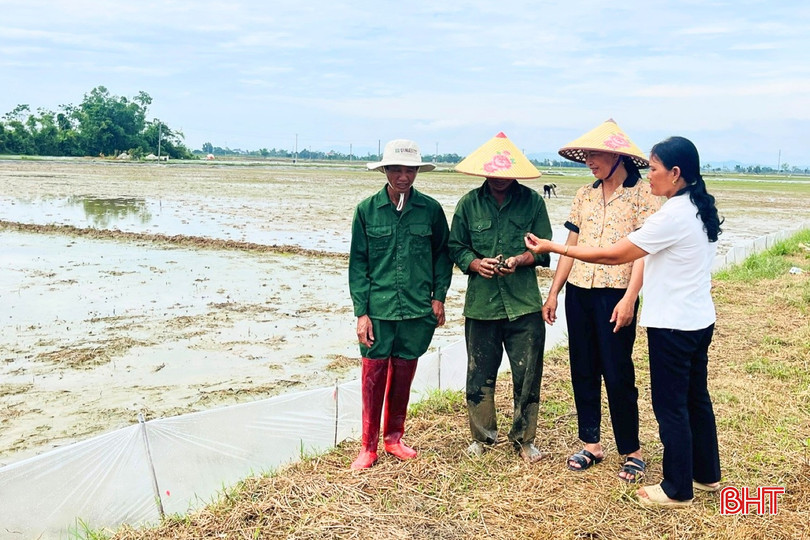
Currently, many households in the agricultural areas along the Nghèn River are mobilizing manpower to be on standby in the fields to contain and treat golden apple snails in order to limit the spread of damage. Despite applying multiple measures simultaneously, the effectiveness remains low because the snails proliferate rapidly under conditions of prolonged rain and flooded fields. Local authorities are also intensifying their monitoring of the situation and guiding people in implementing appropriate control measures.
Ms. Vo Thi Mai Trang, a specialist from the Economic Department of the People's Committee of Can Loc commune, informed: "Given the complex weather conditions, the local government has advised people to increase field inspections and proactively eliminate golden apple snails from the early stages. Besides manual catching and using pesticides correctly, we are also focusing on guiding people to regulate water sources and clean the fields. However, the biggest difficulty currently is that the weather continues to rain while the water in the Nghen River system drains slowly, causing prolonged flooding. This also creates favorable conditions for golden apple snails to proliferate and cause more serious damage to rice crops."
Source: https://baohatinh.vn/oc-buou-vang-bung-phat-nong-dan-can-loc-chat-vat-cuu-lua-post310910.html






















































































Comment (0)