

From brocade weaving, knitting, hand forging, agricultural processing… to products associated with indigenous knowledge, traditional culture is not only preserved but also becomes an important “material” to create added value for local goods. When culture becomes a competitive advantage, products from disadvantaged areas have the opportunity to enter a larger market, contributing significantly to the goal of sustainable poverty reduction.
Culture – the "soul" of local products
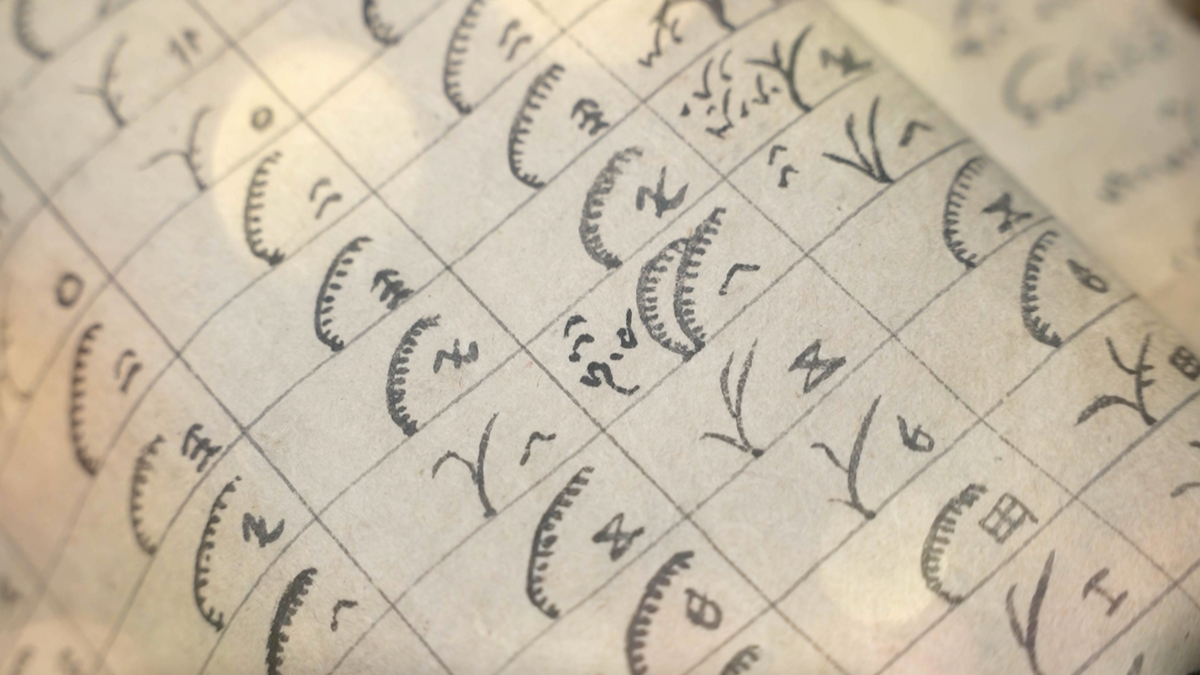
In many ethnic minority communities, traditional crafts were formed hundreds of years ago, containing the quintessence of culture and unique indigenous knowledge. If in the past these crafts mainly served the living needs of families and communities, now, under the impact of tourism and modern consumer demand, traditional handicraft products are increasingly gaining attention.
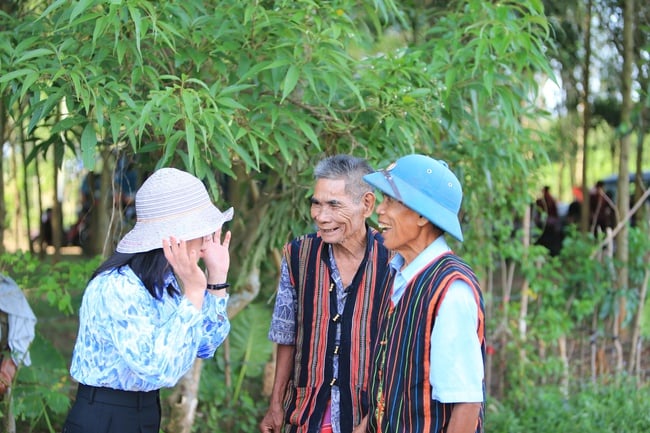
The strong recovery of the community tourism market and the trend of using handmade products have helped traditional crafts "revive".
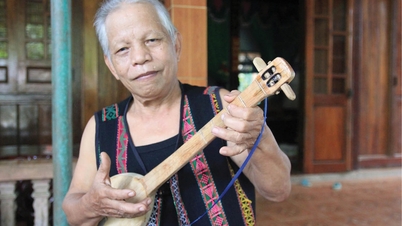
The brocades of the Mong, Dao, Tay people; the bamboo and rattan baskets of the Ede and Ba Na people; the forged items of the Nung people; the musical instruments of the Gia Rai people… all have patterns, motifs, and designs that reflect the spiritual life of the community. It is this “uniqueness” that makes ethnic handicrafts become goods of high cultural value, attractive to tourists and the gift market.
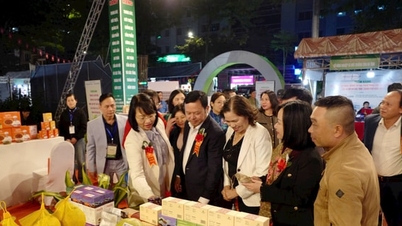
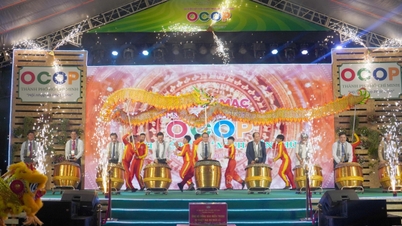
Thanks to knowing how to exploit their identity, many localities have turned traditional products into OCOP products (One Commune One Product Program) - opening up opportunities to access markets outside the province, even internationally.
In many highland villages, weaving was once in decline because young people left their hometowns to work as factory workers or because handmade products had difficulty competing with cheap industrial products. However, the strong recovery of the community tourism market and the trend of using handmade products has helped the traditional craft to "revive".
In Lao Cai , brocade cooperatives in Sa Pa and Bac Ha are developing according to the production-tourism-trade model. Elderly artisans pass on their skills to women and young people, creating jobs on the spot and increasing stable income. Some brocade products have been redesigned in a modern style, bringing traditional patterns to handbags, scarves, coats, and even interior decorations.
In the Central Highlands, the delicately crafted bamboo and rattan baskets, jars, jewelry bracelets, etc. not only serve daily life but also become popular gifts. Many villages have established weaving cooperatives to produce according to orders from tourism businesses.
Thanks to the restoration of traditional crafts, many households have a stable income of 3-5 million VND/month just by knitting or weaving brocade in their spare time - a large source of income for disadvantaged areas.
When traditional culture is "upgraded" thanks to tourism
Community tourism is becoming an important driving force to enhance the value of traditional cultural products. Many provinces have exploited the model of “craft villages – tourism” to bring tourists to directly experience the product making process.
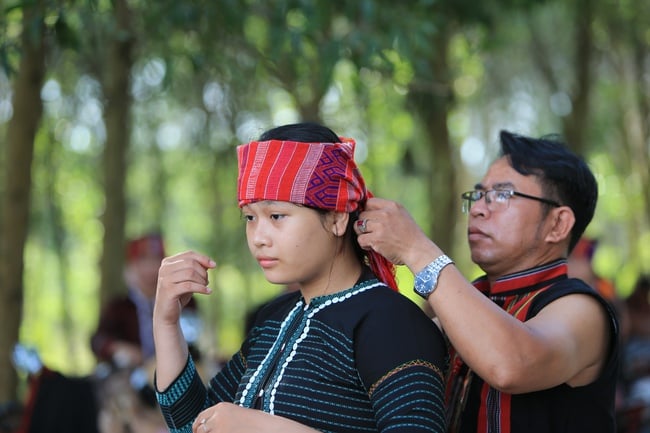
This experience gives the product a higher emotional value.
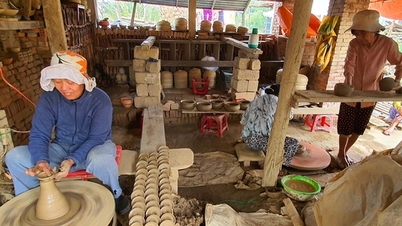
Visitors not only buy goods but also watch artisans weave fabrics, embroider patterns, make jewelry, dye fabrics with forest leaves, learn how to set up looms, and learn the meaning of traditional patterns....
This experience gives the product a higher emotional value, and allows it to be sold at a better price while still satisfying the consumer. As a result, traditional handicrafts are no longer considered “cheap souvenirs” but become valuable cultural products.
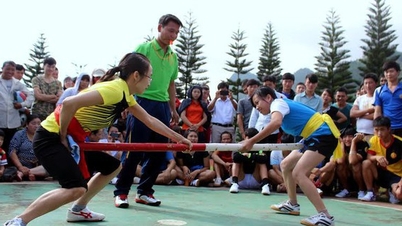
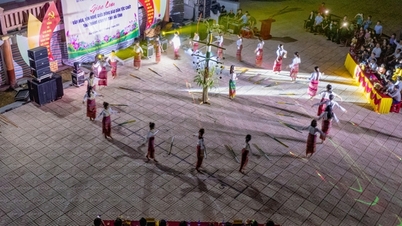
Many localities have organized fairs, cultural festivals, and highland markets, thereby supporting more widespread consumption of traditional products.
For local products to compete in the market, creativity based on identity is a must. Many cooperatives and businesses have started to develop beautiful, culturally distinctive packaging, register collective trademarks for products, apply digital technology to sell products, and combine traditional materials with modern designs.
The highlight of this model is: culture is not displayed in museums but brought into life in a new way. Some successful products include: ethnic brocade handbags with leather combination of Mong women, Co Tu brocade scarves using modern color tones, products using indigenous motifs printed on T-shirts, ceramic cups, decorative paintings, bamboo household items covered with biological paint, suitable for young people's tastes...
Thanks to the harmonious combination of tradition and modernity, product value is increased many times, leading to increased income of people.
One positive point is that traditional handicraft production is suitable for women and young people – a large force in disadvantaged areas. Many ethnic minority women do not have the conditions to work far from home, but can participate in weaving, embroidery, and knitting right at home.
Many cooperatives led by women have been formed, creating an environment that empowers women, helping them become financially independent, reduce dependence and improve their status in the family.
Young people have strengths in foreign languages, technology, and communications. Many young people have become “cultural ambassadors”, supporting the promotion of OCOP products, selling on digital platforms, livestreaming product introductions, and connecting with tourism businesses.
Source: https://bvhttdl.gov.vn/phat-huy-ban-sac-van-hoa-truyen-thong-de-tao-gia-tri-gia-tang-cho-san-pham-dia-phuong-20251201090137194.htm
![[Photo] Prime Minister Pham Minh Chinh receives President of Cuba's Latin American News Agency](/_next/image?url=https%3A%2F%2Fvphoto.vietnam.vn%2Fthumb%2F1200x675%2Fvietnam%2Fresource%2FIMAGE%2F2025%2F12%2F01%2F1764569497815_dsc-2890-jpg.webp&w=3840&q=75)





























































Comment (0)