


The province currently has 6,132 hectares of tea plantations, with an estimated annual production of over 56,000 tons of fresh tea leaves. Tea plants thrive in the communes and wards of the Moc Chau plateau, as well as in Binh Thuan, Muong E, Phieng Cam, Ta Xua, Phieng Khoai, and To Mua communes. Tea plants have a history of taking root and flourishing for hundreds of years in the Son La region; many tea-growing areas have been recognized as Vietnamese Heritage Trees by the Vietnam Association for the Protection of Nature and Environment, such as: the cluster of 57 ancient Shan Tuyet tea trees at Co Do Moc Chau Tea Joint Stock Company, Thao Nguyen ward; the cluster of 200 ancient Shan Tuyet tea trees in Be village, Ta Xua commune; 105 Shan Tuyet tea trees in Pan Ngua and Cho Day villages, To Mua commune; and 9 ancient Shan Tuyet tea trees in On Oc village, Chieng Hac commune.
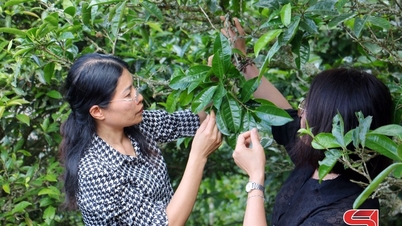
Commonly found in regions with ancient tea trees are those located at altitudes above 1,000 meters above sea level, with trees aged 100-200 years. These ancient tea trees are 2-3 meters tall, with white, mossy trunks, and buds and leaves covered in a thin layer of downy hairs resembling snow. Processed tea from these ancient trees has a slightly bitter and astringent taste initially, but leaves a deep, sweet aftertaste, making it highly sought after. Currently, many of these ancient tea-growing regions have become attractive destinations and offer fascinating experiences for tourists.
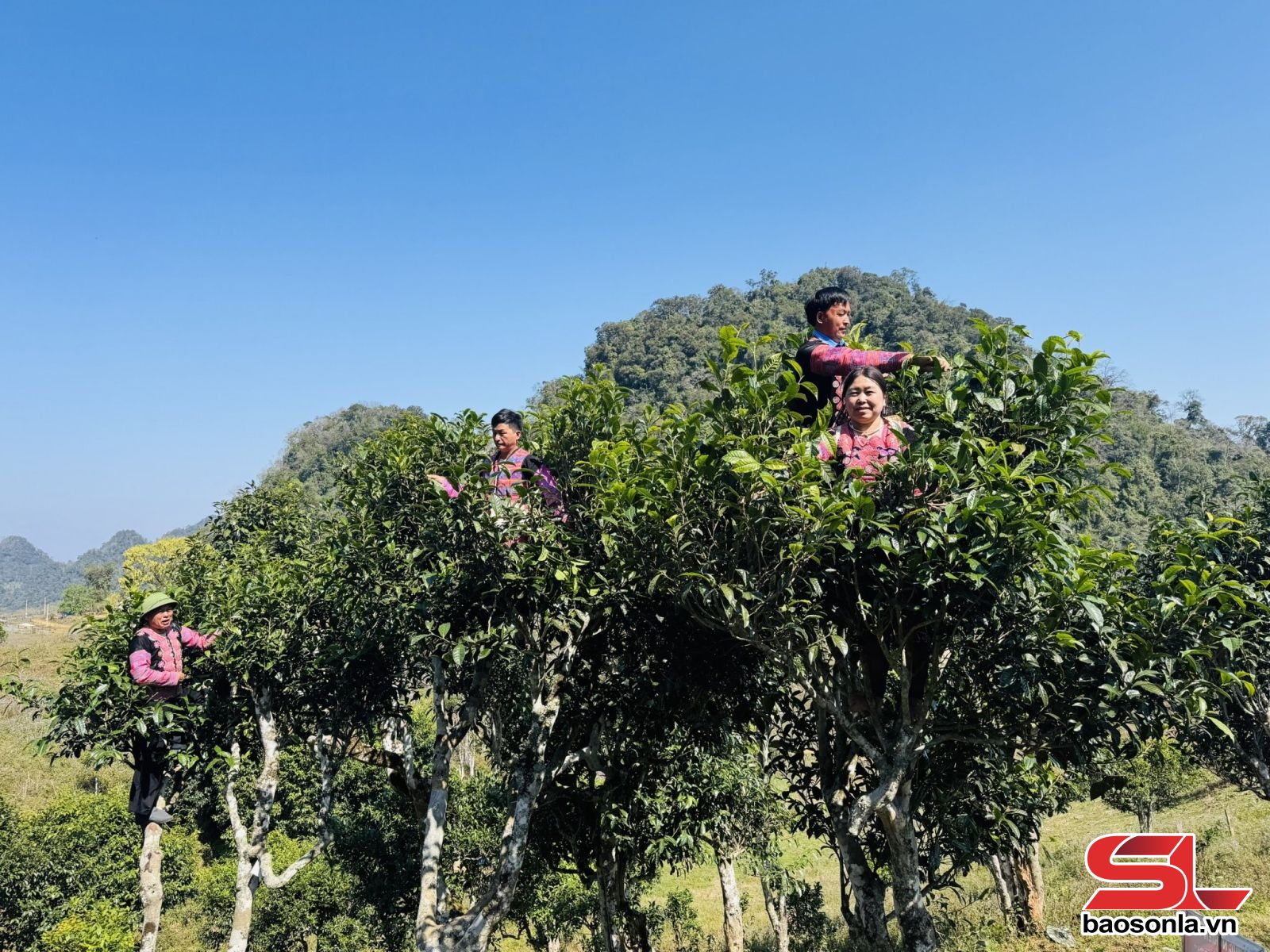
Mr. Tran Dung Tien, Deputy Director of the Department of Agriculture and Environment, said: Not stopping at expanding the area and increasing production, Son La province has determined that for tea cultivation to "stand firm," it must go down the path of improving quality. Therefore, departments and agencies have closely coordinated with localities, businesses, and cooperatives to support farmers in intensive cultivation using high technology, VietGAP and organic production, linked with deep processing and brand building.
High-tech tea-growing areas are gradually being formed, notably the Vinatea Moc Chau raw material area in Thao Nguyen ward, which currently manages over 550 hectares of tea, mainly the Moc Chau Shan Tuyet tea variety, which has been granted the right to use geographical indication; the annual production of fresh tea buds reaches over 10,000 tons, producing 2,300 tons of finished tea products. The development of a raw material area linked to processing and consumption benefits all 1,952 tea-growing households, bringing about socio-economic benefits.
Mr. Le Chi Long, Director of Vinatea Moc Chau, stated: For many years, the company has implemented a tea production model based on a value chain. All stages, from planting, caring for, and harvesting to collecting, processing, and distributing, are controlled under contract to create products that are safe for consumers' health, traceable, and geared towards sustainable, modern agricultural production that yields high economic value.
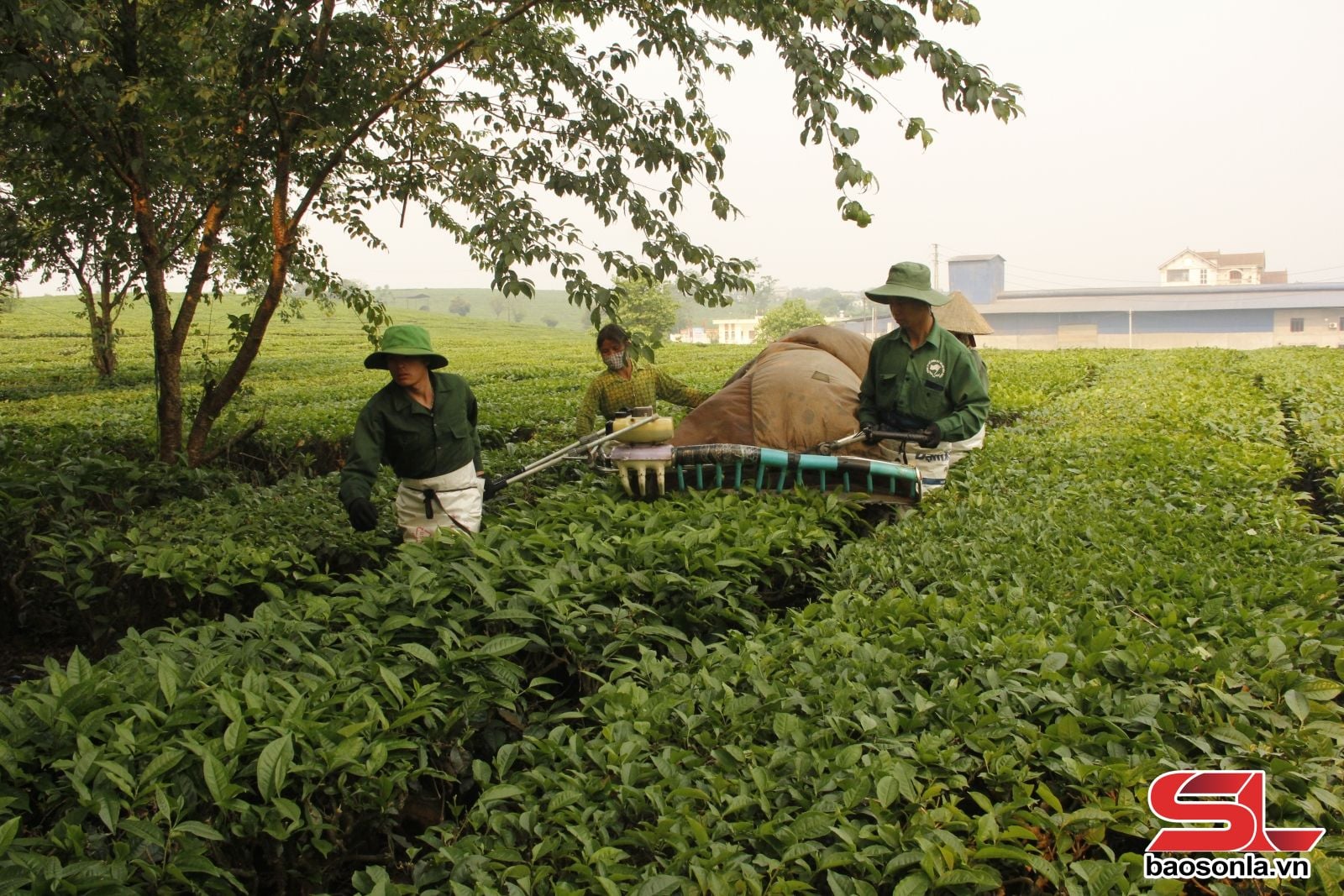
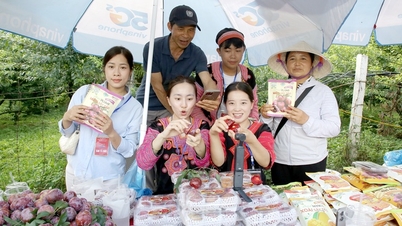
A notable feature of Son La's tea industry is that, while tea was previously mainly consumed in its raw form, deep processing has now become a "lever" to increase added value. Currently, the province has more than 20 tea processing enterprises and cooperatives. These enterprises and cooperatives have boldly invested in modern production lines and diversified their products, from green tea and black tea to high-end Oolong and Shan Tuyet teas. The province currently has 5 tea products protected by geographical indications, such as: the geographical indication for Moc Chau Shan Tuyet tea; the certification mark for Moc Chau Oolong tea and Phong Lai tea; and the collective mark for Ta Xua Bac Yen tea. Notably, Moc Chau Shan Tuyet tea has been protected in Thailand – an important "passport" for Son La tea to enter the international market. Many tea products from cooperatives have been recognized as OCOP products at the provincial level.
Another approach actively pursued by the government and tea businesses in Son La is the integration of agricultural production with ecotourism. Currently, the province has developed many ecotourism and experiential products related to tea cultivation, such as: Vinatea Moc Chau's tea village; the heart-shaped tea hill, the fingerprint tea hill, and the high-quality raw material area linked to ecotourism development of Moc Suong Tea Company Limited in Tan Yen commune; tea hill experiences at Mocha Hill in Thao Nguyen ward; and the tea hill area of Binh Thuan commune... Here, visitors will be impressed by the lush green beauty of the tea hills, participate in agricultural experiences to become real farmers, from picking tea, processing tea, to enjoying fragrant cups of tea.
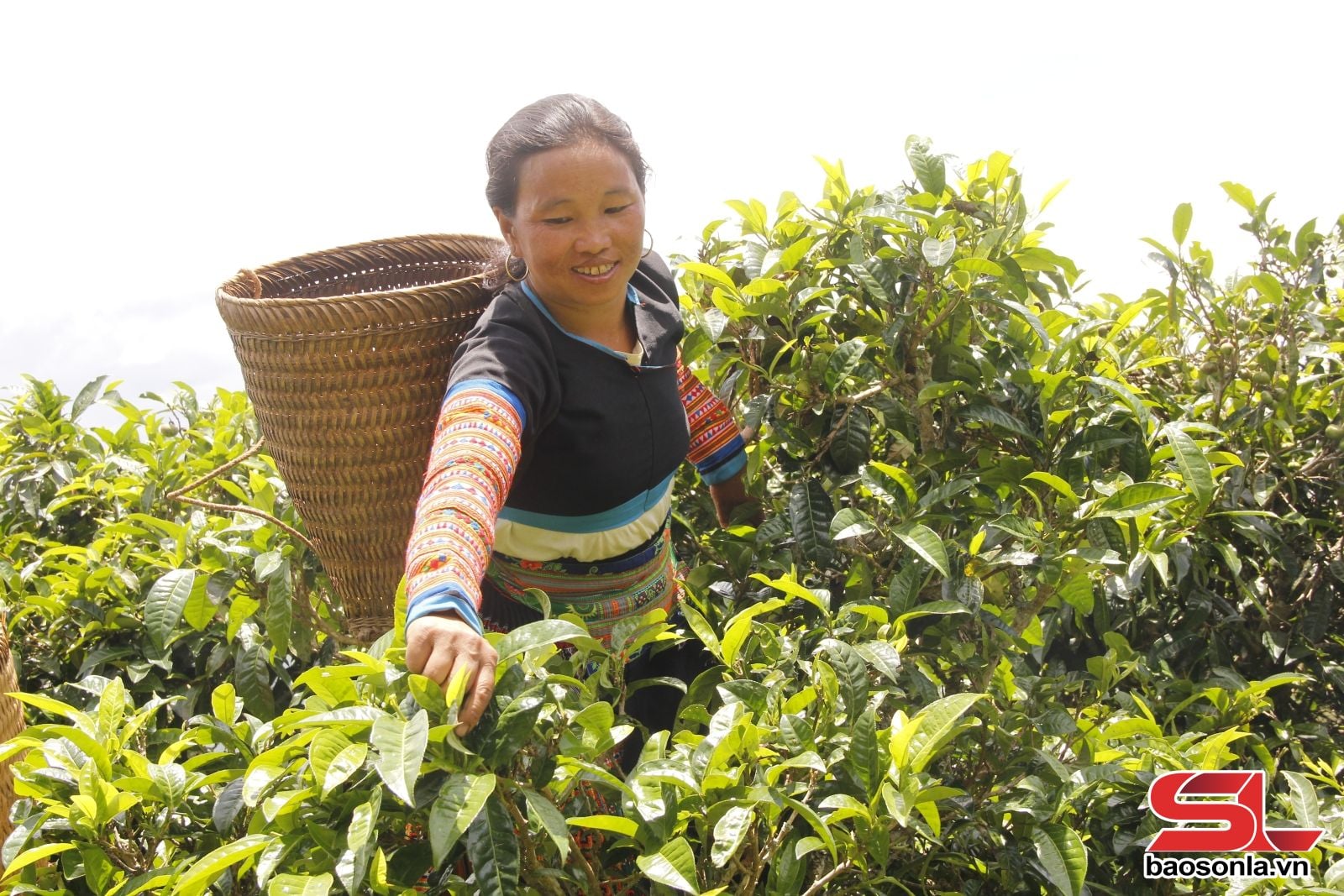
Located at the foot of the legendary Pha Din Pass, Binh Thuan commune currently boasts nearly 1,000 hectares of tea plantations. These lush green tea fields stretch and wind across the hillsides, creating a romantic, poetic, and peaceful landscape that attracts many tourists. Mr. Duong Gia Dinh, Chairman of the People's Committee of Binh Thuan commune, stated: Tea cultivation has provided stable employment for many workers and contributed to poverty reduction and socio-economic development in the locality. The commune continues to encourage residents to cultivate tea according to technical procedures, expand linkages with businesses, improve quality, and build the Binh Thuan tea brand. Simultaneously, they are integrating tea cultivation with experiential agricultural tourism.
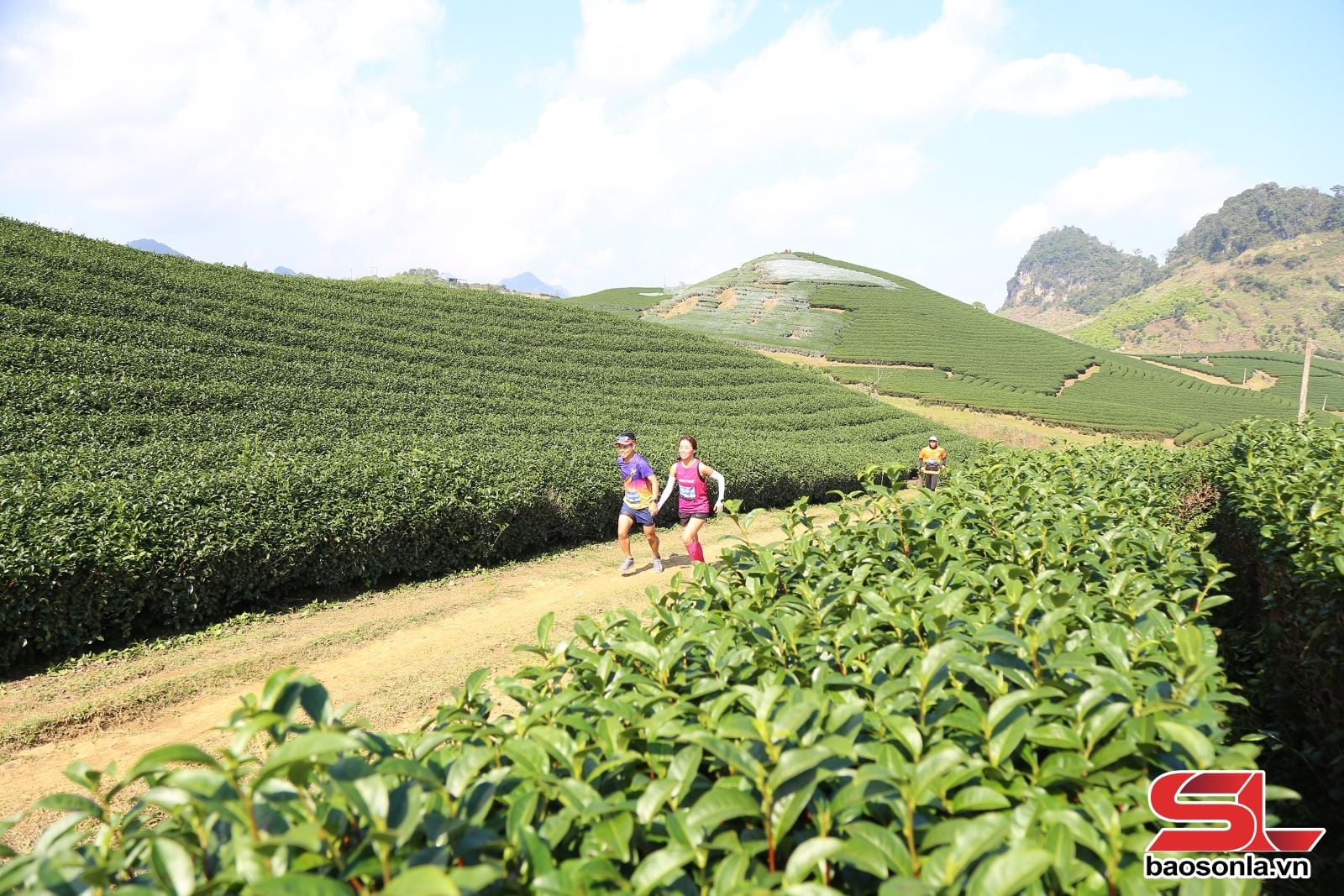
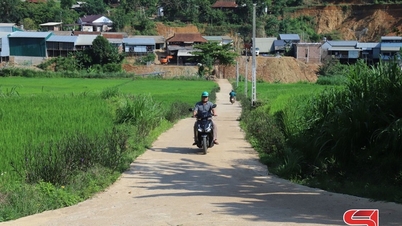
To ensure the sustainable development of tea cultivation and provide stable income for the people, Son La province continues to encourage and facilitate land consolidation to form concentrated production areas; prioritize the development of transportation infrastructure in tea-specialized farming areas; build brands and promote agricultural tourism products in tea-growing regions; and attract businesses to invest in the development of key tea-growing areas linked with eco-tourism. The province encourages people to produce tea using high technology, biotechnology, and organic farming methods, focusing on safety; supports people in linking production with processing and product consumption; assists businesses in promoting and marketing tea products; and diversifies products, focusing on rapidly increasing the proportion of high-value and new products.
Source: https://baosonla.vn/kinh-te/phat-trien-cay-che-ben-vung-tren-vung-dat-son-la-mwTpUjAvg.html





















































































Comment (0)