

1. Is hair removal in the pubic area a good idea?
Pubic hair removal is a popular beauty treatment among women. However, this area is quite sensitive, and many people wonder if hair removal poses any potential health risks.
1.1 What is the purpose of pubic hair?
Pubic hair, also known as pubic hair, grows above the genitals. Depending on the individual, pubic hair varies in thickness, shape, and characteristics. Pubic hair removal is becoming a growing need for many people, not just women but also men. For women, removing pubic hair can boost confidence when wearing a bikini and enhance aesthetics. However, pubic hair also has health benefits for women, such as:
- Helps reduce friction: When you wear clothes that are too tight or when there are situations involving force applied to this area, pubic hair helps reduce friction.
- Maintain the appropriate temperature in the genital area. In hot weather, the genital area usually secretes a layer of oil to help cool it down, while in cold weather, this layer of hair helps keep the genital area warm.
- Protect the vagina from harmful agents such as bacteria, fungi, etc.
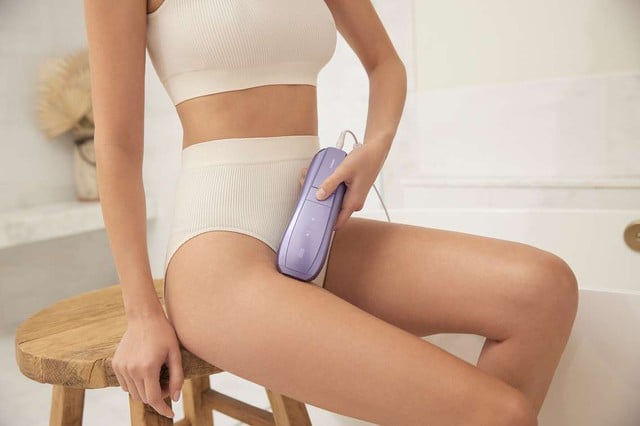
Pubic hair removal is a beauty and personal hygiene need for many women today.
1.2 Should you remove pubic hair?
Besides removing pubic hair for aesthetic reasons, in some cases, women may be prescribed it by doctors, such as those with recurrent gynecological infections, those undergoing gynecological surgery, or women preparing for childbirth. Currently, the demand for pubic hair removal is quite common, and various hair removal methods effectively eliminate thick hair growth.
Proper hair removal in the pubic area helps keep it clean and airy, reducing the risk of infection. However, incorrect hair removal can lead to conditions such as folliculitis (ingrown hairs), infections, burns, or contact dermatitis. This is because the removal of hair in the pubic area creates an opportunity for fungi and bacteria to cause disease.
If women want to remove pubic hair, they should seek out reputable, licensed facilities where the procedure is performed by qualified professionals using hygienic equipment. This not only ensures proper hair removal but also minimizes the risk of cross-infection and inflammation.
2. How to remove pubic hair at home
There are currently many methods for removing pubic hair, such as:
- Traditional methods: using a razor, plucking, or waxing (hair removal).
- Compact handheld device
- Laser machine
- IPL uses high-intensity pulsed light.
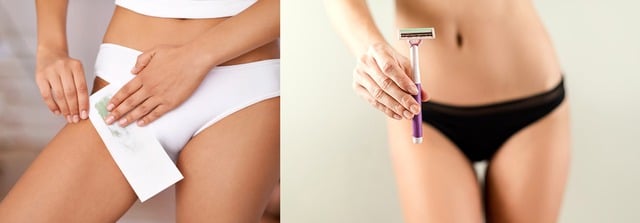
Removing pubic hair is not only about aesthetics but also involves health factors and the risk of irritation if done incorrectly.
Each method has its own advantages and disadvantages. For example, when removing pubic hair using a machine, the effectiveness depends on the origin and function of each type of machine. If women want to use hair removal services using machines, they should consider the facility and the person performing the procedure to ensure safety and aesthetics. It is best for women to consult a specialist doctor to make the best choice in terms of both aesthetics and health safety.
How to safely remove pubic hair at home. If you want to remove pubic hair at home using traditional methods, please refer to the following steps:
- Prepare a small pair of scissors that fit comfortably in your hand for trimming the hair beforehand. You can also use a small handheld mirror to make it easier to observe the pubic area.
- After trimming the hair, apply a specialized gel or cream to the genital area.
- Choose a sharp, clean razor and shave the pubic hair that has been treated with cream/gel.
- Shave gently, slowly, and in the direction of hair growth.
- Wash the genital area with warm water and then dry it with a soft towel.
- Apply moisturizer to the shaved area to keep the skin hydrated and soft.
Source: https://suckhoedoisong.vn/phu-nu-co-nen-triet-long-vung-kin-khong-169260521163234598.htm

































































































Comment (0)