

Most women in disadvantaged areas live on farming and housework, with few opportunities to participate in economic activities to increase their income. However, since the cultural and tourism start-up models have been widely deployed, many women have boldly changed their thinking, taking advantage of traditional cultural identity to create unique tourism products and services. Thanks to that, they have not only escaped poverty but also become an important factor in community development.
When identity becomes a women's entrepreneurial opportunity
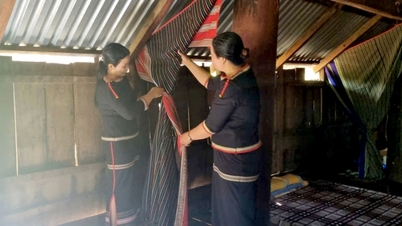
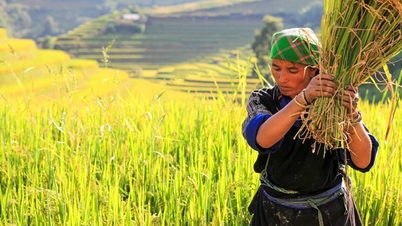
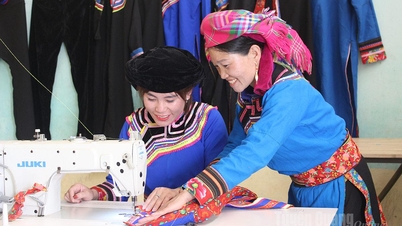
For ethnic minority women, skills that were once thought to only serve family life – such as weaving brocade, embroidering costumes, preparing traditional dishes, making musical instruments, and dyeing fabrics with forest leaves – have now become a stable source of income.
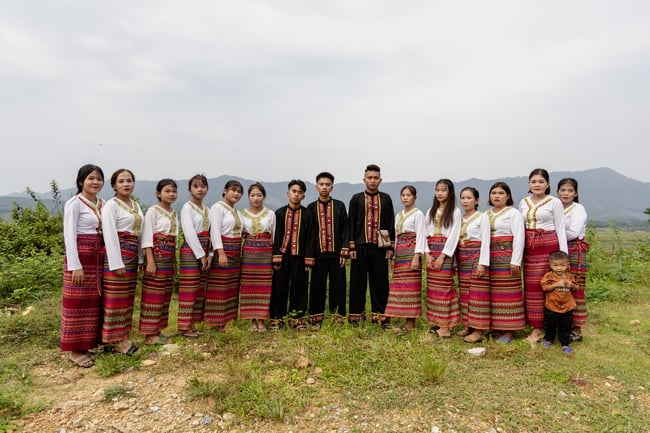
Since cultural and tourism startup models have been widely deployed, many women have boldly changed their thinking.
In many villages in the northern highlands, the looms that had been forgotten are being rebuilt. Mong, Dao, Thai, Ha Nhi women are increasingly participating in brocade weaving cooperatives and traditional handicraft production models. Products such as scarves, bags, wallets, shirts, and brocade decorations are sold right in the village or connected to nearby tourist attractions.
Tourists especially love to learn about and buy handicrafts made by local women. They see it as part of the cultural experience and a way to contribute directly to the local community.
Thanks to the spread of these models, many women have become more confident, have an income of 3-7 million VND/month, improve their lives and have the conditions to send their children to school.
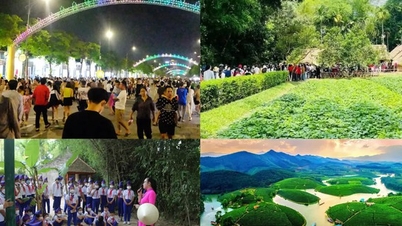
At many community tourism destinations in the mountains and Central Highlands, women play the role of the “soul” of the model: they provide homestay services, cook traditional dishes, guide tourists through cultural experiences, weave, knit, and prepare drinks from local herbs…
In Lao Cai , Tay women in Deu village have established a community tourism group, in which women are responsible for most of the homestay activities and introducing traditional weaving.
In Tuyen Quang, many Red Dao women participate in tourism experiences such as herbal baths, indigo dyeing, and embroidery – attracting domestic and foreign tourists.
Not only do women improve their income, they also practice communication skills, financial management, teamwork and access to tools to promote products through social networks.
Unleashing inner strength – women confidently step into the market
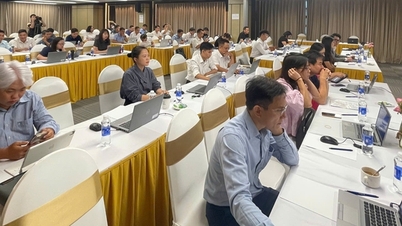
One of the important factors that helps women in disadvantaged areas change is the vocational training and coaching programs implemented by ministries, branches and social organizations. Many women are exposed to knowledge about small businesses, startups, branding, digital transformation for the first time - opening up a whole new world.
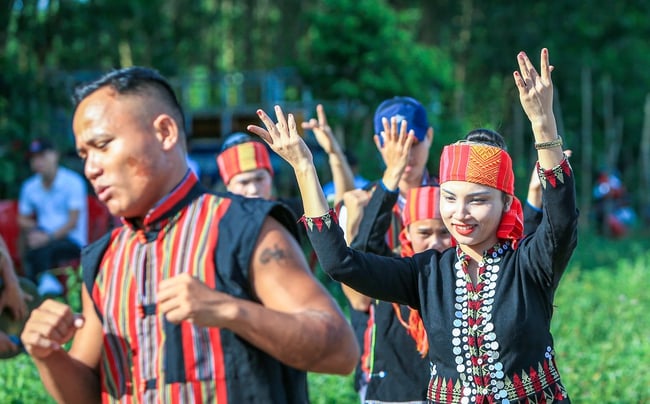
When women are given opportunities, they not only change their family lives but also make important contributions to community development.
Typical training courses include product introduction skills, design models suitable for market tastes, how to sell on social networks, homestay tourism skills...
Thanks to this support, many women boldly opened online stores, took photos of their products, and introduced them on Facebook, TikTok, and Zalo. Some women became good sellers in the community, connecting products with tourist destinations and even expanding the market outside the province.
Reality in many localities shows that when women are given opportunities, they not only change their family life but also make an important contribution to community development. They are the ones who preserve culture, pass on crafts, work in tourism and also ignite national pride through each exquisite handcrafted product.
Cultural and tourism entrepreneurship not only provides livelihoods, but also creates comprehensive changes in the awareness, lifestyle and position of women in disadvantaged areas - turning them into subjects of development and a strong driving force for sustainable poverty reduction.
Source: https://bvhttdl.gov.vn/phu-nu-vung-kho-khan-doi-doi-nho-khoi-nghiep-van-hoa-du-lich-2025120109334348.htm
![[Photo] Parade to celebrate the 50th anniversary of Laos' National Day](/_next/image?url=https%3A%2F%2Fvphoto.vietnam.vn%2Fthumb%2F1200x675%2Fvietnam%2Fresource%2FIMAGE%2F2025%2F12%2F02%2F1764691918289_ndo_br_0-jpg.webp&w=3840&q=75)


![[Photo] Worshiping the Tuyet Son statue - a nearly 400-year-old treasure at Keo Pagoda](/_next/image?url=https%3A%2F%2Fvphoto.vietnam.vn%2Fthumb%2F1200x675%2Fvietnam%2Fresource%2FIMAGE%2F2025%2F12%2F02%2F1764679323086_ndo_br_tempimageomw0hi-4884-jpg.webp&w=3840&q=75)



























































Comment (0)